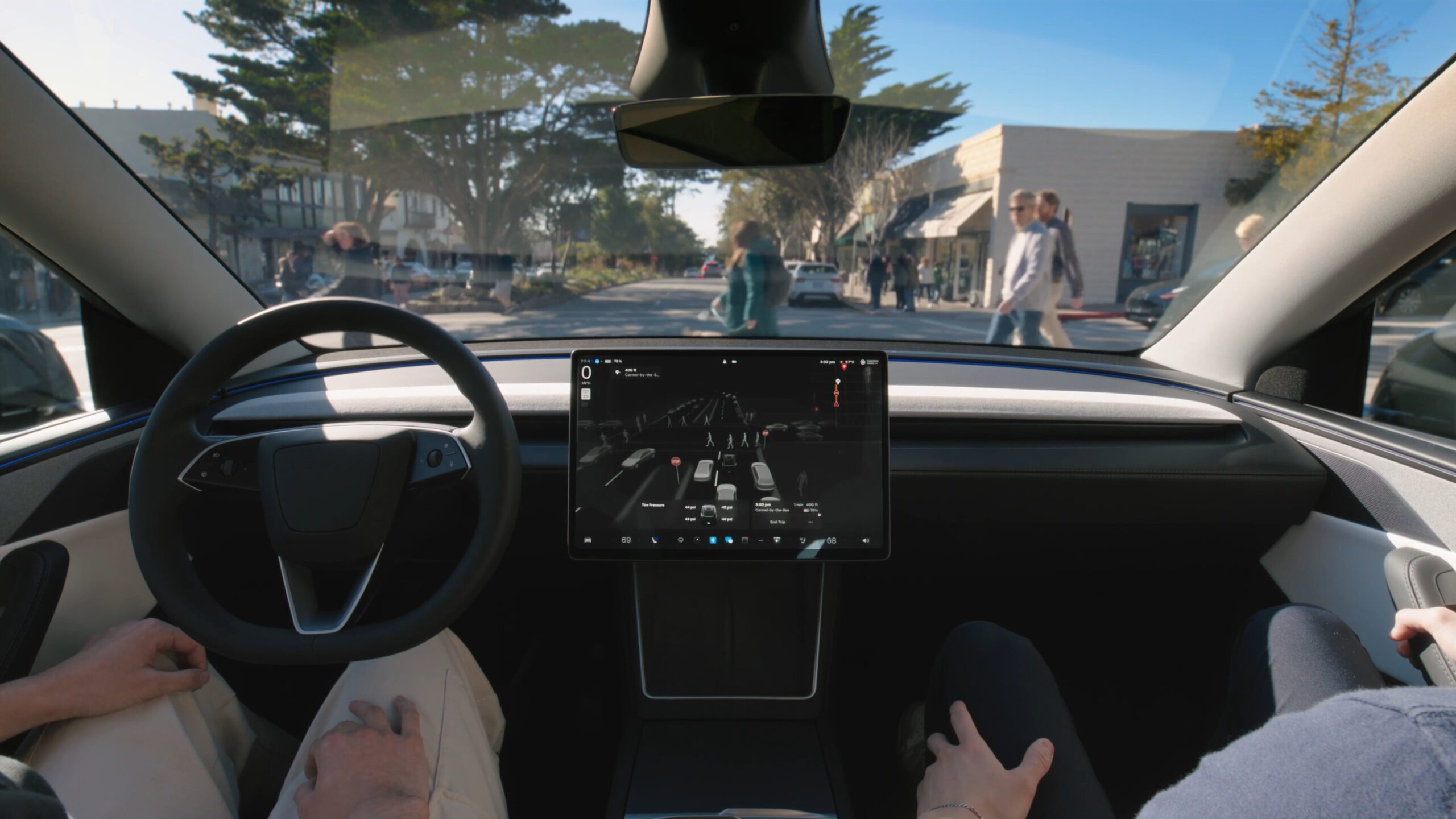
While Elon Musk preached the gospel of vision-only autonomy, Tesla was quietly developing sophisticated radar technology behind closed doors. FCC filings from June 2022 reveal the company secured approval for high-resolution millimeter-wave radar operating in the 60-64 GHz band—a direct contradiction to their public stance dismissing radar as unnecessary for Full Self-Driving.
Advanced Hardware Already in Development
This isn’t some hastily assembled backup plan. The filing shows Tesla designed their own radar system using Texas Instruments’ IWR6843AOP chip, delivering higher power than the Continental ARS-4B radar it previously abandoned. The system employs four transmit and three receive antennas with chirp-based modulation, capable of detecting objects within a six-foot range with medical-grade precision.
Your Tesla might already have dormant radar hardware waiting for software activation. In early 2020-2021, FCC approvals covered cabin-based radar for driver monitoring, child detection, and anti-theft systems. Like a Netflix series dropping all episodes at once, Tesla appears ready to activate multiple radar functions through over-the-air updates.
Weather Reality Check Drives Strategy Shift
Tesla’s previous ghost braking issues were caused by their old bumper-hidden Continental radar mistaking static objects for threats. Rather than fix the problem, Tesla simply removed radar and claimed cameras were superior. Classic tech company pivot—when your solution causes problems, declare the problem was the solution all along.
But physics doesn’t care about marketing messages. Cameras struggle in heavy rain, snow, and fog, where radar excels. While competitors like Ford and GM deploy multi-modal sensor suites combining cameras, radar, and lidar, Tesla painted itself into a corner with vision-only absolutism. This mirrors common automotive engineering challenges.
Competitive Pressure Mounts
This radar revival positions Tesla to compete with manufacturers who never abandoned sensor fusion. The 60-64 GHz frequency offers higher resolution than previous automotive radars, potentially enabling 4D imaging that measures distance, speed, and elevation simultaneously. Your FSD experience in challenging weather conditions should improve dramatically once these systems activate.
Expect Tesla to frame this as “planned evolution” rather than admitting their vision-only bet had limitations. The confidentiality period on these filings ended in December 2022, suggesting future software updates could transform your vehicle’s sensor capabilities overnight. This development highlights the ongoing evolution of electric vehicle technology.