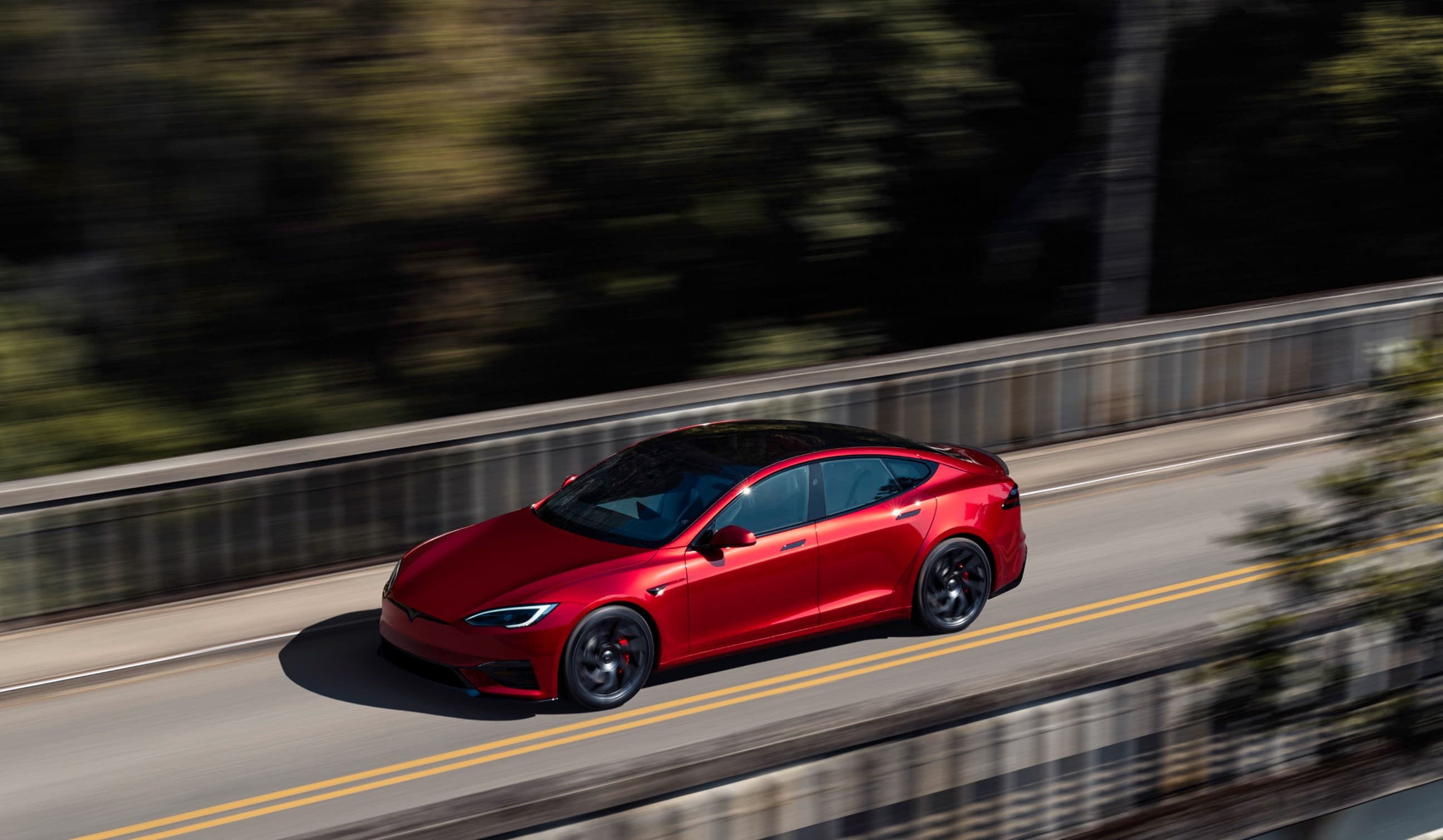
Your shiny new Tesla Model S just became a $74,000 mistake. According to industry analysis, this flagship electric sedan loses between 65% and 80% of its value within five years—transforming a $120,490 investment into a $46,359 reality check. That’s not a market correction; that’s financial carnage.
Tesla dominates the depreciation disaster rankings like a streaming service dominates your monthly subscriptions. The Model Y, supposedly Tesla’s “affordable” option, sheds 56% of its $67,990 price tag, while the Model X’s falcon-wing doors apparently open directly onto a financial cliff—dropping 55% in value faster than your enthusiasm for Elon’s latest Twitter proclamation.
The culprit? Tesla’s pricing strategy resembles a cryptocurrency chart: unpredictable, volatile, and designed to benefit the house. Frequent price cuts make buying new more attractive than purchasing used, creating market conditions where yesterday’s luxury becomes today’s liability.
Luxury Brands Playing Financial Russian Roulette
Maserati, Cadillac, and Range Rover vehicles lose value faster than ice cream melts in Phoenix.
Luxury depreciation makes Tesla look conservative. Cadillac’s Lyriq electric SUV achieves the impossible: losing 88% of its value, making it the automotive equivalent of investing in Beanie Babies. Meanwhile, Range Rover’s flagship model hemorrhages 86.5% of its worth, proving that British engineering excellence doesn’t translate to American resale markets.
Maserati vehicles depreciate like they’re allergic to their own prestige. The Quattroporte loses 83% of its value, while the Ghibli drops 82%. Even the Peugeot 3008 manages to lose 70.52% of its value in just three years, proving that depreciation doesn’t discriminate by continent.
These numbers reveal market saturation and design polarization working against luxury buyers. Your neighbors can’t distinguish a $130,000 Range Rover from its $20,000 used counterpart, making the premium meaningless at resale time.
The Silver Lining in Automotive Suffering
Smart used car buyers can exploit these depreciation disasters for massive savings.
Here’s the plot twist: someone else’s depreciation nightmare becomes your value opportunity. A five-year-old Model S delivers cutting-edge technology at 30 cents on the dollar. That Range Rover is losing 86% of its value? It’s still a Range Rover, just without the crippling monthly payment.
Understanding depreciation patterns transforms car shopping from an emotional decision into a strategic investment. Skip the new car lot and let previous owners absorb the depreciation hit while you enjoy premium features at accessible prices and save hundreds.