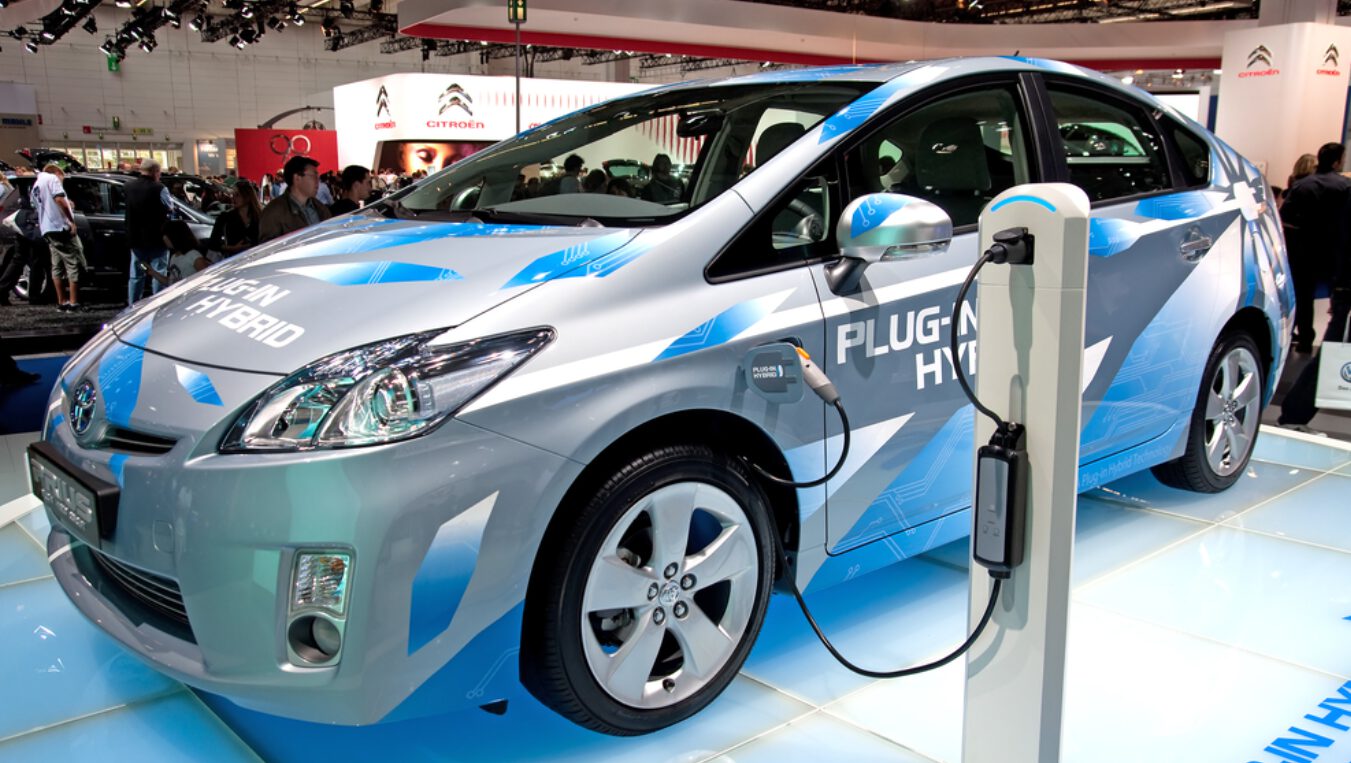
While TikTok influencers scream about electric vehicles turning garages into toxic gas chambers, Swedish fire data paints a dramatically different picture. Between 2018 and 2024, internal combustion engine vehicles proved more than 20 times likelier to catch fire per 100,000 vehicles than EVs or hybrids. Tesla reports one fire per 130 million miles driven, compared to one fire per 17 million miles for all U.S. vehicles.
When the NTSB examined fatal crashes, they found EVs involved in fires just 2% of the time versus 3.2% for gasoline cars. These aren’t cherry-picked manufacturer claims—they’re independent government assessments.
When EV Batteries Actually Fail
Thermal runaway is real but rare, and doesn’t create the toxic hellscape described online.
EV battery fires involve thermal runaway—a chain reaction where one damaged cell spreads heat to neighboring cells, reaching external temperatures up to 358°C. The process releases hydrogen, carbon monoxide, and various hydrocarbons, but research doesn’t support claims about hydrogen fluoride poisoning entire neighborhoods.
These failures typically stem from:
- Manufacturing defects
- Collision damage
- Saltwater submersion
Charging-related fires remain exceptionally rare and usually trace back to prior battery damage rather than routine overnight charging. Your Level 2 charger isn’t plotting against you.
Fire Blankets Won’t Save You (And Might Kill You)
NFPA testing revealed “safety” equipment can make fires exponentially worse.
Recent NFPA testing demolished the fire blanket myth in spectacular fashion. The blankets trapped gases during thermal runaway, creating violent explosions that literally knocked firefighters off their feet. “EV fire blankets are not a simple or inherently safe solution,” warns Emma Sutcliffe from EV FireSafe.
Contrary to viral claims, water remains the NFPA’s recommended cooling method for EV battery packs. The idea that water spreads fires cell-to-cell through electrolyte simply doesn’t match real-world scenarios where firefighters successfully use it daily.
Context Matters More Than Fear
America sees 222,000 vehicle fires annually—EVs remain statistically underrepresented.
Your garage isn’t a ticking time bomb. Of the roughly 290 million vehicles on U.S. roads, about 222,000 vehicle fires occur yearly—just 0.07% of the total fleet. EVs appear underrepresented in these statistics, not overrepresented. The NFPA confirms: “No current evidence suggests EVs are more likely to be involved in a fire than ICE vehicles.”
That doesn’t mean EVs are risk-free, but it means the apocalyptic garage scenarios dominating social media aren’t based in reality. Smart precautions beat panic every time.