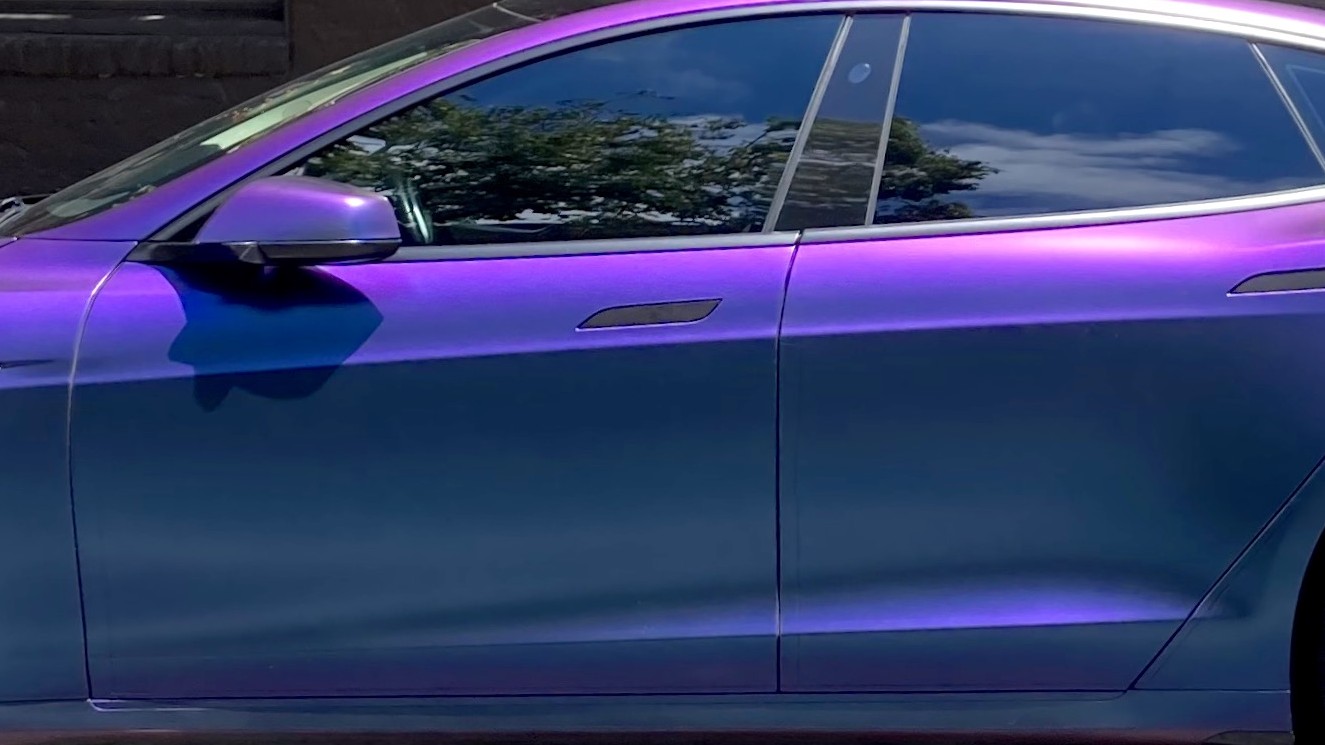
When rescuers couldn’t access a crashed Xiaomi SU7 in March 2025, China’s safety officials had seen enough. Hidden door handles—those sleek, flush designs popularized by Tesla—might look like something from Blade Runner, but they’re creating real-world nightmares during emergencies. China’s Ministry of Industry and Information Technology just published a mandatory standard banning these handles, effective January 1, 2027.
The regulation hits hard: all car doors (except tailgates) must have mechanical exterior handles with specific dimensions—at least 60mm x 20mm x 25mm of operable space. Your handle must work without tools even when locks are engaged or the battery dies completely. This affects roughly 60% of China’s top 100 electric vehicles, including models from Nio, Li Auto, XPeng, and Xiaomi.
Industry Scrambles as Design Philosophy Shifts
Hidden handles boost range by 5-10 kilometers but create entrapment risks that automakers can no longer ignore.
The aesthetics-versus-safety trade-off just got resolved by regulation. Those flush handles improve aerodynamics enough to extend range by 5-10 kilometers per charge—meaningful gains in a competitive market. But as Great Wall Motor’s Wei Jianjun pointed out, sensors often sit at the front of doors where crash damage occurs first. When those sensors fail, your futuristic handle becomes a death trap.
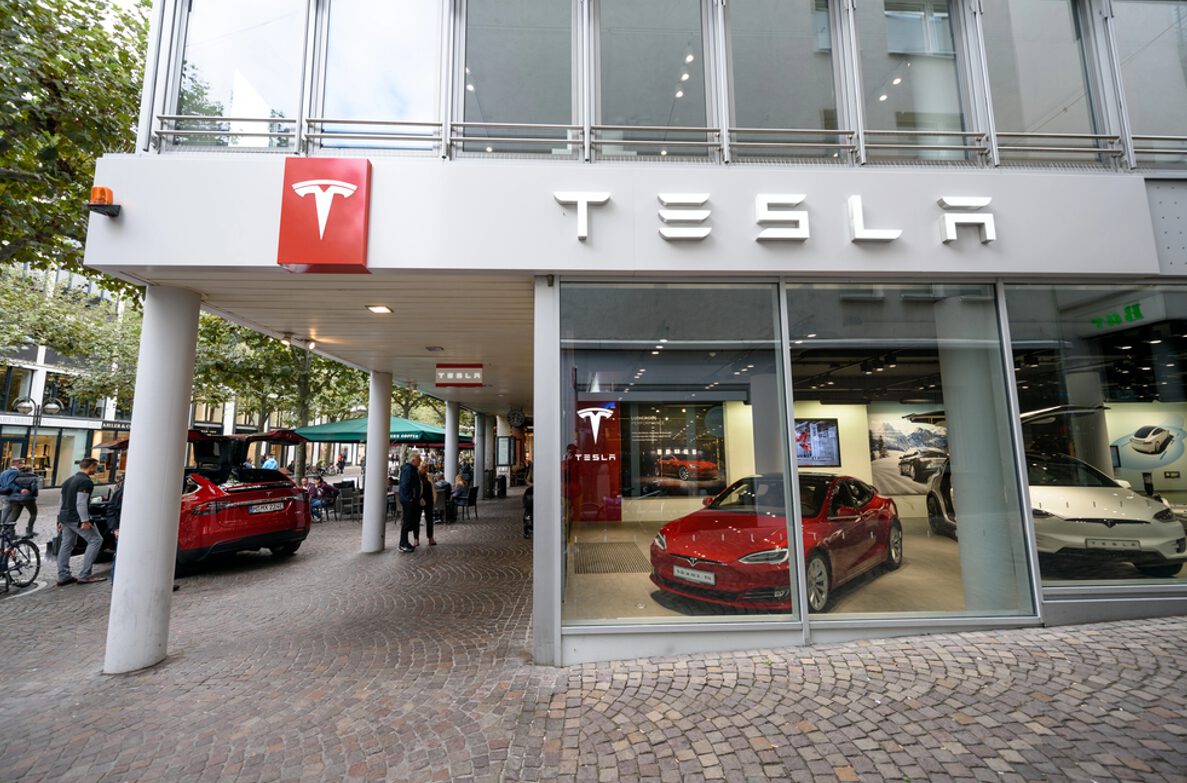
Tesla faces particular scrutiny here, despite not participating in the regulation’s drafting process alongside 40+ other manufacturers. The company already fights 140+ U.S. complaints since 2018 about entrapments affecting kids, elderly passengers, and pets. NHTSA opened investigations into Model Y and Model 3 emergency releases, noting that manual overrides are often hard to locate during panic situations.
Global Ripple Effects Target Tesla’s Design DNA
China’s regulatory leadership could force worldwide design changes as other markets consider similar safety rules.
China leads as the first nation to ban these handles entirely, but expect global ripples. The regulation gives automakers 19 months to retrofit existing models and just seven months for new designs—tight timelines that suggest serious safety concerns. Toyota, Geely, and Leapmotor are already planning mechanical backups or complete redesigns despite the costs.
This represents more than regulatory compliance—it’s a philosophical shift prioritizing passive safety over aesthetic appeal. When the world’s largest EV market chooses function over form, even Tesla’s design DNA faces an existential challenge. Your next electric vehicle purchase just got a lot more practical, whether you wanted it or not.