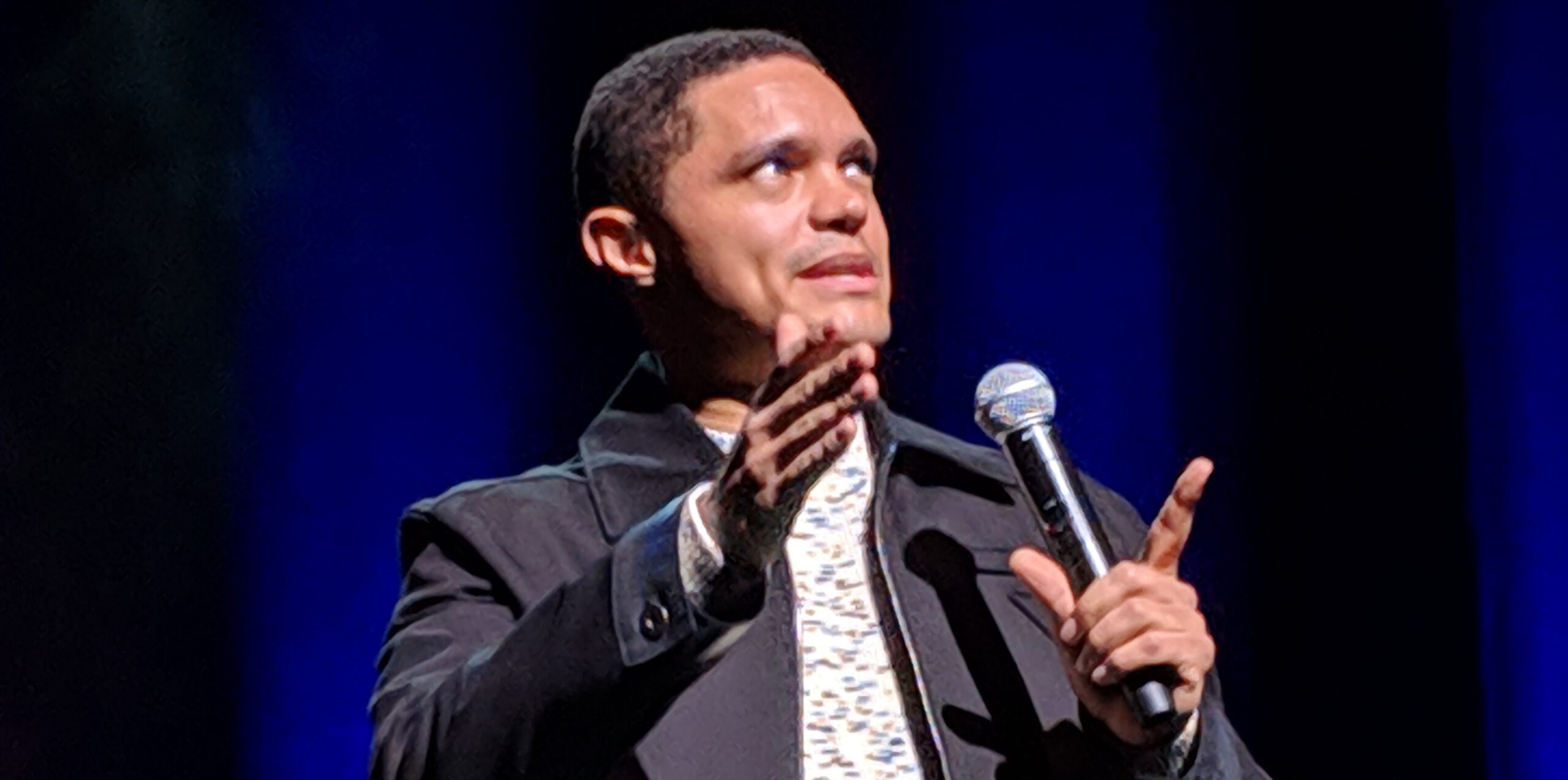
Trevor Noah’s throwaway “potato” gag at the 2026 Grammys wasn’t supposed to break the internet. Yet his quip about a fictional Polymarket bet racked up 17 million views and sparked a genuine crisis for prediction markets trying to go mainstream. When celebrities joke about insider trading on live television, regulators start paying attention.
The Punchline That Launched a Thousand Think Pieces
Noah’s fictional betting reference exposed how little most people understand about prediction market regulation.
The joke itself was harmless—”potato” wasn’t even listed among Polymarket’s actual Grammy betting options, which included everything from “Trump” to “Taylor” to “Bitcoin.” But Noah’s shoutout to the mysterious @noah_22 user who supposedly profited triggered exactly the wrong kind of viral moment.
Comments ranged from “Did he just admit to insider trading on live TV?” to “This is obviously comedy, people.” Polymarket’s own bewildered “What is happening????” response only amplified the confusion. The platform inadvertently turned a throwaway gag into a masterclass on why prediction markets struggle with public perception.
When Viral Moments Expose Regulatory Black Holes
The Grammy incident highlighted how prediction markets operate in a regulatory gray area that most users don’t understand.
Here’s the uncomfortable truth: prediction markets like Polymarket and Kalshi exist in regulatory limbo. The CFTC treats them as derivatives rather than gambling, which means they avoid traditional casino oversight while operating with anonymous accounts and limited fraud protection.
December 2025 saw nearly $12 billion in trading volume—a 400% jump that caught everyone’s attention, including regulators. Past incidents didn’t help:
- Traders have pocketed $400,000 on Venezuelan political bets using insider information
- $50,000 profits on Nobel Prize predictions with insider knowledge
These aren’t isolated cases—they’re symptoms of a system designed for anonymity in an era demanding transparency.
The Mainstream Credibility Problem
Celebrity jokes about market manipulation aren’t the publicity crypto betting platforms need right now.
The industry’s explosive growth depends on mainstream adoption, but Noah’s bit illuminated exactly why that’s complicated. While Kalshi explicitly bans insider trading, Polymarket relies on social media exposure to deter abuse—a system that economist Rajiv Sethi notes allows “people to do all kinds of things that they would not be able to do on other markets.”
When Coinbase CEO Brian Armstrong played along with similar betting markets during earnings calls in October 2025, it felt like harmless fun. Noah’s Grammy moment feels different because it happened at peak regulatory scrutiny. The prediction market boom might survive celebrity comedy, but regulatory crackdowns could reshape the entire industry before platforms figure out how to police themselves effectively.