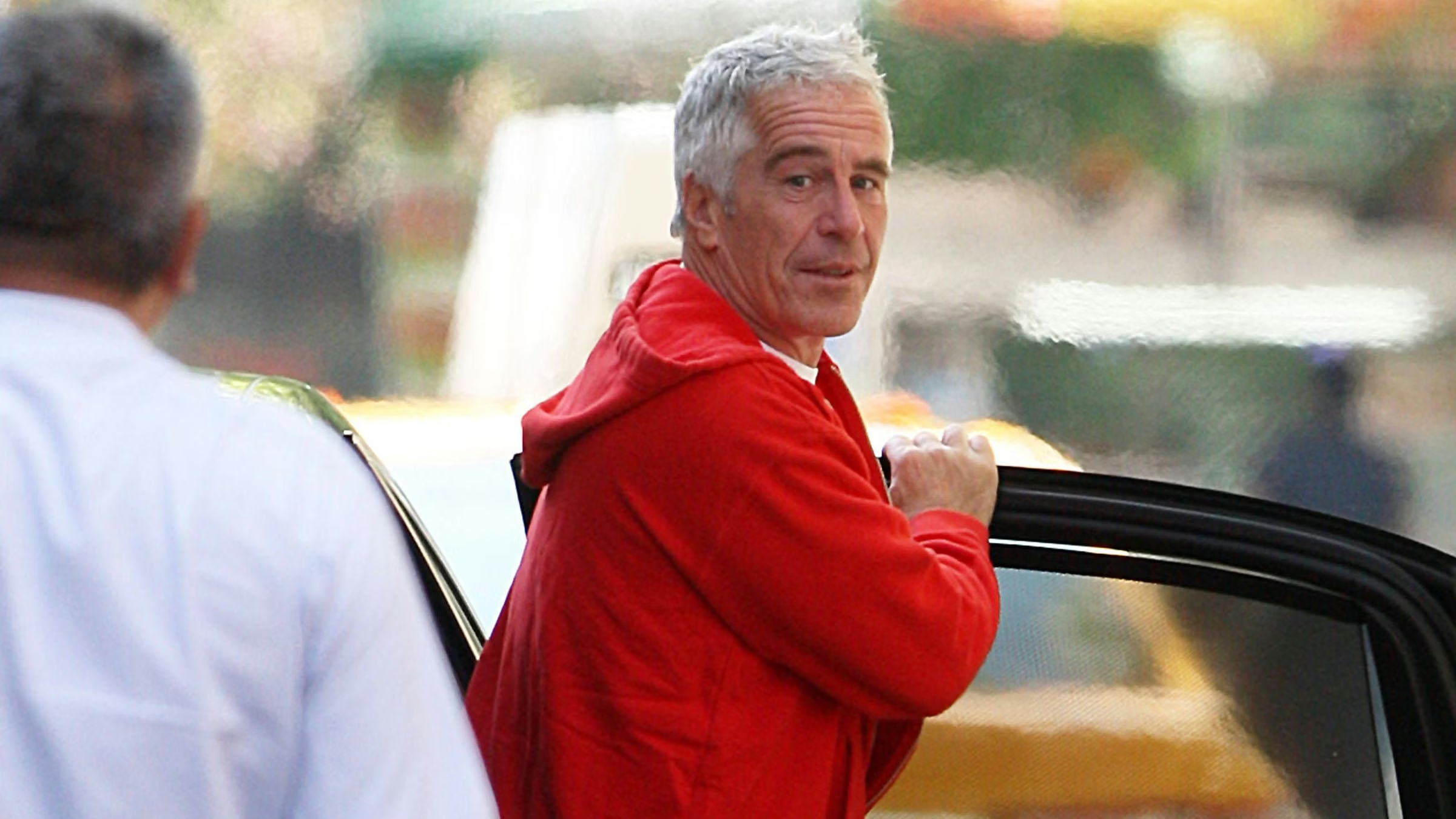
Jeffrey Epstein boasted about a “wild” dinner with tech’s biggest names in a newly unsealed 2015 email. The August gathering in Palo Alto brought together Mark Zuckerberg, Elon Musk, Peter Thiel, and Reid Hoffman—a who’s who of Silicon Valley power that reads like a TechCrunch disrupt speaker list.
The revelation emerges from Justice Department document releases that continue peeling back layers of Epstein’s elite networks. For an industry obsessed with disruption, these connections reveal how traditional networking blind spots persisted even after Epstein’s 2008 conviction.
The MIT Fundraising Connection
The dinner mixed Silicon Valley’s standard philanthropy playbook with a convicted sex offender’s influence campaign.
Reid Hoffman hosted the dinner to honor MIT neuroscientist Ed Boyden, with Epstein’s attendance specifically requested by former MIT Media Lab director Joi Ito. The purpose? Boosting donations to the prestigious research center.
This wasn’t some shadowy conspiracy—it was Silicon Valley’s standard operating procedure of mixing philanthropy, networking, and scientific advancement. Yet Epstein’s presence transformed what should have been a celebration of neuroscience into another data point in his systematic cultivation of influential circles.
Damage Control Mode Activated
Tech leaders scrambled to distance themselves as the dinner details emerged.
Meta confirmed Zuckerberg met Epstein exactly once at this scientist-honoring dinner, emphasizing zero further communication. Musk took a harder stance, calling Epstein a “creep” while confirming his attendance but denying any close ties.
Hoffman has publicly apologized multiple times since 2019, calling his Epstein interactions a “major error” and advocating for full file releases to help victims find justice.
Beyond the Dinner Table
The unsealed emails reveal connections that extended far beyond a single evening.
Hoffman visited Epstein’s Little St. James island once in 2014 and planned overnight stays at his Manhattan townhouse. Musk discussed a potential island visit that never materialized. Epstein continued emailing Hoffman about fundraising as late as 2017, leveraging Trump budget cuts to pitch continued support for scientific research.
These interactions show how Epstein maintained access through legitimate channels—MIT fundraising, scientific philanthropy, and elite networking events.
The Accountability Question
For an industry claiming to connect and improve the world, these revelations expose troubling judgment gaps.
These revelations don’t suggest criminal behavior by the tech leaders, but they expose how easily convicted predators can maintain access to elite circles through philanthropy. Trump has ordered DOJ investigations into Hoffman and others, while the tech executives face renewed scrutiny about judgment and transparency.
Your trust in tech leadership depends partly on their ability to recognize red flags in their own networks. These connections reveal that even Silicon Valley’s supposed disruptors remained vulnerable to traditional influence operations.