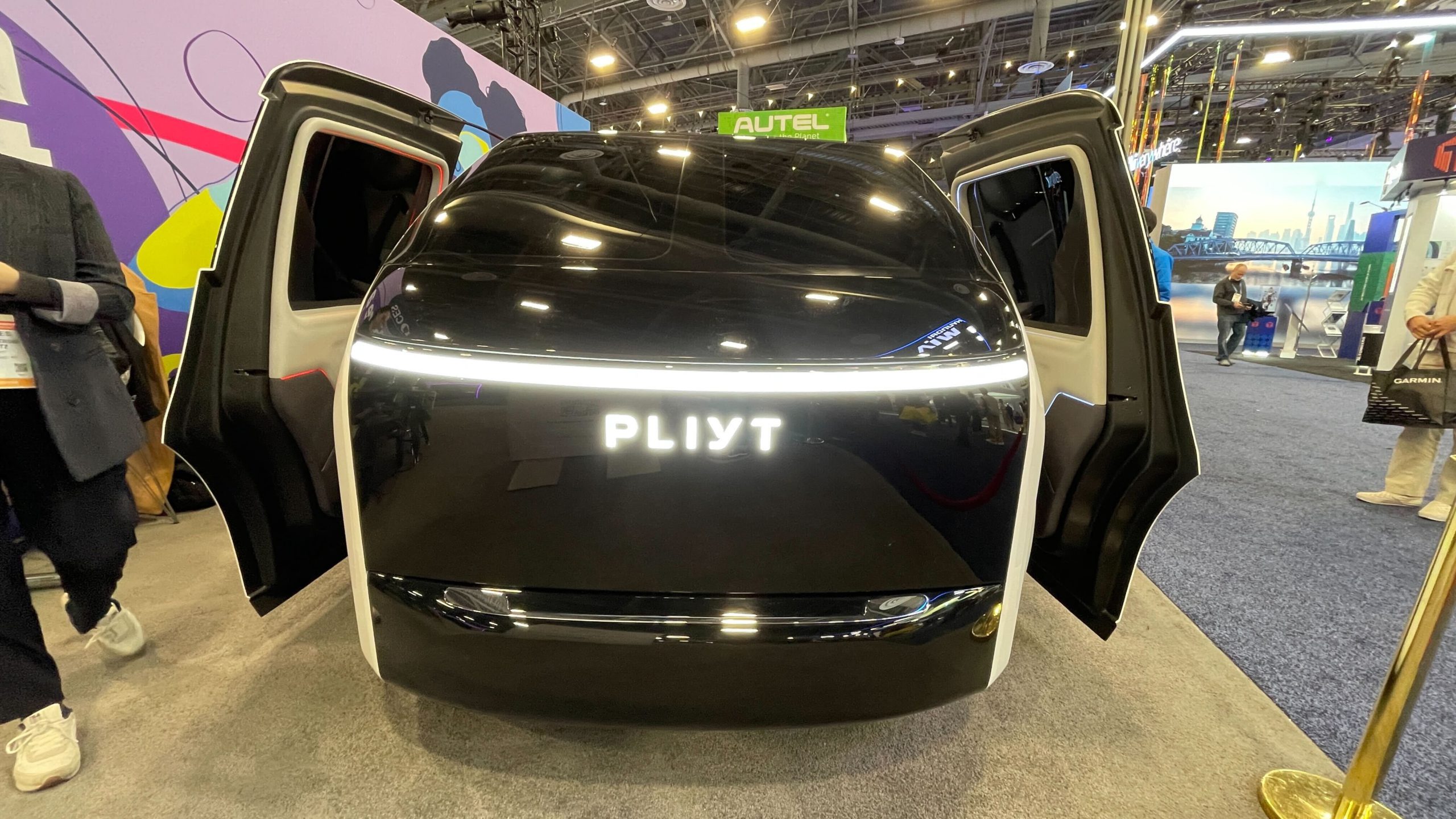
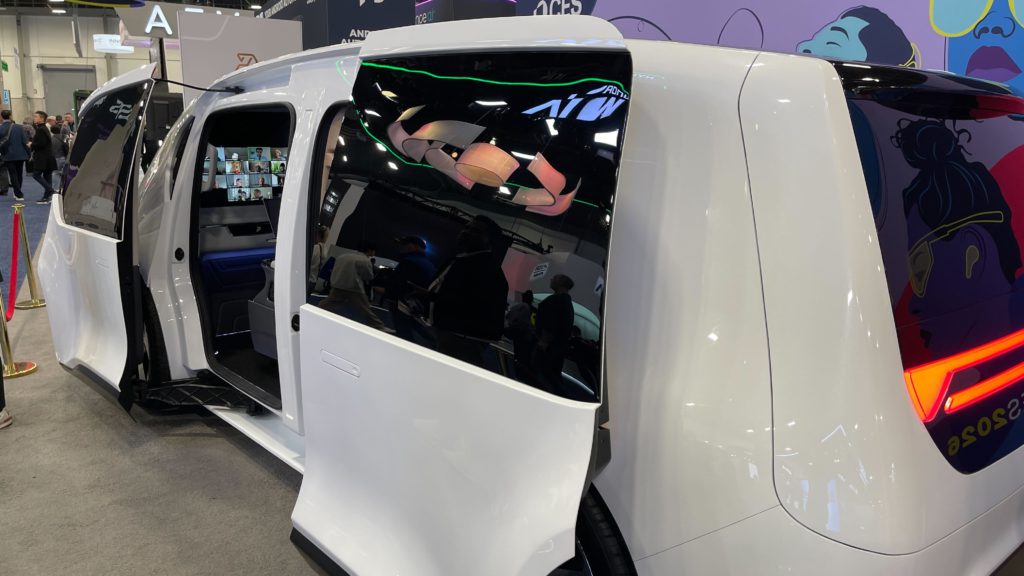
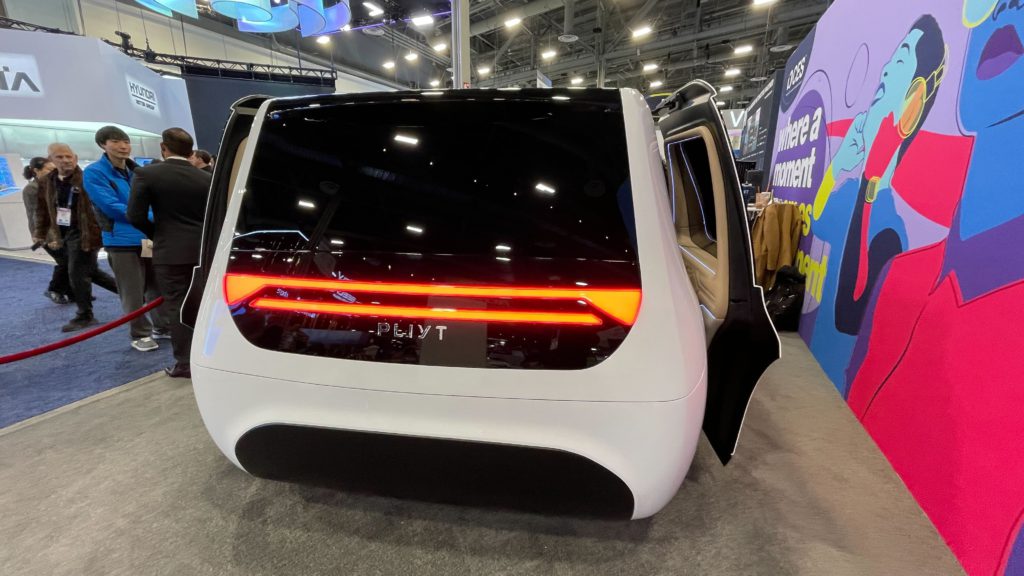
Your daily commute shouldn’t cost more than your lunch, yet here you are calculating whether that morning Uber to downtown justifies skipping your afternoon latte. Enter Pliyt, a proposed robotaxi service planning to launch in San Francisco by 2028 with a bold promise: subscription-based autonomous rides for medium-distance commuters at reportedly 40% below current Uber rates.
Details remain unclear about Pliyt’s backing or technology stack, as the service hasn’t appeared in major CES 2026 coverage despite being positioned as a concept vehicle unveiling. But the timing puts it directly into what’s shaping up to be the most competitive autonomous vehicle market in the country.
Entering a Crowded Field
By 2028, San Francisco will host multiple robotaxi services battling for the same commuter dollars.
Pliyt faces formidable competition right out of the gate. Uber, Lucid, and Nuro jointly unveiled a production-ready robotaxi at CES 2026, targeting Bay Area deployment by late 2026 with autonomous testing already underway according to Uber’s investor relations. Waymo continues expanding its existing San Francisco operations, while other players circle the market.
The subscription model represents Pliyt’s key differentiator. Instead of surge pricing surprises during your morning rush, you’d pay a predictable monthly rate for your regular 30-minute commutes. Think Spotify for transportation—algorithmic optimization meets routine behavior.
For price-conscious commuters tired of watching ride costs fluctuate like GameStop stock, this approach makes sense on paper. Whether the economics work remains the critical question. Subscription services require massive scale to offset lower per-ride margins, and undercutting established players by 40% demands either revolutionary cost efficiencies or unsustainable venture funding.
The Commuter-Focused Gamble
Targeting medium-distance routes could enable better fleet optimization than general ride-hailing.
Focusing exclusively on 30-minute commutes instead of all ride types allows Pliyt to optimize routes, predict demand patterns, and potentially partner with employers on commuter benefits packages. Your Tuesday morning trip from the Mission to SOMA follows predictable patterns that autonomous systems can learn and improve upon.
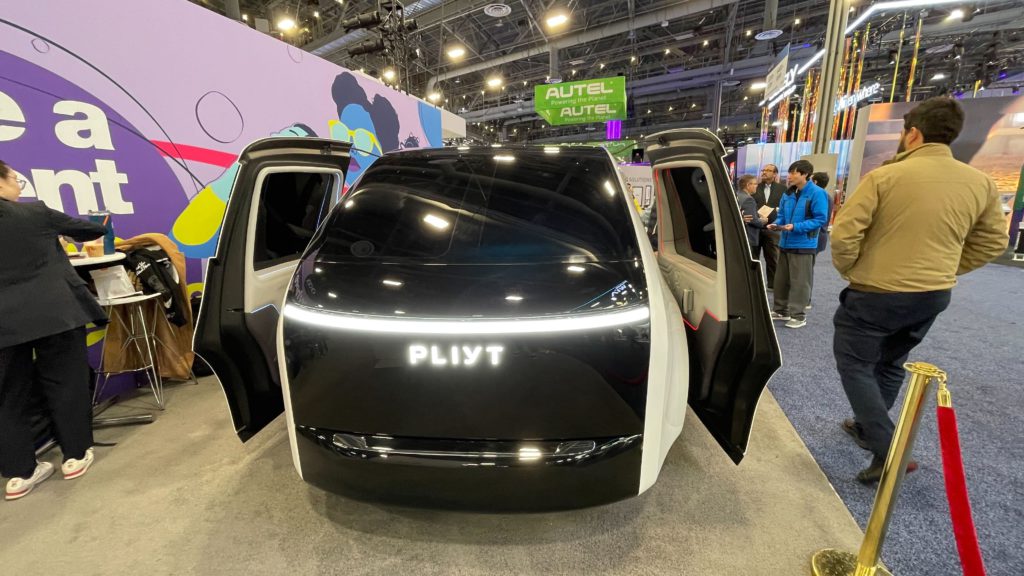
This specialization contrasts sharply with Uber’s everything-to-everyone approach. By serving daily commuters rather than airport runs, late-night bar trips, and grocery hauls, Pliyt could theoretically run more efficient operations with smaller, strategically positioned fleets.
The challenge lies in building sustainable economics around a narrower use case while established competitors leverage broader network effects and deeper pockets.
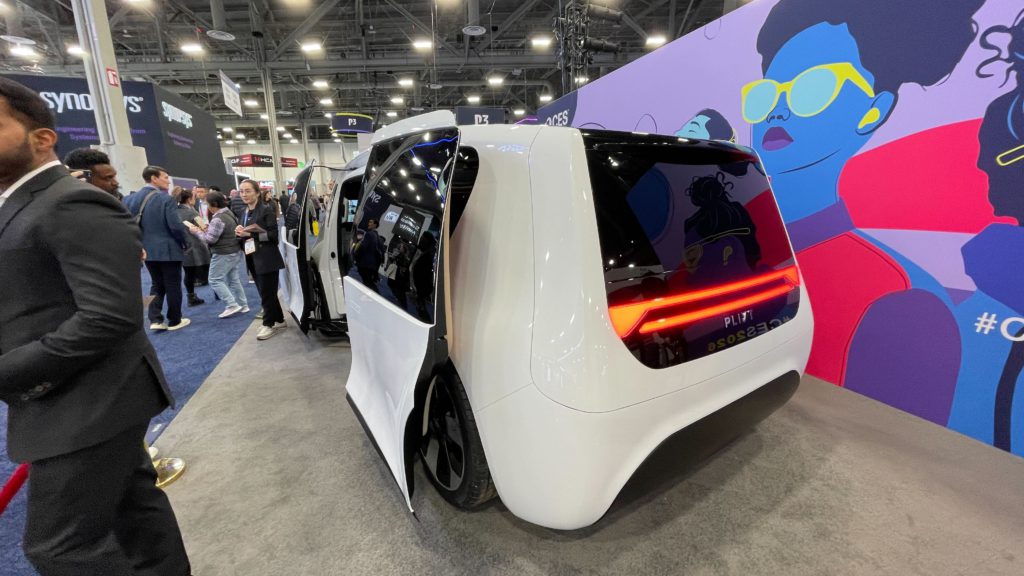
By 2028, San Francisco’s robotaxi landscape will likely support multiple services—but surviving as the discount option in autonomous transportation requires more than bold pricing claims. Pliyt’s success hinges on whether commuter-first optimization can deliver genuine cost advantages over battle-tested competitors with years of regulatory approval and operational experience.