Backpacking tests limits and rewards with views that make Instagram followers weep with envy. Choosing the right gear can make or break that experience. After countless hours of trail testing and gear comparisons—the kind that would bore even the most dedicated gearhead—this list cuts through the marketing BS. These picks aren’t about sponsorships or freebies; they’re about what performs when you’re 16 km (10 miles) from civilization and that phone’s as useful as a paperweight.
The selection process focused on what matters: weight (grams, baby), durability (ripstop nylon or GTFO), and comfort (because nobody wants to wake up feeling like they slept on a pile of rocks). These items stand out because they balance being ultralight with not feeling like you skimped on quality. Knowing what gear to take is the difference between an epic story and a survival horror one.
This content may contain affiliate links. If you wish to support us and use these links to buy something, we may earn a commission.
15. ArcDome Tent
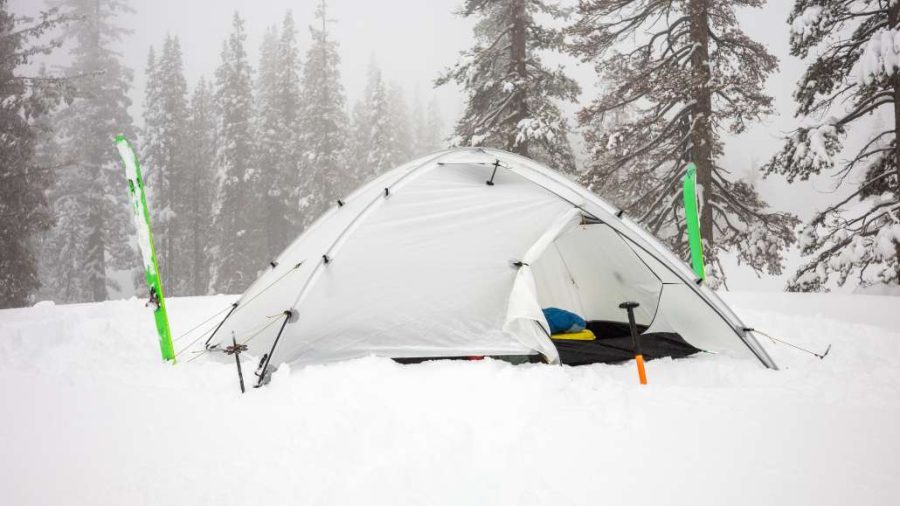
This tent makes you feel like Goldilocks found the perfect wilderness home.
Ever wondered how many burritos you could store in a tent? Okay, maybe not burritos, but the ArcDome Tent boasts all-around performance, especially when it comes to size. Imagine wrestling a bear into a sleeping bag—that’s what some tents feel like. This one, though, makes you feel like Goldilocks.
For those counting grams (because you’re that cool), the ArcDome nails the feature-rich, lightweight trifecta. It handles weather like a champ, offers durability and reliability you can count on, and doesn’t require a PhD in engineering to set up. Think of it as the mullet of tents: business in the front (weatherproof), party in the back (easy setup). It may not win on price alone, but for those real-world performance notes, it’s worth every penny.
14. Bogler TR Trowel
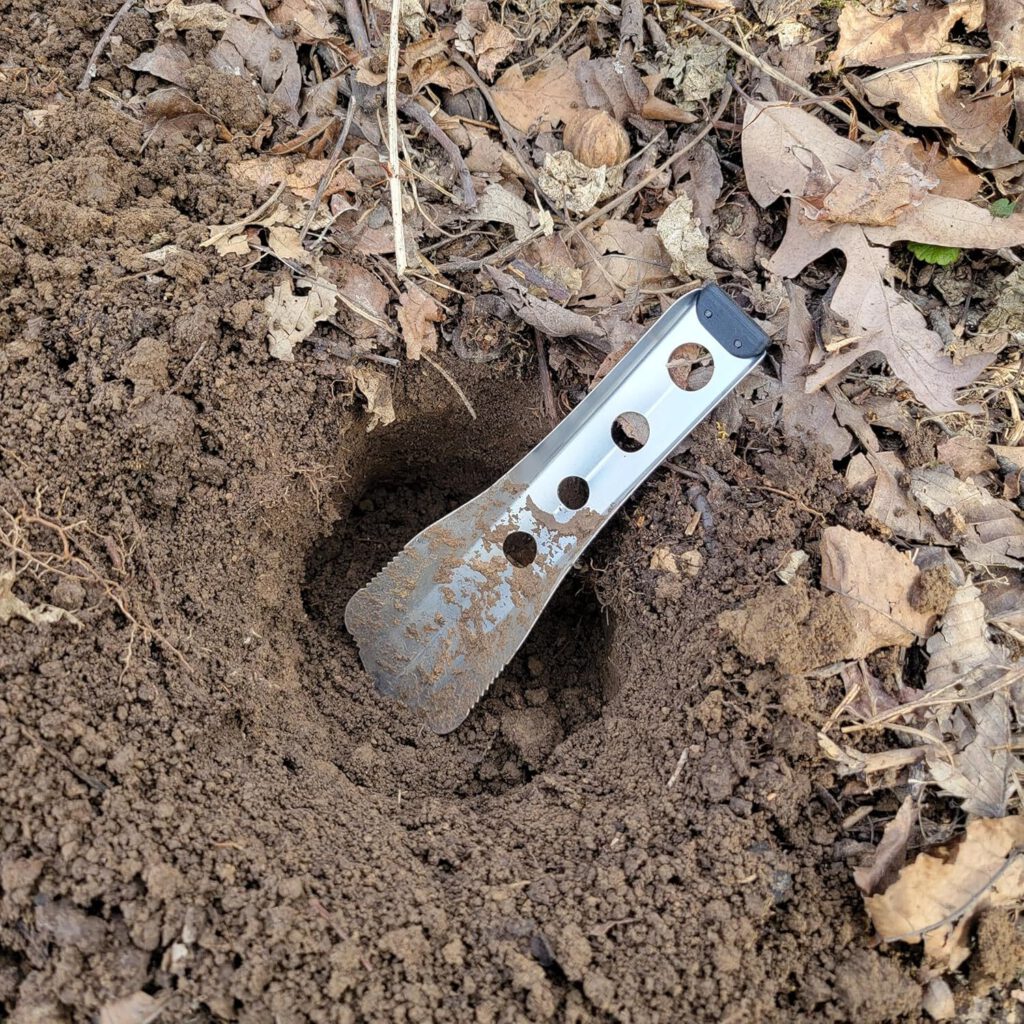
The serrated edge finally long enough to matter, slicing through tough roots like butter.
Before the Bogler TR Trowel, digging a cathole felt like trying to cut a steak with a spoon. The serrated edge changes the game, crafted from lightweight aluminum that redefines the cathole experience for backpackers—no more wrestling with dense soil.
Weighing next to nothing, the Bogler TR offers durability without the bulk. Backcountry relief is a necessity, not a luxury, and this tool actually makes it…dare I say, pleasant? Seriously, ditch the heavy, dull trowel and embrace a tool that works as hard as you hike.
13. Durston Kakwa 55 Ultra Grid Backpack
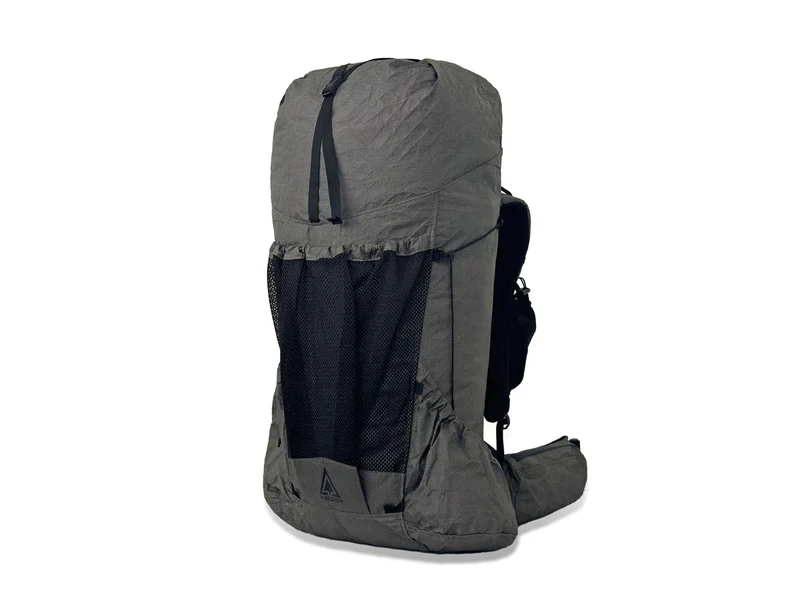
Weighing less than an armadillo but holding more than your college dorm room.
Gear nerds know the story: Backpack design peaked around the time Tutankhamun was rocking a leather sack. The Durston Kakwa 55 Ultra Grid is here to shake things up—mostly by weighing next to nothing while still holding a ton. Weighing less than an armadillo at a solid 2 lbs 3 oz (1 kg), it’s built for ultralight backpacking but doesn’t wimp out on capacity.
Think of schlepping a watermelon versus a yoga mat; same volume, wildly different experience. What sets it apart is that supportive hip belt, letting you haul heavy loads comfortably, a claim that holds up on long backpacking trips. Compared to the REI Flash 55, the Kakwa is all about stripping down to the bare essentials without sacrificing real-world performance. If you’re planning a thru-hike where every gram counts, this pack makes a damn compelling argument, but don’t expect it to fold your laundry, too.
12. Durston X-Dome 1 Plus Tent
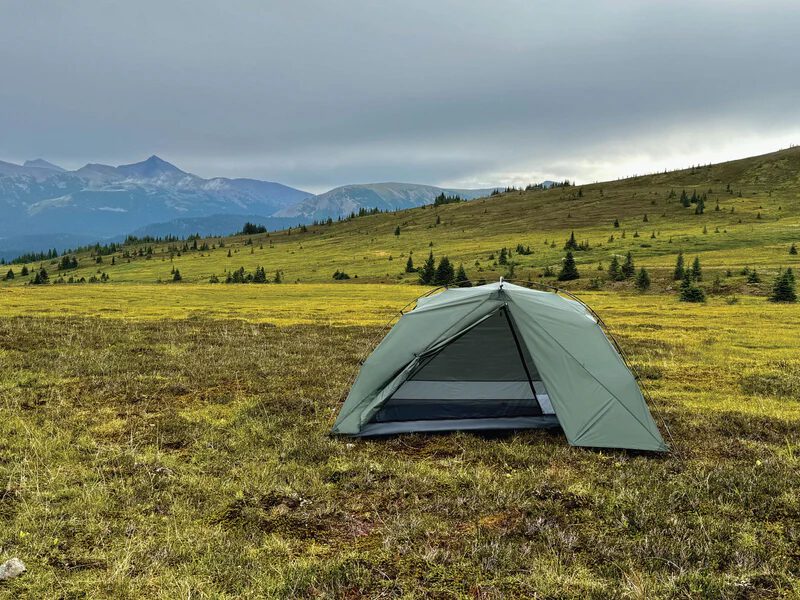
Cathedral-like space for one, without the condensation confessional.
Some say the biggest solo backpacking problem isn’t bears, but finding a tent that doesn’t feel like a nylon coffin. The Durston X-Dome 1 Plus Tent addresses this with a freestanding design, offering cathedral-like space for one. Seriously, at this weight, you expect to be cozying up with condensation, but the X-Dome laughs in the face of such misery.
For solo backpackers, the X-Dome 1 Plus is the value play, holding up beautifully in various weather conditions while weighing roughly 2 lbs. It’s like that friend who always brings good snacks and never complains, making your backcountry experience infinitely better. Forget needing perfectly flat ground or guy-out points; you can pitch this thing almost anywhere. Plus, it disproves the myth that solo tents equal solo suffering.
11. Durston X-Dome 2 Tent
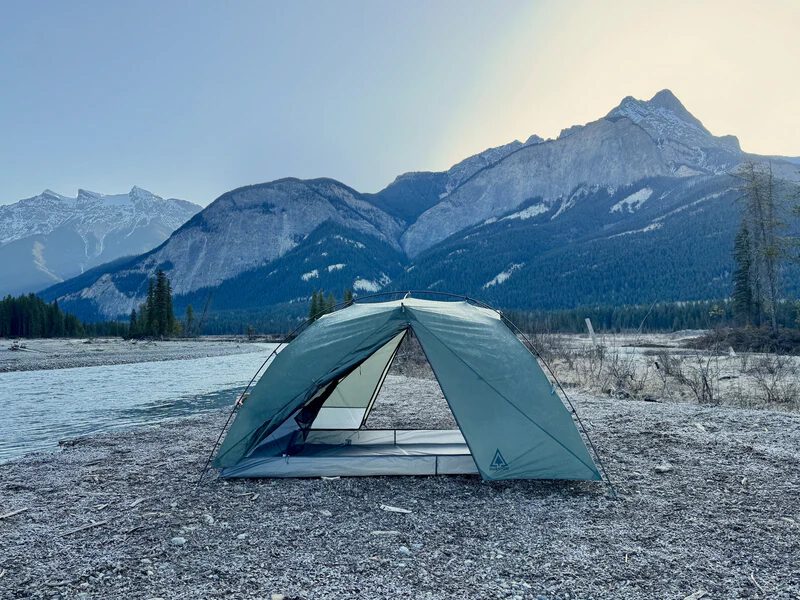
Two people plus gear without the clown car experience.
The Durston X-Dome 2 tent wins “all-around” for a reason: It’s like that overachieving friend who’s good at everything without being annoying. Its feature-rich design gives you the space you need without turning your backpacking trip into a construction project. Squeezing two people plus gear into a tent that doesn’t feel like a clown car—this tent nails it.
Real-world performance? You can trust it. Designed for durability and reliability through varied weather conditions, this tent is less “glamping” and more “crushing miles regardless of the weather.” If you’re caught in an unexpected downpour, you’ll be thanking your lucky stars (and Durston) for the peace of mind, knowing you didn’t skimp on the tent that keeps you dry. After all, nobody wants a leaky tent during a cozy night of stargazing.
10. Exped MegaMat Ultra Sleeping Pad
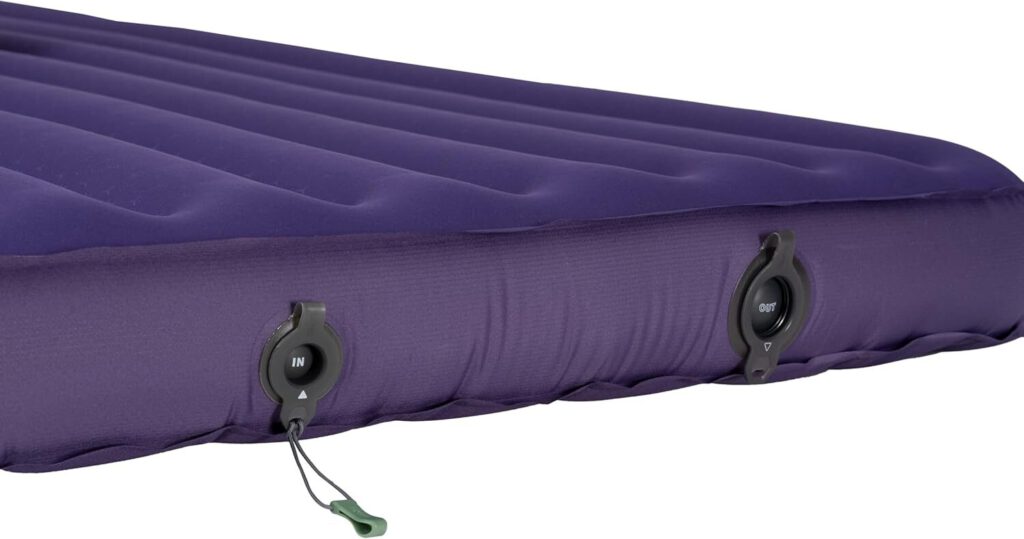
Like a memory foam mattress had a baby with a yoga mat—the supportive one.
Most pads turn sleeping under the stars into a game of “find the comfiest rock,” but not this one. The Exped MegaMat Ultra Sleeping Pad might just replace your mattress at home, thanks to its emphasis on thickness and supportive design. Think of it as a memory foam mattress had a baby with a yoga mat—you know, the supportive one.
If you’re a side sleeper tired of waking up feeling like you’ve wrestled a bear, this pad is calling your name. Its high comfort levels and user-centric design are like a warm hug after a long day on the trail. Anyone who’s ever tried to sleep on a deflated air mattress knows what this means. You’ll be so cozy, you’ll forget you’re not in your own bed.
9. Exped MegaPillow
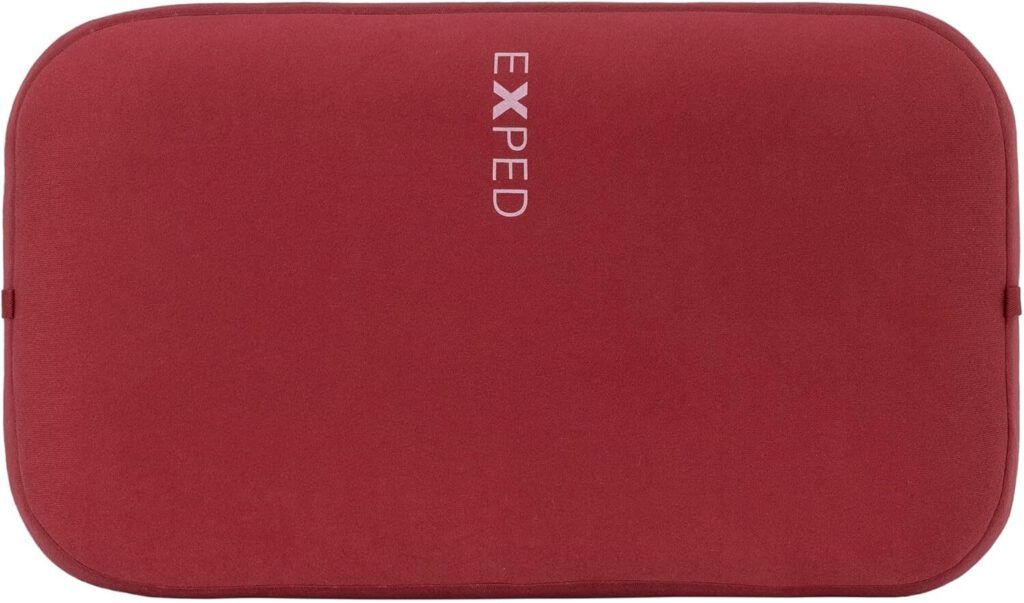
The Goldilocks of pillows: not too big, not too small, but just right.
Backpacking pillows: they’re not just for princesses these days. Exped’s MegaPillow prioritizes comfort, with emphasis on size and adjustability. Think of it as the Goldilocks of pillows: not too big, not too small, but just right.
Anyone who’s ever tried to sleep on a crumpled jacket knows the value of a good pillow. The MegaPillow aims for home-level comfort in the backcountry. It’s designed for user experience and real-world performance, making it worth the pack space. If struggling to get comfy while camping is your Everest, this pillow could be your sherpa.
8. Fire Maple Petrel Pot Cook System
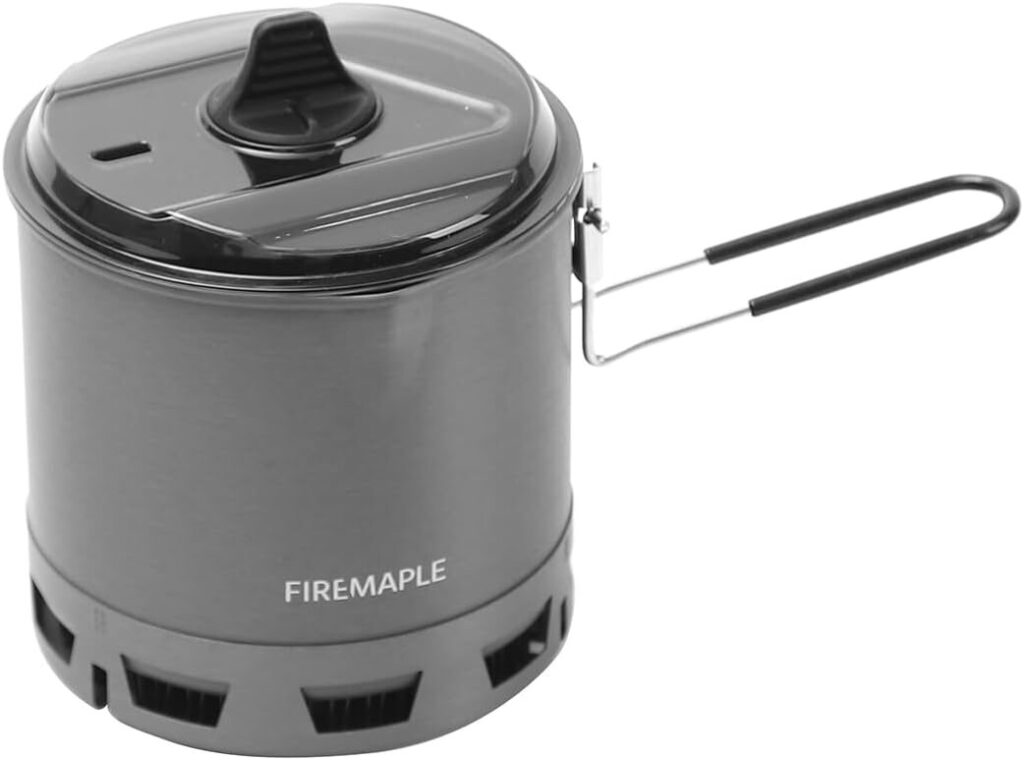
The Swiss Army knife of camp kitchens, proving one pot can rule them all.
Why pack three pots when one will do the job? The Fire Maple Petrel Pot Cook System snags the top spot for its sheer versatility, proving that one pot really can rule them all, kinda like the Swiss Army knife of camp kitchens. We’re talking about a design that balances capacity with lightweight practicality, so you’re not lugging around a ton of extra weight for a single pot.
You can whip up everything from a basic freeze-dried meal to a gourmet backcountry risotto. The value prop here? Versatile cooking that actually works in the backcountry without turning into a Hunger Games sequel. It’s like that one friend who always brings the right tool for the job, whether it’s a gourmet meal or just plain-Jane boiling, the Fire Maple Petrel Pot won’t leave you out in the cold.
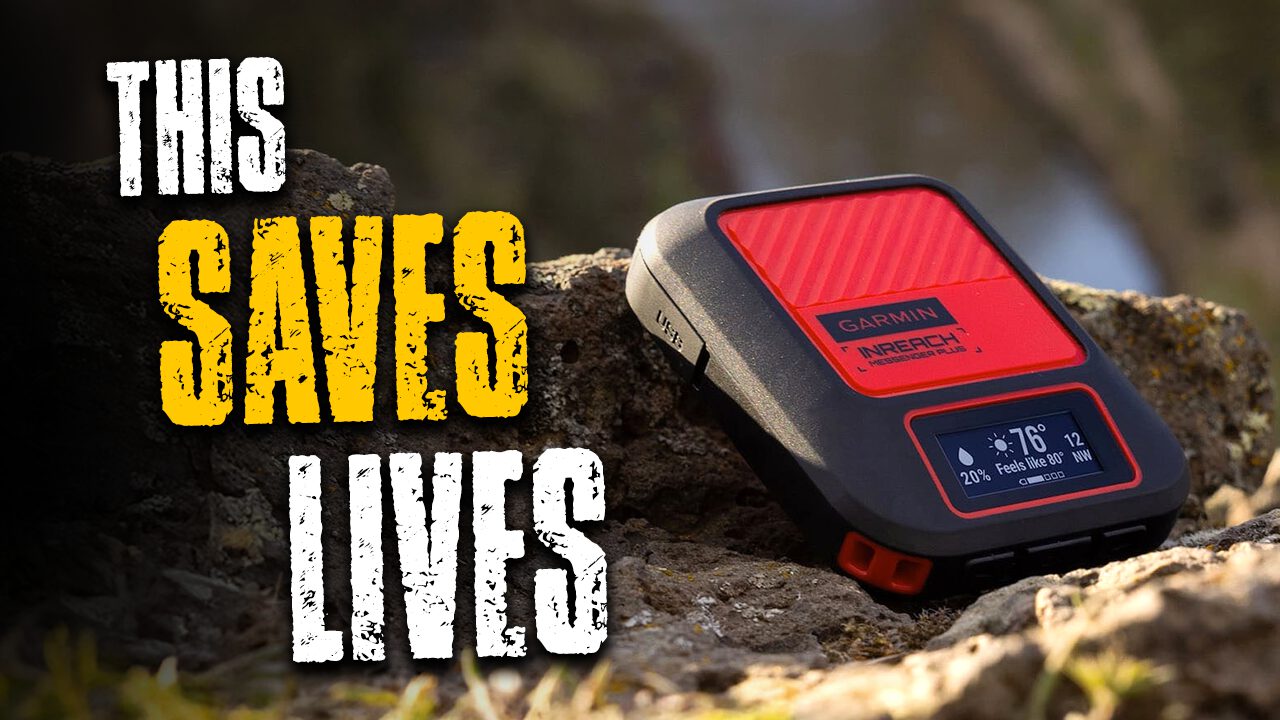
7. Garmin InReach Messenger Plus SOS Device
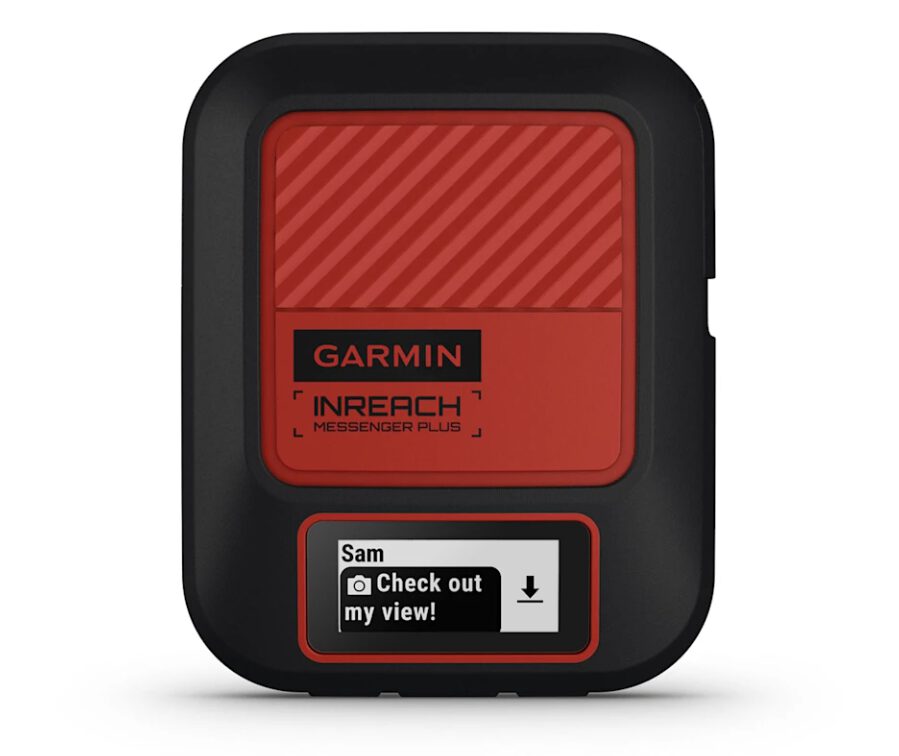
Your digital lifeline when cell service ghosts you in the wilderness.
For anyone who’s ever been ghosted by cell service, the InReach Messenger Plus is your digital lifeline. Think of it as the Swiss Army knife of communication, but instead of a tiny saw, it’s got global satellite coverage. It delivers reliable performance, especially when you’re testing the limits of its communication range, because you decided to hike across the Mojave.
It provides more than just talk; it offers SOS capabilities. Users love the peace of mind it provides in emergency situations. Real-world performance notes include a better user experience compared to earlier models. Anyone stranded in the middle of nowhere will find its value proposition for safety is like finding an oasis, which is why it gets the pick for “Best SOS Device.”
6. Helinox Flexlite Air Chair
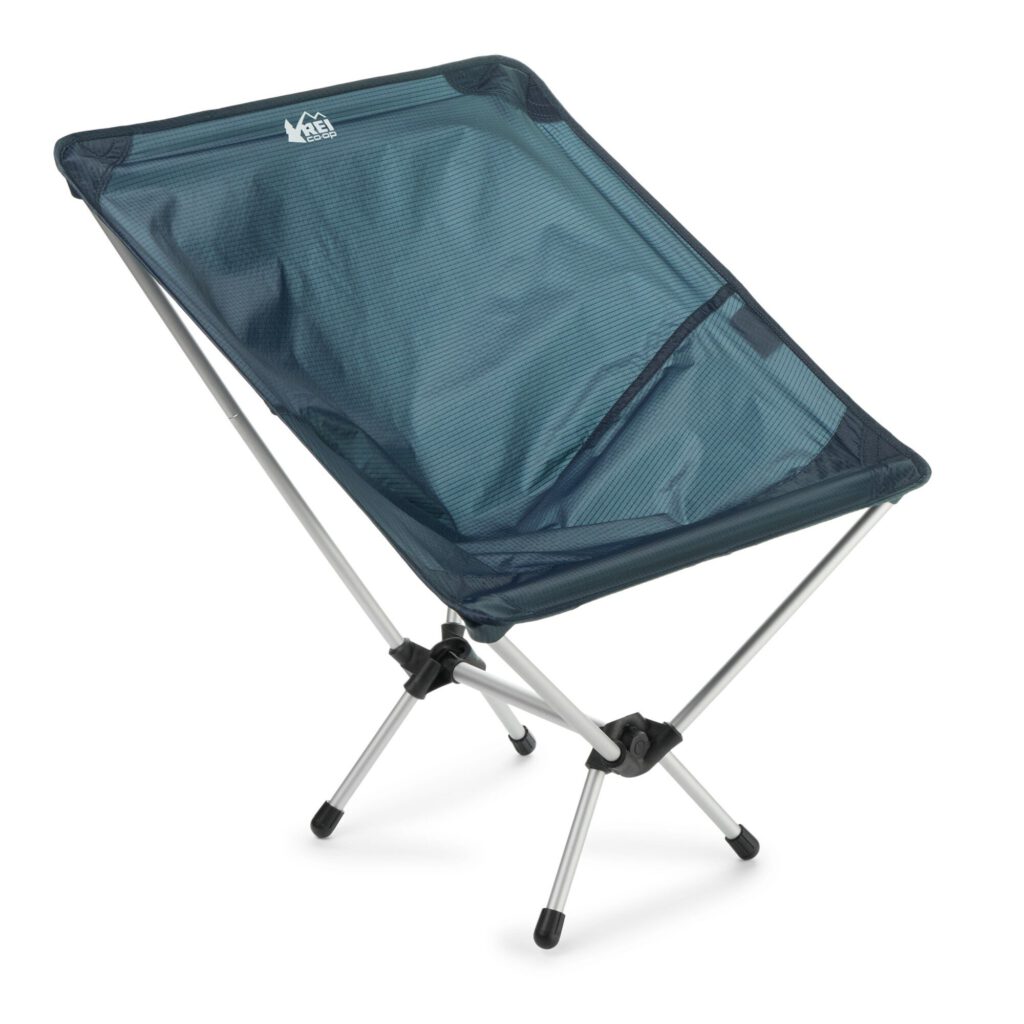
The Mary Poppins bag of backpacking chairs—barely there until you need it.
Some chairs are comfy, but hauling them feels like packing an extra person. The Helinox Flexlite Air solves this with a design so lightweight and compact, you’ll barely notice it in your pack. Think of it as the Mary Poppins bag of backpacking chairs.
If you’re hitting the trail for days, every ounce matters. This chair doesn’t just promise comfort; it delivers an actual place to rest your weary ass at the end of a long day. With field tests showing zero back pain, despite folding smaller than your ex’s promises, the Flexlite Air proves you can have it all.
5. Lems Shoes
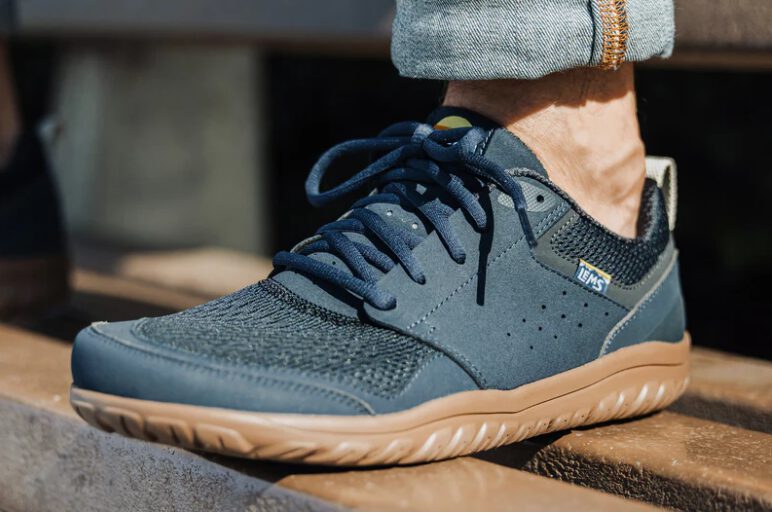
Happy feet equal a happy camper, and these deliver both.
Ever wonder if your feet hate you? These shoes caught attention not just because “Lems” sounds like something you cough up. Testers are claiming they feel no foot pain on extended hikes, a small miracle for those of us who treat blisters as just another trail snack.
These aren’t your grandpa’s hiking boots; they’re designed for comfort on long hauls. User experience translates to fewer whines and more “wow” moments, especially when you’re navigating scree fields, or trying to outrun that mountain goat. They deliver real-world performance with a value proposition that screams foot health—and let’s be real, happy feet equal a happy camper.
4. NU20 Classic Headlamp
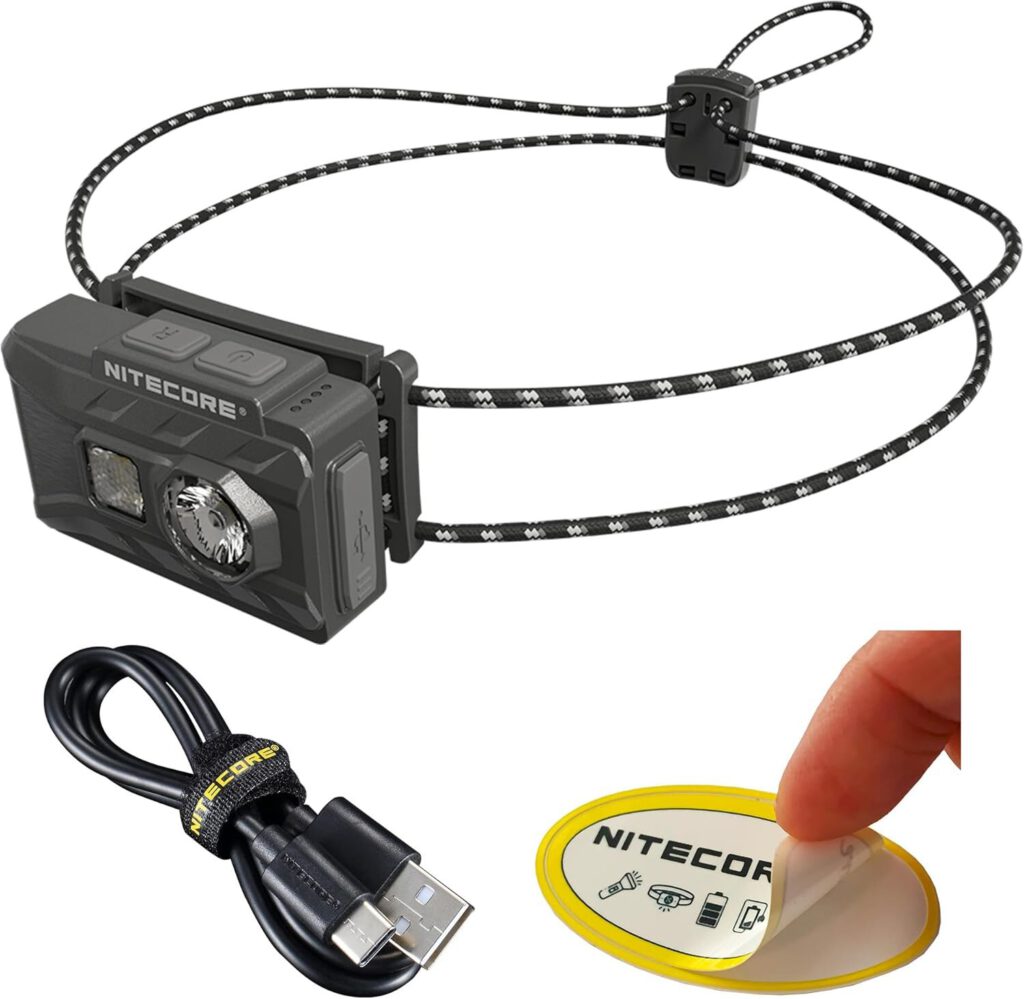
Reliable brightness in a package that barely registers on your pack weight.
Nighttime visibility isn’t a luxury—it’s a necessity. The NU20 Classic headlamp earned its “Best Of” nod by prioritizing reliable performance and brightness in a package that barely registers on your pack weight.
Think of stumbling around a dark campsite like trying to assemble IKEA furniture without the instructions. It’s frustrating and potentially dangerous. With the NU20, you get enough light to navigate, set up your tent, or locate that rogue marshmallow that rolled under the picnic table. The dark was previously an issue, but no longer with reliable brightness. It’s tech so good it feels like cheating, and so affordable it’s practically stealing.
3. Platypus QuickDraw Filter
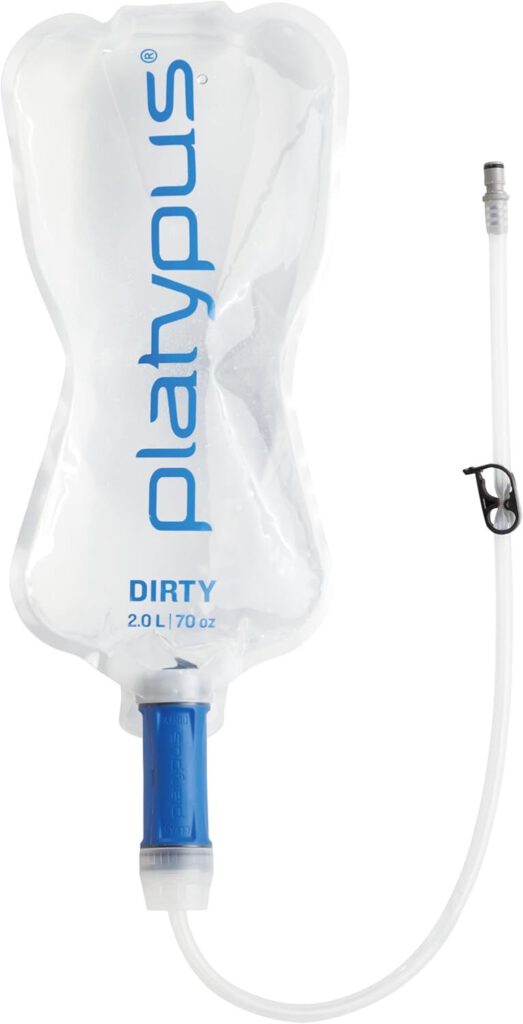
Clean water without the drama—because running out of memes is bad enough.
The Platypus QuickDraw is the “most reliable” filter for one reason: it doesn’t clog when you need it most. Think of it as the A/C in a Texas summer; you need it to perform, period.
The QuickDraw’s user experience aims for filtering water in the backcountry to be hassle-free. This filter’s real-world performance focuses on keeping you hydrated and healthy, so you’re not stuck rationing hydration tablets. It’s all about the value proposition: clean water without the drama, because the only thing worse than running out of memes is running out of drinkable water. Now, doesn’t that make you feel a little more prepared?
2. REI Flash 55 Backpack
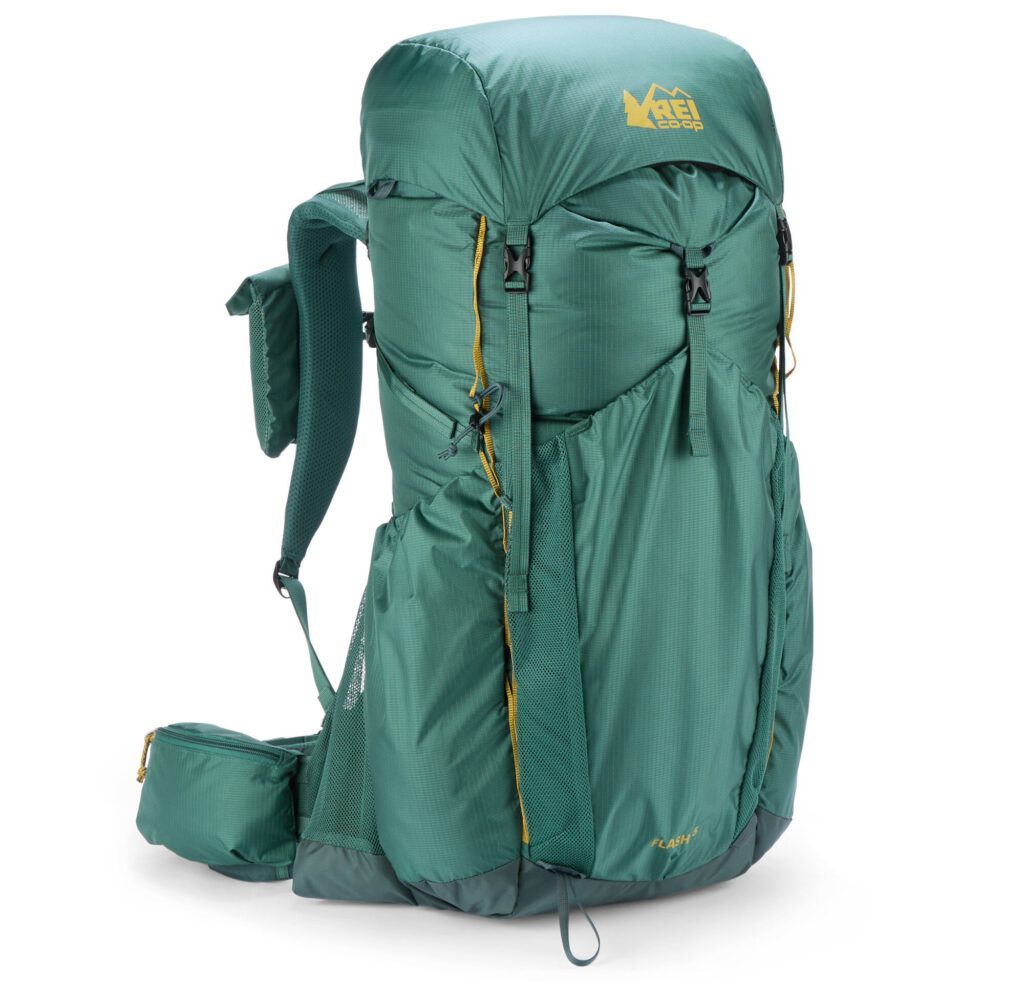
The Swiss Army knife of backpacks—ready for anything, won’t judge your overpacking.
The Flash 55 is like that friend who always brings snacks: reliable, prepared, but maybe a little extra. Coming in at 1300g (around 2.9 lbs), REI’s offering is feature-rich, prioritizing capacity without skimping on comfort during backpacking trips.
Unlike some of its ultralight brethren, like the Durston Kakwa 55, this pack is like the Swiss Army knife of backpacks: ready for anything. User reviews rave about its real-world performance, hauling everything from cameras to climbing gear. It’s like having a Mary Poppins bag, but for the backcountry—and it won’t judge you for overpacking.
1. Zenbivy UL Bed Sleep System
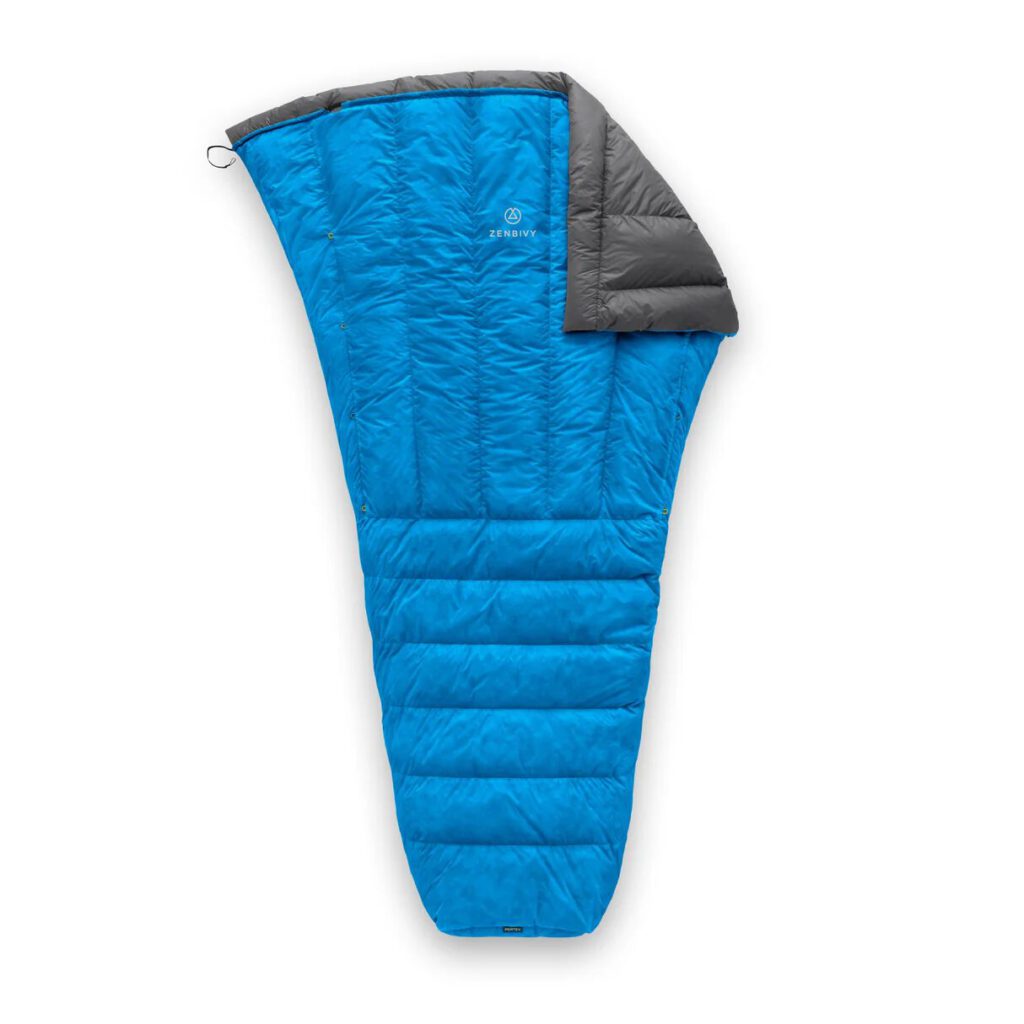
Business where it matters, party where it counts—the backcountry mullet of sleep systems.
“Revolutionizing backpacker sleep” isn’t just marketing fluff—it’s the promise behind the Zenbivy UL Bed. You can kiss those nights of wrestling with mummy bags goodbye because this sleep system’s innovative design gives you room to stretch without sacrificing warmth. Think cowboy camping under the stars, but instead of waking up cocooned in condensation, you’re just chilling in your personal cloud of comfort.
Think of it like a backcountry mullet: business (warmth) where it matters, party (freedom) where it counts. The real value? Ultralight comfort that doesn’t quit, no matter what climate you’re braving. So, if you’re the type who likes a side of luxury with your wilderness, Zenbivy might just be your trail soulmate.