Buying a used car can feel like gambling, especially if you’re eyeing rides from the early 2000s. Some models were about as reliable as a toddler with a permanent marker, turning driveways into garages of doom. We’ve scoured forums, sifted through recall data, and watched enough YouTube teardowns to know which vehicles aged worse than milk left in the sun. Consider this your automotive equivalent of steering clear of lemons, jalopies, and outright catastrophes on wheels.
9. Nissan Rogue (Exterior)
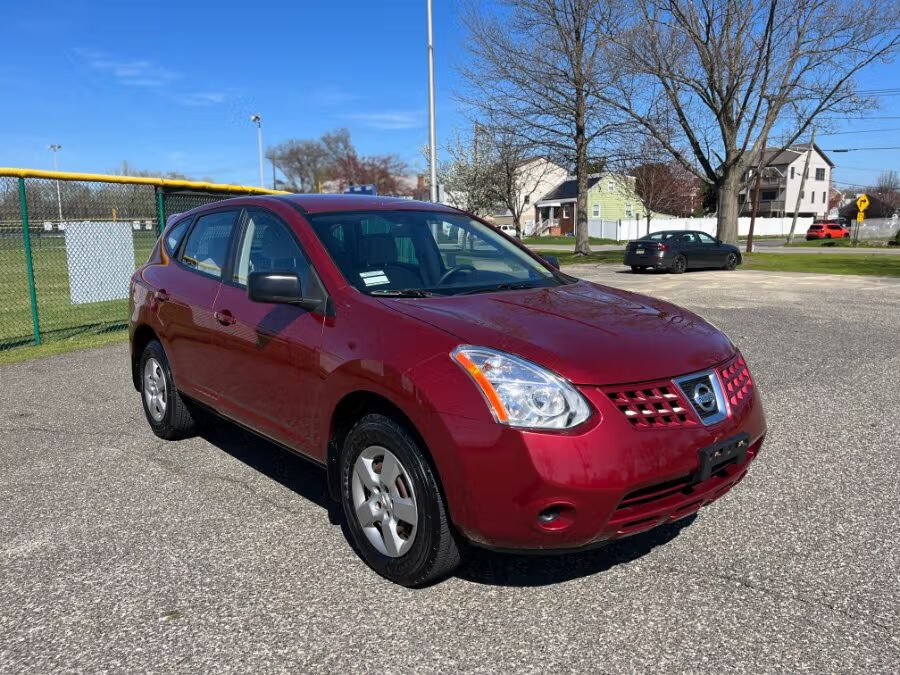
CVT transmission failures that’ll make your wallet weep before 20,000 miles.
The Nissan Rogue‘s CVT (Continuously Variable Transmission) became infamous for failures even before hitting 20,000 miles. CVTs can boost fuel efficiency, but the Rogue’s track record suggests reliability took a back seat. One minute you’re cruising to work, the next your car starts shuddering like it’s auditioning for a horror movie, then overheats and strands you faster than you can say “roadside assistance.”
Nissan Rogue (Interior)
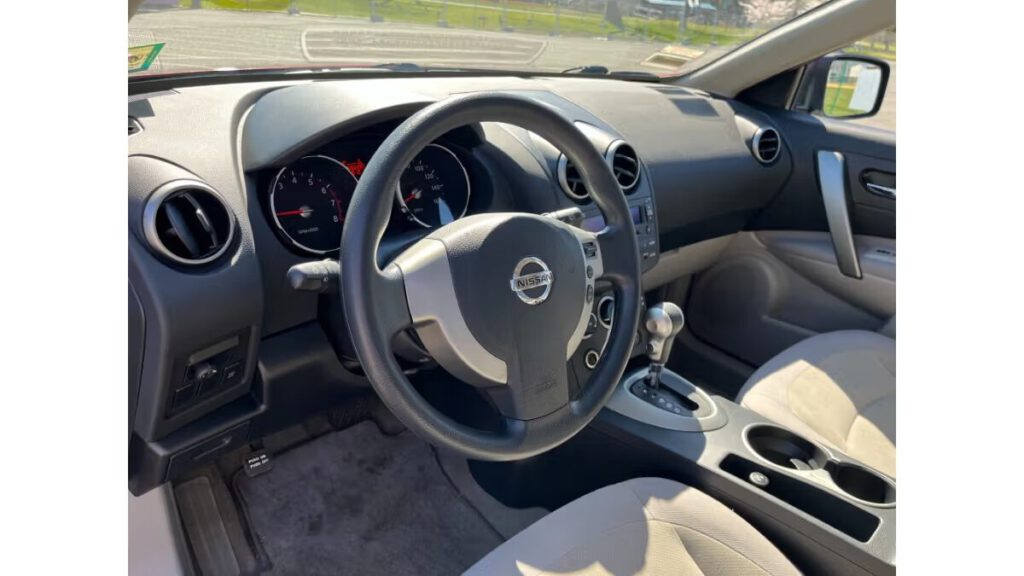
While a pre-owned Rogue might seem like a steal, consider it a cautionary tale best left untold. It’s like choosing between a gourmet meal that might give you food poisoning and a plain burger that’s always safe—sometimes, predictable is better than risky.
8. Volkswagen Touareg (Exterior)
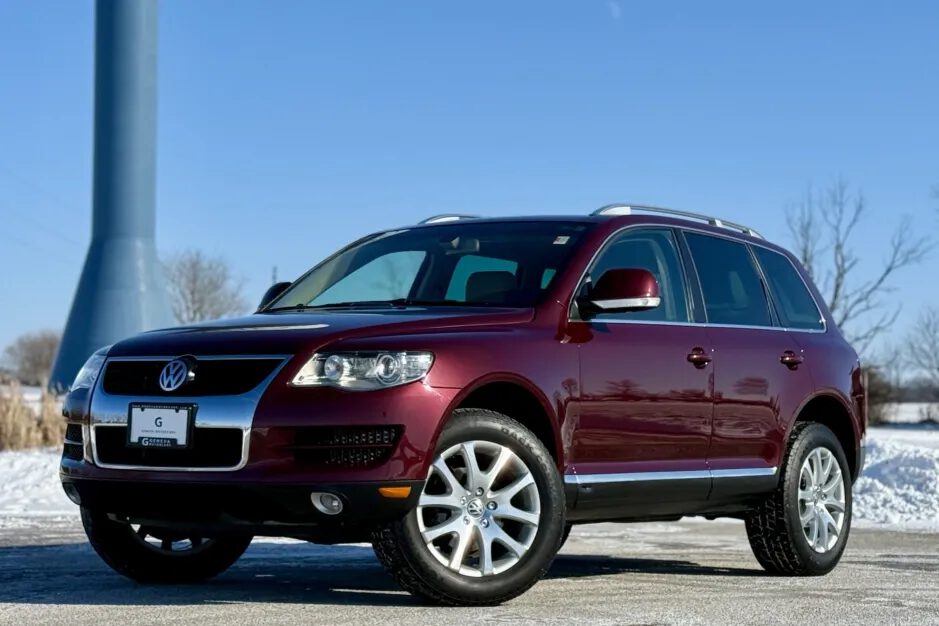
Air suspension nightmares and timing chain issues that’ll teach you German curse words.
The Touareg’s air suspension craps out more often than a cheap printer, turning scenic drives into costly detours. The 3.2L V6 engine might as well be powered by hopes and prayers given its timing chain issues. If that isn’t enough, the 4.2L V8 could start leaking coolant faster than you can say “warranty void.”
Volkswagen Touareg (Interior)
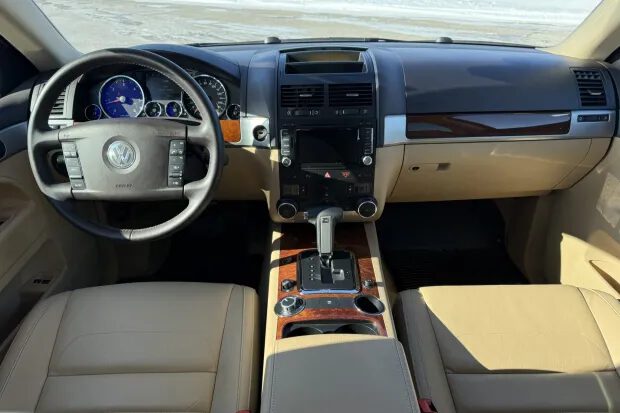
Electrical gremlins pop up regularly, so hope you speak fluent diagnostic codes. Anyone who’s owned luxury knows maintenance costs more, but the Touareg takes it to extremes. You’re paying for VW prestige but getting bills that would make a Porsche owner sweat.
7. Chrysler Sebring (Exterior)
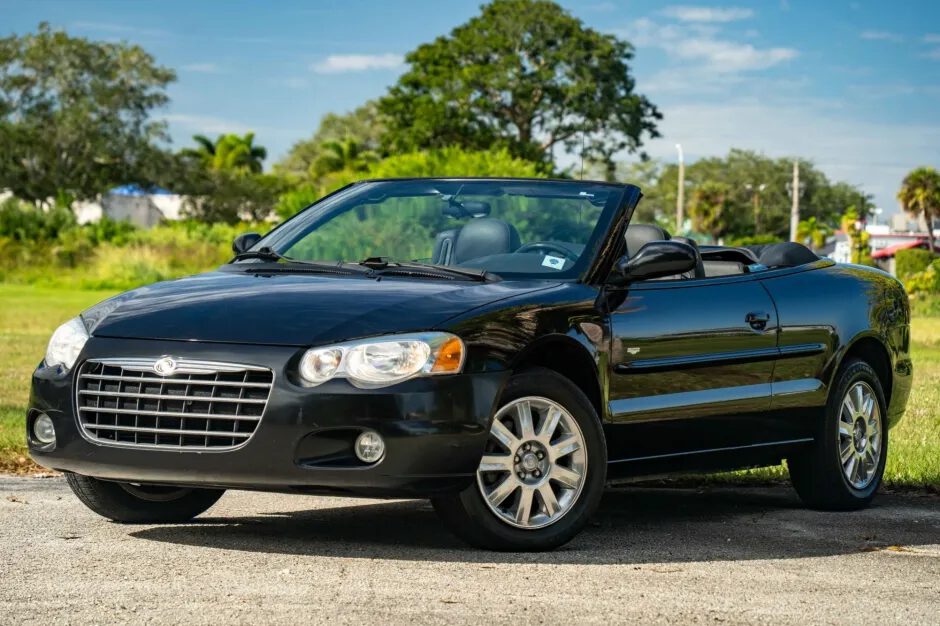
The 2.7L V6 that turns engine oil into thick, expensive sludge.
Ever wondered why your engine sounds like a disgruntled coffee grinder? The Chrysler Sebring’s 2.7L V6 was notorious for sludge buildup—the automotive equivalent of clogged arteries. Regular maintenance might keep that V6 purring, but skipping oil changes turns hot oil into thick, black sludge.
Chrysler Sebring (Interior)
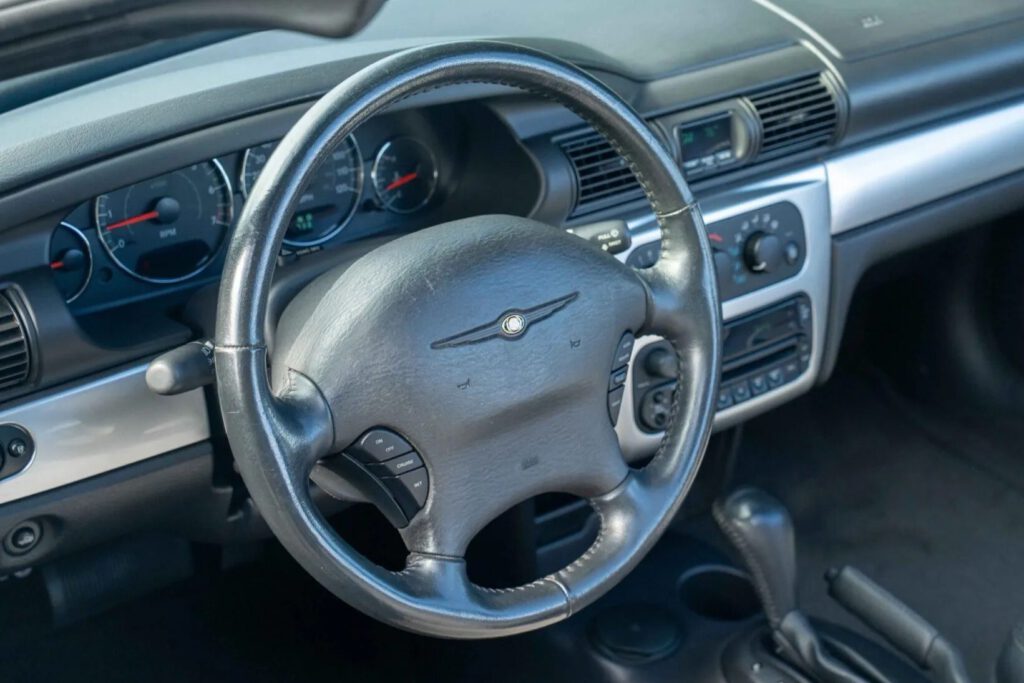
Next thing you know, it’s more dashboard lights than a Christmas tree, and your mechanic is quoting repair costs higher than your rent. Think of engine oil as your car’s lifeblood—neglect it, and that Sebring becomes an expensive driveway decoration.
6. Pontiac Aztec (Exterior)
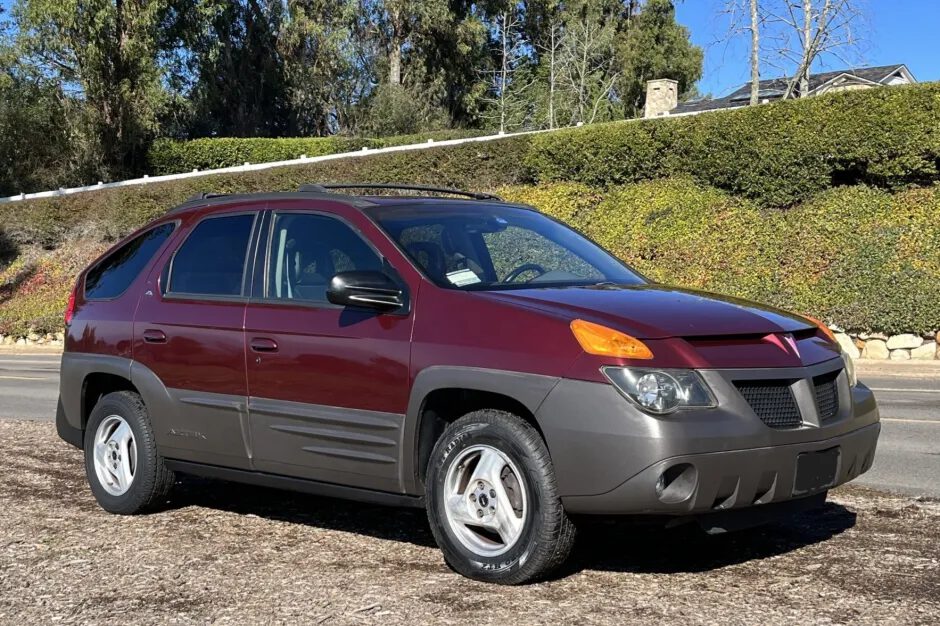
Design flaws met reliability nightmares in automotive history’s most awkward moment.
GM envisioned the Aztec as a versatile, sporty vehicle for active lifestyles. Somewhere between the drawing board and assembly line, things went sideways like a toddler learning to ice skate. Beyond the questionable looks, overheating issues and head gasket failures plagued owners regularly.
Pontiac Aztec (Interior)
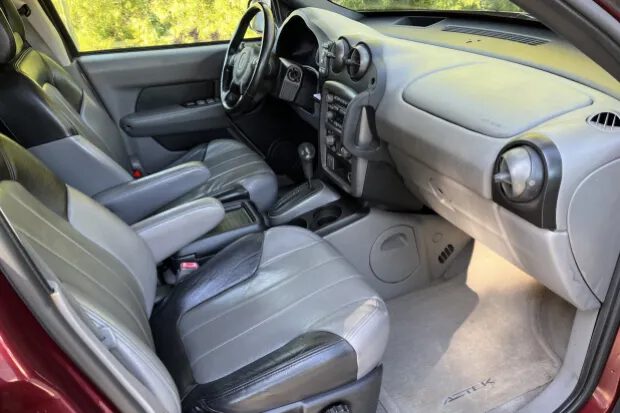
One minute you’re planning a weekend camping trip; the next, you’re stranded roadside, wondering if you should have leased a burro instead. Design-wise, it’s a look that only its mother could love—and even she probably had doubts.
5. Dodge Neon (Exterior)
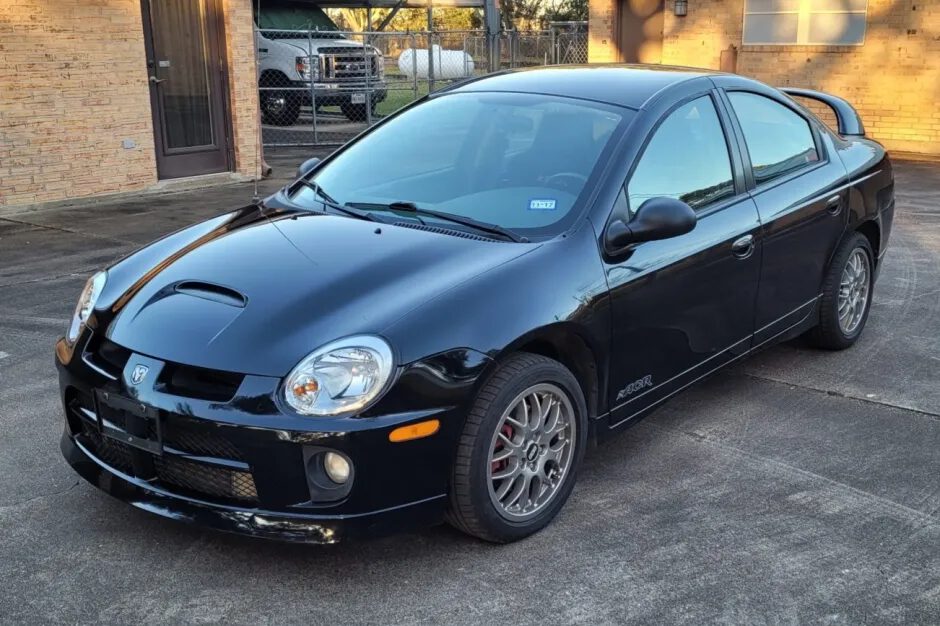
Head gasket failures that turn budget rides into mechanic specials.
Head gasket issues plagued many Dodge Neon owners, turning would-be reliable transportation into expensive lessons. The Neon’s engine block and cylinder head had thermal expansion mismatches, leading to inevitable gasket failure. It’s like using a cheap rubber band to hold together a perfectly good sandwich—eventually, things fall apart.
Dodge Neon (Interior)
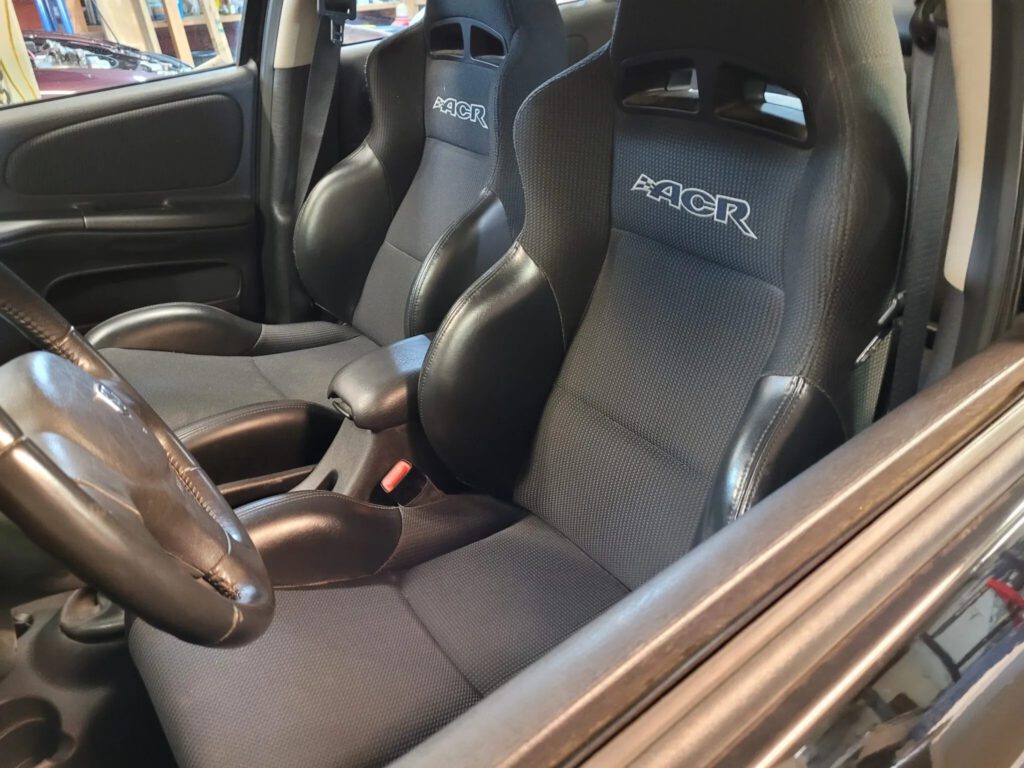
Cruising with windows down one minute, watching your temperature gauge spike higher than festival crowds the next. In the long run, owning a Neon with this ticking time bomb meant funding your local mechanic’s next vacation rather than your own.
4. Cadillac DeVille (Exterior)
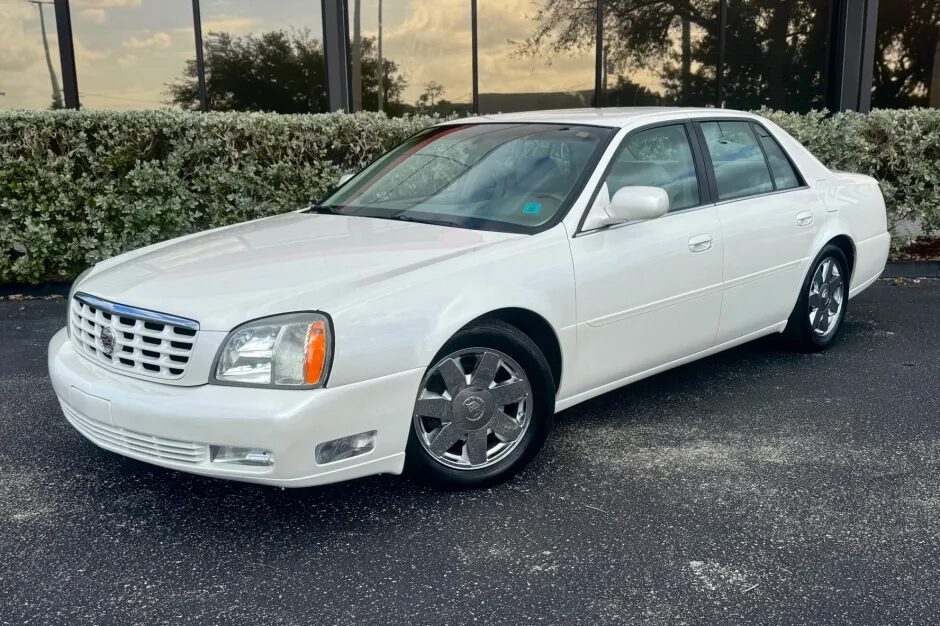
Northstar V8 head gasket failures that make luxury feel like punishment.
Cadillac’s DeVille, specifically 2000-2005 models with the Northstar V8, became notorious for head gasket failures. One minute you’re cruising like a boss, the next your engine overheats and your wallet weeps. The earlier Northstar V8s were solid, but these later models? Not so much.
Cadillac DeVille (Interior)
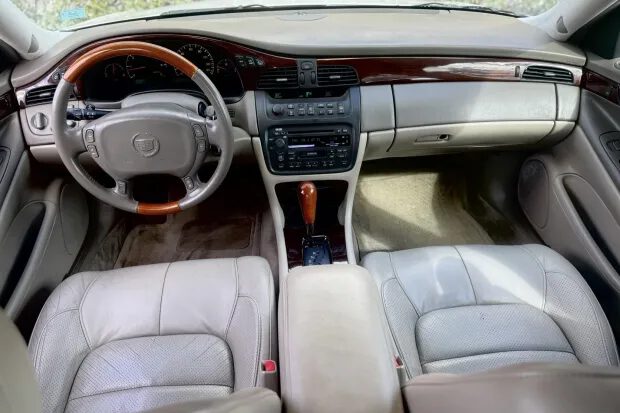
Head gasket issues led to coolant leaks, overheating, and repair bills that question your life choices. If you’re eyeing a 2000-2005 DeVille, check for white exhaust smoke or milky residue under the oil cap—unless you enjoy automotive drama more than reality TV.
3. Hummer H2 (Exterior)
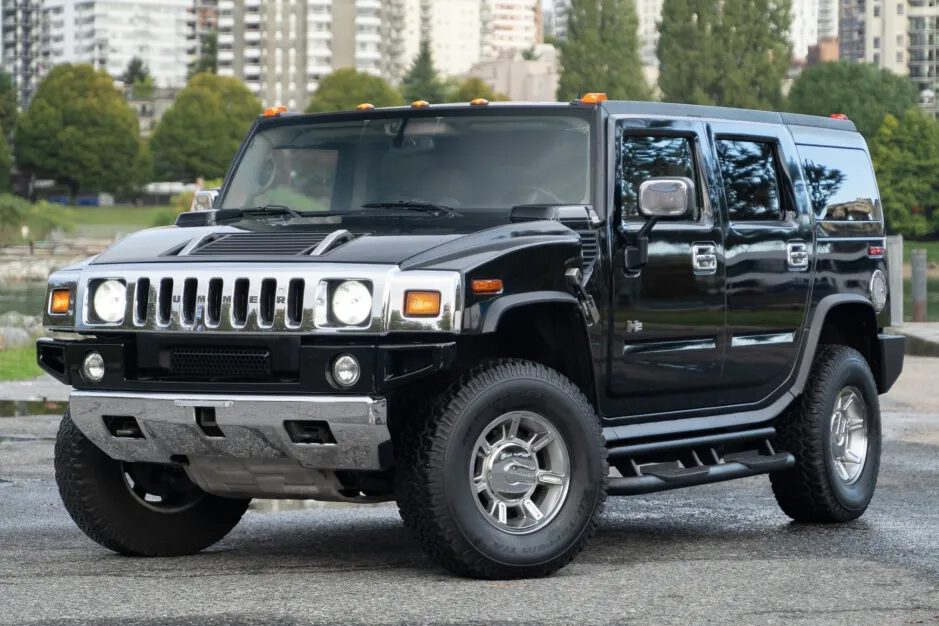
Two-and-a-half tons of throttle, steering, and brake problems wrapped in military cosplay.
Few vehicles scream “I have arrived” quite like the Hummer H2, but early years delivered bumpy rides. Wrestling a two-and-a-half-ton beast through city streets while throttle, steering, and brakes fight you every inch makes piloting feel like controlling a cruise ship with go-kart steering.
Hummer H2 (Interior)
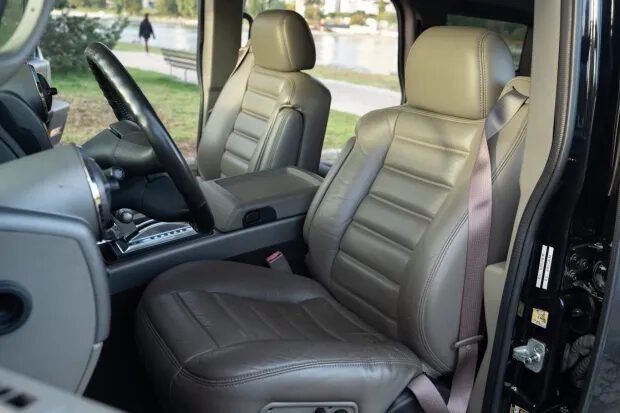
The 2003-2008 models had more quirks than indie films: unresponsive steering, brake issues requiring prayer, and throttles that hesitated more than teenagers on first dates. Filling up feels like funding small nations’ oil reserves, making your wallet and nerves the first casualties.
2. Dodge Neon SRT4 (Exterior)
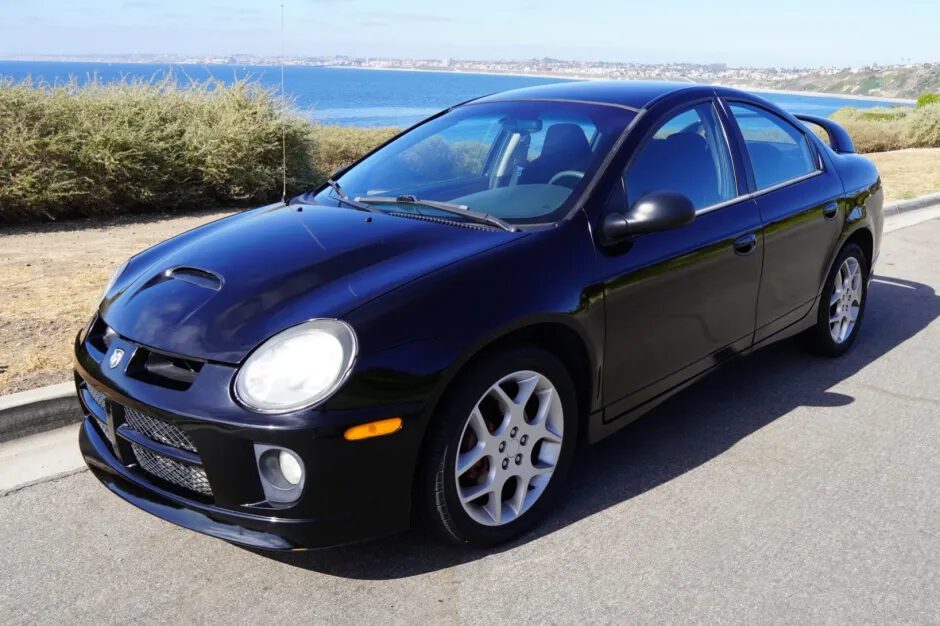
Performance potential sabotaged by timing belt and clutch reliability issues.
Timing belt and clutch failures haunt the SRT4, making it about as reliable as dates who “forget” their wallets. The SRT4’s turbocharged engine pushed performance boundaries, but performance modifications often pushed stock clutches beyond breaking points too.
Dodge Neon SRT4 (Interior)
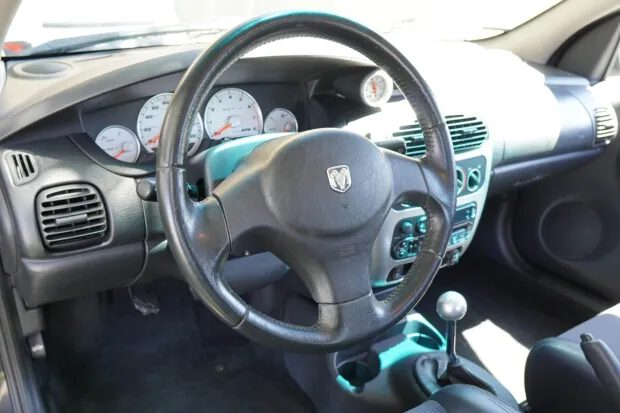
Anyone who’s replaced clutches on these will tell you aftermarket upgrades became necessities, not choices. At least you’ll get good at roadside repairs—or maybe just invest in premium AAA membership instead.
1. Ford Focus (Exterior)
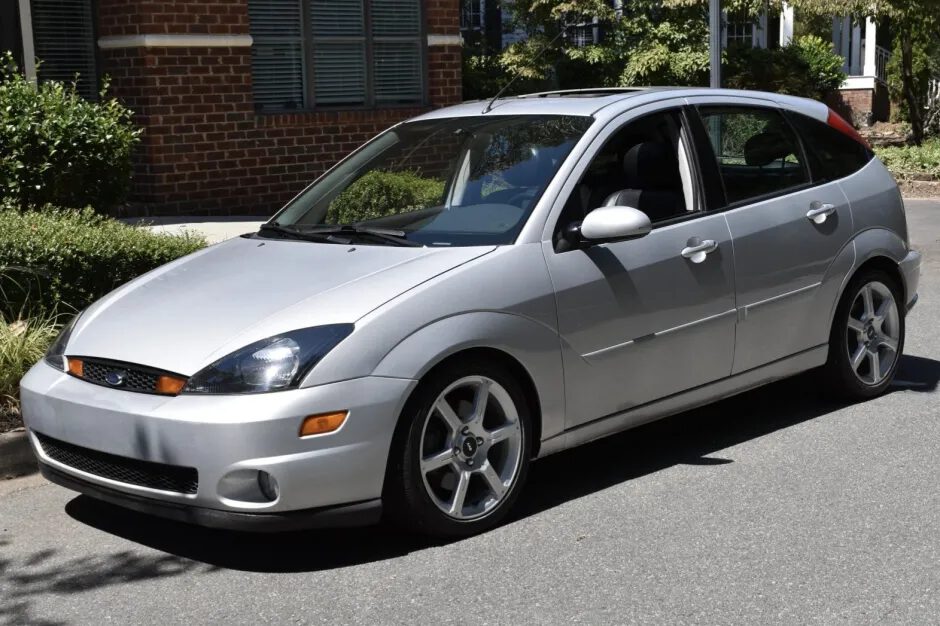
Euro-inspired practicality undermined by ignition, steering, and fuel gremlins.
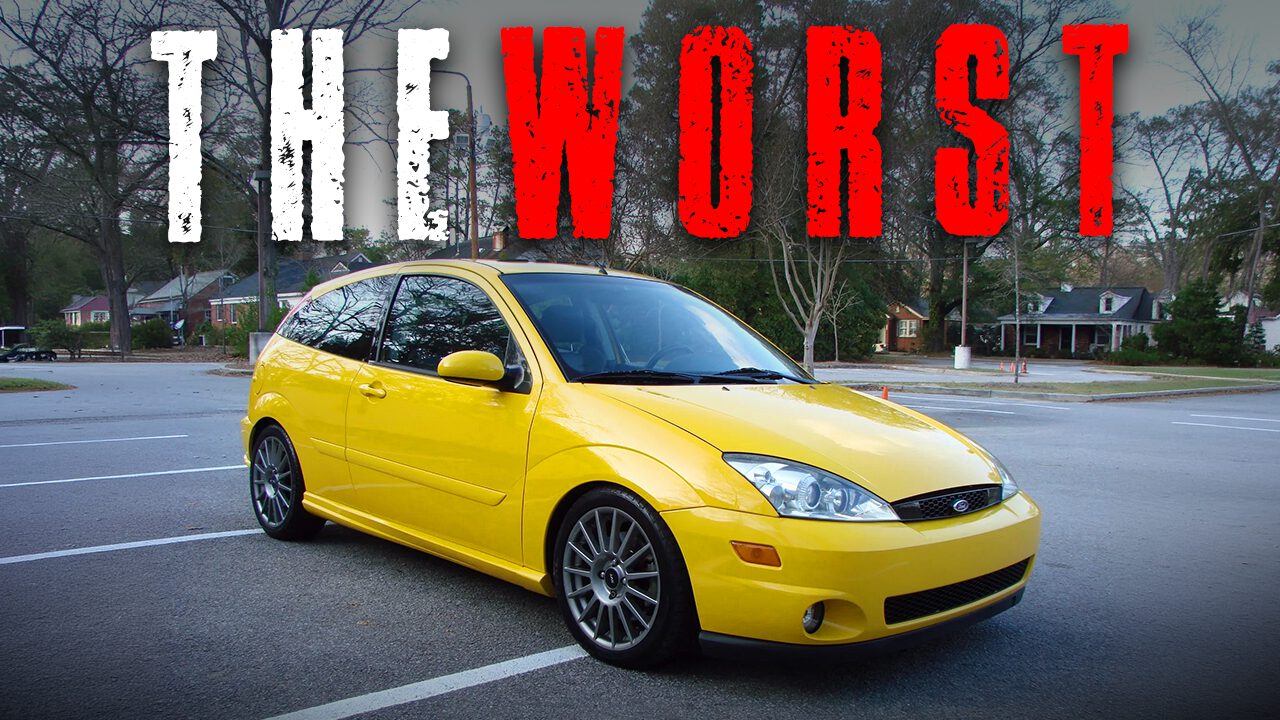
Early Ford Focus models aimed to blend practicality with European flair, landing like budget-friendly alternatives. For many owners, it felt more like navigating minefields. From 2000-2007, ignition, steering, and fuel problems cropped up regularly, turning routine commutes into roadside dramas.
Ford Focus (Interior)
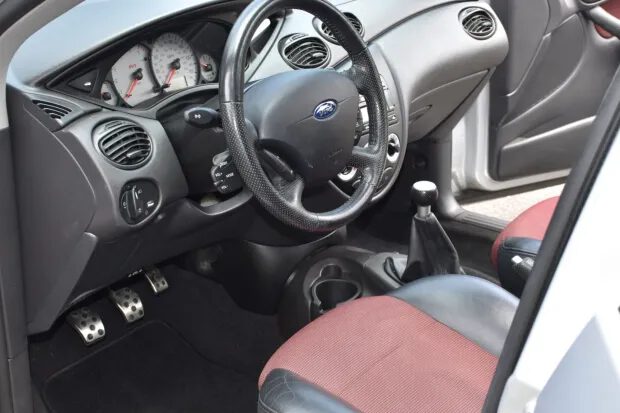
Fumbling with keys only to hear pathetic clicks instead of revs kills any driving vibe instantly. The Focus became a symbol of good intentions gone sideways—stylish but temperamental, like dating musicians who look great but show up late.