Electric scooters solve different problems for different riders, especially in cities. Some people need lightweight portability for train commutes. Others want a range that eliminates car trips. Some riders face steep hills that budget motors can’t handle.
The market pushes you toward extremes. Ultra-budget models that sacrifice quality and performance models that weigh 80 pounds and cost $2,000. Most riders don’t actually need the extremes. They need a well-balanced scooter that handles their specific situation without compromise.
Picking the right scooter starts with an honest assessment. How far do you actually ride? Do you carry it upstairs? What’s your budget? The answers determine which trade-offs matter and which ones don’t.
Best Balanced Scooter for Real-World Commuting: GoTrax G4 Pro
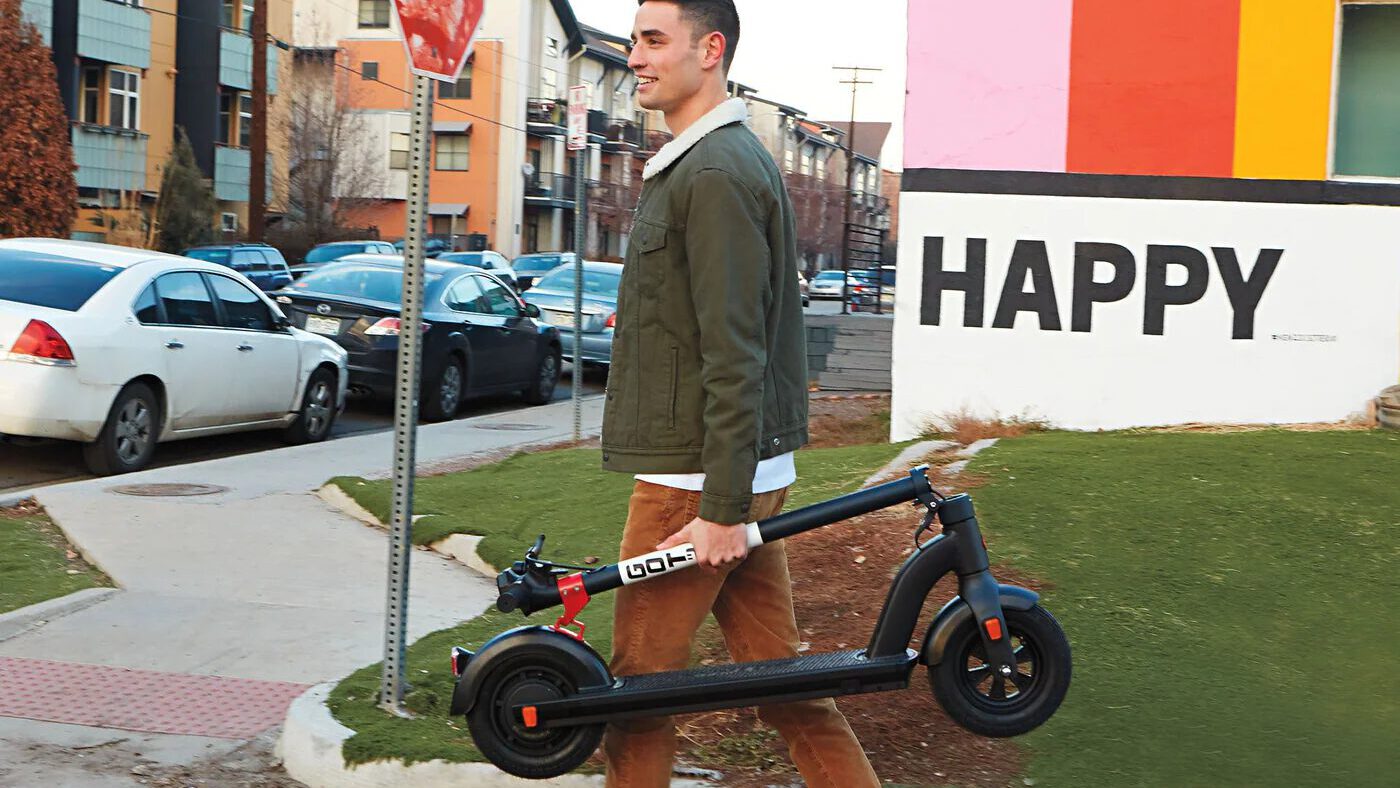
Most commuter scooters either cost too much or cut too many corners. The GoTrax G4 Pro manages to avoid both problems. It tops out at 20 mph and delivers up to 25 miles of claimed range, which covers most work commutes without breaking the bank. Real-world testing shows closer to 14-16 miles depending on conditions and rider weight, but that’s still enough for the average commute without cutting it too close.
Folding frames make storage practical, so you don’t have to agonize over where to tuck the scooter away when you’re done. And when you’re out riding, the pneumatic tires help smooth out rough city streets without adding the extra weight and complexity of a full suspension system. Other “city-worthy” scooters typically run much more expensive, but the G4 Pro manages to be actually affordable while still being genuinely effective.
Instead of trying to be everything, this scooter focuses on the fundamentals that matter for getting to work and back. That means it does those things well instead of spreading itself thin trying to excel at features most commuters don’t actually use. The G4 Pro works for riders who need reliable daily transportation more than they need bragging rights about specs.
Upgrade Pick for Riders Who Commute Every Day: Segway Ninebot Max G2
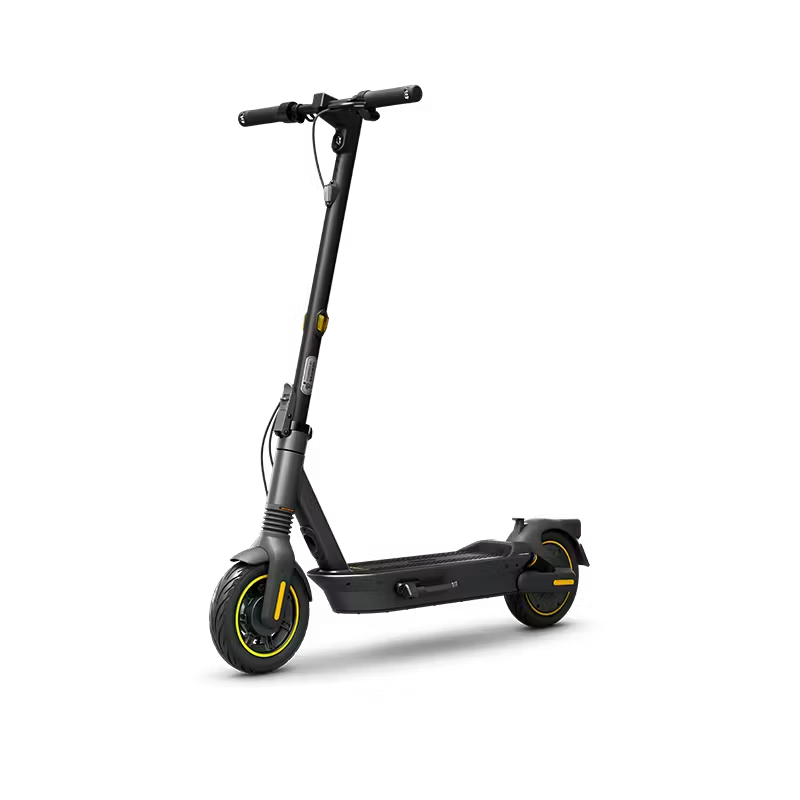
Ride 10 miles a day, five days a week, and every bump adds up by Friday afternoon. The Ninebot Max G2 solves that problem directly. Dual suspension with a front hydraulic damper and rear spring system makes a real difference when you’re putting in serious miles. Traction control helps when wet streets turn sketchy, and the 22 mph top speed keeps you competitive with city traffic without feeling out of control.
At 53.5 pounds, this model weighs more than budget alternatives. But that weight buys you better components and a more refined riding experience that doesn’t rattle apart after a few months of daily use. Segway built this scooter for people who commute every single day and can’t afford to deal with constant maintenance or a ride that beats them up.
Upfront costs hover around $800 to $1,300, depending on sales, so it’s steeper than the G4. It pays back that investment through durability and features that actually matter when you’re using the scooter as legitimate transportation instead of occasional recreation. The theoretical 43-mile range sounds ambitious, but real-world testing still delivers 20 to 30 miles, which eliminates range anxiety for most commuters.
Best for Riders Who Live Above the 2nd Floor: Unagi Model One
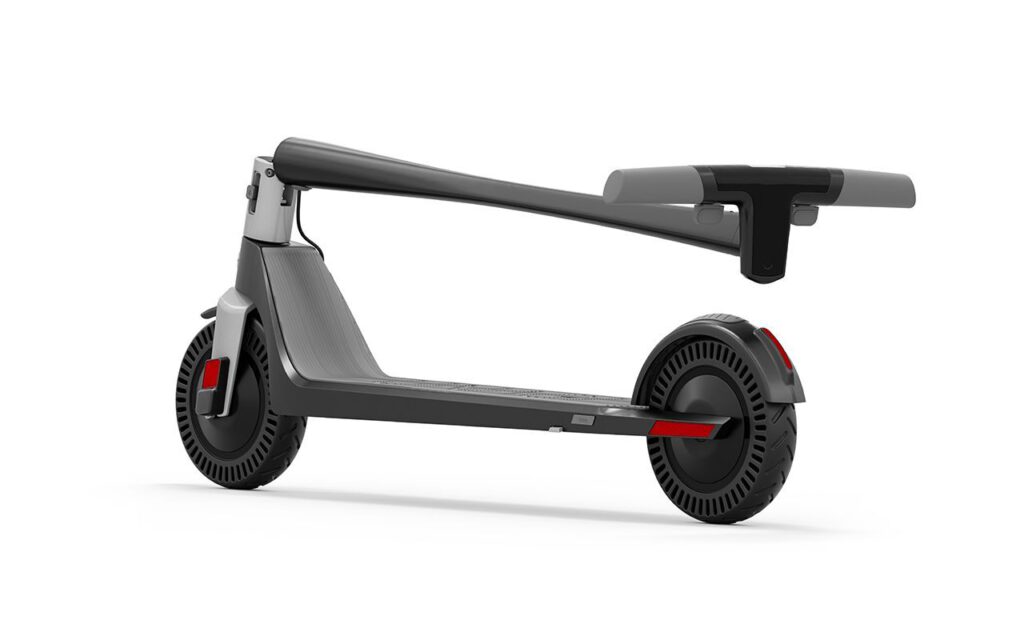
If you’re hauling a scooter up a third-floor walkup twice a day, weight stops being a spec sheet detail and starts being a genuine problem. The Unagi Model One weighs between 26.5 and 28.6 pounds, depending on whether you choose a single or dual motor. The magnesium alloy handlebar cuts 33% of the weight versus aluminum alternatives, and the one-click folding mechanism works fast enough for real situations — when you’re juggling bags and the train is already pulling in.
Weight matters more than you’d think when you’re hauling a scooter up to a third-floor walkup twice a day. This one weighs between 26.5 and 28.6 pounds, depending on whether you get the single or dual motor version. That puts it firmly in ultra-portable territory, like the Apex Pro. The magnesium alloy handlebar cuts 33% of the weight compared to aluminum alternatives, and the one-click folding mechanism actually works fast enough for real situations where you’re juggling bags and trying to catch a train that’s already pulling in.
Portability requires compromises in range and ride quality. You get around 15.5 miles of range, and the solid rubber tires with ventilation pockets transmit more road vibration than pneumatic alternatives. But those trade-offs make complete sense for people who only ride a few miles before folding up and carrying their scooter onto public transit. The Unagi excels at being part of a multi-modal commute rather than being the entire solution.
Best Starter Scooter Under Mid-Range Pricing: Segway E2 Pro
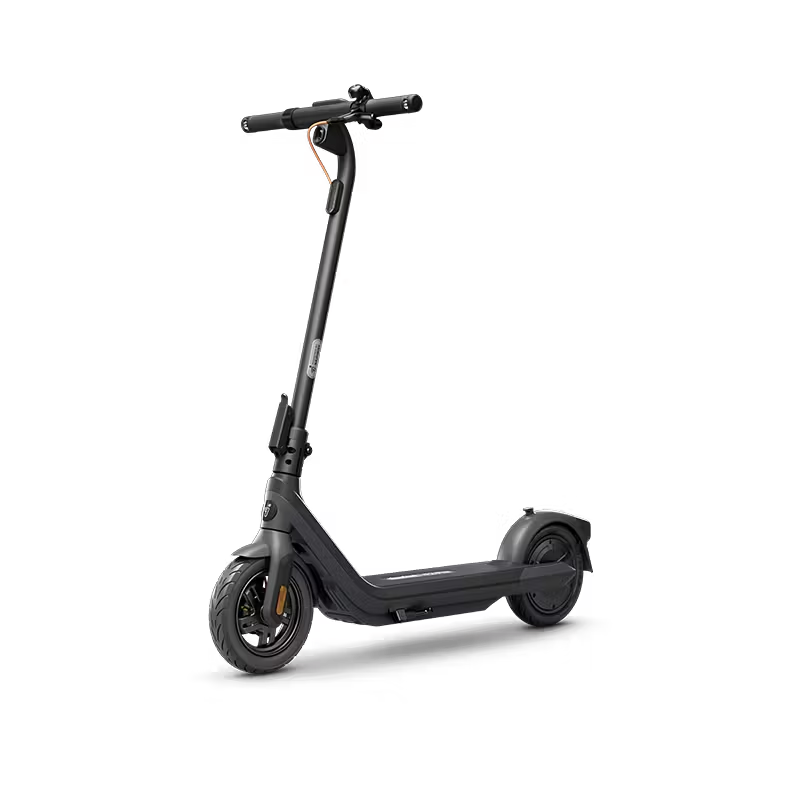
On the other hand, if you’re not sure electric scooters will actually stick as part of your routine, the E2 Pro is the right place to find out. It tops out between 15.5 and 18.6 mph, depending on the mode — fast enough to feel useful, manageable enough that you won’t terrify yourself. Real-world testing shows around 16 miles of range in sport mode, which handles typical commutes without forcing you to obsess over battery percentage.
Segway designed this model for people testing whether electric scooters actually fit their lifestyle before dropping serious money on a premium model. An approachable performance ceiling means you can build confidence without white-knuckling the handlebars every time you hit the throttle. Real-world testing shows around 16 miles of range in sport mode, which handles typical commutes without forcing you to obsess over battery percentage.
Pricing sits around $400 on sale, sometimes dropping even lower during major shopping events. That makes the initial investment easier to swallow for people who aren’t sure scooters will stick as part of their routine. New riders benefit from the E2 Pro’s learning curve without committing to a scooter that might end up being overkill once they figure out they only ride two miles to the coffee shop and back.
For Riders Who Fight Hills Daily: Kaabo Mantis King GT
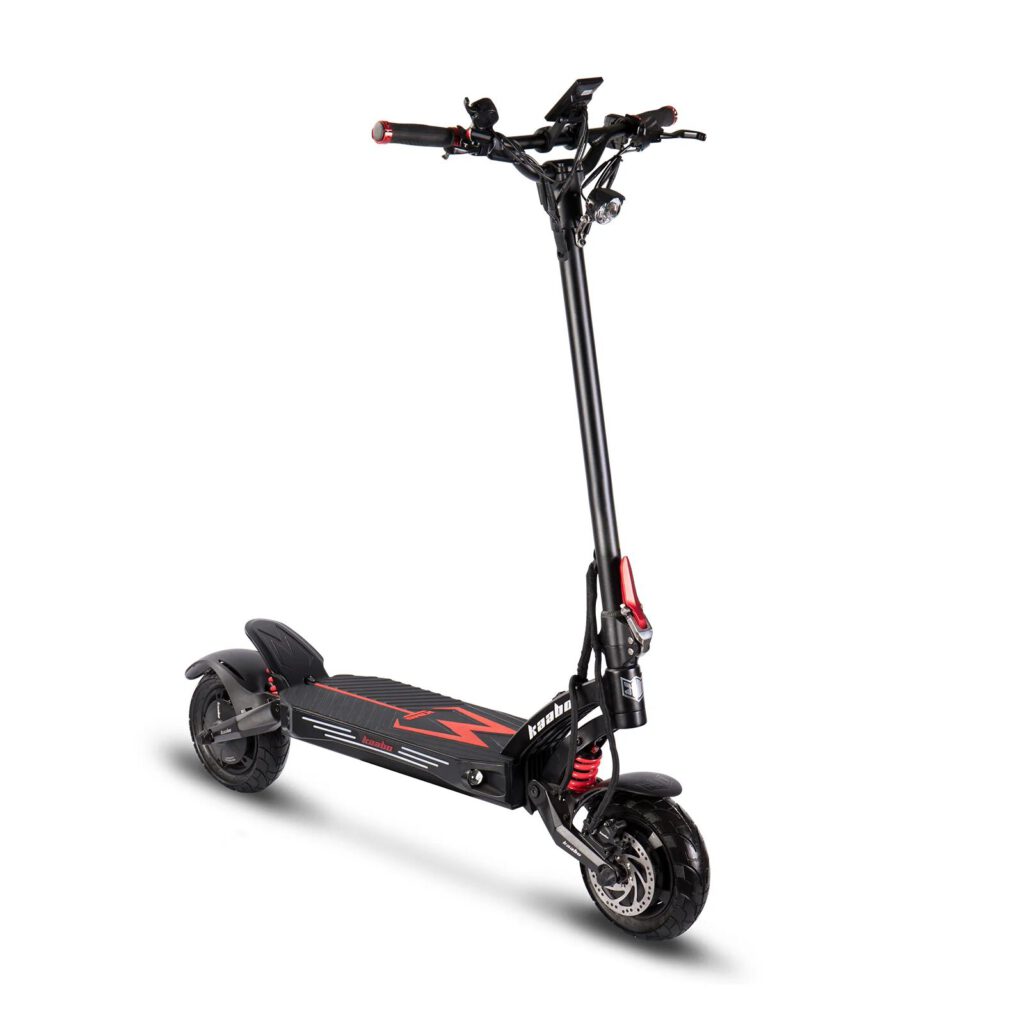
Dual 1100W motors deliver the kind of aggressive acceleration that handles steep hills and rough terrain without even slowing down. The Mantis King GT operates in a completely different performance class than everything else on this list. This scooter hits 43 mph when you open it up, and it can tackle 30-degree inclines that would leave budget scooters crawling or stalled out entirely.
Significantly higher costs come with this performance territory. The scooter often runs $1,500 to $2,000, depending on where you buy. It also weighs 74 pounds, which makes portability a non-starter for most situations unless you’ve got serious upper-body strength and a high tolerance for awkward lifting. The 60V battery system and hydraulic suspension require more maintenance than entry-level alternatives, so you’re signing up for actual upkeep instead of just charging and riding.
Hills that slow down standard scooters to a crawl barely register on the Mantis King GT. Rough roads that would rattle apart cheaper models just get absorbed by the adjustable hydraulic suspension. The performance feels closer to a motorcycle than a budget e-scooter, which is exactly what some riders want when they’re dealing with challenging terrain or long distances at high speeds. If you’re trying to get off-road, though, you might want to opt for something more rugged, like GoTrax’s GX3, which might be a bit slower, but can handle going off the asphalt.