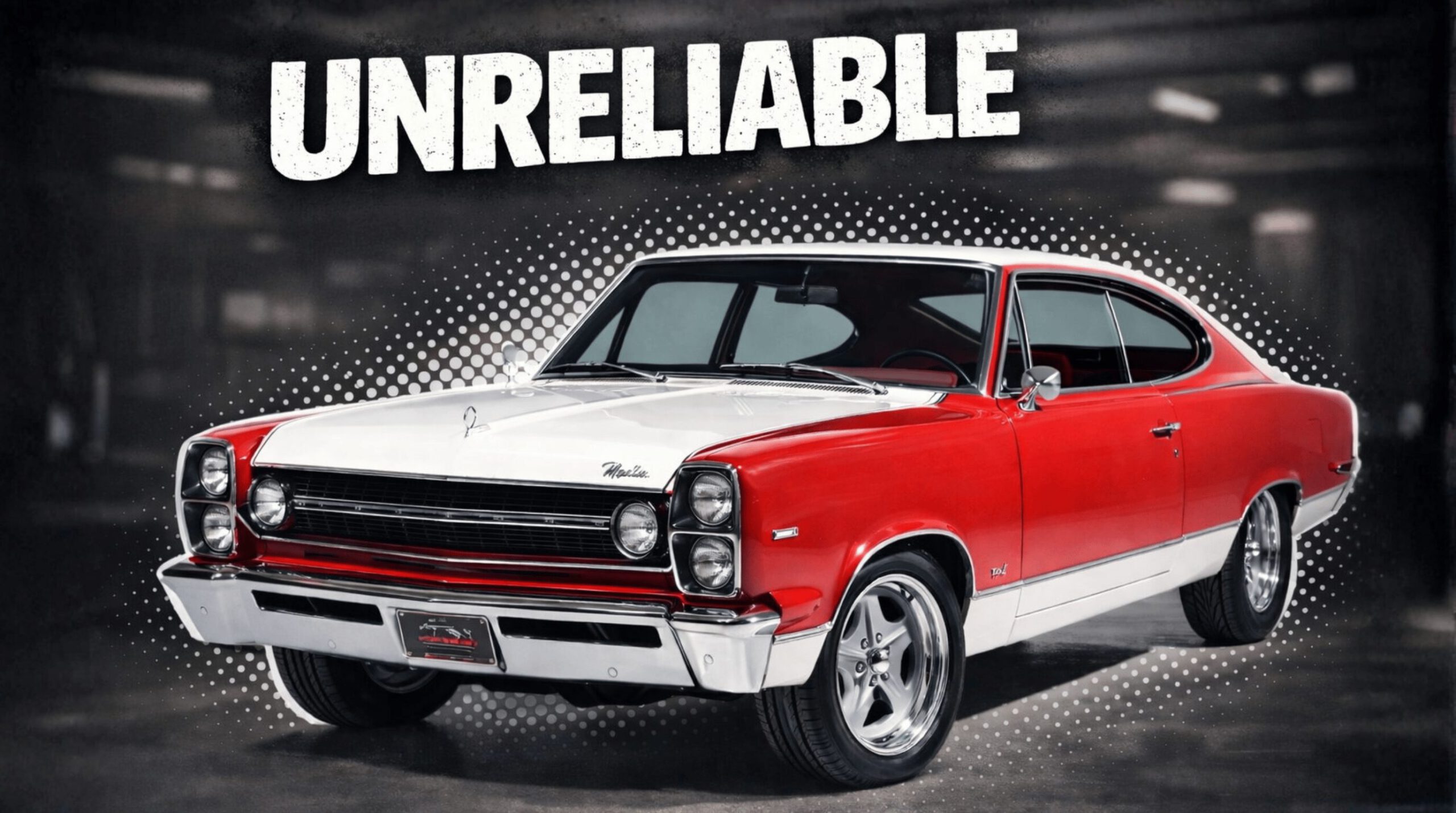
Ralph Nader’s “Unsafe at Any Speed” wasn’t just critiquing the Corvair—it was calling out an entire decade’s worth of automotive ambition over execution. The 1960s served up cars that looked fantastic on dealer lots but turned into rolling repair bills faster than you could say “extended warranty.” Consumer Reports became the decade’s automotive coroner, documenting everything from electrical gremlins to structural disasters. These eight rides earned their lemon status through consistent mechanical failures, questionable engineering choices, and build quality that would make a house of cards look sturdy.
8. 1958-1961 Hillman Minx (Exterior)
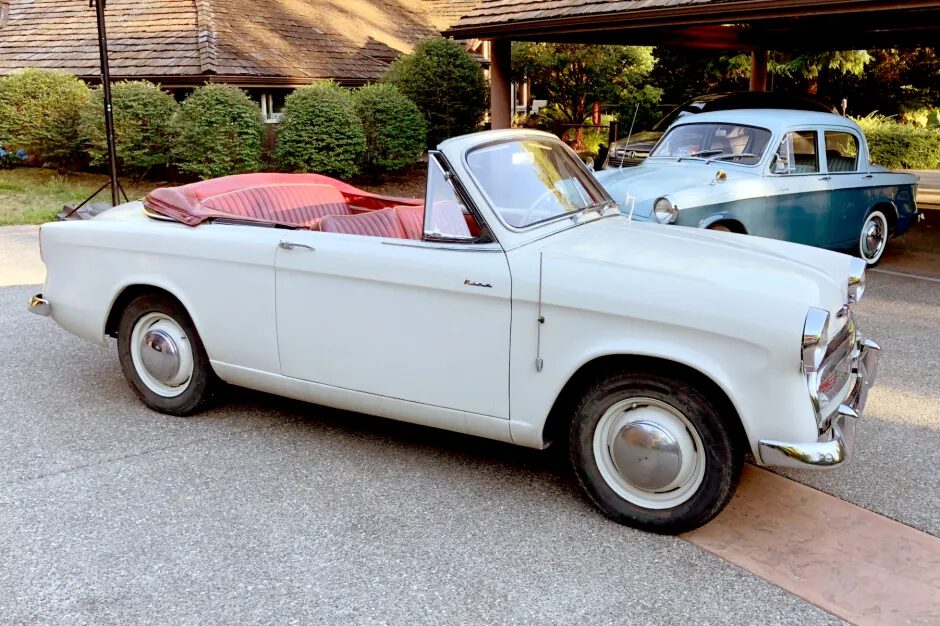
The British import that made rust an art form and electrical failures a daily surprise.
Electrical failures turned every drive into automotive roulette—which system would fail next? The underpowered engine made merging onto U.S. highways feel like entering a drag race in a clown car, while rust spread faster than gossip in a small town.
1958-1961 Hillman Minx (Interior)
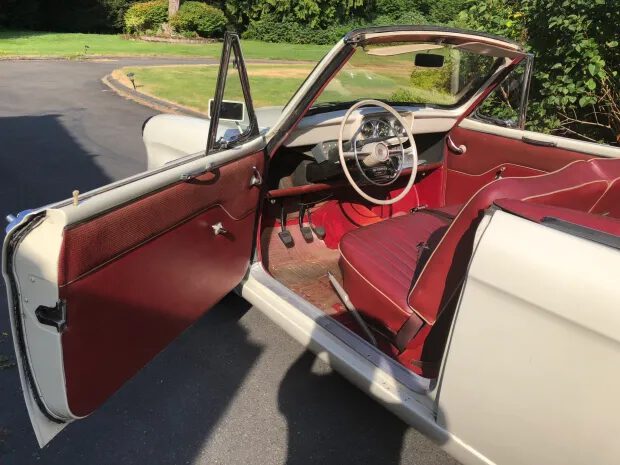
Finding parts for the Minx was like hunting for Wi-Fi in the wilderness. Cross-country road trips became exercises in optimism and roadside repair skills. At least owners got intimately familiar with every auto shop between destinations.
7. 1960 Ford Falcon (Exterior)
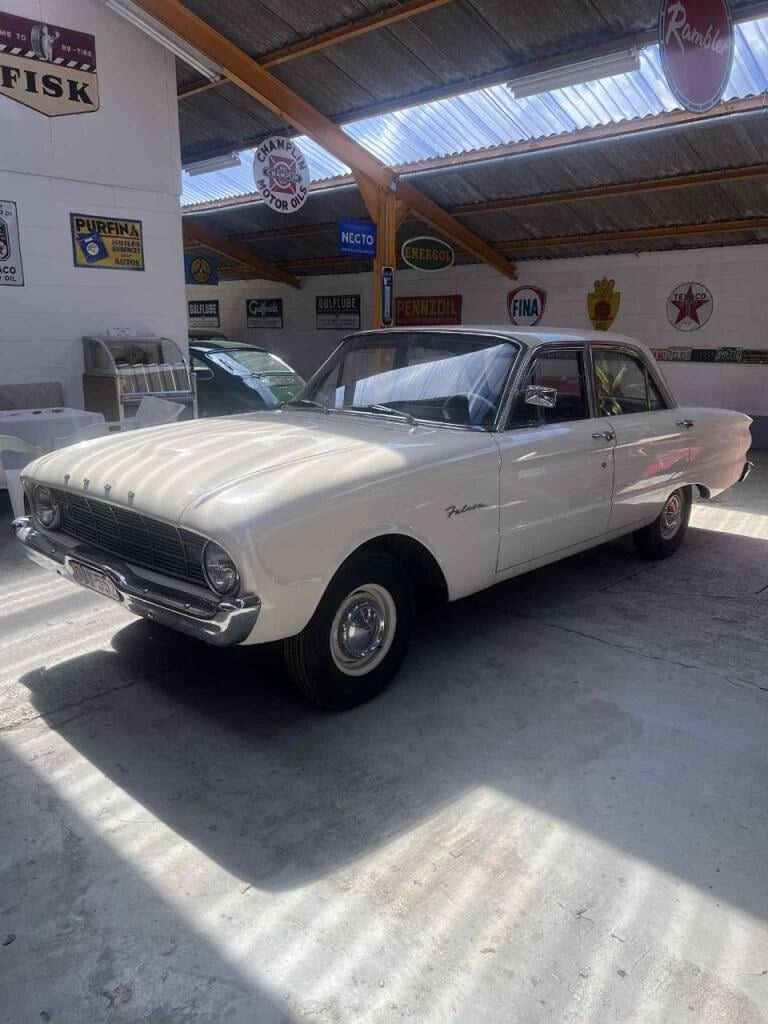
Ford’s economy car that turned passing maneuvers into prayer sessions.
Passing another car in the 1960 Ford Falcon required more faith than skill. The gearing problems transformed every overtake into high-stakes gambling, making highway merges sweatier than spotting your ex at karaoke night.
1960 Ford Falcon (Interior)
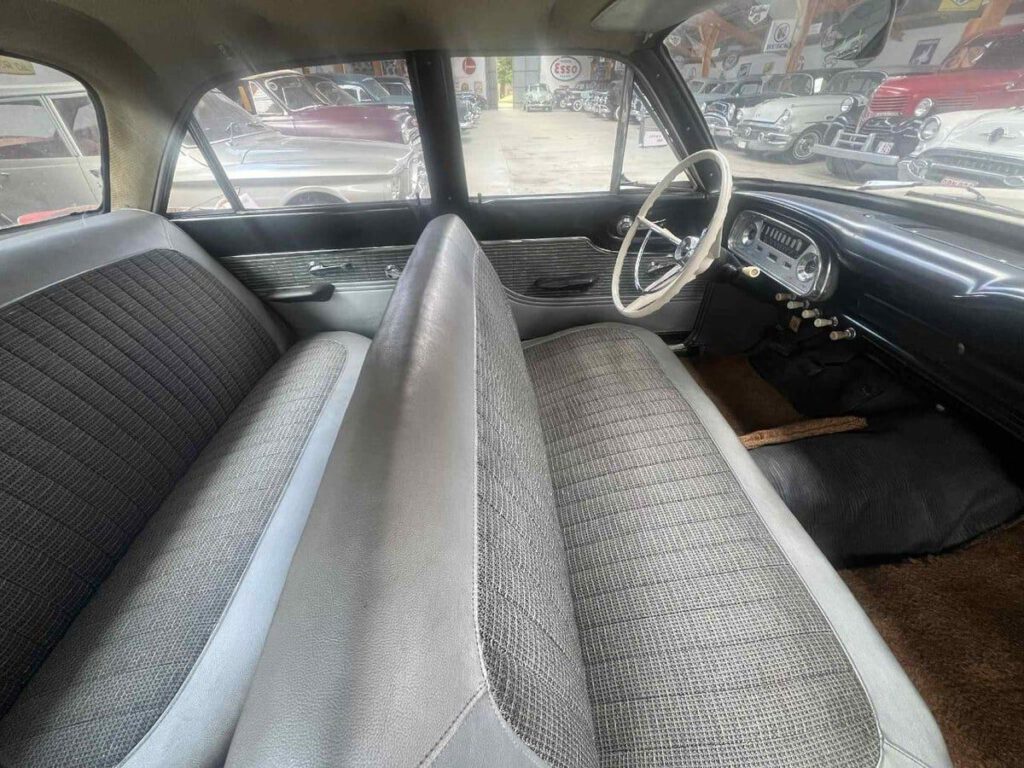
This compact car, designed as America’s answer to imports, sometimes felt powered by hamsters on vacation. The transmission issues turned every acceleration into a masterclass in patience—proving that slow and steady doesn’t always win races, just makes you fashionably late.
6. 1960 Plymouth Fury (Exterior)
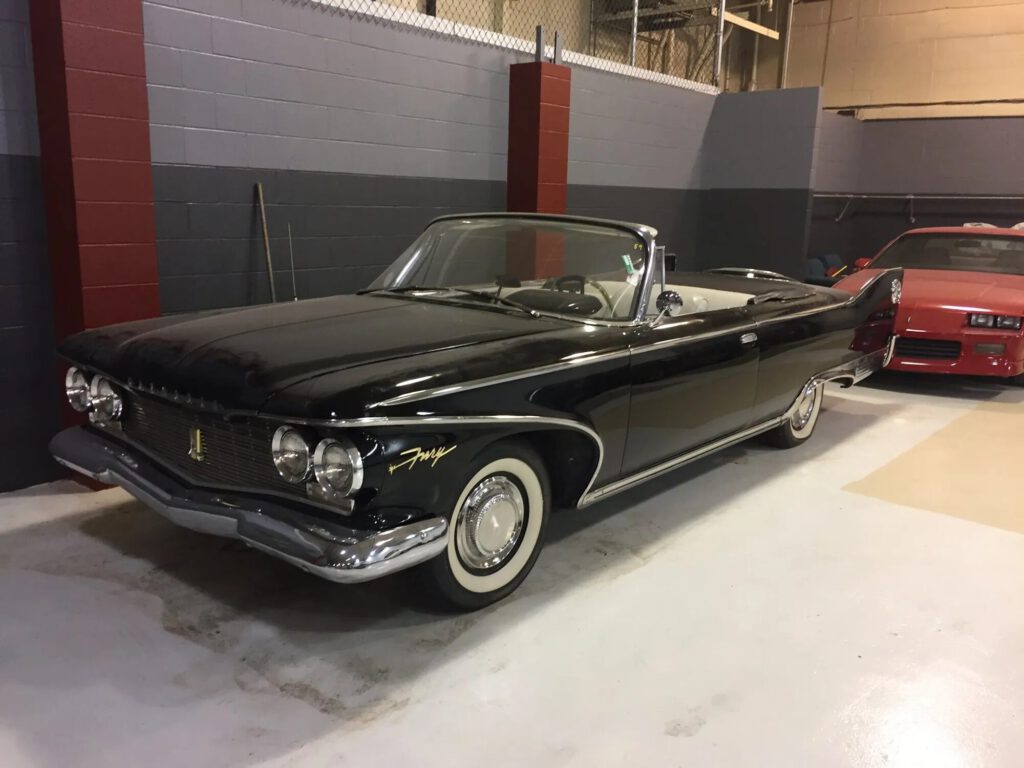
Where styling trumped geometry and parking became an extreme sport.
“Styling over function” perfectly captured the 1960 Plymouth Fury—a land yacht whose designers apparently skipped physics class. Those impractical overhangs were about as useful as a screen door on a submarine, turning parallel parking into contact sport.
1960 Plymouth Fury (Interior)
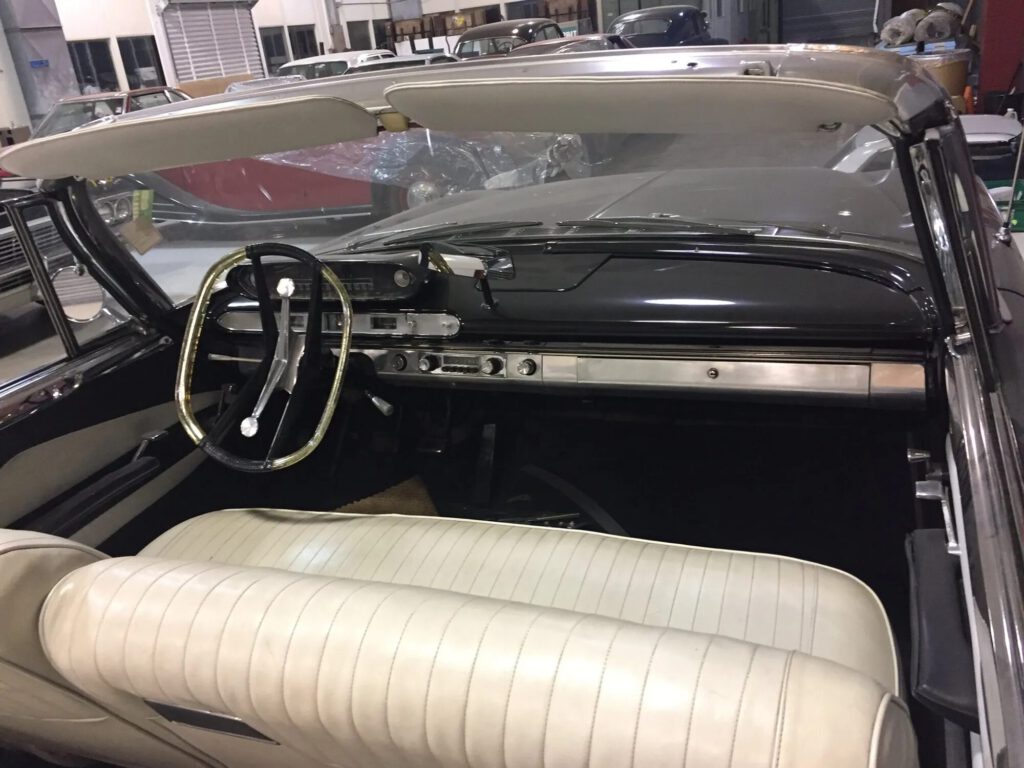
Drive-in movie theaters became particularly challenging when your Fury’s tail fins competed with the screen for visual real estate. Sure, it looked stunning, but beauty doesn’t help when you need groceries to fit in something other than the backseat.
5. 1960-1963 Studebaker Lark (Exterior)
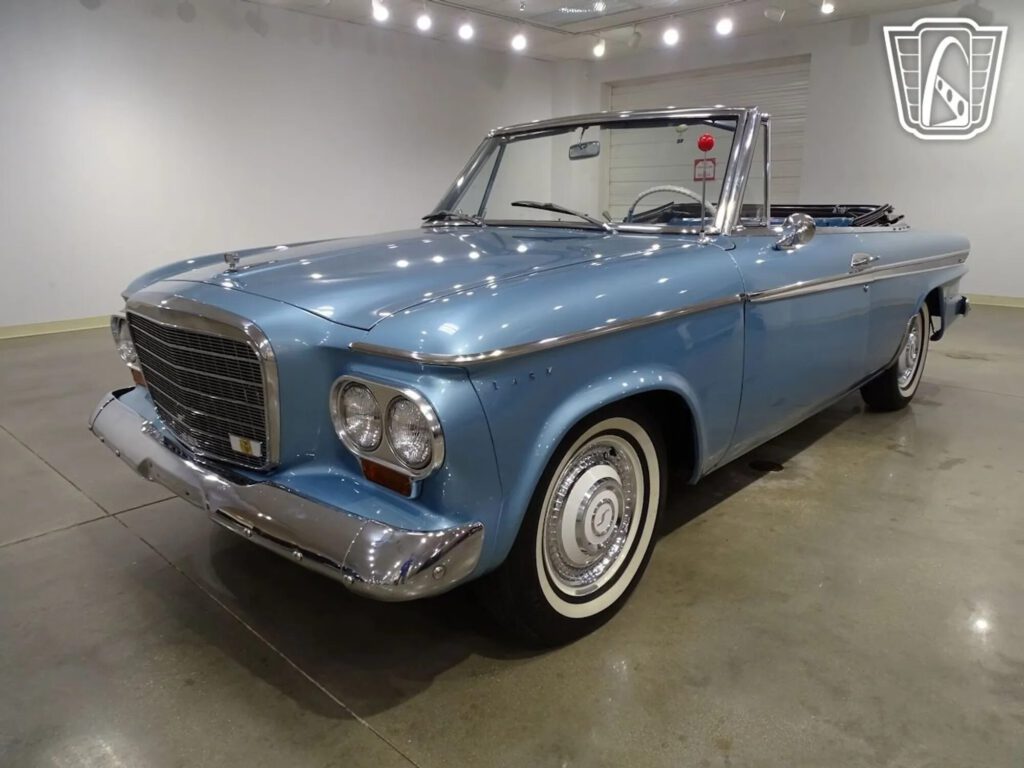
The stylish sedan that spent more time on jack stands than pavement.
Electrical failures and oil leaks turned Sunday drives into impromptu roadside repair sessions. The Lark was like that perpetually late friend who shows up covered in oil, promising they’ve fixed their issues this time.
1960-1963 Studebaker Lark (Interior)
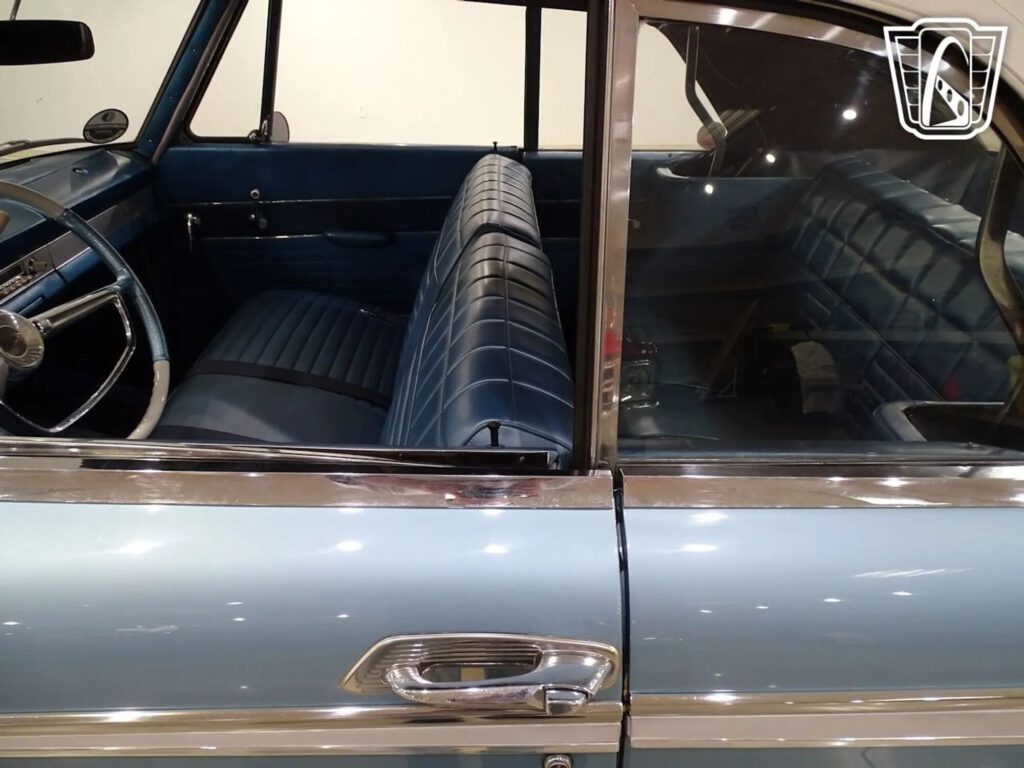
Parts scarcity during Studebaker’s corporate death throes added extra excitement to ownership. While cheaper than comparable Ford or Chevy models, you typically got exactly what you paid for—a car that kept mechanics’ children in college.
4. 1960-1964 Mercury Comet (Exterior)
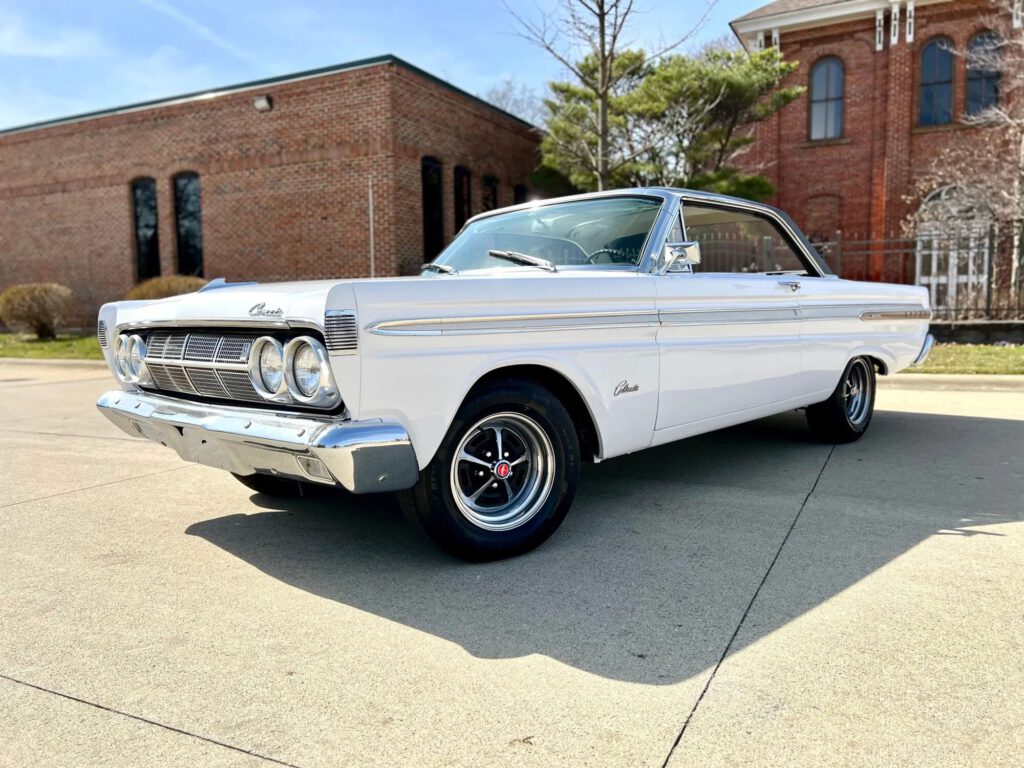
Mercury’s attempt at economy that mostly economized on reliability.
Early Comet versions suffered from underpowered engines that overheated faster than bad first dates bail when you mention collecting vintage action figures. Build quality matched the engine’s underwhelming ambition, meaning road trips required pit crews more than snacks.
1960-1964 Mercury Comet (Interior)
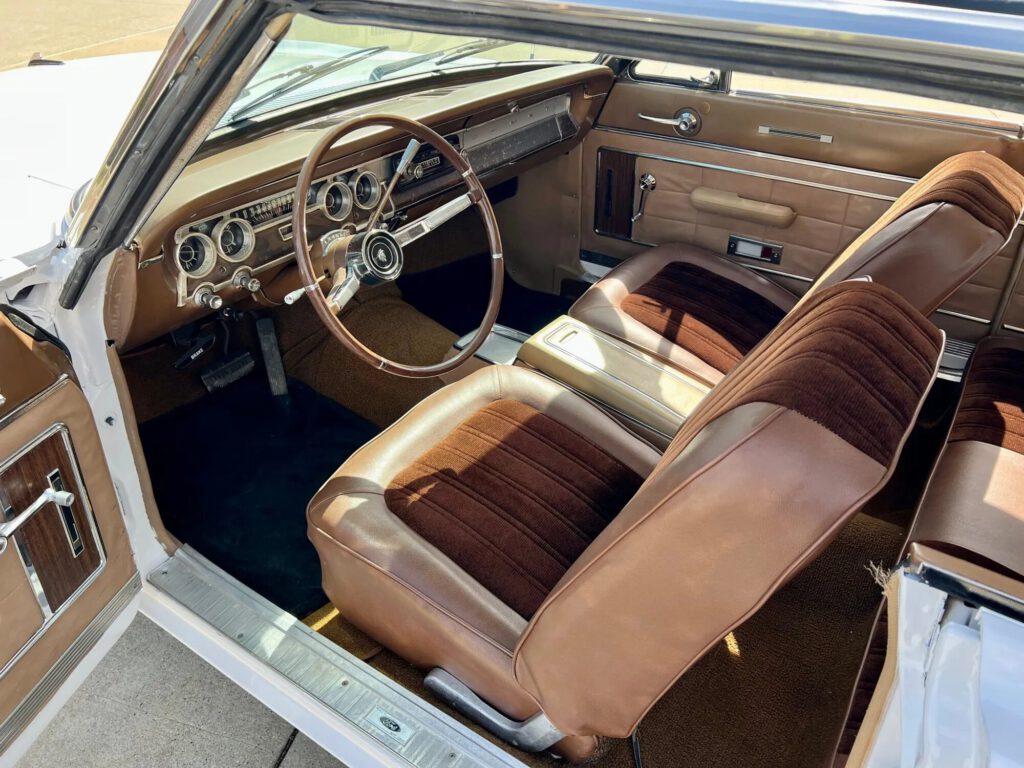
Cross-country adventures in a Comet redefined “See America” as “See Your Mechanic”—repeatedly. Mercury apparently built these from whatever they found behind the factory dumpster, then charged premium prices for the privilege.
3. 1961-1963 Oldsmobile F85 Jetfire (Exterior)
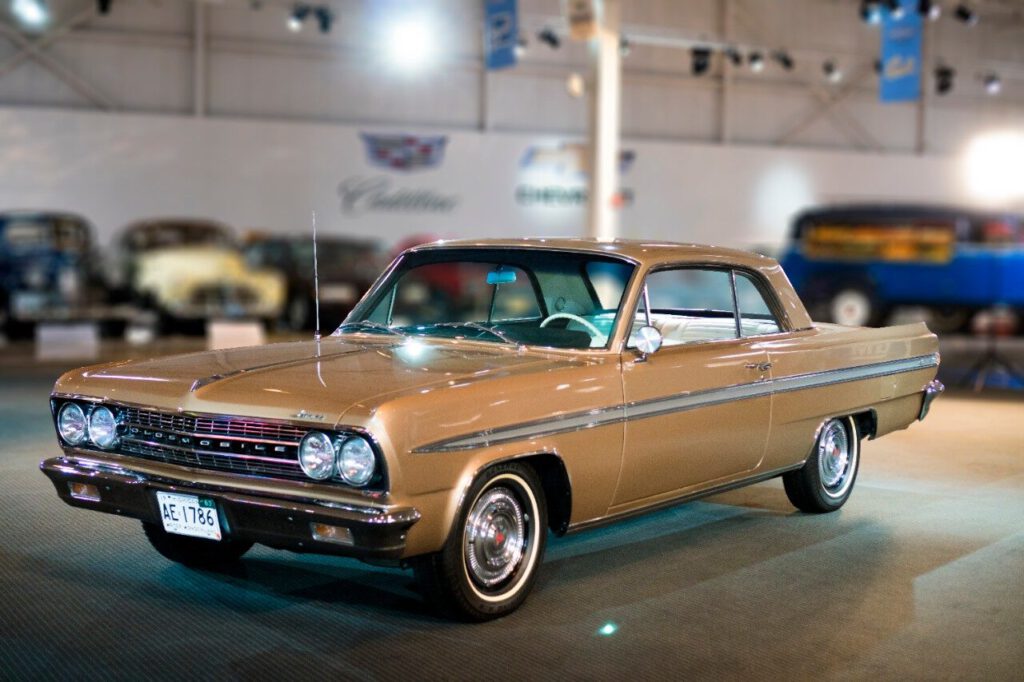
America’s first turbocharged production car that proved innovation isn’t always improvement.
The Jetfire pioneered automotive turbocharging with all the finesse of early reality TV. Its Rocket V8 and tiny Garrett turbocharger pushed 215 horsepower, but demanded constant attention like a high-maintenance partner.
1961-1963 Oldsmobile F85 Jetfire (Interior)
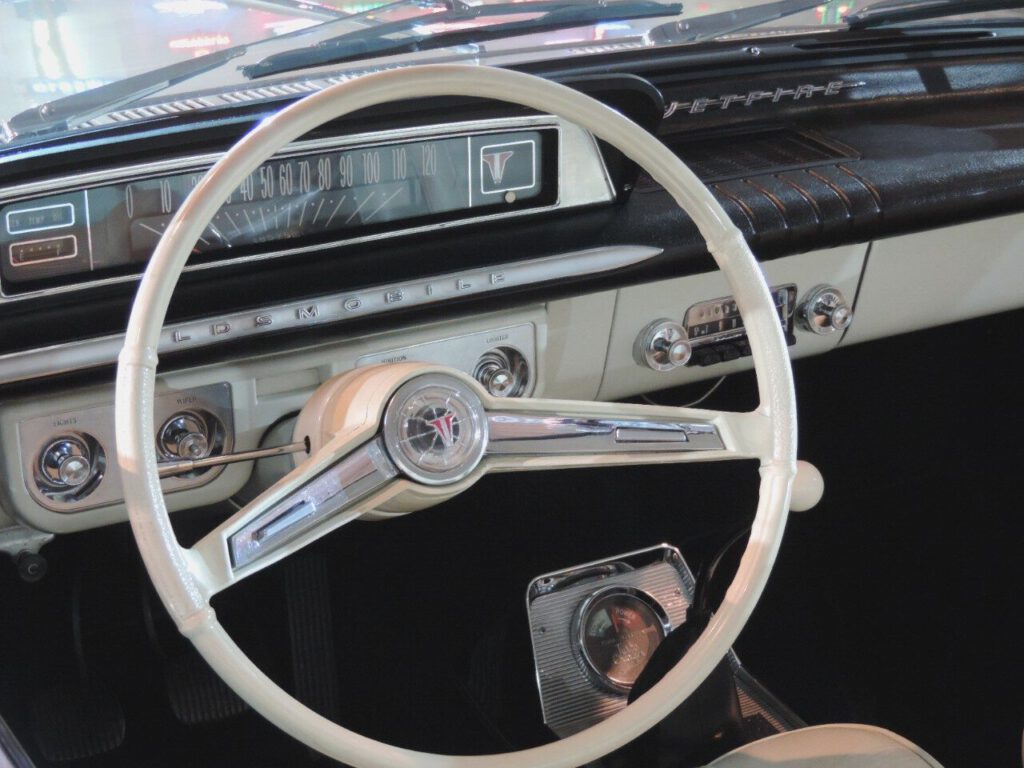
The “Turbo-Rocket Fluid” requirement—distilled water and methyl alcohol—meant owners needed chemistry degrees alongside mechanical skills. Run it dry, and you’d be stranded faster than you could explain the technology to confused mechanics. Turbocharger failures and scarce parts essentially made repair shops ghost Jetfire owners entirely.
2. 1961-1963 Pontiac Tempest (Exterior)
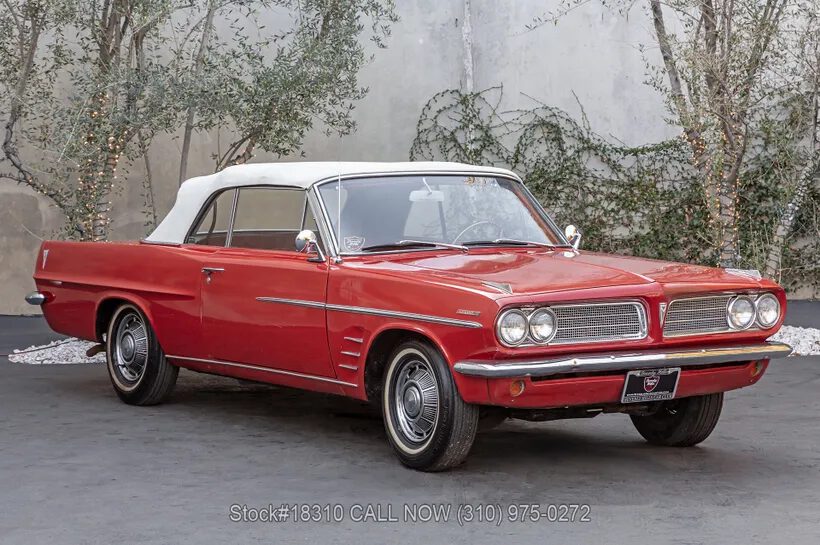
The “LeMans wannabe” that vibrated like a washing machine earthquake.
The Trophy 4 engine’s durability problems meant roadside breakdowns outnumbered successful trips. Drivetrain vibrations made every drive feel like riding a paint mixer, potentially loosening dental work before reaching destinations.
1961-1963 Pontiac Tempest (Interior)
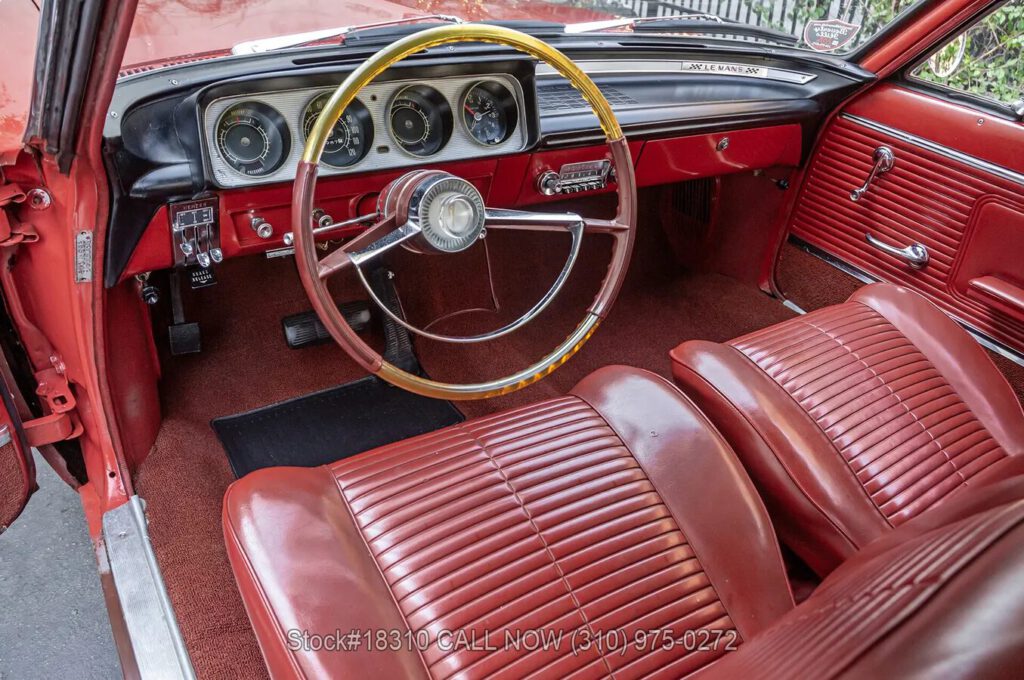
For a car starting around $2,140, the Tempest delivered expensive lessons in automotive reliability. Drive-in movie dates risked arriving with more mechanical casualties than romantic success, assuming you arrived at all.
1. 1965-1967 AMC Rambler Marlin (Exterior)
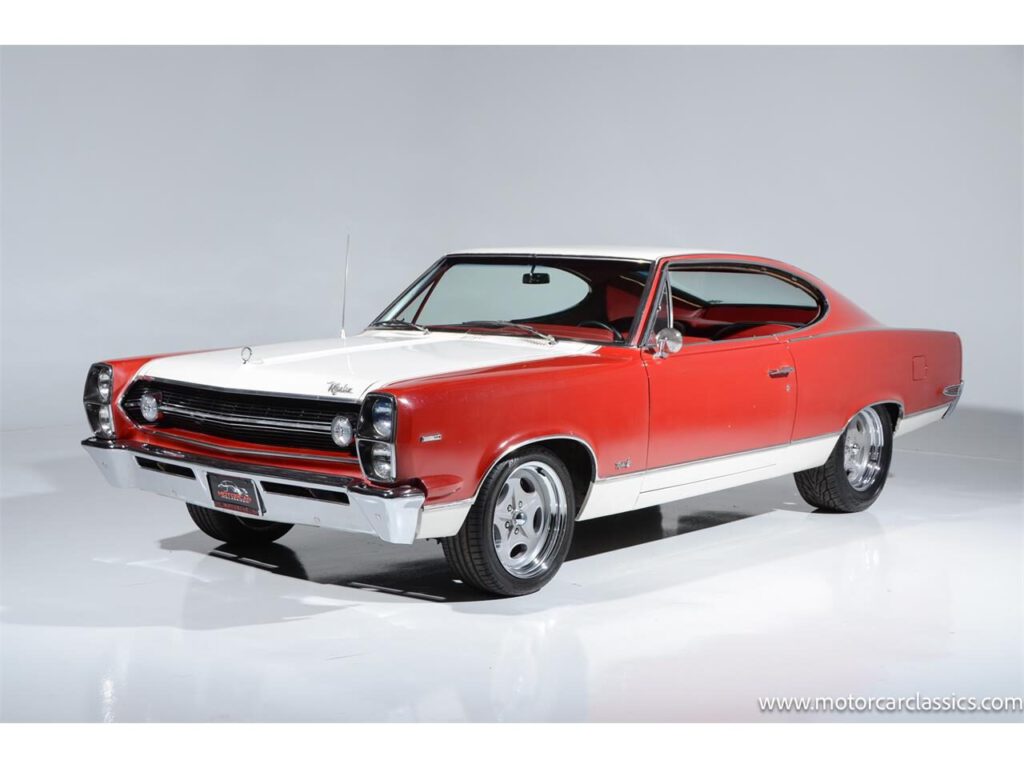
The fastback that leaked like a politician’s promises.
Water leaks and structural flaws created mobile shower experiences without the fun of actual convertibles. One Rambler designer’s admission of poor build quality was automotive equivalent of pleading guilty at parent-teacher conferences.
1965-1967 AMC Rambler Marlin (Interior)
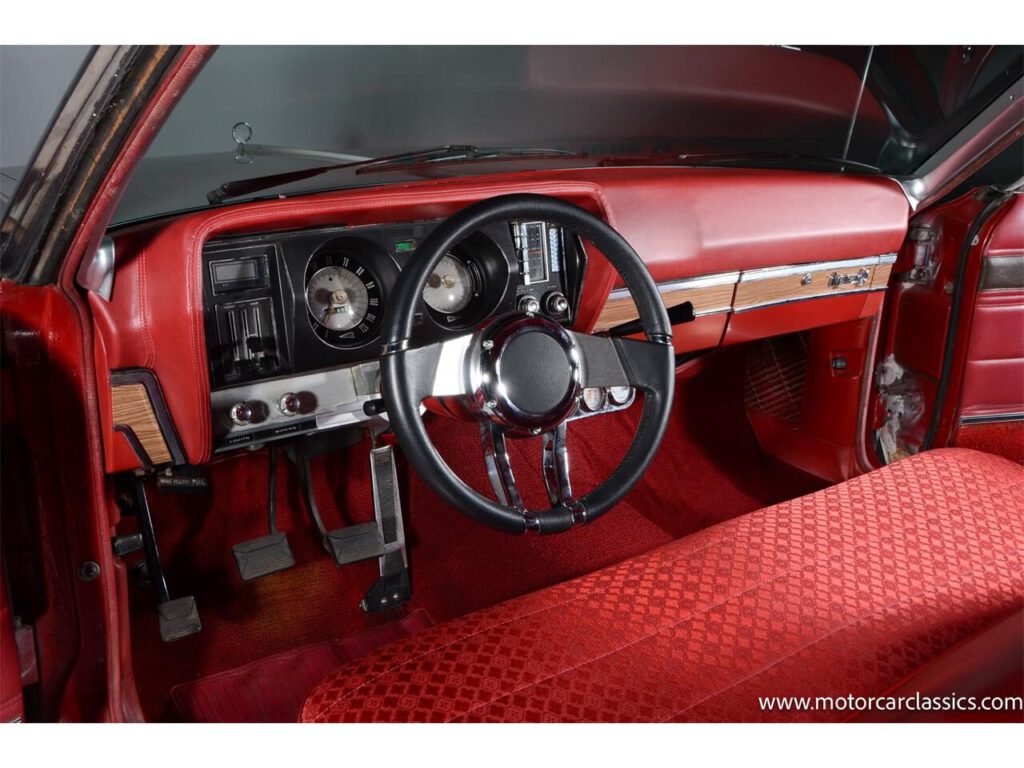
These cars apparently leaked more than classified documents, turning every drive into impromptu aquatic adventures. AMC’s rush to market created cautionary tales on wheels—proof that cutting corners eventually cuts profits when customers demand cars that stay dry inside.