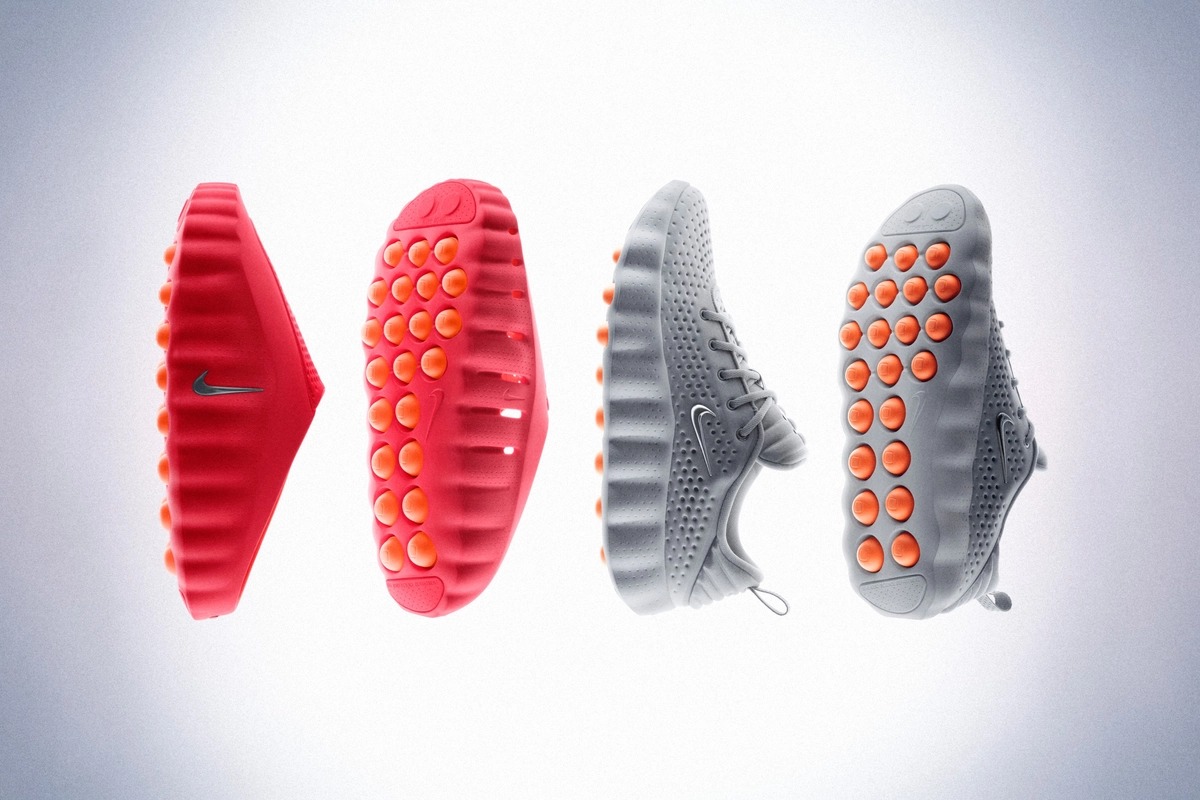
Slipping on sneakers before a big presentation sounds routine, but Nike’s new Mind shoes claim those final steps could literally sharpen your thinking. The brand’s neuroscience-based footwear features 22 foam nodes per shoe designed to stimulate foot mechanoreceptors and boost mental focus. It’s an intriguing fusion of podiatry and psychology—but does tickling your feet actually enhance brain function, or is this wellness theater with a swoosh logo?
Nike’s Foot-to-Brain Connection Theory
The company mapped athletes’ sensory responses to engineer targeted stimulation.
Nike’s Mind Science Department spent years creating what they call a “sensory map of the foot” using mobile brain-body imaging, EEG brain scans, EMG muscle sensors, and plantar pressure tests on athletes. Their Mind 001 mule and Mind 002 sneaker each contain foam nodes that act like pistons and gimbals, transmitting ground texture to mechanoreceptors concentrated in your forefoot.
Chief Science Officer Matthew Nurse claims internal brain scans show increased sensory cortex activity compared to regular shoes, with different brainwave oscillation patterns from the enhanced underfoot sensation. The engineering sounds sophisticated—nodes positioned precisely where your foot has the highest tactile sensitivity, designed to create what Nike calls “heightened awareness and presence.”
However, these findings come from Nike’s internal testing, not peer-reviewed journals where independent scientists could scrutinize the methodology.
What Independent Research Actually Shows
Foot stimulation affects balance and posture, but cognitive benefits remain questionable.
Independent neuroscience research does support the foot-brain connection, just not necessarily Nike’s mental focus claims. Studies confirm that mechanoreceptors in your soles influence postural control, balance, and motor coordination through the somatosensory cortex. One recent fNIRS brain imaging study found that challenging footwear conditions—like flat sandals instead of supportive shoes—increased neural connectivity in motor and sensorimotor brain regions during Infinity Walk tasks.
However, this heightened brain activity reflects increased neural demand for balance, not enhanced cognitive performance. The effects scientists have documented involve physical coordination and stability, with only modest and context-specific impacts on broader mental function like concentration. Your feet definitely talk to your brain, but whether that conversation improves your TED talk or quarterly review remains scientifically unproven.
Nike’s Mind shoes represent an interesting intersection of biomechanics and neuroscience, even if the cognitive enhancement claims outpace the evidence. The broader neuro-wellness trend—including competitors like Naboso’s stimulatory neuro-insoles—suggests consumers crave tangible ways to optimize their mental performance. Just remember that feeling more grounded might be more literal than metaphorical.