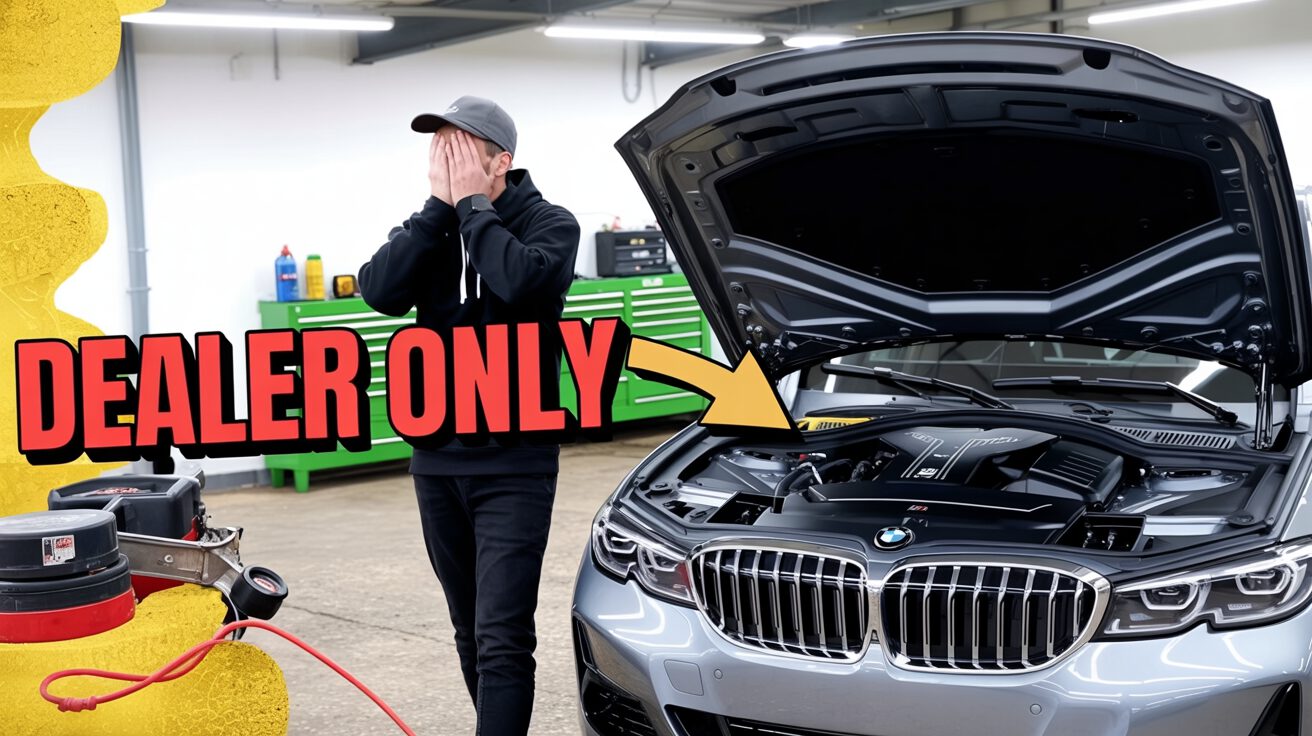
Your BMW‘s next service bill just got pricier. The German automaker filed a patent for roundel-shaped screws designed specifically to prevent “unauthorized persons” from using standard tools. Think Apple’s pentalobe screws, but for your car’s interior trim.
Proprietary Fasteners Target Interior Components
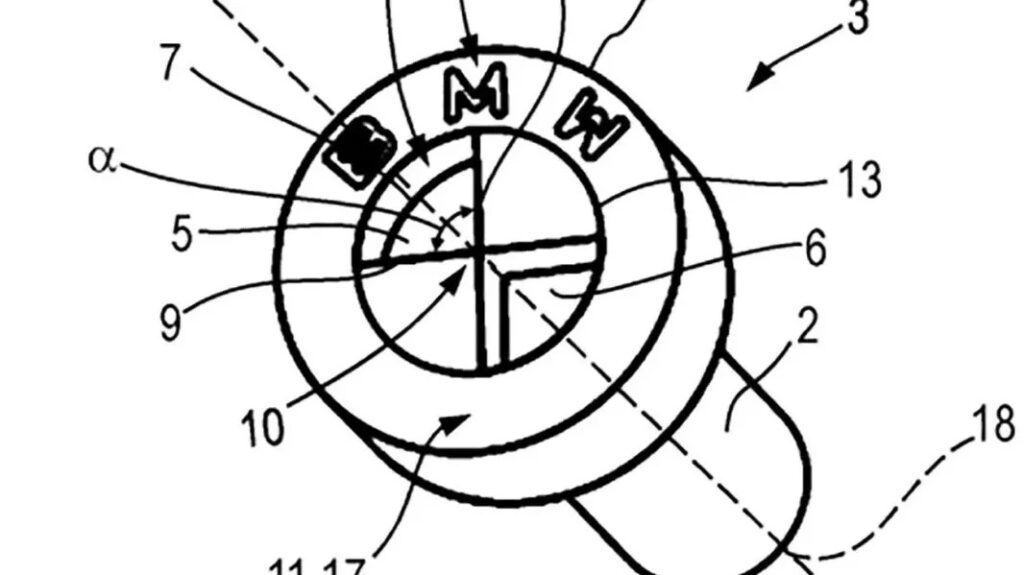
Filed June 7, 2024 and published December 12, 2024, patent DE469242297 describes screws modeled after BMW’s circular logo. The design splits into four quadrants with two recessed sections—meaning your trusty Torx or hex drivers become useless. BMW targets visible areas like center consoles and cockpit trim, not critical safety components, suggesting this move prioritizes branding over engineering necessity.
Engineering Experts Raise Technical Concerns
Richard Rackham, former Lotus Cars executive, calls the design “a retrograde step” compared to industry-standard fasteners. Precision engineering firm Accu highlights serious flaws:
- Only two engagement points increase cam-out potential during installation
- Larger heads add weight (problematic for electric vehicles chasing efficiency)
- Axial-only access complicates repairs in tight spaces
- Specialized manufacturing inflates supply chain costs versus proven Torx alternatives
Right-to-Repair Battle Enters the Garage
This patent escalates automotive repair restrictions beyond software locks. The roundel design doesn’t just require proprietary tools—it potentially blocks their legal production through trademark infringement. You’ll face higher dealer service costs while independent shops invest in BMW-specific equipment. Critics argue this mirrors tech industry tactics that prioritize manufacturer revenue over consumer choice and repair accessibility.
Aftermarket Solutions Will Emerge
Patents rarely stop determined tinkerers. The same 3D printing community that cracked Apple’s pentalobe screws will likely reverse-engineer BMW’s roundels within months. Expect knockoff drivers on AliExpress and iFixit’s toolkit expansions. BMW might control the first-party repair market initially, but aftermarket ingenuity tends to win these battles—just ask anyone who’s repaired a MacBook with third-party tools.
Your car ownership rights remain yours to defend.