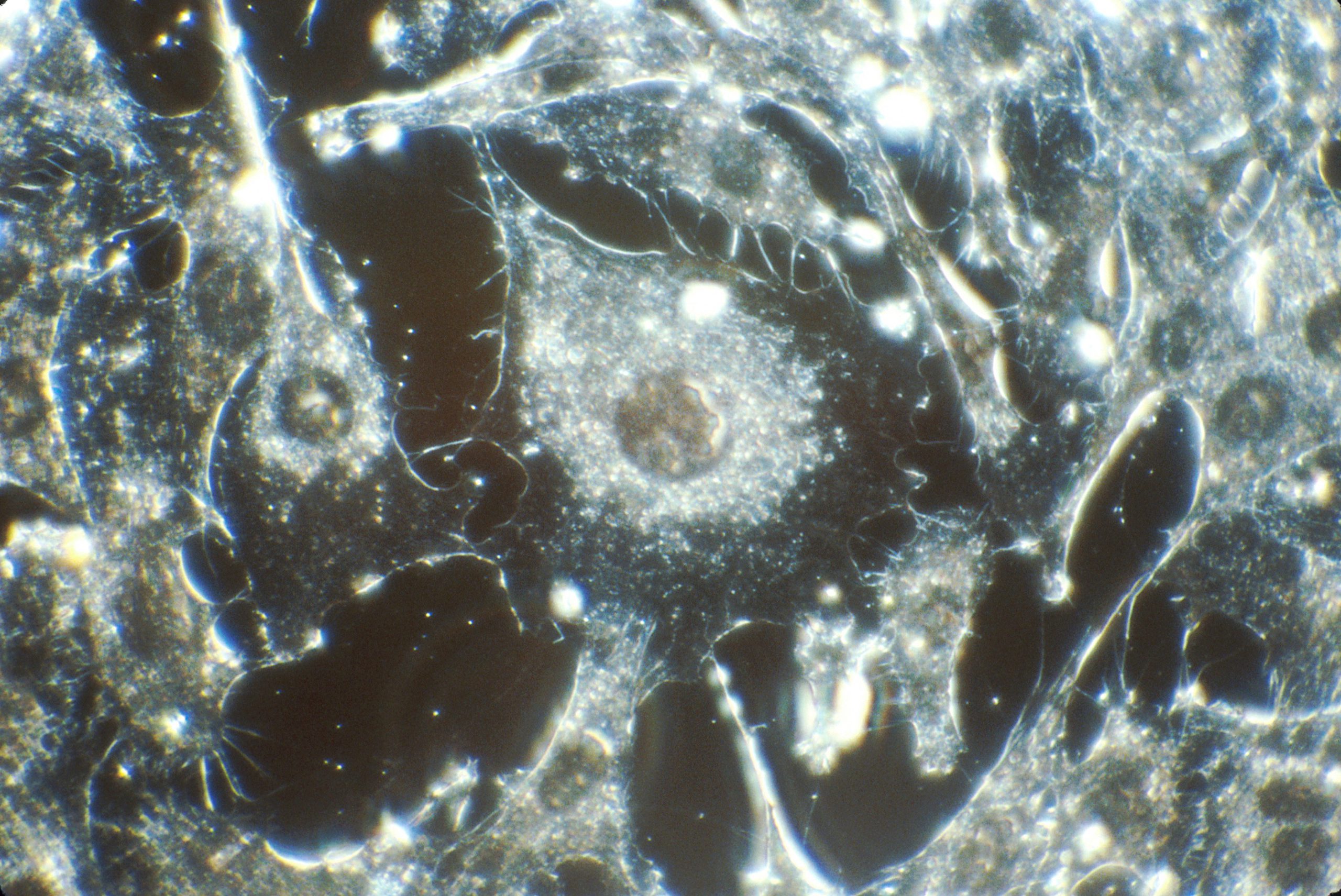
A tree frog gut bacterium eliminated colorectal tumors in 100% of treated mice—but the path to human cancer treatment remains complex and uncertain. Japanese researchers screening 45 bacterial strains from amphibians and reptiles identified Ewingella americana as a potent anti-tumor agent, achieving complete regression with a single intravenous dose in laboratory mice. Published in Gut Microbes, the study represents promising preclinical research, not a ready-made human therapy.
Frog Bacteria Outperforms Standard Cancer Treatments
Mouse studies show complete tumor elimination versus partial responses from conventional therapy.
Professor Eijiro Miyako’s team at Japan Advanced Institute of Science and Technology directly compared E. americana against current treatments in the same mouse colorectal cancer model. Anti-PD-L1 immunotherapy and doxorubicin chemotherapy both slowed tumor growth but achieved complete responses in only scattered animals. The frog-derived bacterium “substantially outperformed standard therapies,” according to the research, with all treated mice showing complete tumor regression and surviving at least 30 days longer than controls.
Dual-Action Mechanism Targets Tumor Weak Spots
Bacterium kills cancer cells directly while activating immune system responses.
E. americana operates like a precision-guided biological weapon system. As a facultative anaerobe, it preferentially accumulates in low-oxygen tumor tissue while sparing healthy organs. The bacterial load in tumors increased 3,000-fold within 24 hours, directly destroying cancer cells through secreted toxins while simultaneously triggering robust immune activation. This dual approach increased tumor-infiltrating T cells, B cells, and inflammatory signals that promote lasting anti-tumor immunity—mice cured by the treatment rejected cancer rechallenge attempts.
Safety Concerns Cloud the Promise
Same bacterium can cause dangerous infections in vulnerable cancer patients.
Here’s where reality bites back. While E. americana showed minimal toxicity in healthy mice, clinical case reports describe it causing sepsis in immunocompromised humans, including a cancer patient who developed life-threatening infection during a contaminated blood transfusion. You can see the problem: cancer patients are precisely the immunocompromised population this therapy would target. Any therapeutic application would require extensive safety engineering and phased clinical trials—assuming it works in humans at all.
Long Road From Lab Bench to Bedside
Researchers plan expanded animal testing before any human trials begin.
Miyako’s team plans to test E. americana against other cancer types and optimize dosing strategies to minimize inflammatory side effects. They’re also exploring combination approaches with existing immunotherapies. But this remains at the preclinical proof-of-concept stage—no human trials are currently underway. The microbiome may hold therapeutic treasures, but mining them safely requires the patience of a decade-long clinical trial.