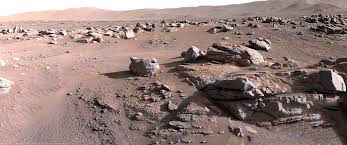
That space content creator just dropped “actual footage from another world”—and the 4K panoramic sweep across Jezero Crater’s rust-colored terrain absolutely delivers. But here’s the thing about those viral Mars videos filling your feed: they’re showcasing NASA’s rover camera systems working exactly as designed.
These aren’t live streams despite YouTube and Reddit titles claiming “Mars right now.” The creators aren’t lying—they’re bridging the gap between scientific data and public engagement through skillful editing.
The Camera Tech That Makes Mars Accessible
Perseverance and Curiosity pack serious imaging hardware for public consumption.
Perseverance carries 23 cameras, including the Mastcam-Z stereo zoom system that captures the detailed terrain reconnaissance you’re seeing. Recent footage from the “Hazyview” megaripple study required over 50 observations using multiple instruments—SuperCam, PIXL, and WATSON—creating the rich visual data that content creators transform into immersive experiences.
The processing pipeline rivals any smartphone’s computational photography. Curiosity’s Gale Crater panoramas and Perseverance’s Jezero shots undergo careful stitching, color correction, and enhancement before reaching public channels.
That viral creator admits to manually transforming NASA’s raw images into seamless video sequences for a “naturally recorded” effect.
What “Live” Actually Means on Mars
Physics limits make real-time streaming impossible from interplanetary distances.
True live footage remains physically impossible. Light-speed delays range from 4 to 24 minutes one-way, depending on planetary positions. You’re experiencing advanced post-production, not unfiltered rover feeds.
Despite the processing, these videos showcase legitimate rover capabilities. When Perseverance captures surface details that would challenge professional Earth-based equipment, it demonstrates computational imaging’s potential.
Consumer Tech Inspiration
Mars rovers preview tomorrow’s consumer imaging capabilities.
These rover cameras forecast consumer gadget evolution. Mastcam-Z’s stereo zoom and autonomous navigation systems echo features appearing in high-end drones and smartphones. The public appetite for processed Mars content suggests strong demand for space-grade imaging in consumer products.
Your next camera upgrade might include algorithms inspired by interplanetary photography. Mars videos may not stream live, but they reveal imaging technology that’s genuinely out of this world—and headed toward your pocket.