Imagine if renewable energy infrastructure created permanent waste streams. That’s wind energy’s uncomfortable reality: those massive turbine blades reaching end-of-life have nowhere to go but landfills.
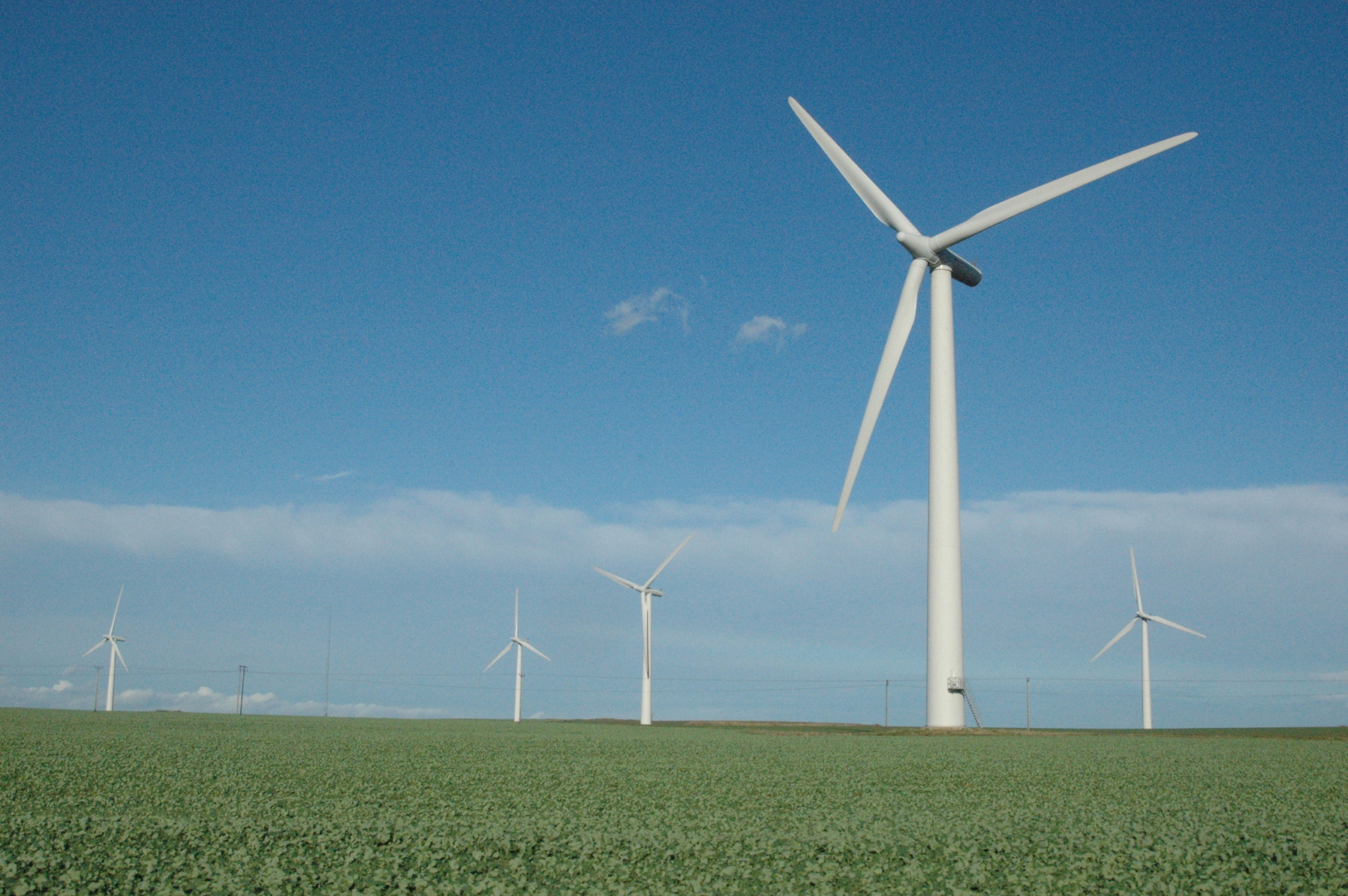
Every year, approximately 8,000 wind turbine blades get decommissioned in the U.S. alone. By 2050, that number will explode to 235,000 blades requiring disposal. Globally, composite waste from turbine blades is projected to escalate from 789,000 tons in 2021 to 43 million tons by 2050. These aren’t small components—modern blades averaged 418 feet in rotor diameter in the U.S. as of 2021 and require diamond-tipped saws just to cut them into three pieces for transport.
The Engineering Problem Nobody Solved
Thermoset composites create permanent recycling barriers that conventional methods cannot overcome.
The recycling crisis stems from basic materials science. Wind turbine blades are constructed from fiber-reinforced composites—primarily fiberglass bonded with thermoset resin under extreme heat and pressure. Unlike thermoplastic materials that soften when reheated, thermoset composites undergo permanent cross-linking during manufacturing. These materials literally cannot be melted down and reformed like conventional plastics.
Three recycling approaches exist:
- Mechanical grinding
- Pyrolysis
- Solvolysis
Each faces significant economic and technical barriers. As the International Energy Agency‘s Task 45 notes, “recycling wind turbine blades is a process with a complex value chain involving several stakeholders with different interests.”
Current Reality Check
Most blades end up in landfills despite the renewable energy industry’s sustainability promises.
Currently, decommissioned blades follow three pathways:
- Landfilling
- Incineration
- Indefinite stockpiling
Since blades are hollow, they occupy enormous landfill space relative to their weight—like burying giant empty shipping containers that never decompose. Research found that incineration of blade waste increases greenhouse gas emissions, while transportation to disposal sites generates substantial carbon footprints due to specialized truck requirements and wide turning berths.
This resembles fast fashion’s sustainability paradox: products marketed as environmentally responsible create permanent waste streams.
Solutions Exist, But Economics Don’t Add Up
Major manufacturers have developed recycling breakthroughs that aren’t commercially viable yet.
The technology gap is closing rapidly. Vestas announced in 2023 a partnership combining CETEC chemical technology with Olin and Stena Recycling to eliminate landfill disposal of epoxy-based blades. Siemens Gamesa has developed fully recyclable renewable technologies requiring no design alterations.
A 2024 Department of Energy report determined that existing U.S. infrastructure could process 90% of decommissioned wind turbine mass, and innovative recycling can reduce disposal emissions by over 30% compared to landfilling. The missing piece? Economic incentives. Without regulatory mandates or financial drivers, companies find landfilling cheaper than implementing available recycling technologies.
This reveals how even renewable technologies carry hidden environmental costs when economic systems prioritize short-term profits over sustainable practices.