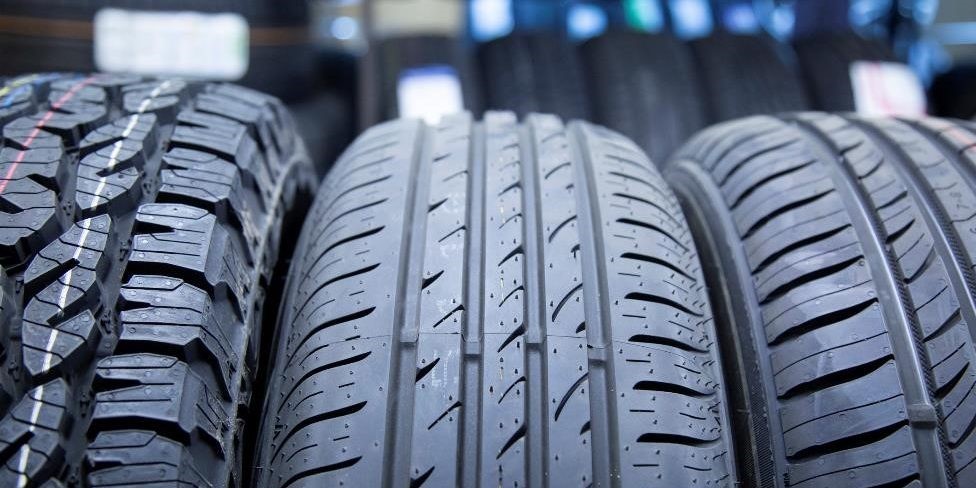
Most drivers never check their tread depth until it’s dangerously late, yet tire condition determines whether you stop safely or slide into disaster. The difference between control and catastrophe comes down to a measurement smaller than a dime’s thickness. Your tires right now could be sitting at the danger threshold—but a simple professional assessment reveals exactly where you stand and what action you need to take.
The 4/32-Inch Life-or-Death Threshold
Physics doesn’t negotiate when rubber meets water at highway speeds.
Tires become hydroplaning hazards once tread depth drops below 4/32 inches, particularly at speeds above 35 mph. At this depth, your tire grooves can’t channel water away fast enough, causing that terrifying moment when your car starts floating instead of gripping the road. DEKRA road tests proved this dramatically: worn tires showed 16-18% longer stopping distances on wet surfaces compared to fresh rubber.
Translation? When everyone else stops safely, you’re still sliding toward impact. The National Highway Traffic Safety Administration data confirms that the likelihood increases substantially once speeds exceed 35 mph with insufficient tread depth.
The Penny Test That Could Save Your Life
Lincoln’s head becomes your personal safety inspector.
Skip the guesswork with this simple check. Insert a penny upside down into your tire’s groove—if you see all of Lincoln’s head, your tires have hit the danger zone. While the legal minimum sits at 2/32 inches, safety experts unanimously recommend replacement at 4/32 inches for wet-weather driving.
Professional tire depth checks provide precision measurements across all tire positions, catching uneven wear patterns that penny tests might miss. These assessments often come free with routine tire services at most shops nationwide.
When Physics Becomes Your Enemy
Those extra milliseconds of sliding time determine everything.
Here’s what worn tires mean in real crashes: DEKRA testing at 62 mph showed vehicles with worn tires were still moving at 19 mph when new-tire cars came to complete stops. That seemingly small difference determines whether you tap someone’s bumper or demolish their back seat. Racing down wet highways at 65 mph transforms worn tires into hydroplaning machines, turning routine commutes into survival scenarios.
Your morning drive tomorrow doesn’t have to be a gamble. Check your tread depth tonight using the penny test, then schedule a professional assessment if Lincoln’s entire head shows. Don’t let inadequate tread depth become the reason your next rainstorm turns dangerous.