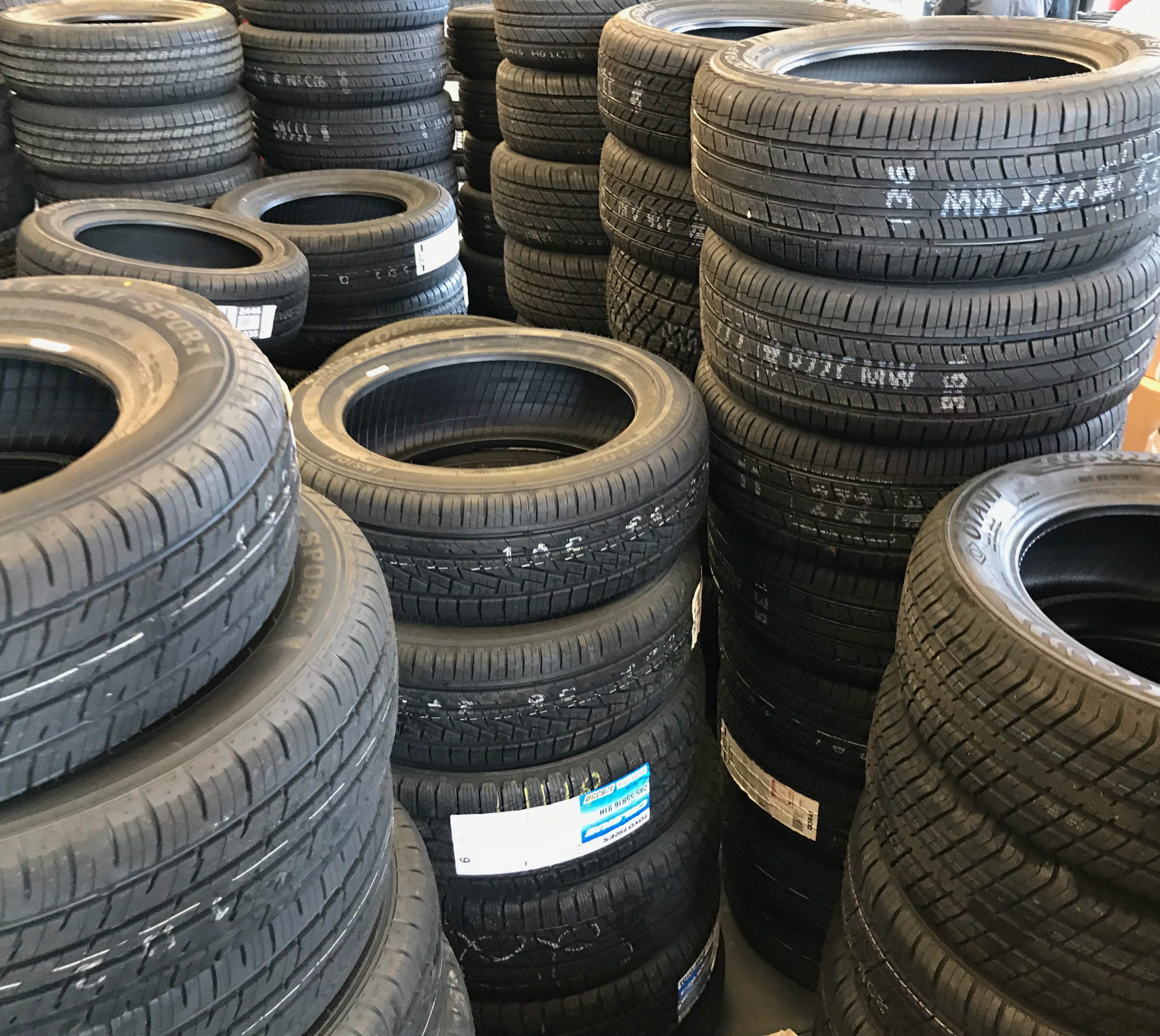
Your tire shop promised a “complete rotation service,” but something feels off about those freshly moved tires. Maybe it’s the way your car pulls slightly left now, or how the tread patterns don’t look quite right. Widespread confusion about proper tire rotation is creating real safety risks on American roads, but the actual problems have nothing to do with elaborate “scams.”
The Real Rotation Rules Your Shop Should Follow
Tire type, not internet wisdom, determines the correct rotation pattern for your vehicle.
The fundamental mistake most drivers make? Assuming all tires rotate the same way. Different tire designs require completely different approaches, and mixing up these patterns can compromise your safety.
Your drivetrain matters for rotation decisions:
- Front-wheel-drive cars typically use forward cross patterns
- Rear-wheel-drive vehicles often get rearward cross rotations
- All-wheel-drive systems usually require front-to-rear straight rotations to maintain differential balance
The dangerous part? Many shops default to whatever pattern seems fastest, ignoring the tire sidewall markings that specify directional requirements. This shortcut approach creates the real risk—not some elaborate industry conspiracy.
How to Spot Actually Unsafe Tire Practices
Real tire service red flags have nothing to do with rotation “scams” and everything to do with basic safety protocols.
Skip the conspiracy theories about shops deliberately sabotaging your tires—the actual risks are more mundane but potentially deadly. Watch for technicians who don’t check tire sidewalls before rotating, or shops that use identical patterns regardless of tire type.
Your tires tell the whole story if you know how to read them. Standard symmetrical tires offer the most rotation flexibility, accepting any pattern appropriate for your drivetrain. However, specialized tire designs require specific handling that many shops overlook.
The biggest red flag? Any shop that can’t explain why they chose their specific rotation pattern for your particular tires deserves your skepticism.
If you’re concerned about tire safety, forget the dramatic narratives circulating online. Instead, check your tire sidewalls before your next rotation appointment and verify your shop’s pattern choice matches your tire type. That simple verification protects you better than any internet conspiracy theory.