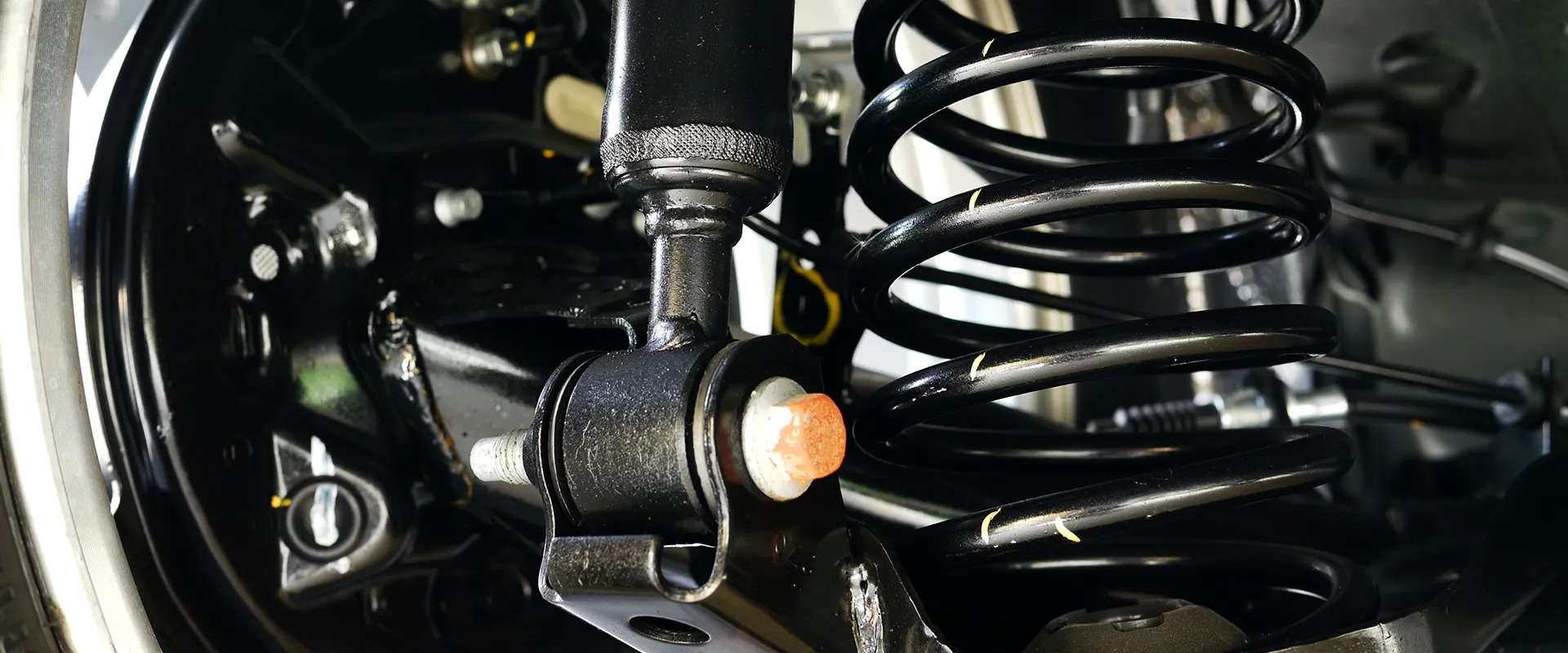
Your highway emergency stop just became a dangerous gamble. Worn shocks and struts don’t just make rides bouncy—they extend braking distances by 20-30% at highway speeds. That means your normal 130-foot stop from 60 mph stretches to 160-180 feet when your suspension fails you. Those extra 30 feet separate near-misses from tragedy.
Hidden Danger: When Tires Leave the Road
Here’s the terrifying reality most drivers miss: worn shocks let your tires bounce off the pavement during hard braking. Less tire contact means less friction, which translates directly to longer stopping distances. Studies show this tire bounce adds an extra 8.5 feet to stops from just 50 mph in dry conditions.
When your suspension components wear out, they can no longer maintain consistent tire-to-road contact during emergency braking. Highway speeds amplify this effect dramatically, turning minor suspension wear into a potentially lethal safety hazard.
The 30-Second Test That Could Save Your Life
You don’t need a mechanic to spot worn suspension. Walk to each corner of your parked car and press down hard with both hands. Push until the car compresses, then release. If it bounces more than once or twice, your shocks are shot.
Other warning signs include:
- Nose-diving during braking
- Excessive body roll around corners
- Cupping pattern on your tire treads that looks like someone took bites out of the rubber
No dashboard light warns you about this—unlike low oil or engine trouble, suspension wear creeps up silently. For drivers looking to tackle these and other issues themselves, many DIY car fixes can save hundreds of dollars in mechanic fees.
Twenty-Dollar Protection vs. Thousand-Dollar Replacement
If you’re serious about vehicle safety, strut boots offer cheap insurance against premature suspension failure. These $10-30 rubber covers seal your shocks and struts from road salt, dirt, and moisture—the contaminants that kill suspension components early.
Most drivers can install them in ten minutes with basic tools. While they won’t fix already-worn shocks, they can extend healthy suspension life by 20,000+ miles in harsh conditions. Consider the alternative: automotive maintenance costs continue rising, and full shock replacement runs $200-800, typically needed every 50,000-100,000 miles, depending on your driving conditions. These expenses are part of the broader picture of car ownership costs that every driver should consider.
Your car’s suspension isn’t just about comfort—it’s about whether you stop in time or become another highway statistic. Perform the bounce test this weekend. Those extra seconds of preparation could prevent years of regret.