Dead drivers tell no tales, but their crashed cars reveal everything about Ford’s BlueCruise system. Two fatal nighttime collisions in April 2024 exposed a terrifying flaw: the supposedly “hands-free” technology fails to detect stationary vehicles when you’re cruising above 70 mph. Both drivers and their BlueCruise systems never hit the brakes before slamming into stopped cars. If you’ve been lured by promises of highway automation, this investigation should shake your confidence.
The Technical Blindspot That Kills
BlueCruise deliberately ignores stationary objects at speeds above 62 mph to prevent phantom braking episodes.
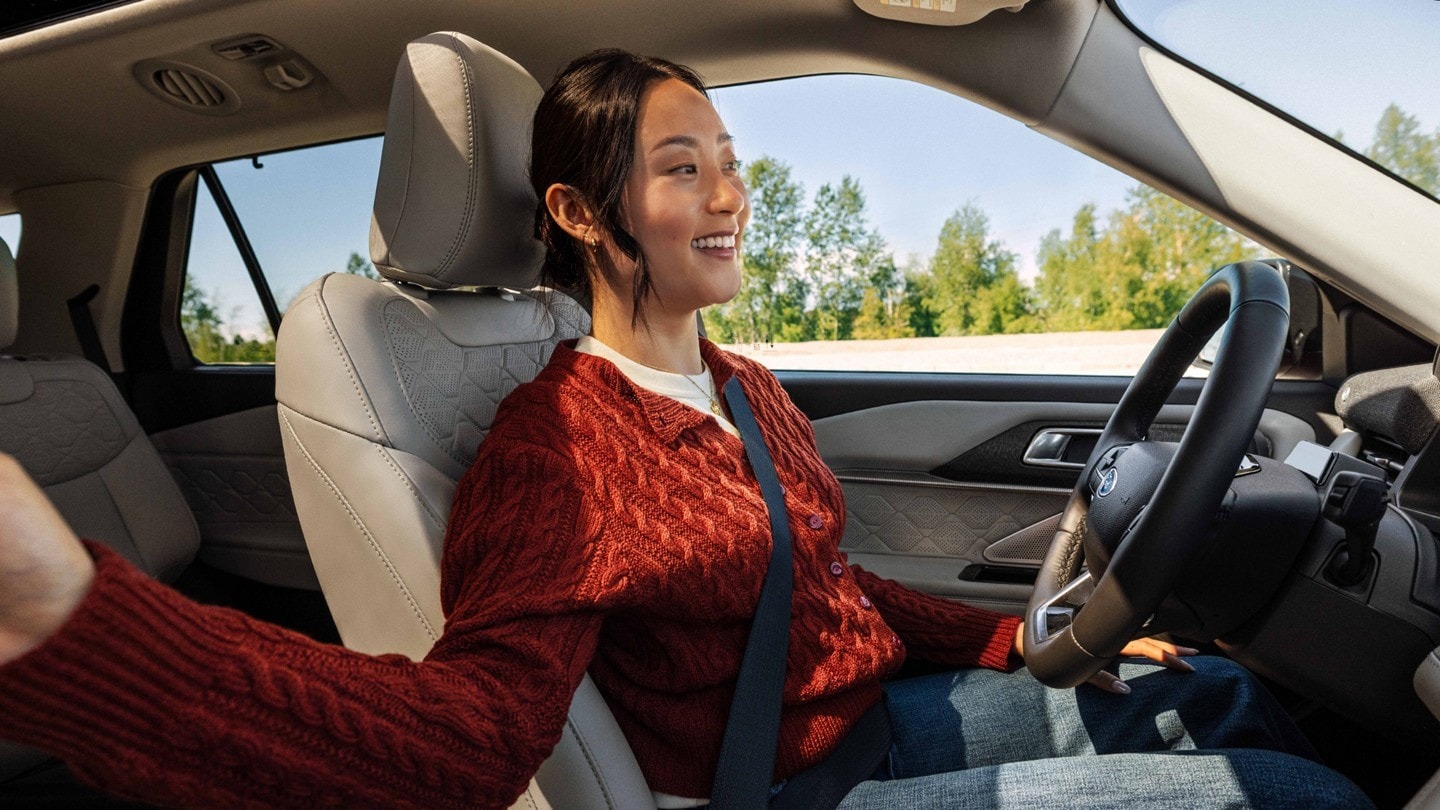
Ford’s system uses cameras, radar, and driver monitoring across 97% of North American highways, but it has a fatal limitation built right into its code. The Adaptive Cruise Control component stops responding to stationary objects once you hit highway speeds, supposedly to prevent those jarring phantom brake incidents that plague other systems.
According to NHTSA, “system limitations relating to the detection of stationary vehicles while traveling at highway speeds and in nighttime lighting conditions appear to be factors” in the crashes. Your BlueCruise might handle moving traffic beautifully, but a broken-down car becomes invisible.
Investigation Expands Beyond Two Deaths
NHTSA upgraded its probe to cover 129,222 Mustang Mach-Es after finding patterns in crash data.
The National Highway Traffic Safety Administration escalated its investigation from a preliminary evaluation to a full engineering analysis in June 2025, initially targeting 2021-2024 Mustang Mach-E vehicles. Investigators discovered four additional frontal collisions and identified trends across 32 crashes plus 2,004 non-crash reports where the system failed to respond to stopped vehicles.
The probe could eventually expand to cover 2.5 million Ford vehicles equipped with BlueCruise across the F-150, Explorer, and Expedition lineups. Ford has until August 2025 to provide crash data, software logic details, and any planned changes.
Industry-Wide Automation Accountability Crisis
Tesla Autopilot and GM Super Cruise face similar scrutiny as regulators question “hands-free” marketing claims.
Ford insists its safeguards “functioned as designed” and blames driver inattention for most incidents, despite logging over 500 million BlueCruise miles. But this investigation reflects broader skepticism about semi-autonomous driving promises across the industry. Tesla’s Full Self-Driving and GM’s Super Cruise systems face parallel federal probes for similar detection failures. NHTSA updated its 5-star safety ratings in 2024 to include driver assistance evaluation, signaling tougher oversight ahead.
Your morning commute shouldn’t require the same vigilance as a fighter pilot mission, yet that’s exactly what these “hands-free” systems demand. Until automakers solve the stationary object problem, keep your hands ready and your eyes scanning—because your car maintenance computer might be looking the other way when it matters most.