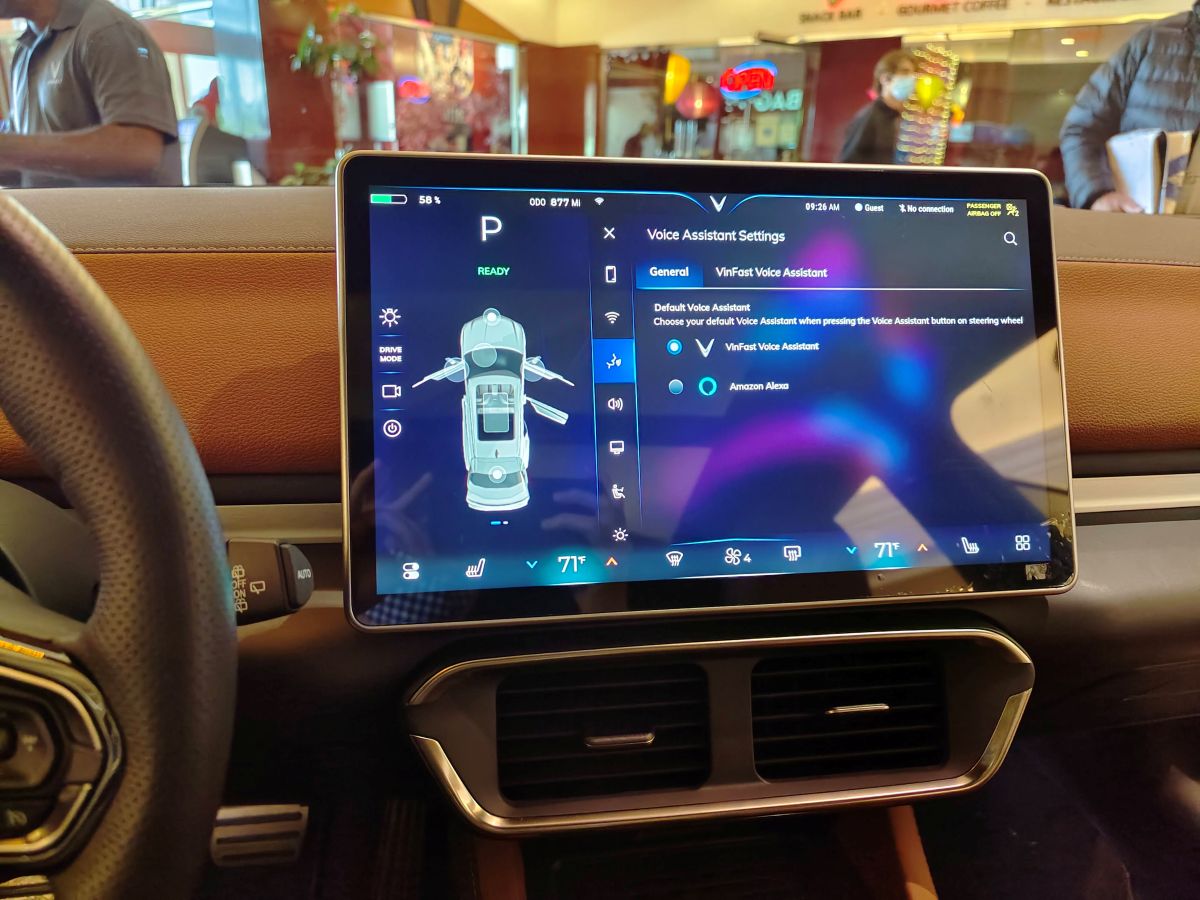
Here’s a nightmare scenario: you’re cruising down a pitch-black highway at 1 AM, interior reading light bothering your passenger. “Turn off the reading lights,” you tell your supposedly intelligent car. Instead of dimming cabin bulbs, your vehicle plunges into complete darkness—headlights, taillights, everything gone. You’re now a 4,000-pound missile barreling through the night, invisible to other drivers and blind to the guardrail rushing toward you.
This isn’t science fiction. It happened February 25, 2026, when a Lynk & Co Z20 driver in Guangxi, China, discovered that voice assistants can misinterpret commands in spectacularly dangerous ways. The electric SUV‘s AI heard “turn off reading lights” and decided that meant “turn off literally every light on this vehicle.” Dashcam footage captured the driver frantically shouting “turn on the lights!” only to hear the system respond with a chilling “This function is temporarily unavailable.”
Industry-Wide Wake-Up Call
Multiple automakers rush emergency fixes as similar voice command vulnerabilities surface across China’s EV ecosystem.
The crash triggered immediate soul-searching across China’s booming EV industry. Within 24 hours, Lynk & Co Vice General Manager Mu Jun issued a public apology on Weibo and pushed an emergency over-the-air update restricting voice control of headlights while driving. But here’s the kicker—owners of Zeekr and Deepal vehicles started testing their own cars with broad commands like “turn off all lights” and successfully bypassed safety systems. Both brands scrambled to issue their own fixes, revealing this wasn’t one company’s coding error but an industry-wide design flaw.
The root problem lies in the race toward buttonless cockpits where voice AI handles critical functions without secondary confirmations. These systems prioritize seamless user experience over fail-safe redundancy—a philosophy that works fine for adjusting your Spotify playlist but becomes lethal when applied to headlights at highway speeds.
Your next car purchase just got more complicated. As automakers chase that sleek, minimalist aesthetic, they’re removing physical controls and betting your life on voice recognition that apparently can’t distinguish between “dim the cabin” and “activate stealth mode.” Until regulators catch up with this brave new world of automotive AI, you might want to keep one finger on that light switch.