Correction: The initial title of this article made it unclear that we were talking about cars!
Consumer Reports’ latest reliability rankings dropped harder than your phone battery on a road trip, and the results might surprise anyone still clinging to outdated automotive stereotypes. Based on owner surveys covering both new and used vehicles, the 2026 data reveals which brands will actually get you to that must-visit BBQ joint without the roadside drama. Asian manufacturers continue their reliability dominance, averaging 56 points out of 100, while U.S. brands trail at 41 points—though some are staging impressive comebacks that would make any underdog movie proud.
14. Toyota Claims the Crown
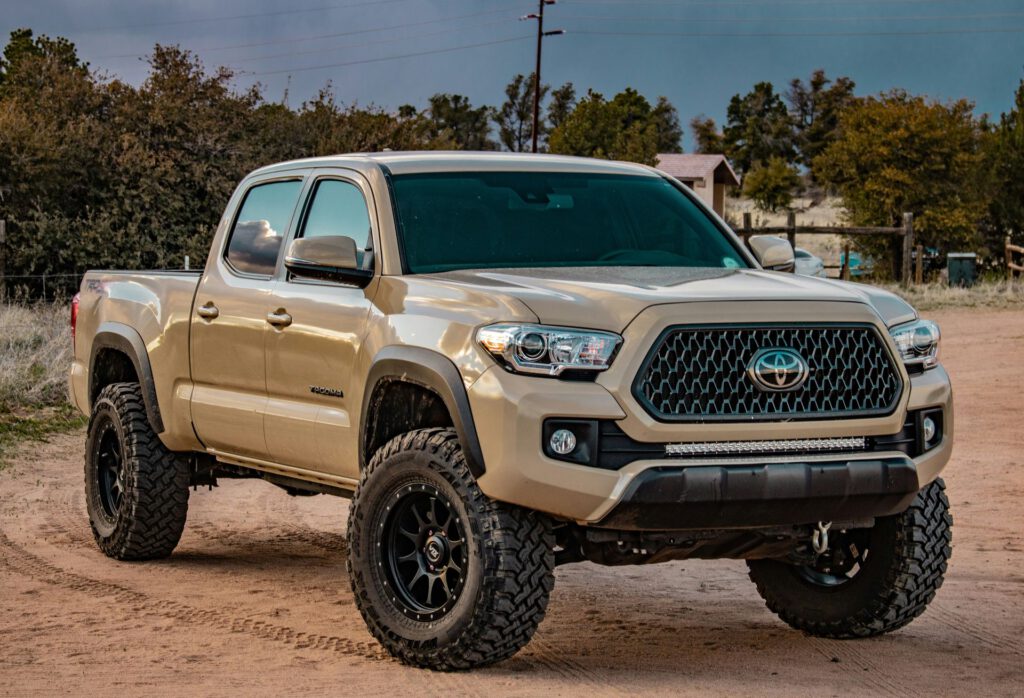
Twenty models above average prove this brand means business.
Toyota secured the #1 spot with an impressive 20 models scoring above average reliability. The 4Runner leads the pack with a stellar 95 out of 100 points, making it the automotive equivalent of that friend who never cancels plans. For anyone planning cross-country culinary adventures, Toyota’s track record speaks louder than any marketing campaign.
The brand’s success isn’t accidental—Toyota focuses on perfecting existing technology rather than chasing every shiny new trend. Even their lagging model, the Tundra, struggles mainly due to engine issues that don’t define the entire lineup. Toyota’s high resale values mean your investment stays protected, whether you’re hauling farm equipment or just hauling yourself to the farmer’s market.
13. Subaru Secures Second Place

All-weather capability meets dependable engineering.
Subaru claimed the #2 reliability ranking, proving that quirky doesn’t mean unreliable. With seven above-average models, including standouts that excel in all-weather conditions, Subaru builds cars for people who actually drive them in real-world conditions rather than just posing in parking lots.
The brand’s reputation for durability extends beyond marketing fluff. Subaru owners consistently report fewer unexpected breakdowns and lower long-term maintenance costs. For those navigating winding roads to off-grid restaurants or handling seasonal weather challenges, Subaru delivers the dependability that turns potential disasters into mere detours.
12. Lexus Rounds Out the Top Three

Luxury meets reliability without the typical trade-offs.
Lexus landed at #3, proving luxury and reliability aren’t mutually exclusive concepts. All Lexus models score average or better for reliability, making it the premium choice that won’t leave you stranded in expensive style. The brand combines Toyota’s engineering foundation with upscale amenities that actually work consistently.
Unlike some luxury brands where elegance comes with inevitable service appointments, Lexus delivers both sophistication and dependability. Their vehicles maintain strong resale values while providing the comfort features that make long drives genuinely enjoyable rather than endurance tests.
11. Honda Maintains Strong Performance
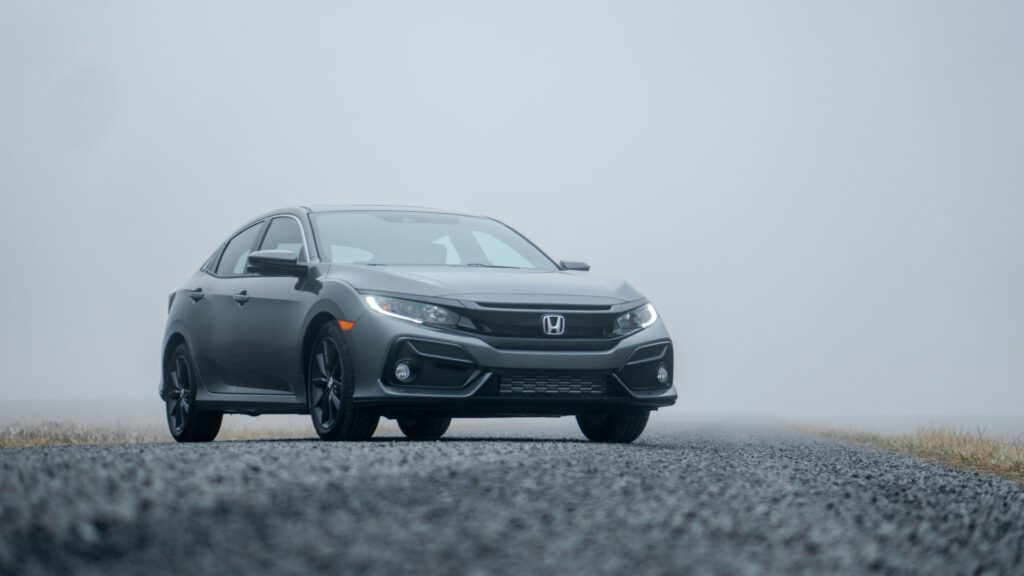
Seven models above average, including the stellar Passport.
Honda secured the #4 position with seven models ranking above average reliability. The Passport earned an exceptional 97 out of 100 points, demonstrating Honda’s ability to build vehicles that perform consistently over time. This isn’t just about initial quality—Honda vehicles tend to age gracefully.
However, Honda‘s electric Prologue stumbled with a disappointing 42 points, proving even reliable brands face challenges with new technology. The contrast highlights Honda’s traditional strengths in conventional powertrains while exposing growing pains in electric vehicle development.
10. BMW Enters the Top Five
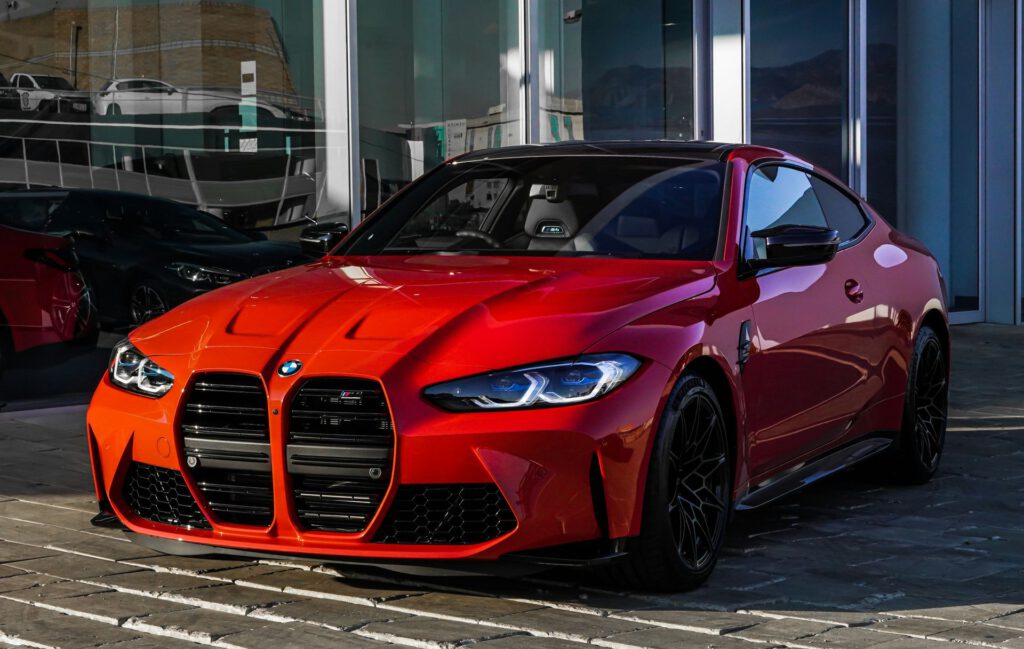
German engineering finally delivers on reliability promises.
BMW rounded out the top five, surprising anyone who associates German luxury with frequent service visits. While BMW ownership still requires more maintenance than Toyota ownership, the brand has significantly improved reliability without sacrificing performance characteristics that define the driving experience.
BMW’s inclusion proves that luxury brands can achieve reliability when they prioritize long-term engineering over flashy features. The brand offers compelling options for drivers who want performance and dependability, even if maintaining that balance requires slightly more attention than mass-market alternatives.
9. Buick Leads American Brands
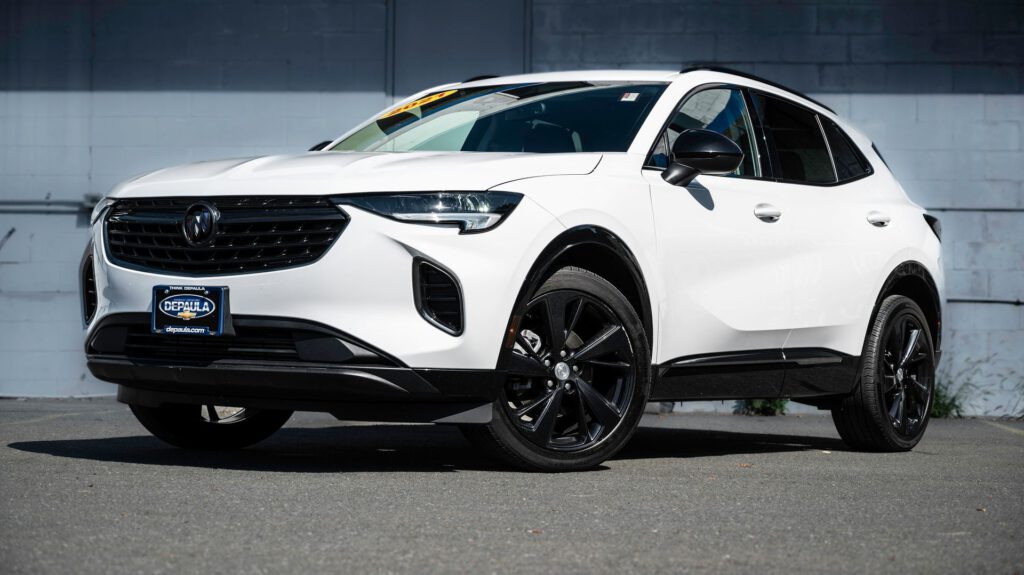
Domestic manufacturers show surprising improvement.
Buick claimed the #8 overall position, leading all U.S. brands in reliability rankings. This represents a dramatic turnaround for a brand once synonymous with your grandmother’s land yacht. Buick’s modern lineup delivers dependability that challenges import brand dominance.
The improvement reflects broader changes in American automotive manufacturing. Buick vehicles now offer reliability that matches their comfort features, creating compelling alternatives to import brands without sacrificing quality or durability.
8. Tesla Jumps Eight Spots

Electric reliability finally matches electric hype.
Tesla surged eight positions to claim #9, largely thanks to the Model Y scoring an impressive 81 out of 100 points. This dramatic improvement suggests Tesla has finally figured out how to build electric vehicles that don’t spend more time in service centers than driveways.
The jump represents a maturation of Tesla’s manufacturing processes. Early Tesla ownership often resembled beta testing, but recent models demonstrate that electric vehicles can match traditional powertrains for reliability while delivering environmental benefits.
7. Mazda Drops After Redesigns
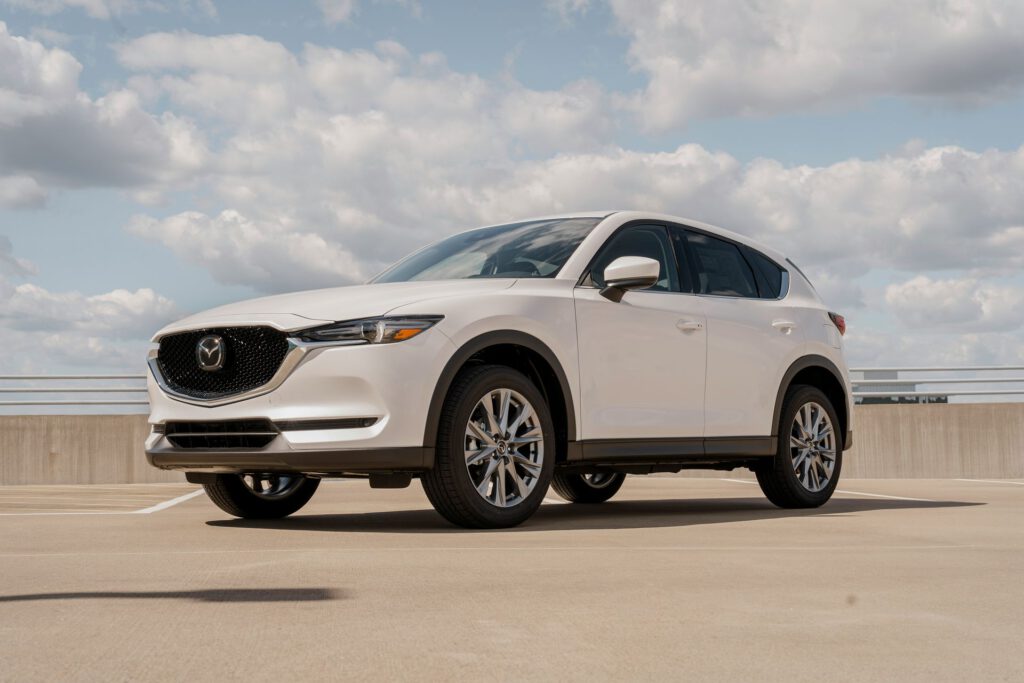
Fixing what wasn’t broken proves costly.
Mazda tumbled eight spots due to redesigns that excluded previously reliable models like the CX-5. The brand learned the hard way that improving successful designs requires careful execution rather than wholesale changes that sacrifice proven reliability.
Mazda’s decline illustrates the risks of over-engineering successful products. While innovation drives progress, Mazda’s experience shows that reliability often trumps cutting-edge features for most drivers.
6. Kia and Hyundai Show Mid-Pack Progress

Historical engine issues gradually fade into history.
Both Kia and Hyundai now occupy mid-pack positions, representing significant progress from their problematic past. Historical engine issues that once defined these brands are becoming distant memories as manufacturing quality improves consistently.
For long-term reliability spanning 5-10 years, these brands still trail Mazda and Acura. However, recent improvements suggest Kia and Hyundai will continue climbing reliability rankings as their engineering matures.
5. Acura Excels in Luxury Segment

Premium dependability without pretension.
Acura maintains strong performance in the luxury vehicle market, with models like the Integra scoring 56 out of 100 points. The brand combines luxury features with Honda’s reliability foundation, creating vehicles that deliver upscale experiences without constant service appointments.
Acura represents practical luxury—vehicles that provide premium amenities while maintaining the dependability that makes luxury ownership genuinely enjoyable rather than perpetually stressful.
4. Bottom-Tier Brands Face Challenges

Chrysler, GMC, Jeep, Ram, and Rivian struggle with consistency.
The lowest-ranked brands include Chrysler, GMC, Jeep, Ram, and Rivian, each facing distinct reliability challenges. These brands consistently report higher problem rates and owner dissatisfaction compared to top performers.
Chrysler and its related brands struggle with fundamental engineering issues that affect long-term ownership costs. Rivian, as a newcomer to automotive manufacturing, faces the typical growing pains associated with scaling production while maintaining quality control.
3. Long-Term Reliability Patterns

Five to ten-year ownership reveals true automotive character.
Long-term reliability data shows interesting patterns beyond initial rankings. Mazda and Acura often outperform their short-term rankings when evaluated over 5-10 year periods, while some brands like Kia (#21 long-term) show weaker extended performance.
These patterns matter more than initial reliability for owners planning to keep vehicles beyond lease periods. Smart buyers consider both short-term and long-term reliability data when making purchasing decisions.
2. Resale Value Connects to Reliability

Dependable brands protect your automotive investment.
Toyota and Lexus lead both reliability and resale value rankings, with the 4Runner topping lists for both new vehicle reliability and retained value. Honda also performs strongly in used vehicle reliability, making it attractive for both new and pre-owned buyers.
This connection between reliability and resale value creates a virtuous cycle—reliable vehicles maintain value, which funds better engineering in future models. Buyers benefit from both dependable transportation and protected investments.
1. The Reliability Takeaway
Choose brands with proven track records over marketing promises.
The 2026 Consumer Reports data confirms that reliability remains achievable when manufacturers prioritize engineering over gimmicks. Asian brands continue dominating reliability rankings through consistent attention to quality control and proven design philosophy.
For buyers seeking dependable transportation, the message stays clear: choose brands with established reliability records rather than flashy features that might fail. Whether you’re commuting daily or planning epic road trips to discover hidden culinary gems, reliability beats regret every single time.