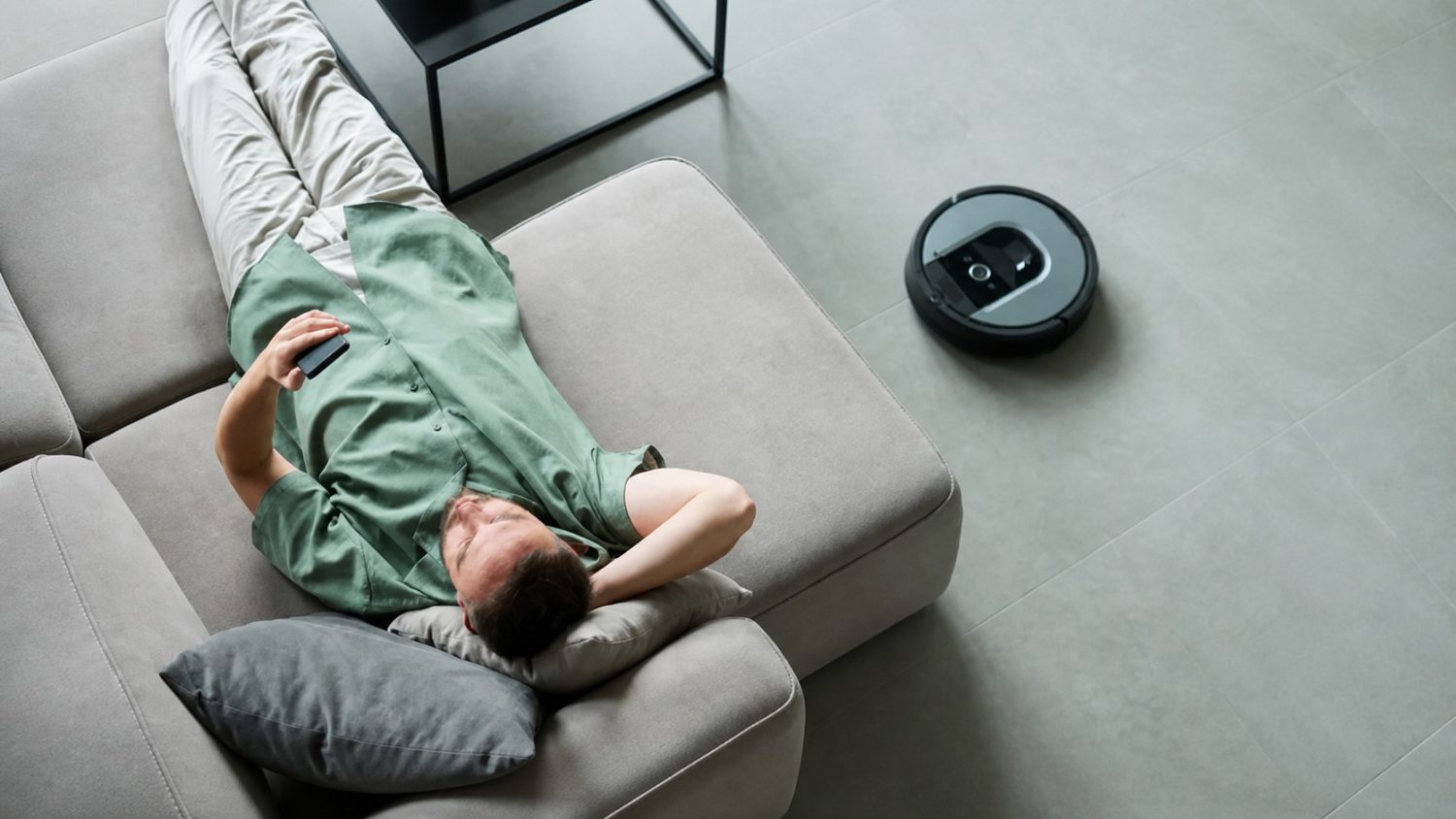
A man in Taiwan remotely opened his robot vacuum’s app, watched his wife’s alleged affair through the surveillance app‘s live camera feed, recorded it, and later won roughly US$16,000 in a civil dispute. Then the Taoyuan District Court sentenced him to five months in prison and fined him approximately US$4,700 for unlawfully capturing private images without consent.
That legal contradiction, probative evidence obtained through potentially unlawful recording, is not a quirk of Taiwanese law. It is the gap that consumer device makers have left open everywhere.
The Device on Your Floor Is a Sensor Platform
Your robot vacuum is not an appliance; it is a mobile surveillance platform that courts are increasingly willing to treat as a witness.
What sits in your living room charging between cleaning cycles combines cameras, microphones, spatial mapping data, movement logs, and cloud connectivity. All of it is accessible remotely through an app on your phone.
Courts have accepted consumer device data before, and the precedents are serious. Fitbit data helped convict a Connecticut murder defendant. The state supreme court upheld that conviction after finding the wearable data scientifically reliable, according to AP News reporting.
An Arkansas homicide inquiry drew on Amazon Echo records and smart water meter data to reconstruct a timeline. Amazon initially resisted disclosure before releasing the data after the defendant consented, per BBC and PBS NewsHour reporting.
The Taiwan case crystallizes the legal tension precisely: evidence can be highly probative even when it was captured through potentially unlawful means. That splits a critical question into two parts: can the footage help prove a claim, and does recording it expose the person holding the app to criminal liability? The answer, in Taiwan, was yes to both.
Manufacturers Owe You a Clearer Warning
Device makers ship these products with disclosure language buried so deep in terms of service that it might as well be hidden inside an IKEA assembly manual.
Device makers do not explain that remote access logs, movement maps, and live camera feeds can be subpoenaed, introduced in divorce proceedings, or turned against the person who controls the app.
Key legal questions remain unanswered: notice, consent, chain of custody, data retention, and authentication standards for device logs. The law governing all of it is a patchwork of federal and state rules built long before anyone imagined a camera on wheels mapping your bedroom floor. That camera now streams its footage to a server overseas.
The Taoyuan court also rejected the argument that marital status eliminated the other spouse’s privacy rights, according to Mothership.sg reporting. It signals that intimacy and physical proximity do not dissolve the legal expectation of privacy inside a home, even between spouses.
The Taiwan case shows both failure modes playing out simultaneously. The footage was compelling enough to secure civil damages and damning enough to send the person who captured it to jail.
Manufacturers cannot keep treating disclosure as a legal formality while their products generate surveillance-grade records inside the most private spaces in your life.
What Needs to Change
Clearer warnings, better validation standards, and honest data policies are not optional improvements; they are the baseline consumers deserve.
Device makers should surface plain-language warnings about remote access capabilities, data retention timelines, and the legal risks of using recorded footage as evidence. Courts, for their part, should demand clearer validation standards before admitting consumer device data, since reliability that holds up in a murder trial should not be assumed for every connected gadget that reaches a courtroom.
Until those standards exist, every smart device in your home is simultaneously a potential witness and a liability. The only party that does not seem to fully grasp that yet is the one that sold it to you.