Your phone number has become a master key to your digital life, yet most people treat it like a business card they’d hand out at a conference. Banks use it for account recovery. Email providers send you login codes through it. Social media platforms tie it to your profile for “security.” The problem? That same number is probably floating around data broker sites, visible to anyone with five minutes and a search engine.
Scrub Your Number from Data Broker Networks
Making your digits unsearchable requires systematic removal from people-search sites.
Search your phone number right now in Google, Whitepages, and Spokeo. That personal information didn’t appear by magic—data brokers collected it from public records, app permissions, and marketing databases. Each site has opt-out procedures, though they’re deliberately buried and slow.
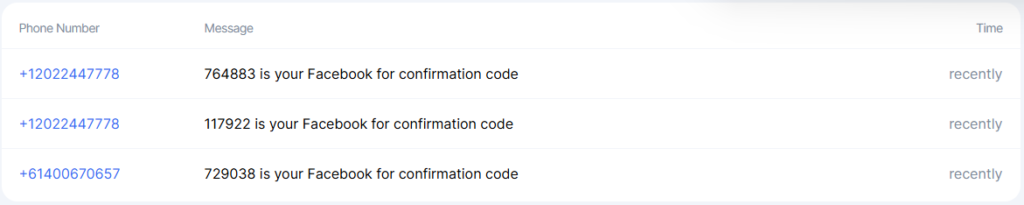
Some automated services handle bulk removals for a fee, but manual requests work if you have the patience. This cleanup process takes months to fully propagate through search engines and third-party aggregators, so start immediately. It is also a good idea to use a Temporary Phone Number Service. A trusted temp-number provider like Receive-sms.io lets you get verification codes instantly without exposing your real SIM.
Lock Down Your Carrier Account Before Attackers Do
Account-level security features can stop SIM swap attacks before they start.
Call your carrier today and set up an account PIN separate from your online password. This simple step blocks the most common attack vector—social engineering customer service reps into transferring your number to a criminal’s SIM card.
- Verizon offers number-locking features that prevent unauthorized port-outs
- T-Mobile’s Port Validation requires an additional 6 to 15-digit passcode for any number transfers
- AT&T provides similar account-level protections through its enhanced security options
These aren’t buried features—they’re free defenses sitting in your account settings, waiting to be activated.
Deploy Decoy Numbers for Everything Else
Virtual numbers create barriers between your real identity and the digital world.
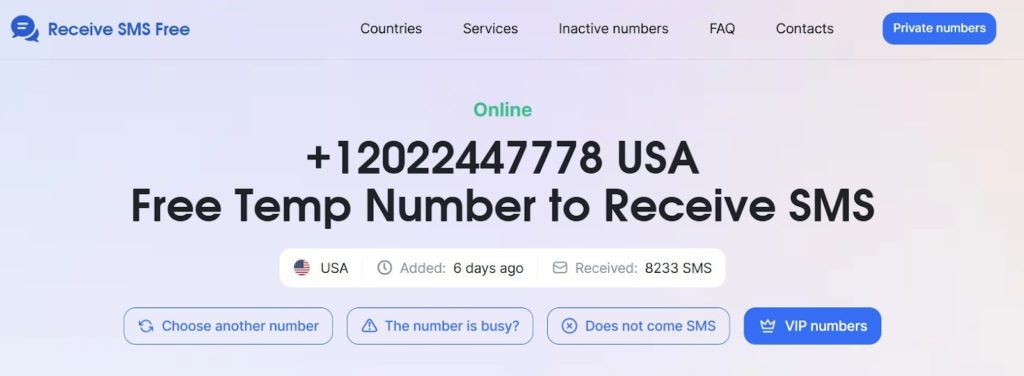
Stop giving your actual number to every shopping site, delivery app, and dating platform. Burner-style apps generate temporary numbers that forward calls and texts to your real phone while keeping your primary digits private.
When that discount furniture site inevitably gets breached (and they all do eventually), attackers get a disposable number instead of your banking 2FA channel. The same strategy works for gig workers who need customer contact without broadcasting their personal information across ride-sharing platforms.
Ditch SMS Authentication for Real Security
Authenticator apps eliminate the weakest link in your security chain.
SMS codes are convenient until someone else receives them. Switch your important accounts to app-based authentication using Google Authenticator, Authy, or similar tools. These apps generate codes locally on your device, making them immune to SIM swaps and network interception.
For your most critical accounts—email, password managers, banking—consider hardware security keys. They’re virtually phishing-proof and work even when your phone number gets compromised.
Start with your carrier’s account PIN tonight, then tackle data broker removal this weekend. Your phone number doesn’t have to be a digital liability waiting to happen.