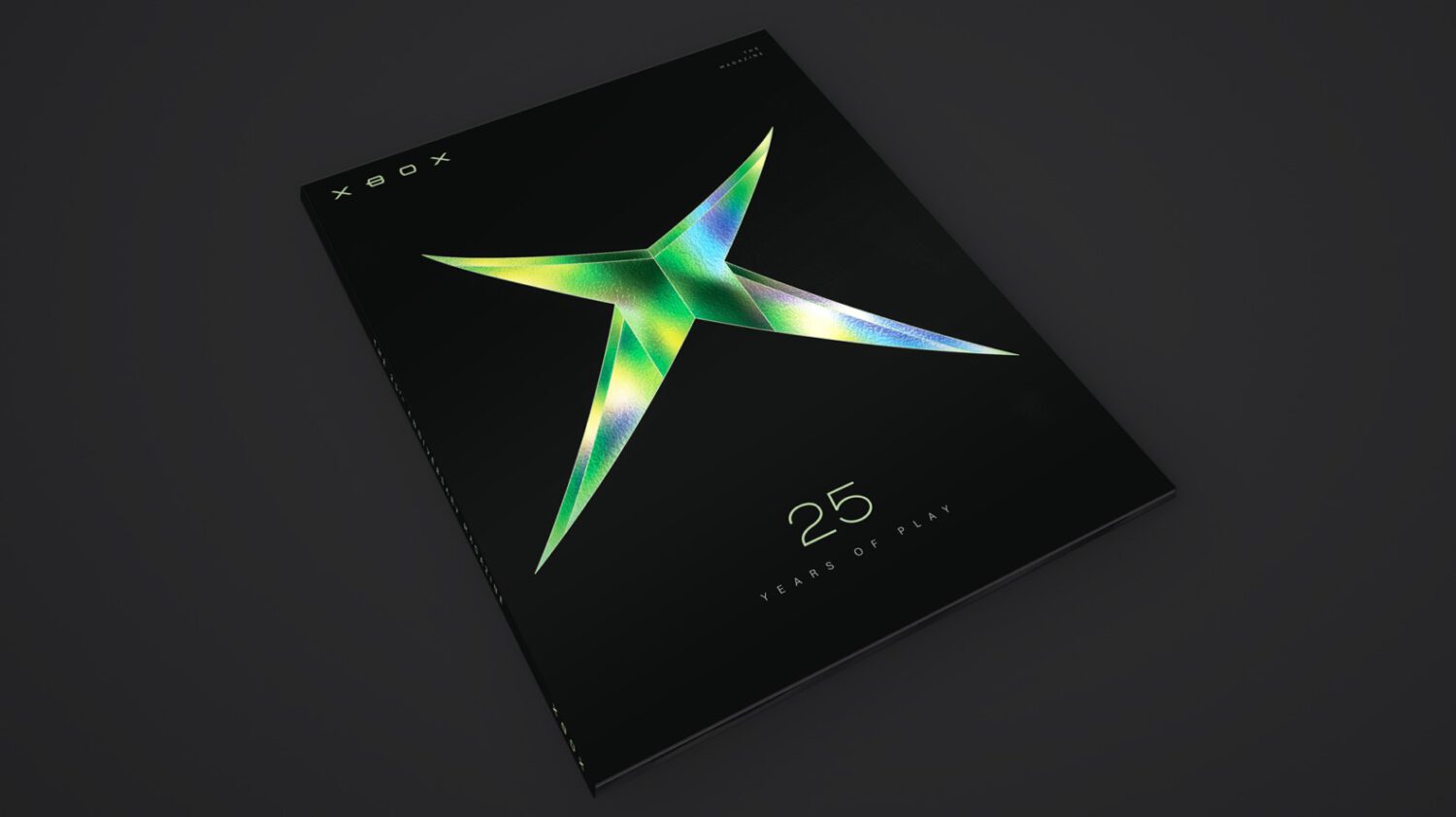
After years of near-silence on next-gen hardware, Xbox has surfaced concrete design philosophy for Project Helix, with Xbox’s official announcement and remarks from Jason Ronald, Xbox head of next generation, providing the first meaningful details.
Neural Rendering Is the Core Technical Bet
Neural rendering is Xbox’s primary path to better visuals, rather than relying solely on more powerful silicon.
Ronald explained the approach in reporting attributed to Xbox’s 25th-anniversary magazine: “This is a big reason why we’re really focused on advancements like neural rendering, because it’s an entirely new way to generate a frame without requiring more computational horsepower, additional memory, and things like that.” The precise implementation, image-quality targets, and which games will support it remain unconfirmed.
Headline Specs Are Not the Point
Helix’s generation will be defined by gameplay innovation, not by maximum-resolution or maximum-refresh-rate targets.
According to reporting from the anniversary magazine, Ronald indicated the console will not chase headline figures such as 8K resolution or 240Hz refresh rates. Final GPU, CPU, memory, and frame-rate specifications have not been announced.
Console First, PC Capable
Microsoft is drawing a deliberate line between a console that runs PC games and a PC marketed as a console.
Ronald’s framing was precise, as reported via Xbox’s anniversary magazine: “We’re very clear on the design goal: Helix is designed to be a console that is also capable of playing games from your PC. It is not a PC that can also play console games.” Which PC storefronts, compatibility layers, or technical environments will be supported has not been resolved.
Xbox Anywhere Becomes More Central
Helix is expected to extend the unified Xbox-PC library experience that earlier devices began to establish.
Reporting from the anniversary magazine attributes to Ronald the view that the ROG Xbox Ally handhelds served as a precursor to what Helix will offer across the Xbox and PC ecosystem. The final storefront design and interface structure are unconfirmed.
Not Another Windows PC
Helix is being designed around a dedicated console experience rather than the Windows-based environment used in the Ally handhelds.
Ronald’s reported comments suggest Helix will not simply replicate the Windows 11 setup found in the Ally devices. Whether the console runs Windows beneath a customized interface or uses a separate environment entirely has not been established.
Four Generations of Backward Compatibility
Four generations of Xbox games are explicitly in scope for Helix, according to Microsoft’s official announcement.
Xbox confirmed it is committed to keeping games from four generations of Xbox playable on the next console. The complete compatible game list and any planned performance enhancements have not been announced.
Component Costs Are Shaping Every Decision
Hardware economics are influencing Microsoft’s engineering priorities, including the emphasis on neural rendering.
Xbox’s official announcement describes meaningful efficiency gains and next-generation rendering work developed with AMD, though the company has not directly cited component-price pressure in its primary statements. No consumer price has been announced. Xbox confirmed that alpha hardware is planned for developers beginning in 2027, but no consumer release window has been set.
What Xbox Has Not Said
Final price, detailed processor and memory specifications, graphics performance targets, operating-system architecture, and the full scope of PC game support are all still unknown. Microsoft has not provided a confirmed consumer release date.