The gaming industry raked in over $184 billion in revenue last year, yet somehow, certain products still manage to disappoint harder than a movie sequel nobody asked for. This isn’t about celebrating innovation—it’s about dodging the duds, those devices that promise gaming glory but deliver nothing but frustration. You’ve probably encountered that sinking feeling when unboxing a “revolutionary” peripheral, only to discover it’s more paperweight than performance enhancer. Here’s your guide to the year’s biggest gaming gear face-plants, so you can spend your cash on something that actually works.
1. Corsair Sabre V2 Pro
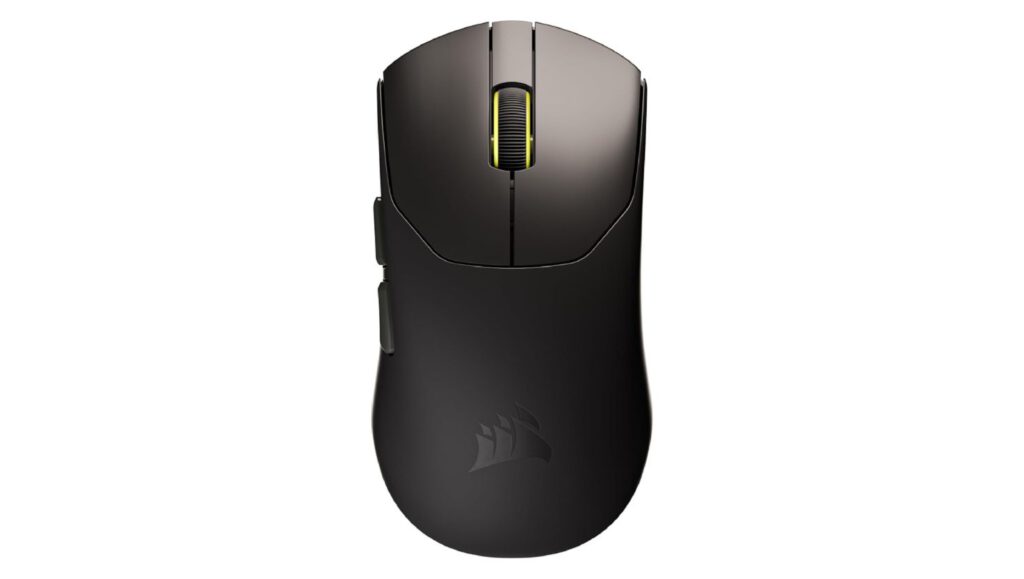
This ultralight mouse weighs less than your expectations—and delivers about as much.
At just 36 grams, the Corsair Sabre V2 Pro should glide like butter on hot toast, but there’s a catch. Those switches feel mushier than a politician’s campaign promises, delivering an experience that’s more “cheap knockoff” than “premium peripheral.” The hollow click sound? That’s the sound of your gaming dreams slowly deflating.
Picture missing a clutch headshot because your mouse click feels like pressing a soggy marshmallow. For a device targeting competitive gamers, the mushy button feedback undermines everything the lightweight design tries to accomplish. Anyone who’s chasing that competitive edge should look elsewhere—this mouse might just hand victory to your opponent.
2. Drunken Dear A75 Ultra
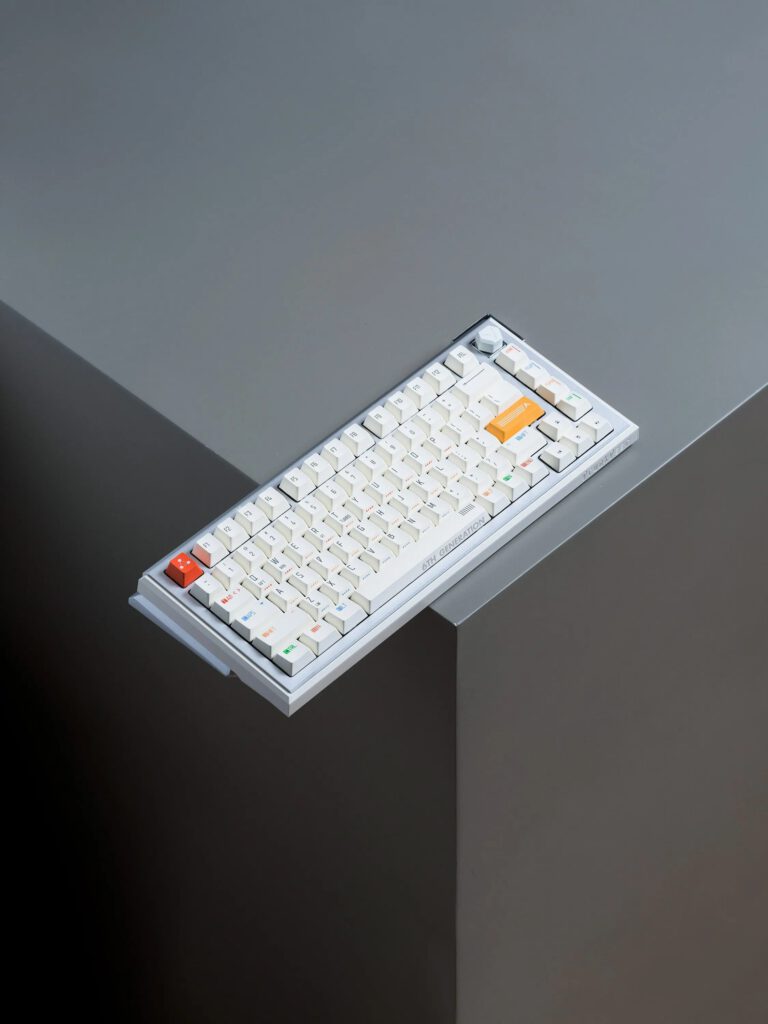
Two versions, twice the confusion, and a masterclass in how not to handle product launches.
Ever paid extra for the “premium” version only to get played? The Drunken Dear A75 Ultra pulled a classic bait-and-switch. The original version, featuring Gatoron Jade Pro switches and an improved typing experience, vanished faster than free pizza at a gaming convention—discontinued after just one month.
Enter version two, priced $60 higher with self-developed switches and aluminum trimmings. Even when later discounted by $69, the upgrade felt more like a sidegrade wrapped in shinier packaging. The same case design issues persisted, proving that sometimes paying more gets you less satisfaction and a hefty dose of buyer’s remorse.
3. Ducky 1X
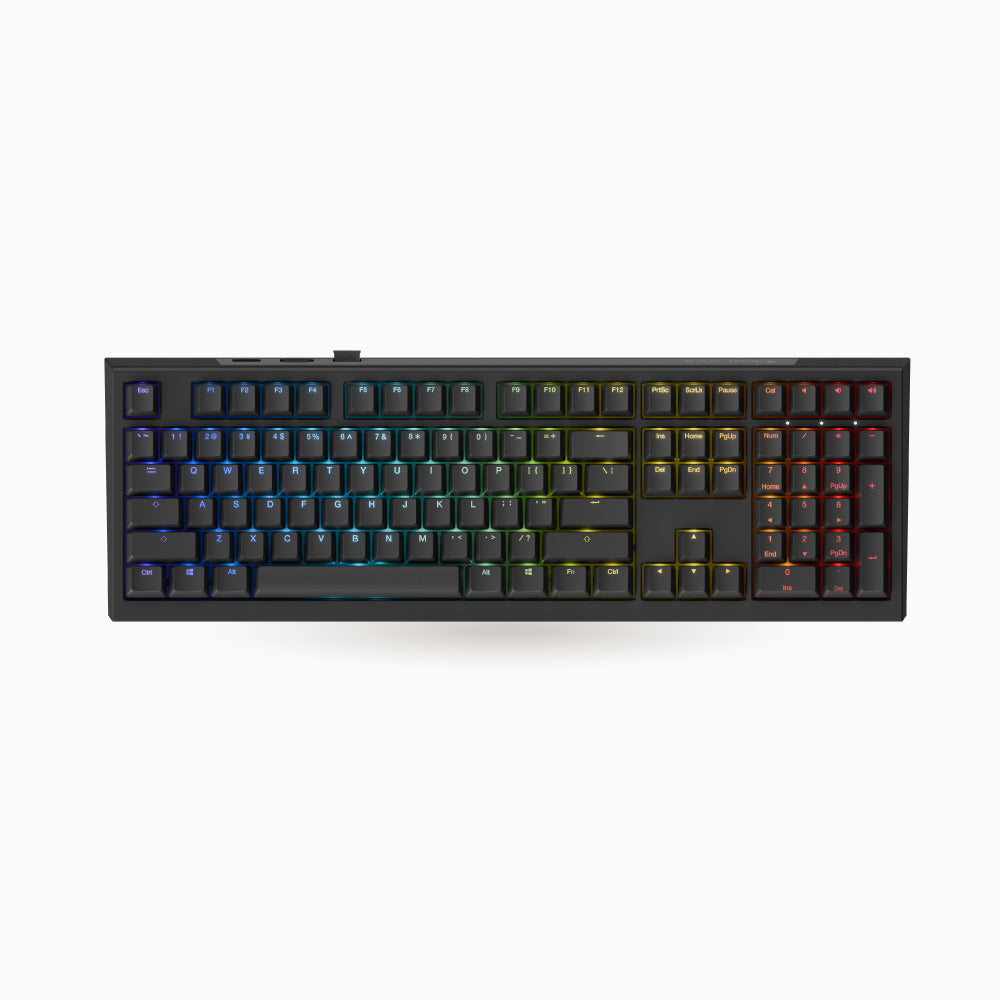
Promises smooth typing but delivers chemical warfare in keyboard form.
Opening the Ducky 1X releases a chemical smell so potent it could clear a LAN party. This board ditched Hall Effect switches for in-house inductive alternatives, promising smooth typing and pleasant acoustics. What you actually get is a feature-incomplete keyboard that launched missing essentials like SOCD cleaning, onboard profiles, and properly labeled software.
The Rapid Trigger settings require a computer science degree to decipher, and basic gaming features were nowhere to be found at launch. Anyone who’s wrestled with poorly designed software knows the frustration—it’s like trying to navigate a maze blindfolded while someone plays dubstep through a megaphone.
4. Pulsar X2 Crazy Lights
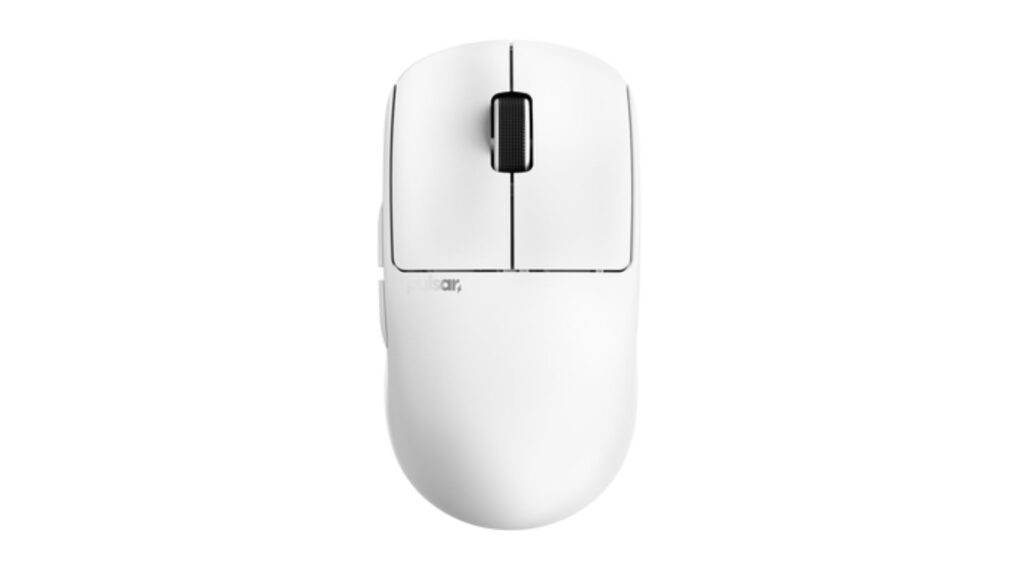
Flashy lights can’t mask fundamental reliability problems.
Clutching victory only to have your left mouse button fail after a couple months hits differently. The Pulsar X2 Crazy Lights suffers from a delicate ribbon cable design that requires gymnastics-level flexibility just to adjust the weight. It’s like performing surgery every time you want to tweak your setup.
Those eye-catching RGB effects become meaningless when your primary click stops responding mid-game. The build quality issues that plague this mouse prove that looking cool doesn’t guarantee performance. Sometimes the flashiest option is just a light show covering up fundamental flaws.
5. Pulsar X3
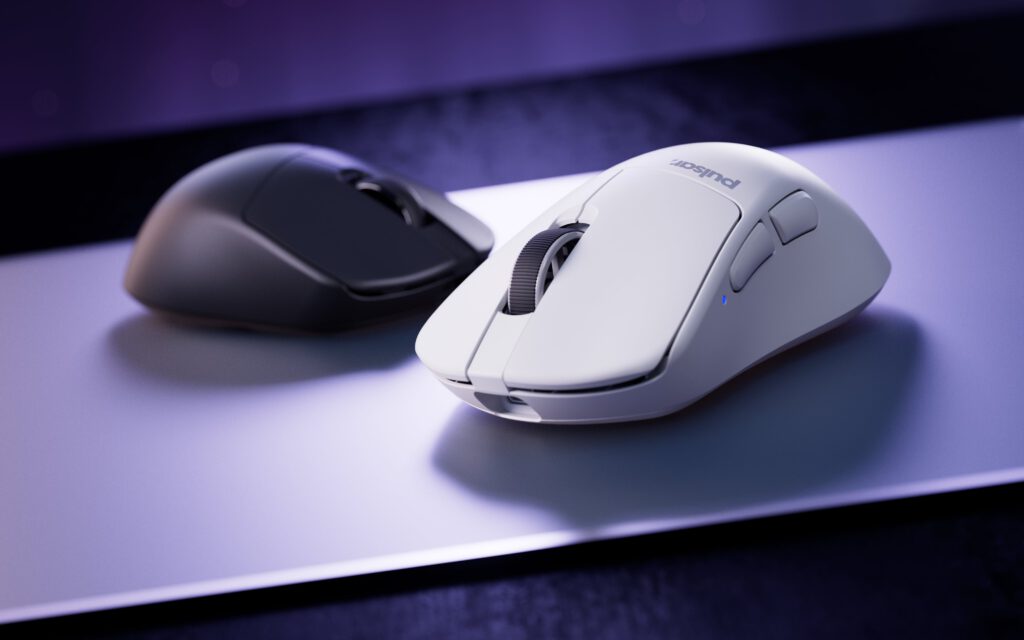
Dead on arrival isn’t a feature, despite what this mouse might suggest.
Discovering your brand-new mouse’s left button doesn’t work straight from the box ranks somewhere between stepping on a LEGO and realizing you forgot to save your progress. The Pulsar X3 turned unboxing day into troubleshooting hell for unlucky buyers who received non-functional units.
Testing every peripheral before committing becomes crucial when quality control takes a holiday. Anyone who’s experienced the crushing disappointment of DOA hardware knows the drill—that moment when excitement transforms into pure frustration faster than a speedrunner hitting reset.
6. Pulsar ZyWoo Mouse
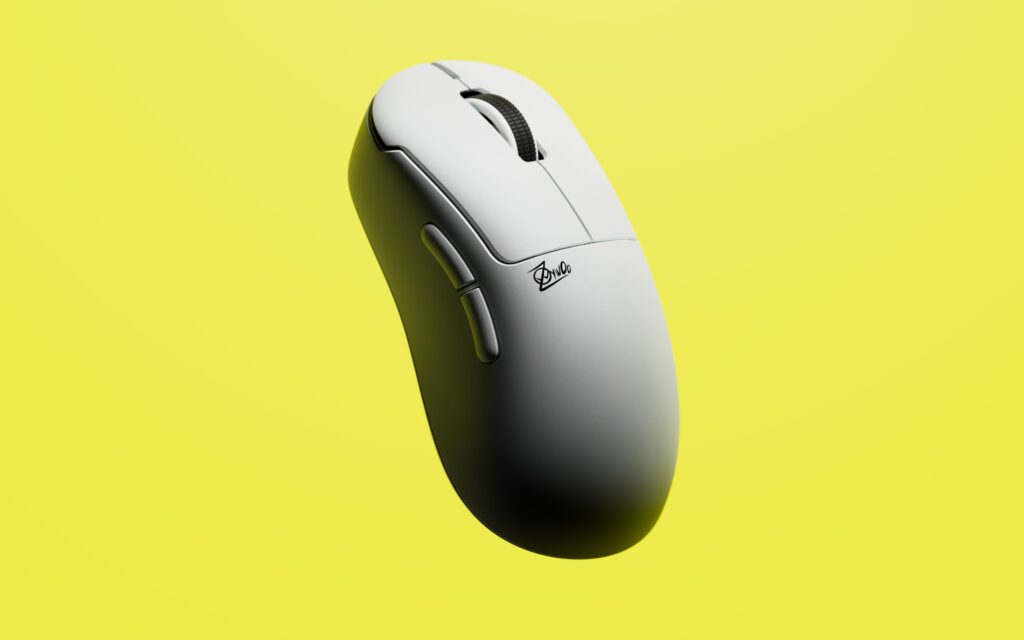
Features a ribbon cable more fragile than your gaming confidence after a losing streak.
Mid-stream hardware failure hits different when you’re live and your mouse literally falls apart. The Pulsar ZyWoo Mouse‘s ribbon cable design resembles dental floss supporting a suspension bridge—delicate doesn’t begin to cover it. That cable snapped during normal use, turning a gaming session into an impromptu repair tutorial.
Weight adjustment requires detaching and reattaching this fragile component, a process nerve-wracking enough to make you question your life choices. Building peripherals with structural integrity shouldn’t be revolutionary, yet here we are in 2024 dealing with mice that self-destruct.
7. Logitech G Pro X 2 SE
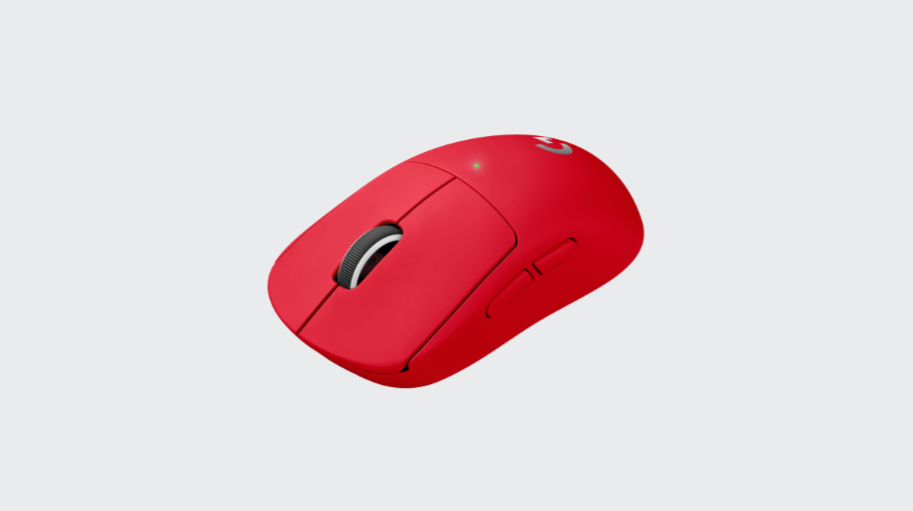
Seven hours of battery life in a world that demands marathon gaming sessions.
Clocking roughly 7 hours of battery life, the G Pro X 2 SE embodies the “why bother?” philosophy. Anyone who’s experienced mid-raid battery death knows that sinking feeling—like getting ghosted during an important conversation. The default 1,000 Hz polling rate seems adequate until you realize higher rates require purchasing a separate dongle.
The minimal price difference compared to the full G Pro X 2 makes this version feel pointless, especially when you inherit the same problematic scroll wheel switch and sandpaper-textured mouse feet. Unless you collect disappointments, save yourself the headache and skip this abbreviated attempt at budget gaming gear.