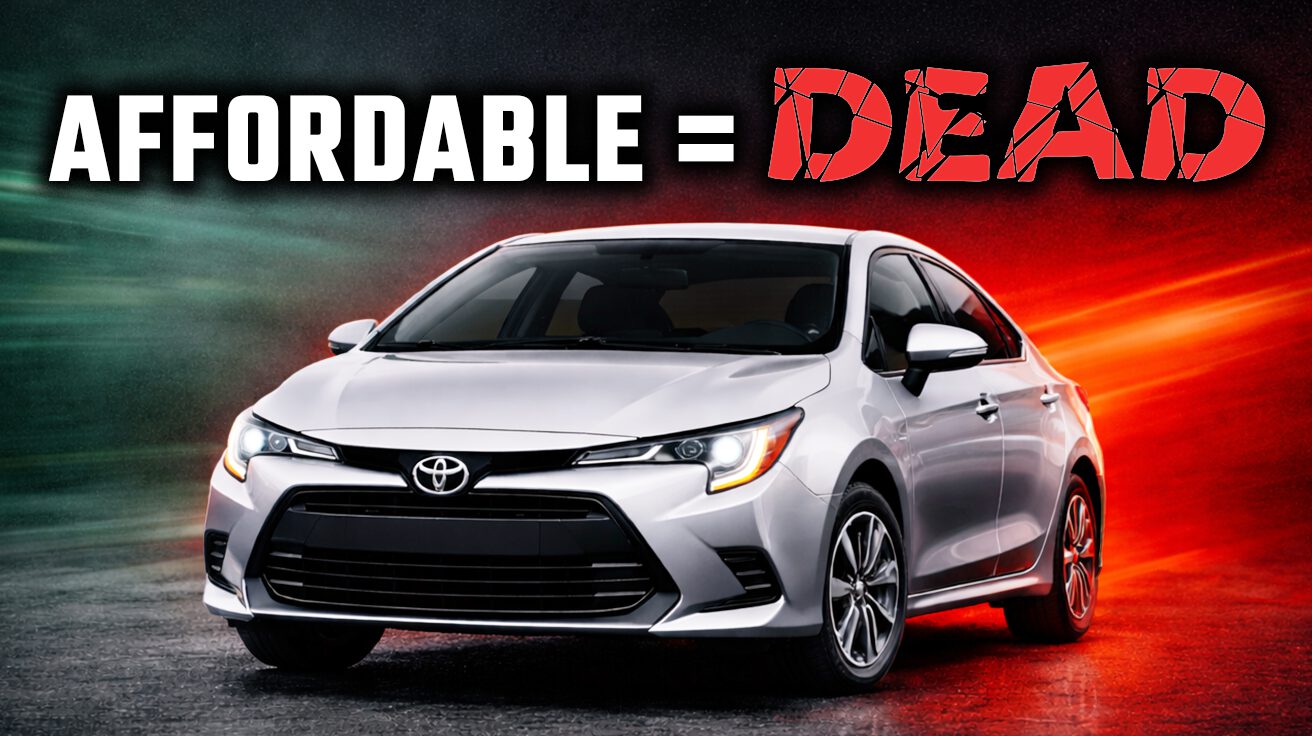
Finding a new car priced under $30,000 has become trickier than securing concert tickets through a glitchy app. Recent industry data show that affordable new vehicles accounted for just 7.5% of U.S. new-car sales in November 2025, a smaller share than vehicles priced above $75,000, which captured 10.8% of the market. The gap highlights how quickly the entry-level segment has been squeezed out of new-vehicle showrooms.
The good news is that a small number of budget-oriented models still exist, though they are increasingly concentrated in compact sedans and subcompact crossovers with limited trim flexibility.
1. Why Affordable Cars Are Vanishing

Manufacturers are prioritizing profitable SUVs and tech-heavy models over budget sedans.
According to Cox Automotive, U.S. new-vehicle sales are projected to reach 15.8 million units in 2026, a 2.4% decline year over year, as affordability pressures continue to push many buyers out of the new-car market. At the same time, Edmunds describes the current environment as a “K-shaped” market, where higher-income buyers continue upgrading into premium vehicles while payment-sensitive consumers delay purchases or exit the new-car market entirely.
Edmunds reports that average monthly new-car payments remain around $712, a figure that has become a practical ceiling for many households that historically shopped below the $30,000 threshold. Over time, this bifurcation risks hollowing out the traditional entry-level segment that once anchored mass-market vehicle sales.
2. The Few New Cars Still Under $30,000
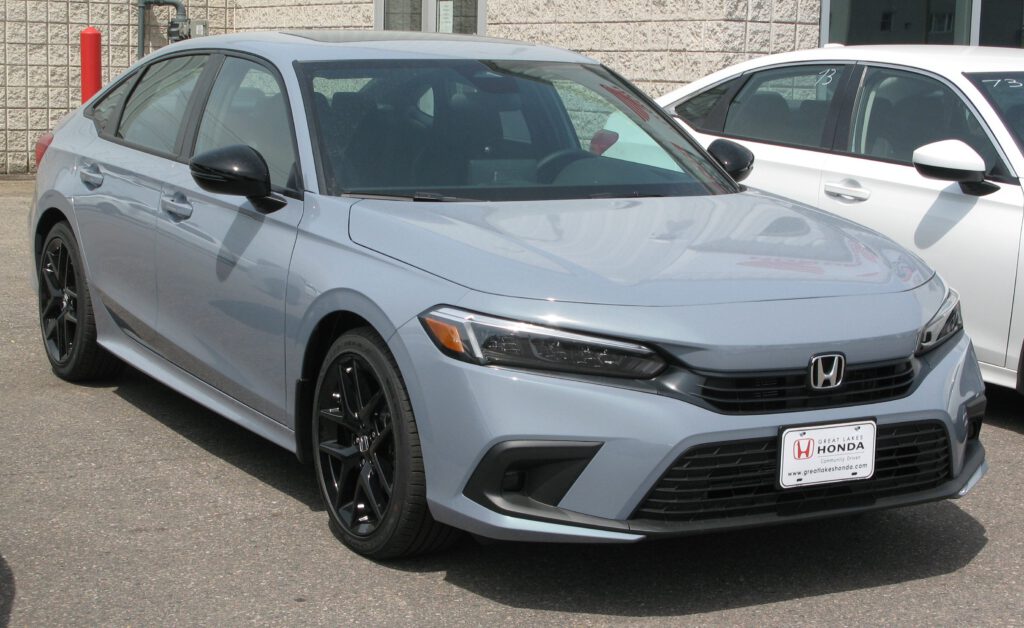
Despite these pressures, several manufacturers continue offering new vehicles with starting prices below $30,000, largely by limiting powertrain choices and optional features.
Industry pricing data from Edmunds and manufacturer MSRPs indicate that the remaining sub-$30K new-car segment is dominated by:
Compact sedans, such as the Toyota Corolla, Honda Civic, Hyundai Elantra, and Nissan Sentra, benefit from global platforms and high production volumes
Subcompact cars, including the Nissan Versa and Mitsubishi Mirage, rely on low manufacturing costs and minimal feature complexity
Entry-level subcompact crossovers, such as the Chevrolet Trax, replace discontinued small sedans while maintaining lower base pricing
Analysts note that transaction prices frequently rise above sticker once dealer add-ons and popular options are included, meaning true sub-$30K deals are increasingly trim- and market-specific rather than widely available.
3. The Used Car Alternative

Off-lease inventory could surge by 400,000 units in 2026, offering near-new alternatives.
Cox Automotive estimates that off-lease vehicle supply could increase by roughly 400,000 units in 2026, as leases signed before the sharp interest-rate increases of 2023–2024 return to the market. These vehicles typically offer lower prices than comparable new models while retaining modern safety features and relatively low mileage.
However, analysts caution that used-vehicle financing rates remain higher than pre-pandemic norms, and warranty coverage varies significantly unless vehicles are purchased through certified pre-owned programs.
4. Smart Shopping in a Constrained Market

Target models with proven reliability records and reasonable maintenance costs.
For buyers determined to minimize cost while maintaining reliability, industry analysts consistently recommend focusing on models with strong long-term dependability records and modest repair costs.
Edmunds and Cox Automotive both suggest monitoring seasonal inventory cycles—particularly late summer and year-end periods—when dealers are more likely to discount outgoing model years. Fuel efficiency and insurance costs also play an increasingly important role in total ownership expenses as purchase prices rise.
The broader takeaway is clear: affordable new cars have not disappeared entirely, but they are being structurally deprioritized. Buyers who remain flexible on body style, features, and ownership path are best positioned to navigate a market that no longer treats entry-level vehicles as a central growth category.