Automotive tech at CES 2026 delivered more than flashy demos and marketing speak. The innovations showcased promise genuine improvements to safety, convenience, and the driving experience. From AI assistants that anticipate your needs to thermal cameras that spot hazards in darkness, these aren’t just gadgets—they’re glimpses into a future where cars become truly intelligent companions. After cutting through the hype, here are the technologies that will actually change how you drive.
8. Bosch Vehicle Motion Management
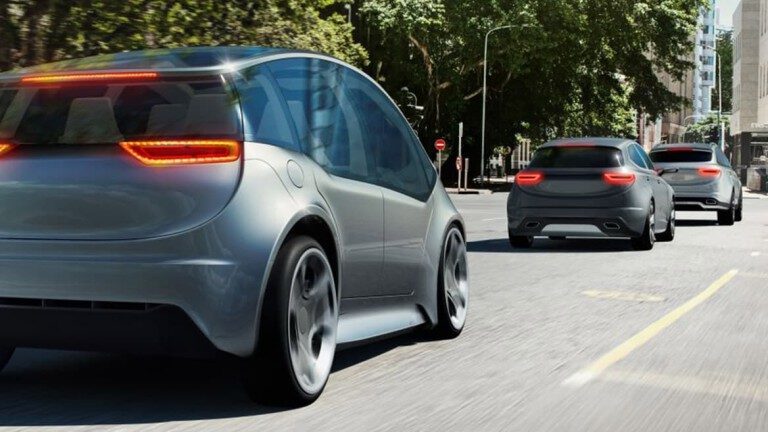
Post-sale software upgrades transform your car’s performance without visiting a mechanic.
CES 2026 highlighted Bosch’s Vehicle Motion Management system, which enables post-sale software upgrades through brake-by-wire technology. Think of it like updating your phone’s operating system, except your car’s handling improves instead of your camera filters. With Microsoft and NVIDIA providing AI integration, vehicles learn driving patterns and adapt accordingly.
The system represents a shift toward cars as platforms rather than static machines. Instead of buying new vehicles for better performance, owners receive upgrades that enhance braking, stability, and overall dynamics through wireless downloads.
7. Cerence xUI AI Assistant
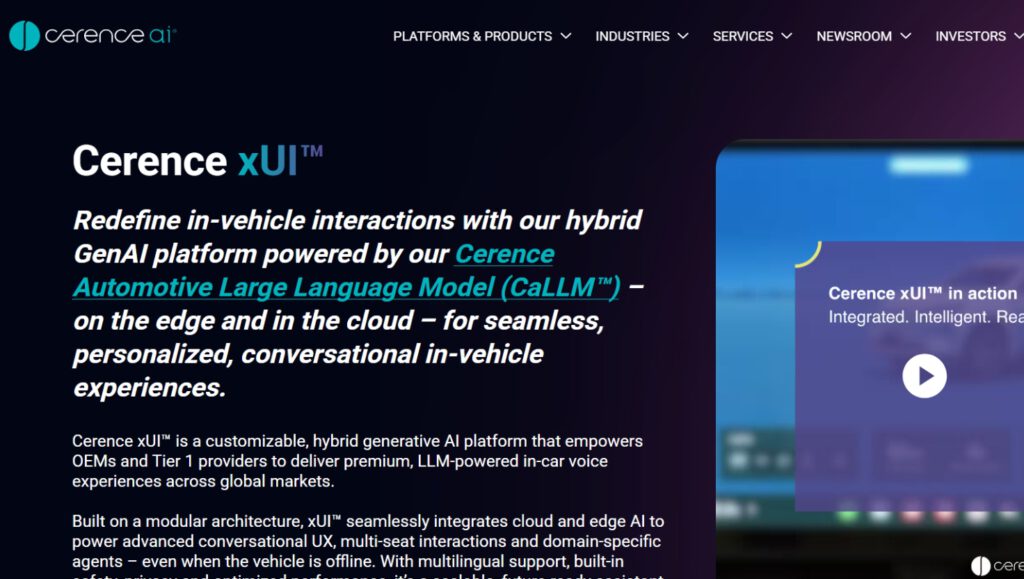
This AI predicts your driving needs before you realize them yourself.
Cerence unveiled its xUI AI Assistant at CES 2026, powered by NVIDIA and Microsoft technology. The system analyzes driving patterns to suggest charging stops during long trips or adjust seat positions based on time of day and route duration. Rather than responding to commands, it anticipates them.
The assistant learns from daily routines, weather conditions, and traffic patterns. Anyone who’s forgotten to charge their EV or adjust mirrors knows how these small oversights compound. This technology promises to eliminate such friction points entirely.
6. Ford L2+ ADAS and L3 Autonomy
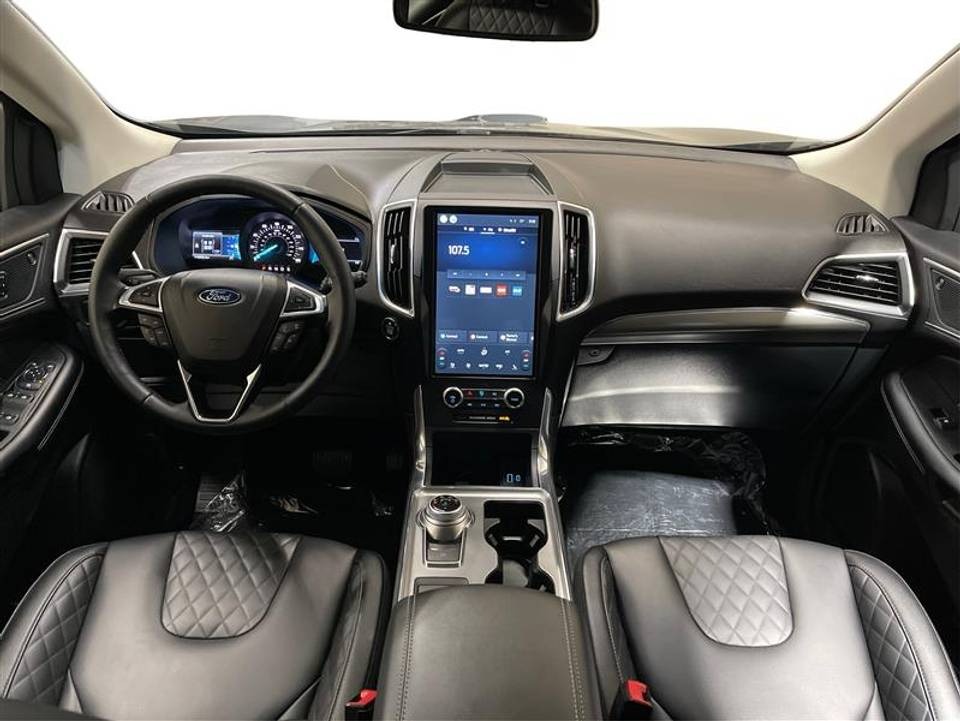
Hands-free highway driving becomes standard equipment, not luxury feature.
Ford demonstrated in-house L2+ Advanced Driver-Assistance Systems and Level 3 autonomy capabilities designed for seamless highway operation. The technology handles steering, acceleration, and braking while drivers remain alert but hands-free. Level 3 systems take responsibility for driving tasks under specific conditions.
This represents Ford’s commitment to developing autonomous technology internally rather than relying solely on suppliers. The systems promise personalized AI experiences that adapt to individual driving preferences and routes.
5. Gentex Thermal Cameras
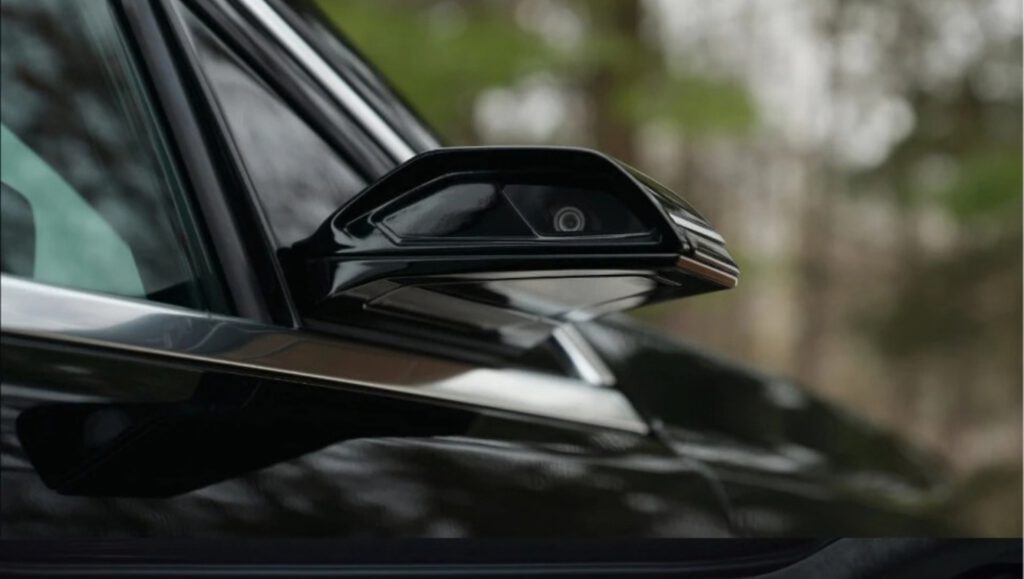
Night vision technology spots animals and hazards that headlights miss entirely.
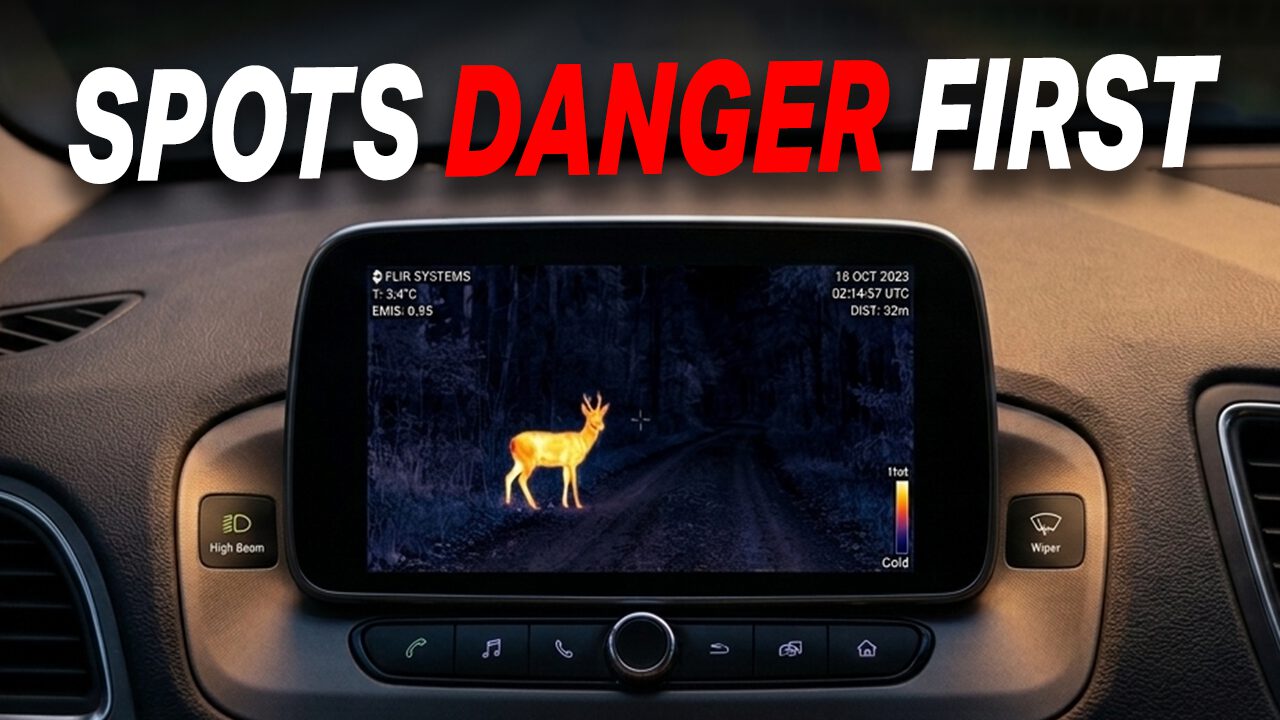
Gentex showcased thermal imaging cameras that detect heat signatures invisible to standard headlights. The system identifies animals, pedestrians, and road debris in complete darkness, triggering automatic braking or driver alerts before collisions occur. Think military-grade night vision adapted for civilian roads.
Rural drivers face constant uncertainty about what lurks beyond headlight range. These cameras eliminate that guesswork by revealing thermal signatures up to several hundred meters ahead, providing crucial reaction time for emergency maneuvers.
4. Pioneer AI Cameras
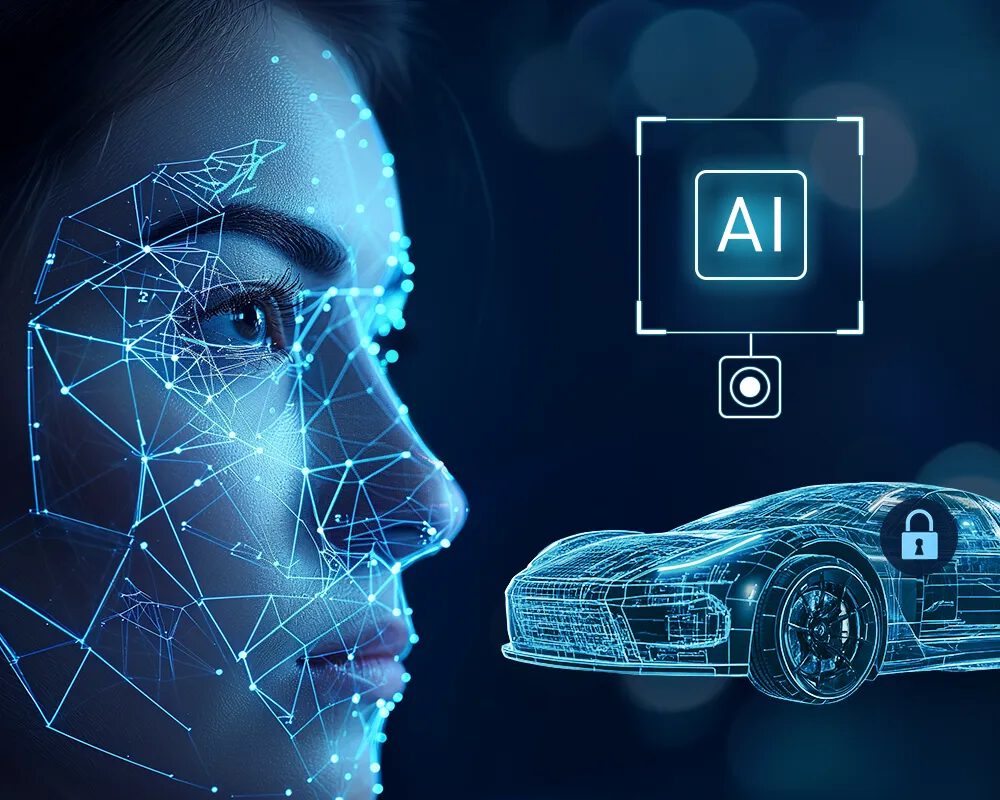
360-degree visibility eliminates blind spots and transforms parking from ordeal to routine.
Pioneer’s AI camera system provides complete vehicle surroundings visibility through multiple high-resolution sensors. The technology processes visual data in real-time, highlighting obstacles, pedestrians, and tight clearances during parking maneuvers. Parallel parking becomes less stressful when you can see every angle simultaneously.
The system extends beyond parking assistance to highway driving, where blind-spot monitoring becomes comprehensive rather than limited to side mirrors. Lane changes feel less risky when complete environmental awareness replaces educated guessing.
3. TomTom Orbis Maps for CARIAD
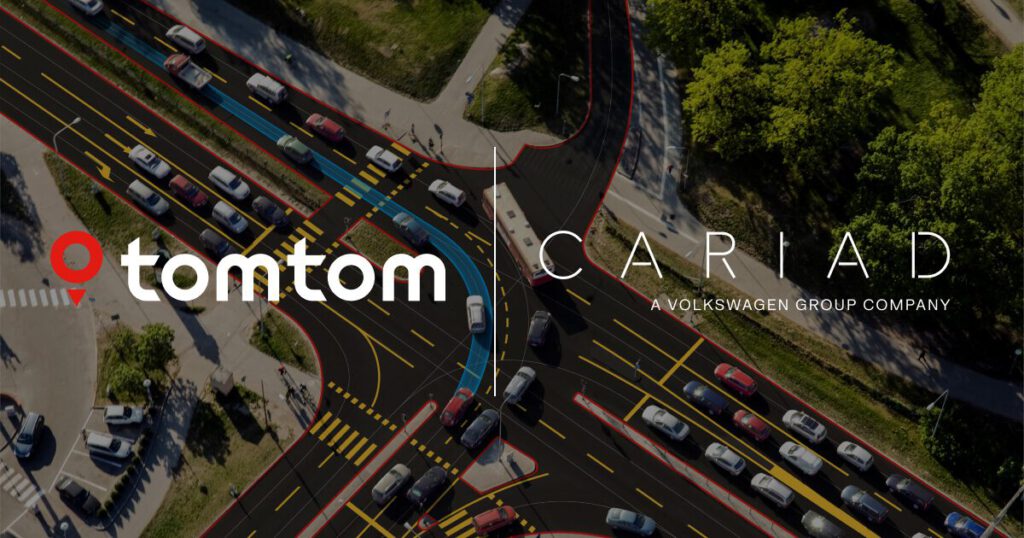
Real-time mapping updates warn drivers about road hazards as they develop.
TomTom’s Orbis Maps system feeds minute-by-minute road condition updates directly to Volkswagen Group’s CARIAD software platform. The technology identifies potholes, construction zones, and surface changes almost instantaneously, allowing vehicles to adjust routes or suspension settings proactively.
Traditional navigation relies on historical data that becomes outdated quickly. This system treats roads as dynamic environments, constantly updating based on sensor data from connected vehicles and infrastructure monitoring systems.
2. Vehicle-to-Everything (V2X)
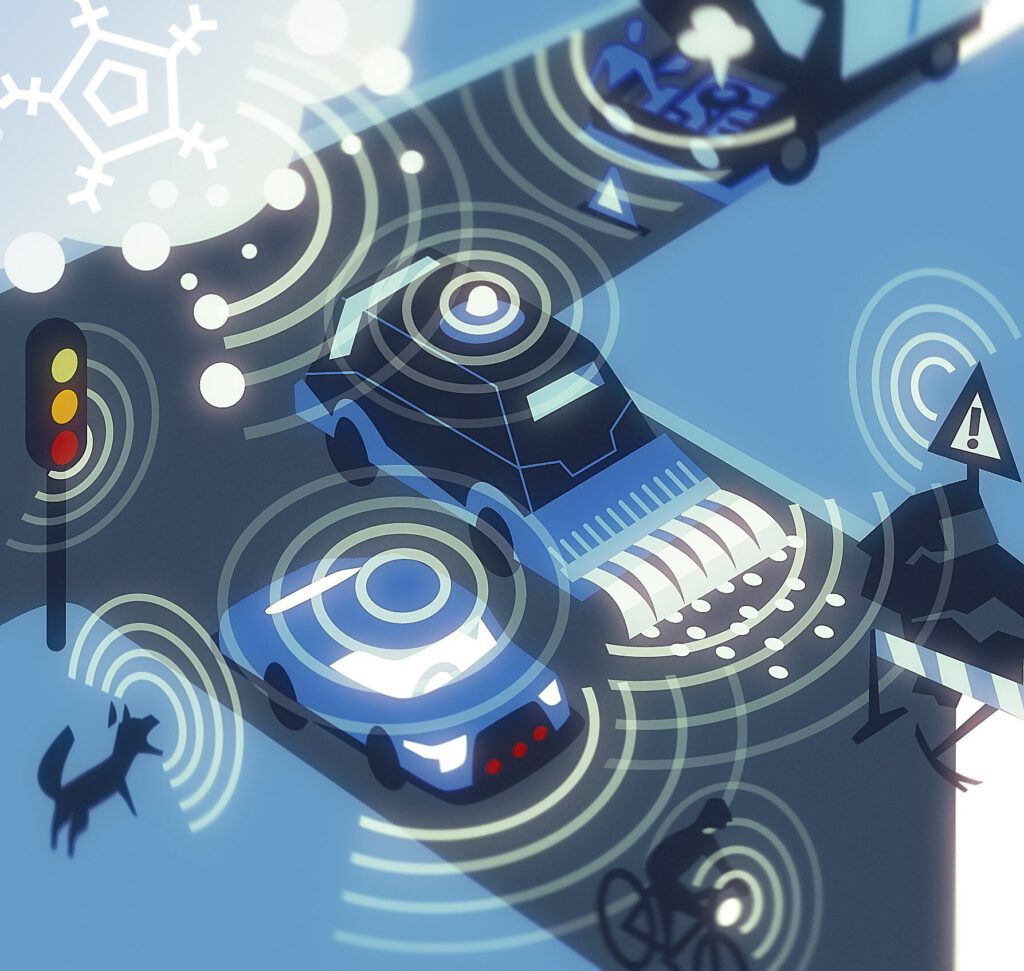
Cars communicate with each other and infrastructure to prevent accidents before they happen.
V2X technology creates communication networks between vehicles and road infrastructure using 5G/6G connectivity. Cars share real-time information about hazards, traffic conditions, and emergency situations. When one vehicle detects black ice, others receive immediate warnings.
This collaborative approach transforms driving from individual navigation to coordinated movement. Rather than each car reacting independently to dangers, the entire traffic ecosystem becomes aware simultaneously, dramatically reducing reaction times and accident probability.
1. Software-Defined Vehicles
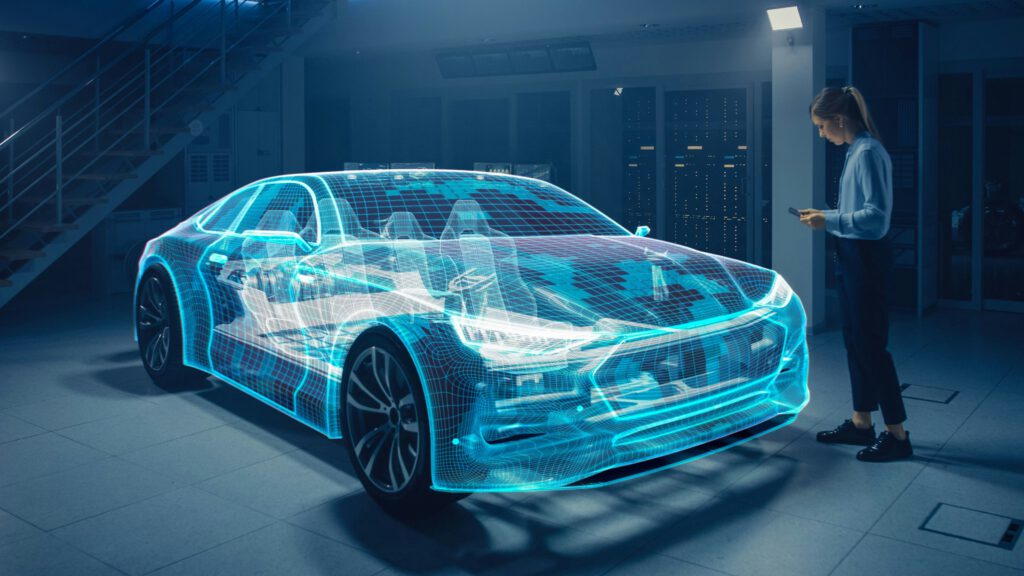
Over-the-air updates deliver new features and improvements without dealership visits.
Modern vehicles increasingly rely on software for core functions, enabling over-the-air updates similar to smartphone apps. Performance enhancements, new features, and security patches download automatically, eliminating the need for scheduled maintenance appointments for software-related improvements.
The shift toward electric vehicles and Level 3 autonomy accelerates this trend, as these systems depend heavily on sophisticated software. Even manufacturing processes adopt software-defined approaches through sustainable gigacasting techniques, creating vehicles designed for continuous improvement throughout their lifespans.