Scams no longer arrive mainly as phone calls. A 2025 GSMA survey of Indian adults who reported being scammed found that 46% were approached through messaging apps, 37% through SMS, and 32% through voice calls; respondents could report multiple channels, so these figures are not mutually exclusive. To stay safe across all digital vectors, awareness of multiple threat types is essential.
Launched September 28, 2026, Scam Checker is a web and Android tool that lets you assess suspicious phone numbers, URLs, and messages without downloading the app or creating an account.
What Scam Checker Actually Does
The tool accepts three types of input: a phone number, a web link, or a full suspicious message, and returns fraud indicators from Truecaller’s risk database and community reports.
Paste in any of those inputs and Scam Checker returns relevant fraud indicators drawn from Truecaller’s proprietary risk database and community reports. For links, it expands shortened URLs, follows redirects to the final destination, and checks that endpoint against known fraud signals, according to secondary reporting on the product.
When you submit a full message, Scam Checker extracts any embedded phone numbers or links and surfaces related reports automatically. That intelligence comes partly from ScamFeed, Truecaller’s crowdsourced reporting database, which the company says holds approximately 20,000 live scam reports in India, with around 1,300 new submissions added each week. Those figures are self-reported by Truecaller and have not been independently verified.
Why Truecaller Is Doing This Now
Shifting scam behavior, competitive pressure from Apple and Google, and a regulatory dispute in India are all pushing Truecaller to expand beyond its caller-ID roots.
Truecaller estimates that people conduct roughly 14 million web searches per month to verify suspicious content on their own. The company frames that gap as Scam Checker’s direct mandate.
CEO Rishit Jhunjhunwala framed the shift plainly in an interview with TechCrunch: “Caller ID was the first problem we solved, and it’s still how most people find us. But scams moved to a more multi-channel approach with links and messages, and increasingly to voice and video. Our protection has to follow the scammer.”
Competitive pressure adds another layer of urgency. Apple and Google have both expanded their native spam-filtering and caller-identification capabilities, putting direct pressure on Truecaller’s core product. Concerns about secretly tracking users through apps have further heightened scrutiny of how such platforms handle personal data.
India’s telecom regulator, TRAI, reportedly requires caller-ID apps to share user spam reports with telecom operators, a rule that has not been independently confirmed at the regulatory source. Truecaller has objected to that arrangement, calling it a “one-way exchange,” according to TechCrunch.
Signing into the main Truecaller service is still required to unlock full caller-identity details, including the name tied to a number. That makes Scam Checker a natural on-ramp toward registration, positioning it as a customer-acquisition channel as much as a consumer tool.
What the Tool Won’t Tell You
Scam Checker produces an assessment, not a definitive verdict, and its accuracy limits are not publicly disclosed in the materials reviewed.
The reviewed materials do not publish false-positive or false-negative rates for Scam Checker, and the weighting between community reports and automated signals is not explained in available documentation. Community intelligence tends to lag freshly launched scam campaigns, meaning a brand-new phishing link may not yet appear in ScamFeed. Users storing credentials in password vaults should also be aware that even dedicated security tools can carry their own vulnerabilities.
Where It’s Available and What’s Coming
The web version requires no account or install, while the Android rollout begins in India before expanding to additional regions.
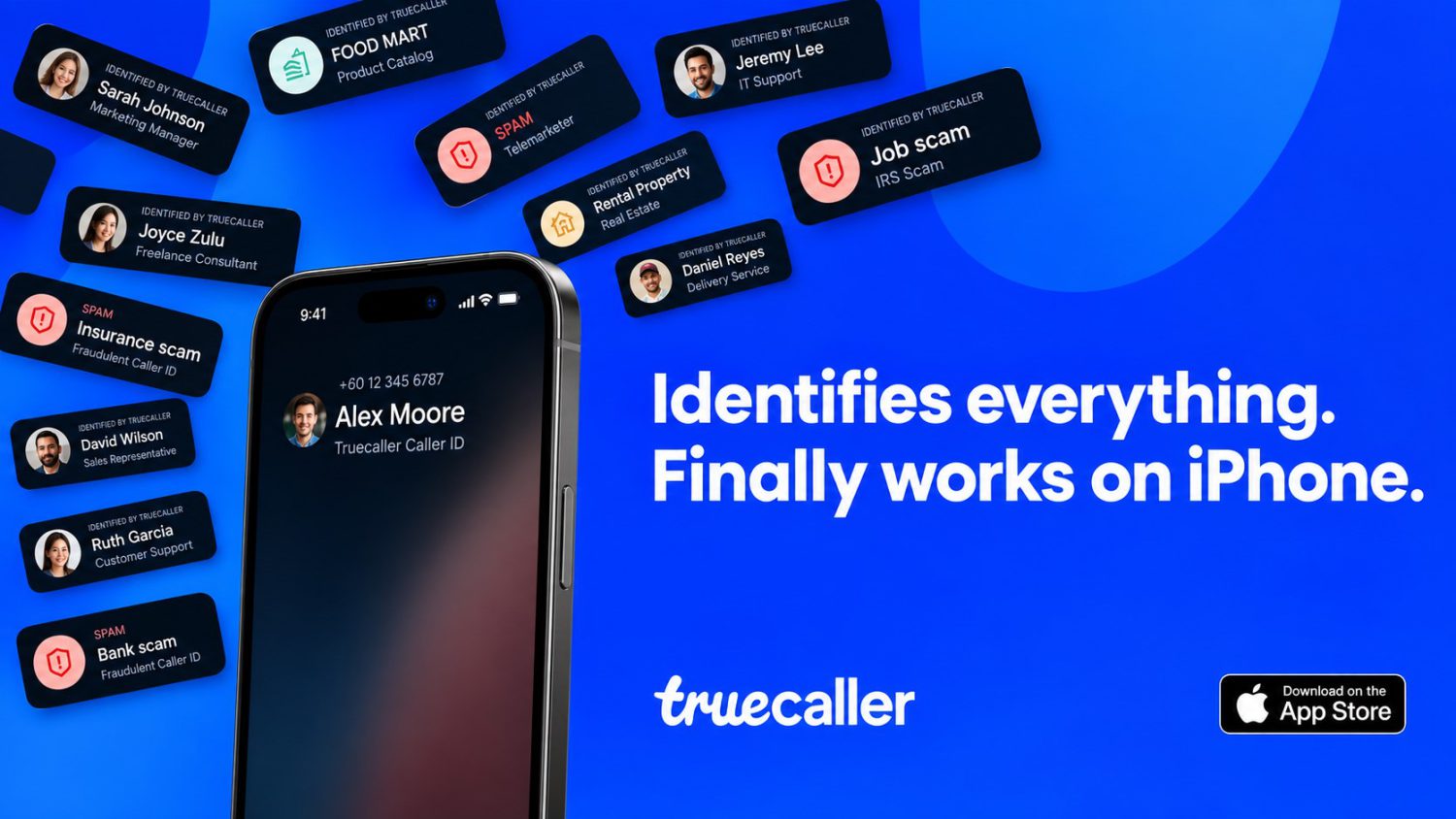
The Android rollout is currently focused on India, with Latin America, the Middle East, Africa, and Southeast Asia planned as follow-on markets. iOS support is on the roadmap but has no confirmed release date. Truecaller also plans to add screenshot uploads and expand the range of scam categories the tool can identify.
Scam Checker is a free first stop when something lands in your inbox and feels wrong. Its long-term value depends on whether its community intelligence can keep pace with scammers who launch new campaigns faster than users can report the old ones.