Your dead phone anxiety during a six-hour layover just became more complicated. Southwest Airlines announced passengers can carry only one portable charger onboard, effective April 2026, and it must stay visible throughout the flight—no tossing it in overhead bins or under seats. The move goes beyond new global standards that already banned power banks from checked luggage entirely.
The New Rules Hit Different
International standards allow two chargers, but Southwest’s single-unit limit reflects growing safety concerns.
While the International Civil Aviation Organization’s March 2026 rules permit two power banks in carry-on bags, Southwest’s April restriction cuts that in half. Both policies require visibility for crew response and ban in-flight charging. Your 20,000mAh power bank? Probably fine under the 100-watt-hour limit for unrestricted travel, though units between 100-160Wh need airline approval. Think of it like TSA liquid rules, but for batteries that can spontaneously combust.
Fire at 35,000 Feet Is No Joke
FAA reports 97 lithium incidents in 2025 alone, with thermal runaway creating genuine emergencies.
The numbers tell the story: the FAA documented 97 lithium battery incidents in 2025, with power bank-related cases jumping 42% according to UL Standards data, averaging two per week across U.S. flights. With 620 total U.S. cases since 2006, the risk stems from thermal runaway when batteries overheat or suffer damage.
Your New Travel Routine
Adaptation strategies focus on pre-flight charging and smarter device management.
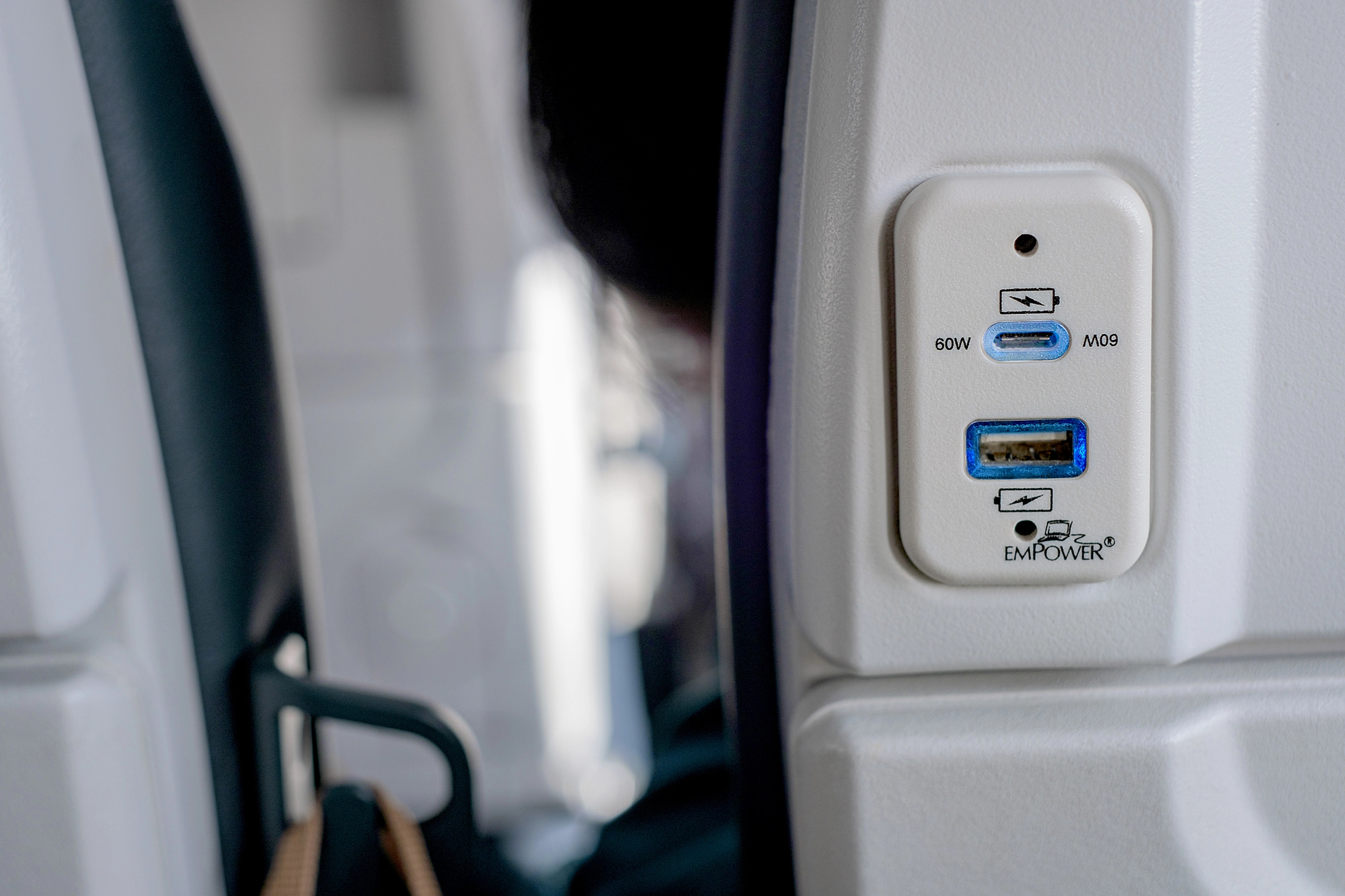
Time to rethink that power bank collection. Fully charge devices before departure, hunt down airport outlets during layovers, and protect battery terminals from damage. Airlines plan in-seat USB ports by mid-2027, but until then, you’re managing longer flights with whatever juice your phone holds plus one visible backup. The good news? Crew enforcement emphasizes education over searches at booking and boarding, so compliance beats surprise confiscations.
The era of unlimited portable power is ending, but your devices don’t have to die mid-flight—just plan accordingly.