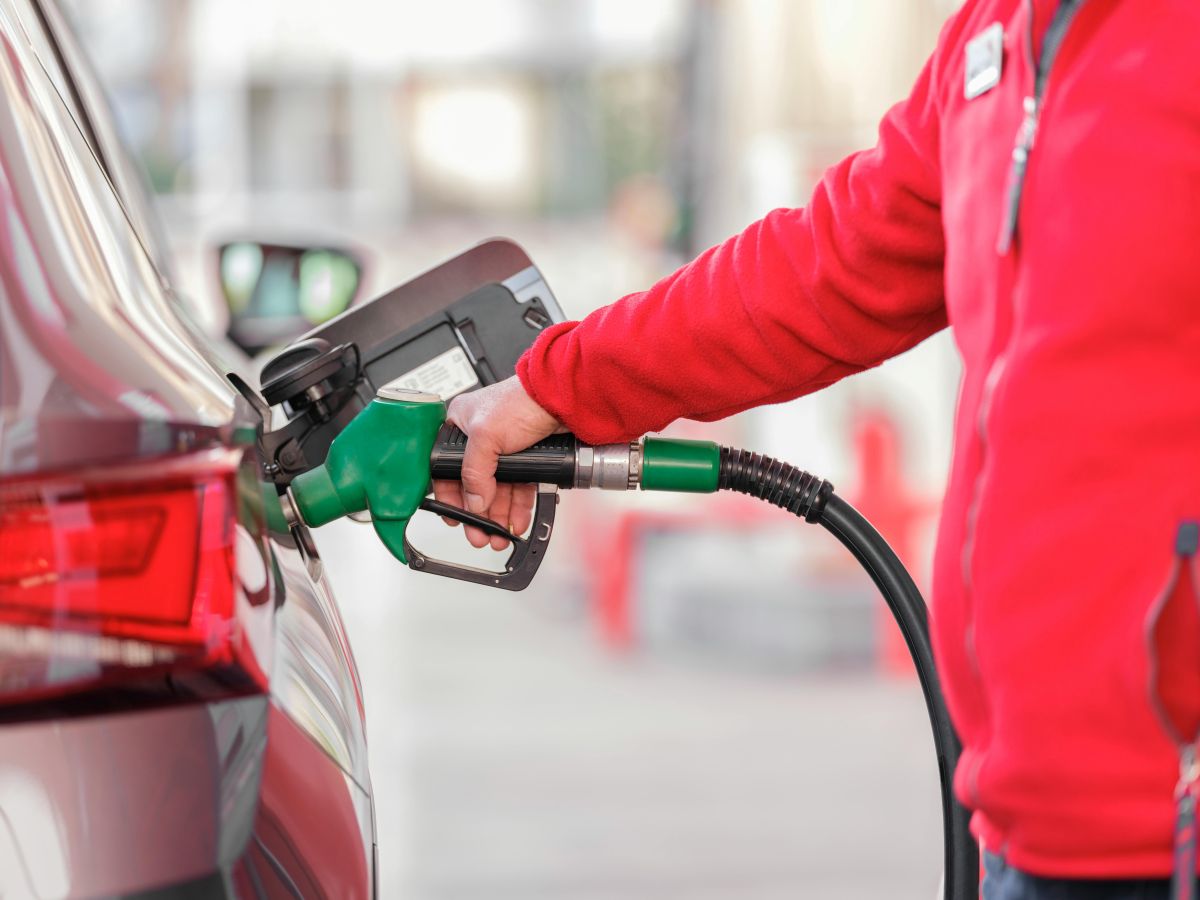
Your tank hits full, the pump clicks off, but you keep squeezing the handle anyway—trying to round up to the nearest dollar or squeeze in that last drop of “value.” This harmless-seeming habit just sentenced your car’s emissions system to death by drowning, and the repair bills will make you wish you’d stopped at that first click.
The Hidden Victim of Your Topping-Off Habit
Modern cars have a sacrificial emissions system that liquid fuel destroys when you override the pump’s safety mechanism.
That satisfying click happens because of physics worthy of an engineering textbook. The pump nozzle uses the Venturi effect—fuel rushing through creates vacuum suction in a sensing tube. When your tank fills up, vapor pressure blocks the airflow, triggering a diaphragm that shuts off the flow with that distinctive snap.
But when you keep pumping, you’re forcing liquid gasoline into your car’s EVAP (evaporative emissions) system, which was designed to handle only vapors. The charcoal canister that captures fuel vapors becomes a soggy mess, like trying to use a coffee filter as a sponge.
Why Your Wallet Will Feel the Pain
EVAP system repairs cost $500-900 because overfilling damages multiple interconnected components simultaneously.
Here’s where that extra quarter-gallon of gas becomes expensive. Your saturated charcoal canister can’t do its EPA-mandated job of capturing vapors, triggering check-engine lights and emissions test failures. But the damage spreads—clogged sensors, malfunctioning vent valves, and potentially harm to your catalytic converter.
According to automotive forums, mechanics see this pattern constantly: customer comes in with mysterious fuel odors and emission codes, turns out they’ve been topping off for years. The rollover/overfill valve in your fill neck was your car’s last line of defense, and you bypassed it every time you ignored that first click.
The Simple Fix That Saves Hundreds
Stopping at the first pump click prevents expensive repairs while your car’s engineering works exactly as intended.
The solution feels almost anticlimactic: just stop when the pump stops. Your car’s fuel system has roughly 10-20% expansion space for vapor management—that’s not wasted capacity, it’s sophisticated engineering.
Pre-1996 vehicles vented fuel vapors directly to atmosphere, making them more tolerant of overfilling. But your modern car‘s sealed EVAP system turns your topping-off habit into a costly mistake. Skip the extra fuel, save the repair bills, and let the engineers’ safety mechanisms do their job.
That first click isn’t a suggestion—it’s your car begging you to stop.