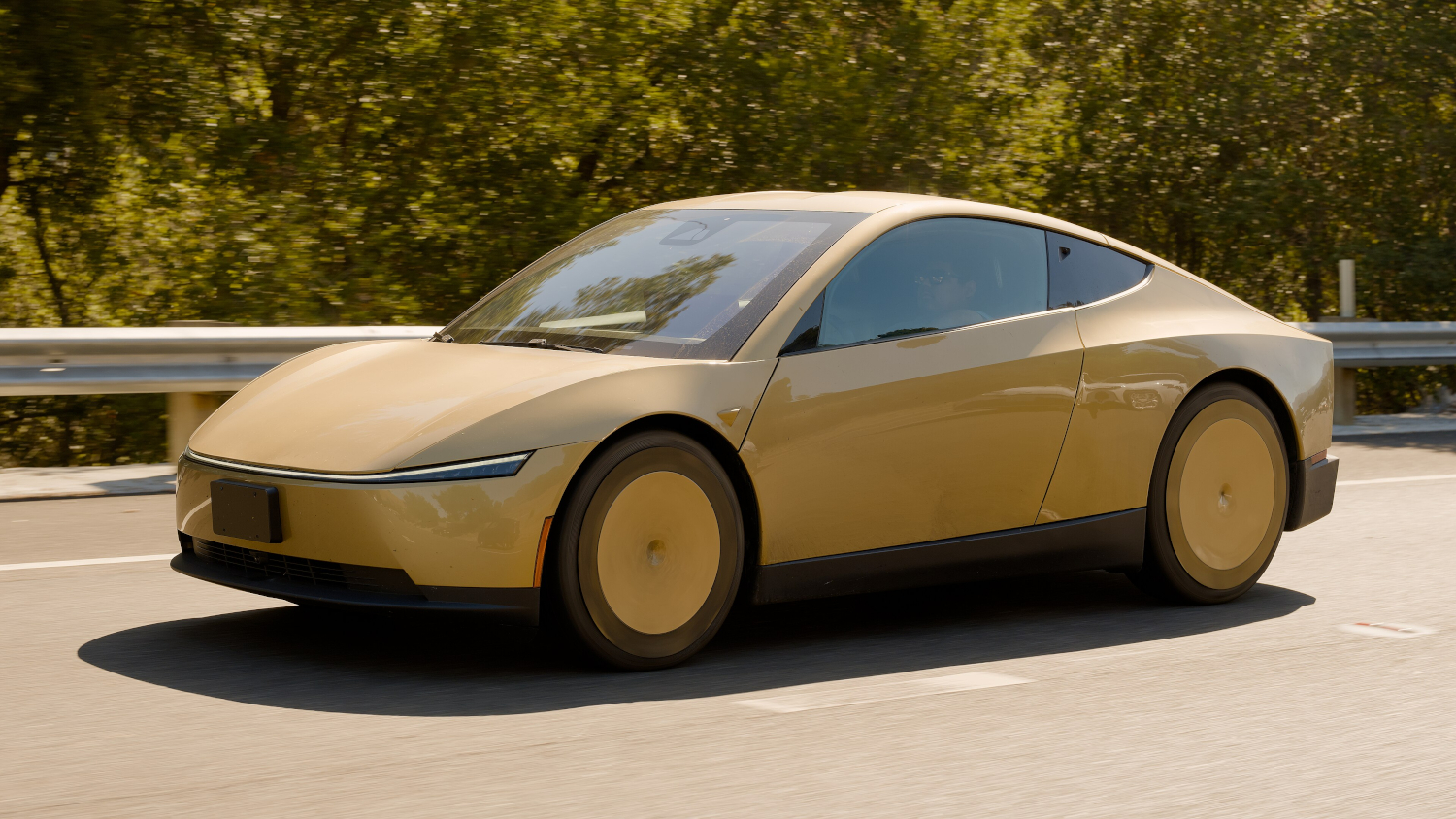
The National Highway Traffic Safety Administration’s crash files contain eight reported Cybercab incidents accumulated across roughly two months of operations. The number is newsworthy, but what the records establish is narrower than it first appears.
The four driverless events all fall under NHTSA’s automated-driving-system reporting category, and all reportedly occurred at or below 5 mph. The specific incidents include a Cybercab striking a pothole, another crossing a raised concrete curb, and two separate cases in which a stationary Cybercab was struck by another vehicle.
The filings do not assign fault. That matters significantly in the two cases where another driver struck the stationary Cybercab.
The Supervised Test Crashes
Four additional incidents involved Cybercabs fitted with steering wheels, test drivers, and driver-assistance software, and they carry more serious details.
These four crashes represent a distinct regulatory category from the driverless service. Each involved a human test driver onboard with Tesla’s driver-assistance system engaged, occurring in Austin, Lehi (Utah), Philadelphia, and Tampa.
The most consequential of the four is the Philadelphia incident, a highway collision at approximately 53 mph with injury status listed as unknown in the available filings. The Austin crash involved an SUV at roughly 5 mph and resulted in a minor injury requiring hospital treatment.
The Lehi intersection collision occurred at approximately 11 mph and produced a minor injury that did not require hospitalization. In Tampa, a stopped Cybercab sustained property damage after contact with another vehicle.
Combining these four supervised incidents with the driverless Austin events as a single undifferentiated total can obscure important differences in operating conditions, speeds, supervision, and injury reporting.
What the Numbers Don’t Tell You
Without exposure data, the crash count cannot be converted into a meaningful comparison with other fleets.
NHTSA filings are preliminary safety reports, not final determinations of fault. The available records do not provide enough detail to determine whether Tesla’s autonomous system, a human test driver, another road user, or roadway conditions caused each event.
Calculating a crash rate also requires total miles driven, number of trips, fleet size, and operating hours. The cited crash filings do not provide sufficient exposure data for a reliable rate calculation. Electrek has separately tracked more than 40 broader robotaxi incidents across Tesla’s autonomous-vehicle operations, distinct from these eight Cybercab-specific reports.
Technology Context
Tesla’s sensor strategy and an expanded operating schedule raise questions the current filings do not yet answer.
Tesla’s Cybercab relies primarily on cameras and onboard software rather than lidar. Lidar uses laser measurements to estimate distance and detect objects, including in conditions where visual perception can degrade.
Other autonomous-driving developers incorporate lidar alongside cameras. Tesla has argued the additional hardware is unnecessary.
The public summaries of the eight crash filings do not identify nighttime visibility as a contributing factor in any of the incidents. As Tesla’s robotaxi service expands its operating hours, performance across low-visibility and nighttime conditions will remain a relevant question for regulators and riders alike.