Nearly half of today’s job activities could be automated, but don’t panic just yet. This isn’t some dystopian nightmare—it’s your chance to level up. The skills that matter most aren’t just technical wizardry; they’re the uniquely human talents that no algorithm can replicate, plus the tech literacy that lets you boss robots around instead of the other way around.
15. Data Analysis/Interpretation
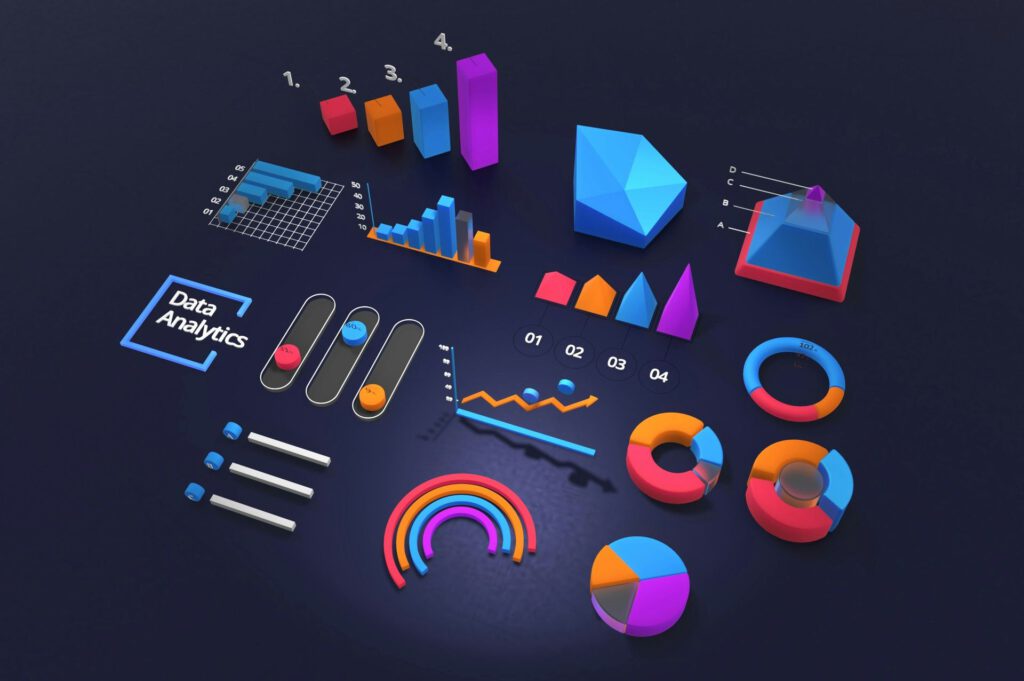
Master the art of making sense from digital chaos.
Roles are evolving faster than TikTok trends, but here’s the reality: AI isn’t stealing jobs; it’s transforming them. Instead of drowning in spreadsheets, you’ll be asking AI to summarize data, freeing you up for actual strategic thinking.
Tech skills are now table stakes. Data analysis means slicing information like a chef with a mandoline—finding patterns, spotting anomalies, and turning numbers into narratives that actually matter.
14. Programming Basics (e.g., Python)
Learn to speak robot before robots learn to replace you.
Some say you can’t teach old dogs new tricks, but most career paths now demand basic coding literacy. Python isn’t just for developers anymore—it’s becoming the lingua franca of the AI-powered workplace.
Think of Python as learning Esperanto for the digital age. String together some basic commands, and suddenly you’re fluent enough to automate boring tasks and collaborate with AI tools instead of being intimidated by them.
13. AI/Machine Learning Concepts
Understand how the machines think so you can think better than them.
You don’t need a computer science degree, but grasping AI basics is like knowing chess rules before moving pieces. Understanding how algorithms learn and make decisions helps you work alongside them effectively.
This knowledge isn’t just for tech wizards. When you understand why your marketing AI recommends certain strategies or why your analytics tool flags specific trends, you make smarter decisions about when to trust the machine and when to trust your gut.
12. Cybersecurity/Data Privacy

Protect digital assets like they’re family heirlooms—because they basically are.
Cybersecurity skills are the new essential life skill, like knowing how to change a tire or cook a decent meal. In today’s AI landscape, you need to lock digital doors and bolt virtual windows.
Without proper security awareness, personal and company data gets swiped faster than concert tickets. With data breaches averaging $4.45 million in 2023 according to IBM, understanding privacy protection isn’t optional—it’s survival.
11. Critical Thinking/Problem-Solving

Be the brain that decides what the calculator should calculate.
AI excels at processing information, but it can’t determine what questions to ask. Your job is figuring out the “why” behind the data and the “what now” after the analysis.
Picture this: AI predicts avocado prices will drop on Tuesdays. Do you order tons of avocados? Critical thinking means considering whether Tuesday is taco night, if customers actually want avocado toast, and whether you can store them without creating green mush.
10. Creativity/Innovation
Imagine solutions that don’t exist in any training dataset.
AI might generate thousands of variations on existing ideas, but it can’t birth the next Cronut. That took human imagination, experimentation, and a willingness to combine unlikely elements.
Creative professionals use AI to handle initial concepts, then add human flair to transform building blocks into masterpieces. The machine cleans up; humans design the living room.
9. Communication/Collaboration

Make sure everyone’s on the same Wi-Fi signal, metaphorically speaking.
Communication remains irreplaceably human—the art of ensuring everyone understands not just the information, but the context, urgency, and emotional undertones that pure data can’t convey.
Real magic happens when diverse minds bounce ideas off each other. One person’s analysis combined with another’s creative spark creates solutions no algorithm could generate alone.
8. Emotional Intelligence/Empathy

Navigate the messy, wonderful complexity of human feelings.
AI can predict purchasing behavior with impressive accuracy, but it can’t understand why Karen from accounting gets passive-aggressive every Friday afternoon, or when a colleague needs encouragement rather than criticism.
Emotional intelligence shines in negotiations, conflict resolution, and team dynamics. Try explaining to a robot why you deserve a raise because you consistently boost team morale—good luck with that conversation.
7. Adaptability/Lifelong Learning
Treat your career like a living thing that needs constant feeding.
The old “degree, job, retirement” playbook is about as useful as a chocolate teapot. Your career is more like a Tamagotchi—neglect it, and it dies. Continuous learning isn’t just recommended; it’s required for survival.
Embrace new platforms, identify skill gaps, and actively pursue certificates or degrees. View your abilities as a dynamic portfolio that needs regular updates, not a static inventory gathering dust.
6. Social Awareness

Read the room, not just the data.
Future-proof skills aren’t about coding prowess—they’re about understanding social dynamics, cultural contexts, and ethical implications that algorithms consistently miss.
Ethical AI implementation requires deep people understanding. A socially aware human ensures fair resource allocation and emotional support in ways that pure optimization never could.
5. Ingenuity and Pragmatism

Image: Unsplash
MacGyver solutions when the algorithm meets reality.
While AI snaps up optimization tasks, human ingenuity tackles the messy, unpredictable problems that don’t fit neat parameters. Can AI troubleshoot when office Wi-Fi dies during a crucial video call? Doubtful.
Pragmatic humans spot when campaigns will backfire before they launch, saving companies from costly mistakes. Understanding unspoken needs and reading between digital lines remains purely human territory.
4. Leveraging AI Tools for Productivity
Make artificial intelligence work for you, not against you.
Smart professionals use AI to eliminate tedious tasks. Content creators generate initial drafts, researchers analyze trends, and marketers personalize campaigns—all while maintaining human oversight and creative direction.
The competitive edge comes from speed and efficiency gains, not from avoiding AI altogether. Those who embrace these tools strategically free up time for higher-value, uniquely human work.
3. Identifying Skill Gaps

Diagnose professional blind spots before they become career killers.
Feeling like everyone speaks fluent AI while you’re stuck at “hello world”? Regular skill assessment helps identify gaps between current abilities and future requirements.
Think of it as upgrading your professional wardrobe—out with outdated competencies, in with AI-ready skills. Honest self-evaluation and strategic learning plans turn weaknesses into launchpads.
2. Upskilling Through Certificates/Degrees

Collect credentials like they’re power-ups in a video game.
Certifications and degrees function as cheat codes for the AI-powered future. Walking into meetings with relevant credentials means contributing to conversations instead of just nodding along pretentiously.
Even impressive degrees are worthless without adaptability. Your career needs constant software updates to stay competitive. Leverage online platforms strategically, turning educational investments into practical advantages.
1. Dynamic Roles as Learning Portfolios

Build a Swiss Army knife career that handles any challenge.
Static job descriptions are as outdated as rotary phones. Modern roles demand viewing positions as dynamic portfolios rich with learning opportunities rather than rigid boxes to check.
Marketing managers learn Python for better data analysis. Teachers incorporate AI tools for personalized instruction. Success comes from adaptation, evolution, and treating change as opportunity rather than threat. Think career parkour, not career parking.