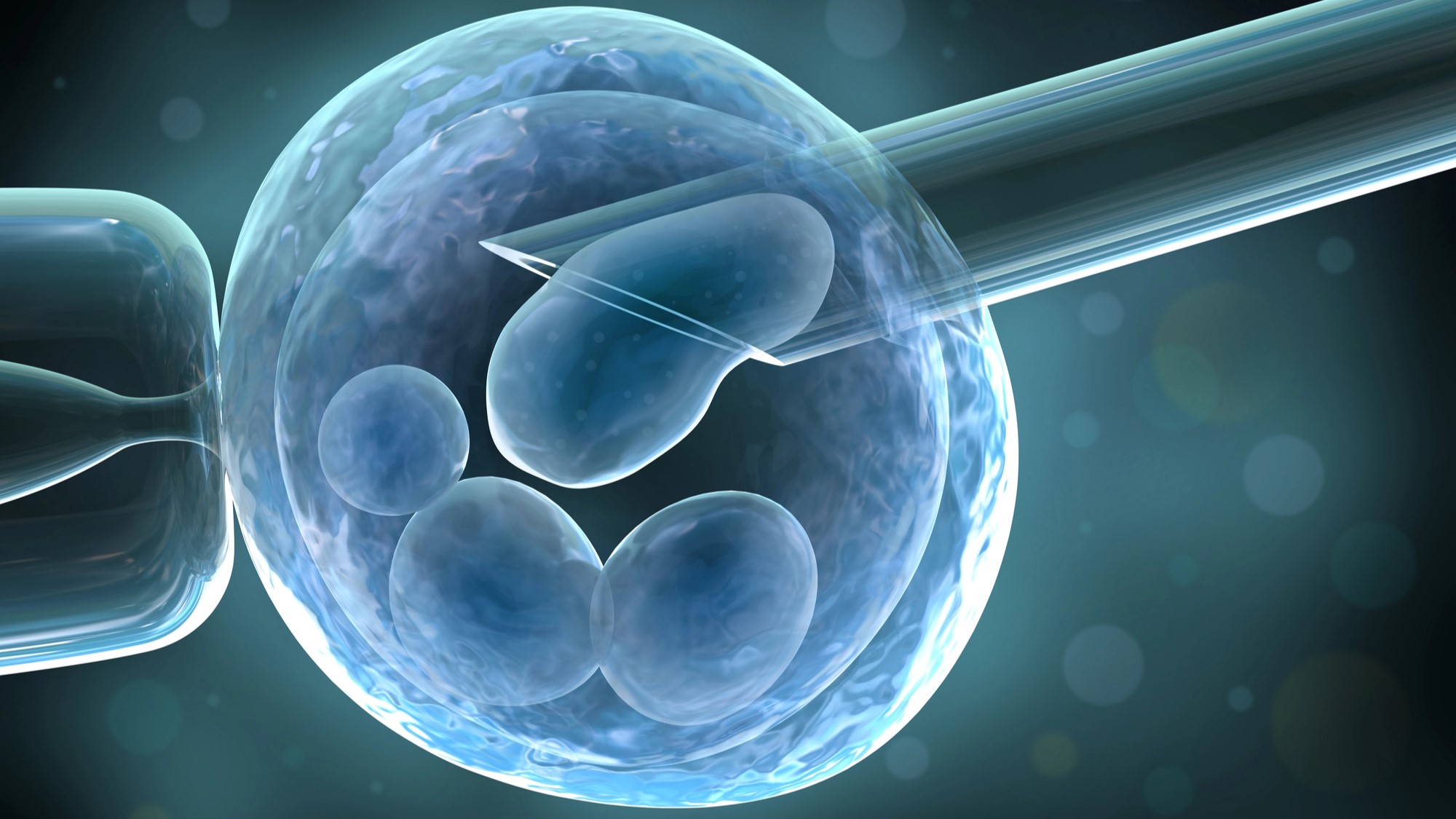
Catastrophic chromosome loss in human embryos? That sounds terrifying. Yet Columbia University scientists just solved gene editing’s biggest problem by using base editing to alter embryo DNA without the massive chromosomal damage that plagued earlier CRISPR attempts. Led by geneticist Dieter Egli, the team successfully modified genes linked to heart disease and blood disorders—achieving the precision that eluded previous efforts while reigniting fears about “designer babies.”
The Technical Triumph
Base editing changes single DNA letters without cutting both strands like traditional CRISPR.
Think of it like using autocorrect instead of cutting and pasting in a document. Previous embryo editing with standard CRISPR often triggered massive deletions—entire chromosomes would vanish when scientists tried fixing a single gene. Egli’s 2020 study revealed this horrifying pattern: attempting to correct blindness-causing mutations frequently destroyed huge DNA chunks.
Base editing sidesteps this disaster by chemically converting one DNA base to another without fully severing the double helix.
The catch? Not every cell in the embryo gets edited, creating genetic mosaics.
The Regulatory Reality
Experts warn against rushing toward clinical use despite promising results.
“We can provide the data for discussion, but then essentially there you stop and let others take over,” Egli told reporters, emphasizing that his work demands broad public debate. Geneticist Fyodor Urnov warns the research risks becoming a “how-to manual for baby improvers”—those seeking enhancement rather than disease prevention. Bioethicist Ana Iltis cautions that harmful effects might only surface after birth, making the absence of immediate chromosomal damage merely step one in proving safety.
Why Edit When You Can Select?
Current IVF screening already helps couples avoid genetic diseases.
IVF clinics routinely screen embryos for thousands of genetic disorders through preimplantation testing—technology used safely in millions of births since 1978. Urnov argues this selection approach beats editing’s uncertain risks. Yet editing could theoretically help couples when no healthy embryos exist, though Egli admits practical limits exist for simultaneous gene changes: “three or four, maybe even five” genes maximum.
If you’re planning IVF, don’t expect gene editing options anytime soon—this breakthrough remains years from clinical trials, assuming regulators and society decide the benefits outweigh creating a world where genetic enhancement becomes another luxury purchase.