Racing to drop your kid at school before the bell? That routine just became data for a national vehicle tracking network. Speed cameras marketed as child safety tools now feed continuous video streams to Flock Safety’s AI system, transforming every school zone pass into a searchable surveillance record.
The Stealth Tech Integration
RedSpeed bundles Flock Wing licenses directly into speed camera contracts, converting traffic enforcement into 24/7 vehicle monitoring.
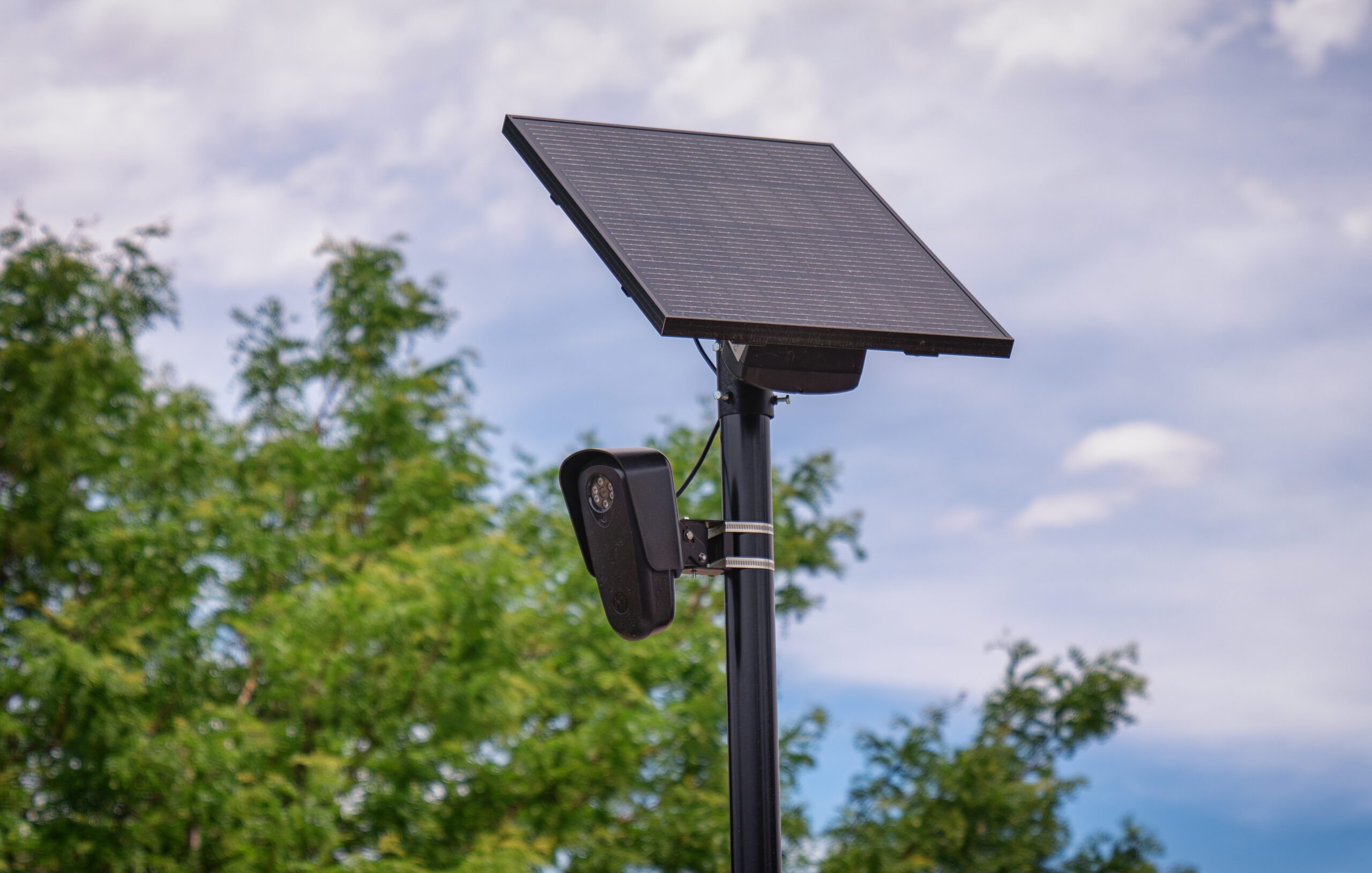
Hillsborough County’s 2024 speed camera contract explicitly lists “Flock Wing License(s) Included” in RedSpeed’s pricing. These aren’t your grandfather’s speed traps. The cameras capture 3000×5000 pixel HD video at 30 frames per second, streaming everything via RTSP protocol to Flock’s cloud servers.
Wing’s AI processing this feed into “Vehicle Fingerprinting”—cataloging make, model, color, decals, and occupant details beyond just license plates. According to contract documents, this happens continuously, not just during violations.
The Legal Loophole Question
Florida law restricts school zone cameras to violation evidence only, but AI processing may sidestep these protections entirely.
Florida Statute § 316.1896 explicitly prohibits using school zone speed systems for “remote surveillance” and mandates destroying footage within 90 days. Yet Flock stores vehicle data for 30 days by default, creating a rolling database accessible to law enforcement nationwide.
The untested question: does AI-processed metadata count as “recorded video” under state law? Contract documents mention neither data retention limits nor privacy protections, despite statutory requirements.
Follow the Revenue Stream
Over 105,000 violations generated $6 million in fines, with RedSpeed claiming 35% while expanding surveillance reach.
The numbers reveal the incentive structure driving this expansion. Since 2024, Hillsborough County’s cameras generated over $6 million in fines from more than 105,000 traffic violations, with RedSpeed taking a 35% revenue share.
Tampa piggybacked on this contract, and similar Flock integrations spread through Brookhaven, Georgia, and beyond. Each deployment feeds the growing network where agencies can search vehicles across jurisdictions.
Your Daily Drive, Searchable Forever
Flock’s “FreeForm” searches let officers find vehicles by descriptions like “red truck with bumper sticker” from any connected camera.
This isn’t just about speeding tickets anymore. Flock’s system enables searches for “man in blue shirt” or specific vehicle characteristics, turning school zones into nodes in a surveillance grid. While Okaloosa County’s FAQ emphasizes “investigative use only,” the technology bundled into speed contracts operates without such restrictions.
Your morning school run now contributes to a database that treats everyday driving as inherently suspicious—all while generating millions in revenue under the banner of child safety.