Your last Tinder match turned out to be a catfish. Your Zoom meeting filled with spam bots. That “urgent” email from your boss was actually an AI impersonator. Sam Altman’s World just unveiled upgrades designed to end these digital nightmares.
The company launched World ID 3.0 at their San Francisco event Friday, transforming their biometric verification system into what they’re calling a “proof-of-human network for the internet.” Nearly 18 million users across 160 countries can now access account-based authentication that goes far beyond basic identity checks.
Your Apps Get Human Verification
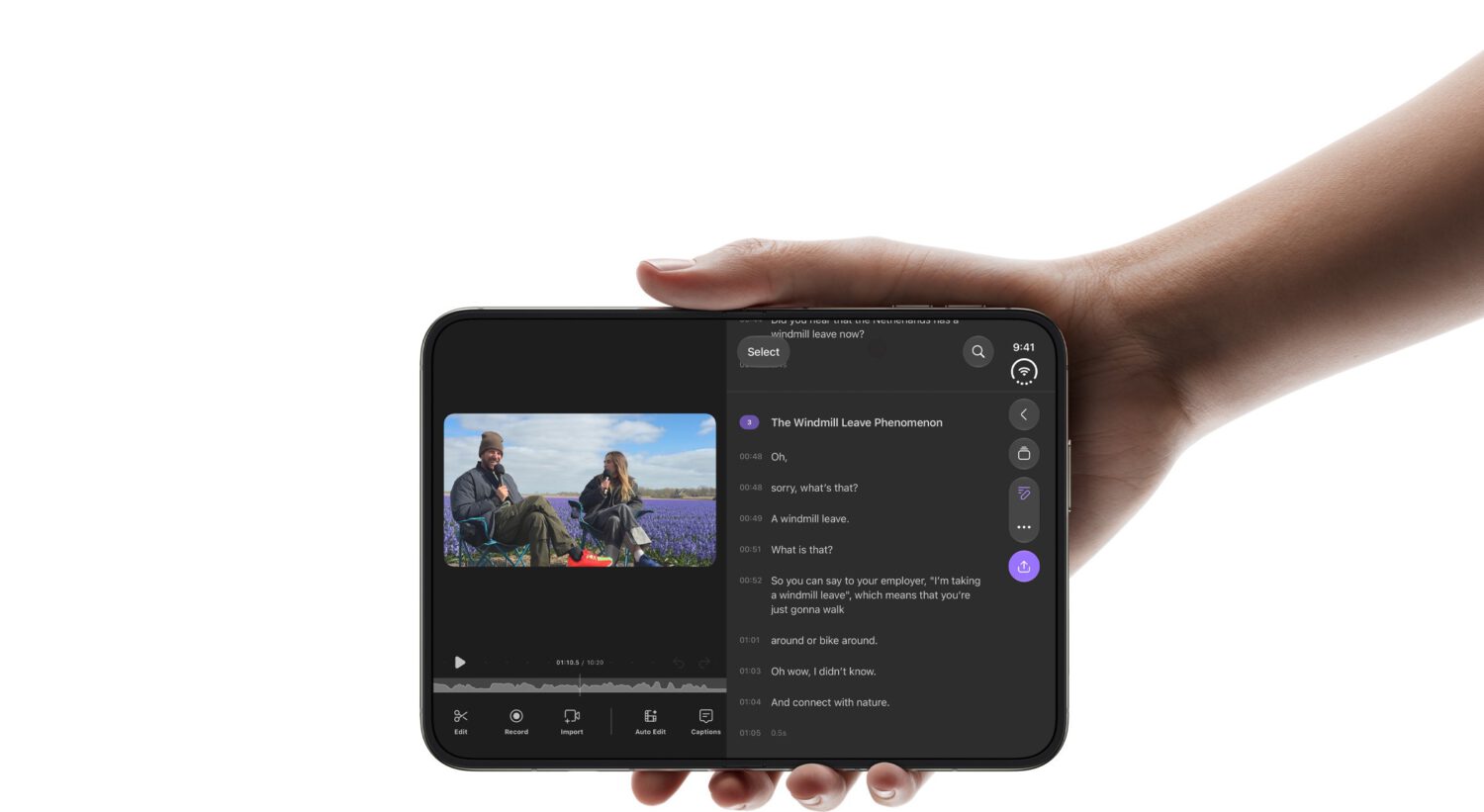
The upgrade targets platforms you already use daily. Tinder now offers “verified human” badges to reduce fake profiles, while Razer integrates bot-limiting features for gaming. Zoom meetings can verify attendees as actual humans, not sophisticated AI infiltrators.
DocuSign and Okta are building workplace verification into document signing and identity management systems. Think of it as blue checkmarks, but for proving you’re actually human rather than internet-famous.
Deep Face Technology Fights AI Deception
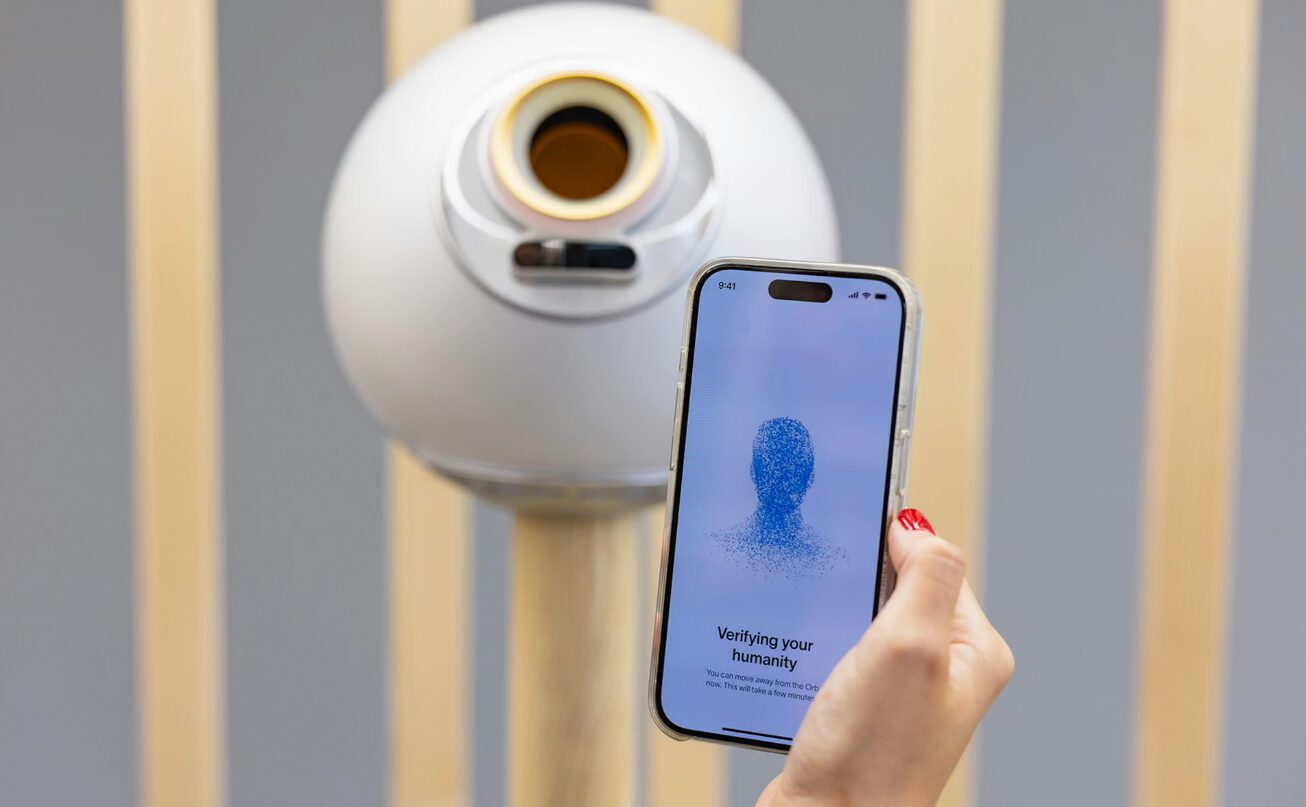
World ID’s Deep Face technology promises to identify deepfakes during video calls and content uploads. The system uses Orb device scans—those futuristic spheres that capture iris and facial data—to create cryptographic signatures that supposedly can’t be faked by current AI models.
The company claims images get deleted after processing, with only anonymized fragments stored across decentralized servers. Privacy advocates remain skeptical about trusting any biometric data collection, regardless of encryption promises.
AI Agents Get Human Oversight
Perhaps most intriguingly, the upgrade introduces AgentKit, allowing verified humans to grant AI agents limited proof-of-human credentials. Your AI assistant could theoretically make purchases or sign contracts on your behalf, with safeguards requiring human confirmation for critical decisions.
The World ID app, now in public beta, serves as a credential hub where you manage these permissions alongside traditional ID storage via NFC-enabled passports.
Daniel Shorr from World captures the stakes: “In the age of AI, being human will be incredibly valuable.” With the native WLD token down 94% from its March peak, the network needs these real-world applications to prove utility beyond speculation.
Whether iris scans become as routine as fingerprint unlocks depends on solving the eternal trade-off between security and privacy. For now, World offers the most comprehensive attempt at human verification—assuming you trust them with your eyeballs.