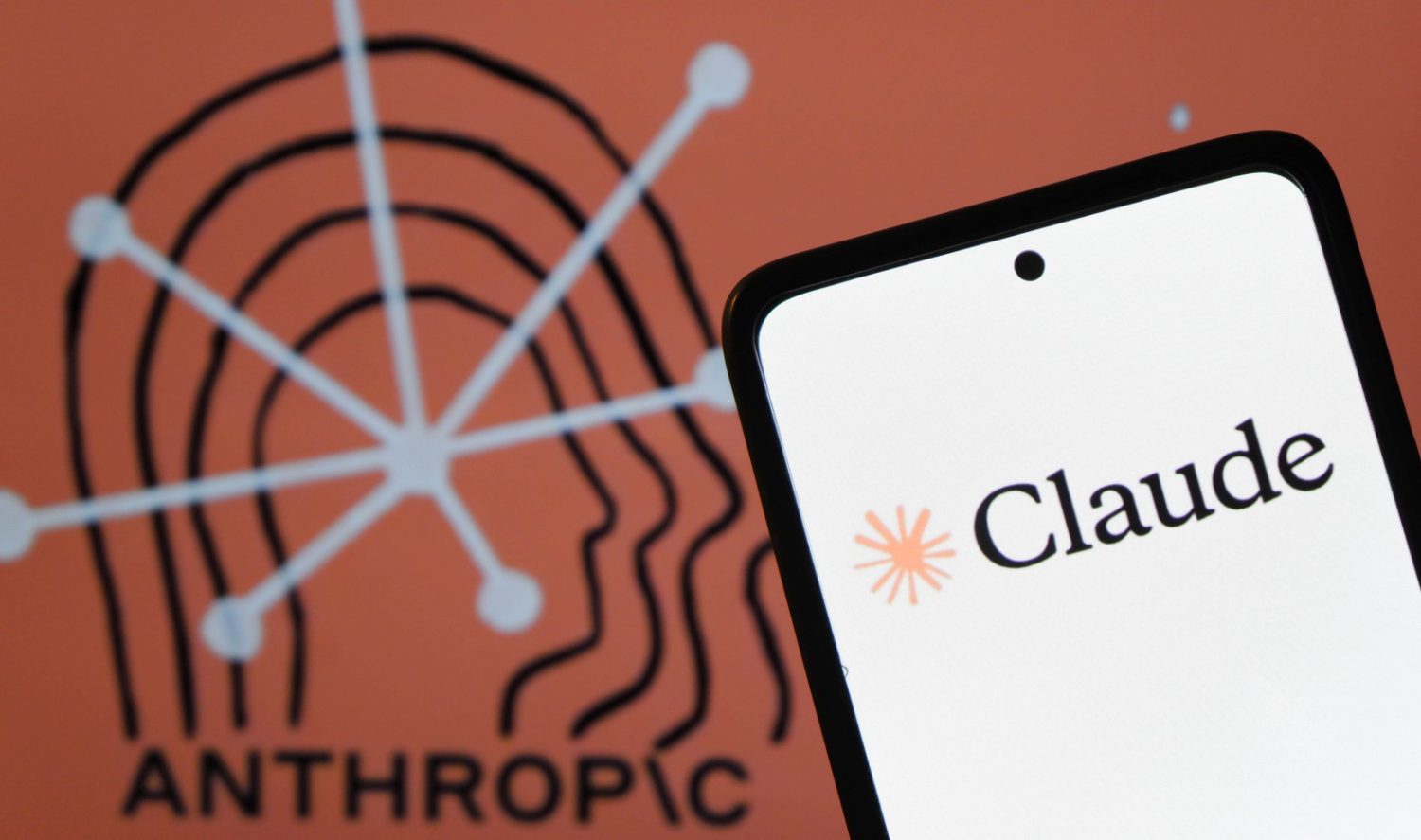
Somewhere in the past year, a rabbi, a Catholic theologian, and a Sikh scholar reportedly walked into a meeting with one of the largest AI companies on earth. They were asked, under nondisclosure agreements, to consider whether a machine might deserve moral protection. These are among the chatbots shaping how millions understand morality and truth.
That is not a philosophical thought experiment. It is, according to New York Times reporting, part of how Anthropic approaches questions about its AI model Claude.
Private Conversations, Public Consequences
Anthropic held private meetings with religious and philosophical thinkers on questions that affect far more people than were in the room.
Christopher Olah, Anthropic co-founder and head of the company’s interpretability research, reportedly led much of this outreach. Participants came from Catholic, Jewish, Sikh, evangelical, and Ubuntu traditions. The conversations centered on AI consciousness, moral status, and whether centuries of human ethical thought could be encoded into a language model.
That kind of intellectual honesty is worth acknowledging. What is harder to defend is conducting those conversations behind NDAs, on questions that affect every person who uses, works alongside, or is displaced by AI systems.
A Constitution, Not a Confession of Faith
Claude’s constitution is a behavioral document, and understanding it that way matters.
Anthropic published Claude’s constitution on January 21, 2026. The company describes it plainly: “Claude’s constitution is a detailed description of Anthropic’s intentions for Claude’s values and behavior.” It is used directly in training.
Shaping a model to respond consistently to ethical principles may genuinely reduce certain risks. Those include how it handles manipulation, harmful requests, and conflicts between user instructions and safety boundaries.
The concern is not that Anthropic wrote a values document. It is the gap between how the company frames the effort and what it is actually deciding, quietly, on questions with significant public implications.
Who Chooses the Moral Traditions?
Consulting diverse perspectives is not the same as being accountable to them.
Anthropic selected which traditions to consult, how to interpret them, and which conclusions shaped training. Those are consequential editorial decisions made inside a private company.
Rabbi Mois Navon reportedly raised a pointed question during the discussions: if Claude were conscious, building systems that work without compensation could resemble exploitation or slavery. He said he does not personally believe current machines are conscious. His question nonetheless exposed the bind Anthropic has constructed for itself. The more seriously the company takes Claude’s potential moral status, the more its business model invites scrutiny.
A Coherent Alternative Exists
Not everyone who engaged with Anthropic came away persuaded, and the disagreement is instructive.
Not all participants reached similar conclusions. Charles Camosy initially explored the issue with the company and later concluded that AI models are not conscious. Pope Leo XIV’s reported position rejects attributing human-like experience to current AI systems, centering the debate on human dignity and the displacement of human agency instead.
That framework redirects attention toward the people most immediately affected by AI deployment: workers, users, and communities absorbing the economic and social consequences of automation. Exploring AI-powered websites makes clear how directly these systems already shape everyday life.
The Accountability Gap
Limited transparency about a consequential process is itself a problem worth naming.
Treating a model as a quasi-independent being may encourage anthropomorphism. It may also shift moral attention toward a speculative question about machine interiority and away from concrete, present-tense harms. NDAs restrict public access to how participant input actually shaped decisions, making outside evaluation difficult.
No available evidence establishes that Claude is conscious. The scientific question is genuinely unresolved. Uncertainty is not a reason for secrecy; it is precisely the reason this work should be open to scrutiny.
Transparency about training methods, evaluation standards, and how diverse moral input translated into actual changes to Claude’s behavior would do more for public trust than private theological seminars. Anthropic has secretly funded parallel efforts in the AI industry that show how easily consequential policy work can proceed without public accountability. Anthropic has the scholars. Now it needs the accountability to match.