




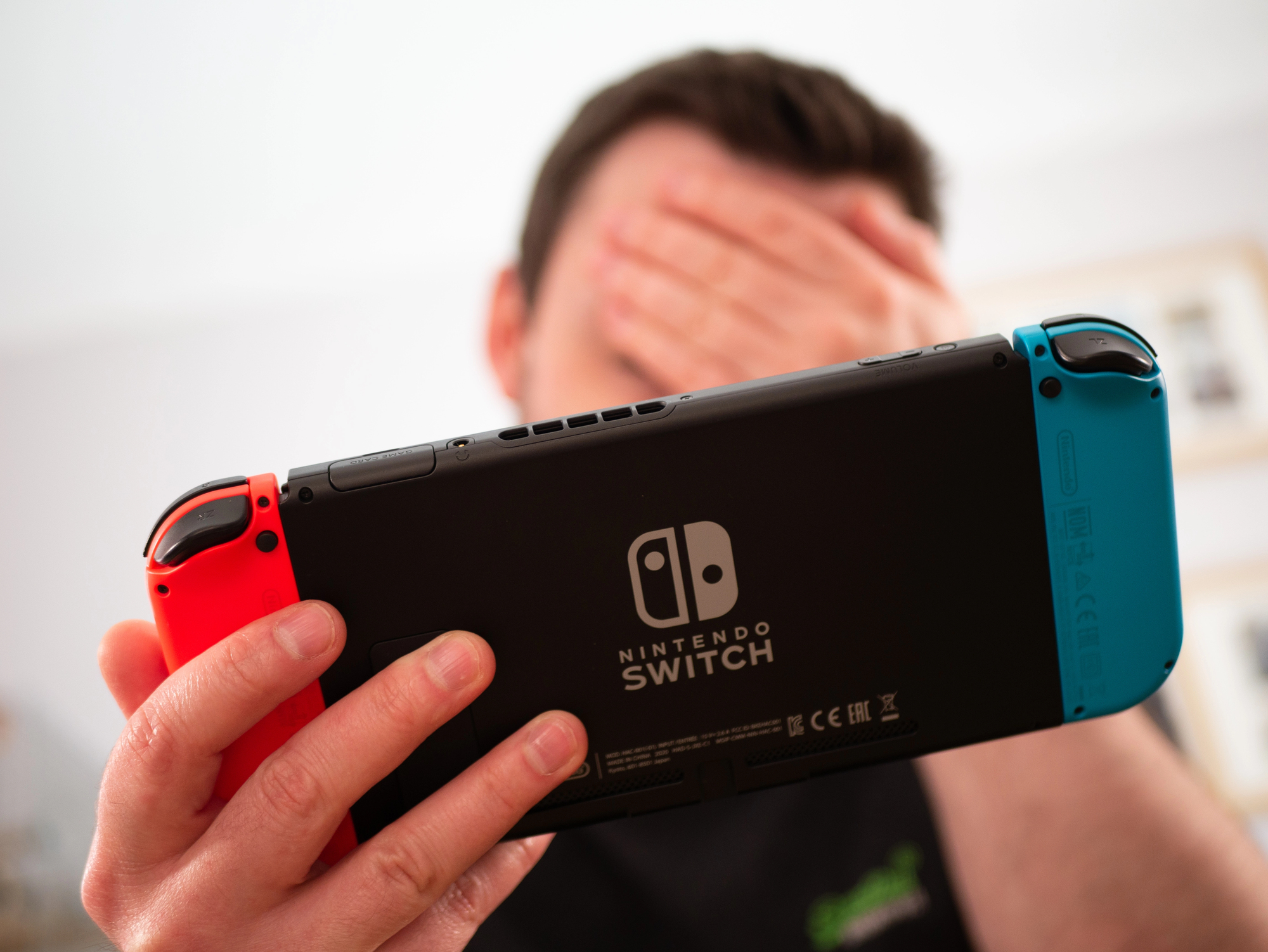
Dead controllers shouldn’t be a business model, yet French regulators just proved Nintendo treated them like one. The company accepted a record €35 million fine for misleading consumers about Joy-Con drift—not because the hardware failed, but because Nintendo knew about the defect by 2018 and stayed quiet until 2020.
You probably know Joy-Con drift intimately if you own a Switch. Your character wanders off cliffs without input. Camera angles spin during cutscenes. The analog stick registers ghost movements that turn gaming sessions into exercises in frustration.
The Silence That Cost Millions
France’s consumer protection authority, the DGCCRF, didn’t punish Nintendo for making faulty controllers. They hammered the company for keeping consumers in the dark about a known design flaw. While Switch owners struggled with drifting Joy-Cons, Nintendo’s internal teams already understood the problem: soft contact pads wearing down against metal prongs, sometimes within months of normal use.
The regulatory finding stings because it reveals calculated silence. Nintendo could have immediately promoted free repairs or warned buyers about potential issues. Instead, the company let frustrated players assume they needed new controllers—exactly what regulators call “deceptive business practices.”
Beyond the €35 Million Price Tag
This fine represents one of France’s largest consumer protection penalties in tech, matching sanctions typically reserved for fashion giants like Shein. Nintendo must now display a public notice about these deceptive practices on their French homepage—a digital scarlet letter acknowledging years of inadequate communication.
The company has offered free Joy-Con repairs since 2019, but French authorities argue the damage was already done. Thousands of consumers bought replacement controllers instead of seeking warranty service, simply because Nintendo failed to clearly communicate their repair rights.
Hardware Accountability Gets Real
Your gaming experience shouldn’t depend on corporate communication strategies, yet this case proves it often does. Nintendo’s acceptance of the fine signals that even beloved gaming companies face serious consequences when hardware problems meet consumer protection laws.
Other console makers are likely taking notes. European regulators increasingly scrutinize not just product defects, but how companies respond to them. The message is clear: staying silent about known issues while customers pay for solutions crosses the line from bad customer service into deceptive practice.
If your Joy-Cons drift, free repairs remain available across Europe. More importantly, this precedent suggests consumers can expect clearer communication about hardware problems before they become wallet-draining mysteries.


























