Your favorite streaming platform is under siege, and the attackers aren’t using traditional weapons. They’re flooding platforms with synthetic songs at an unprecedented scale, but the real story isn’t about robot musicians—it’s about fraudsters gaming the royalty system like crypto miners hijacking graphics cards.
Deezer’s latest data reveals a staggering reality: AI-generated tracks now represent a significant portion of daily uploads, yet almost nobody actually listens to them. Despite this tsunami of artificial content, AI music accounts for just 1-3% of actual streams on the platform.
Here’s the smoking gun: Deezer flags 85% of AI-generated streams as fraudulent and removes them from royalty calculations. This isn’t about creative expression—it’s about systematic exploitation of streaming economics.
One Platform Takes a Stand
Deezer’s detection technology exposes the scope of streaming manipulation across the industry.
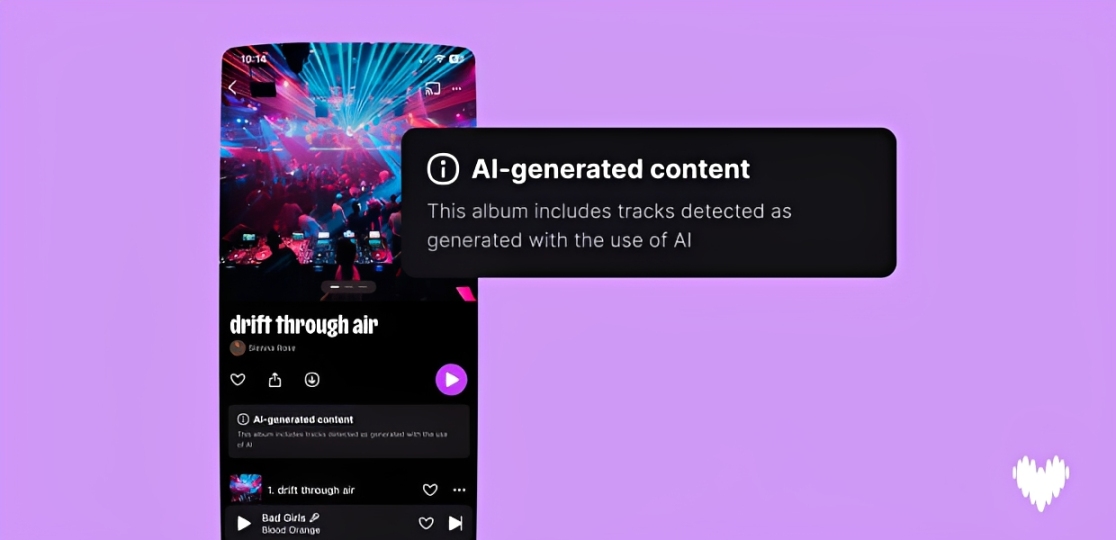
Deezer has become the streaming world’s reluctant sheriff, implementing the industry’s first transparent AI-detection system. The Paris-based platform now automatically tags synthetic tracks, excludes them from recommendations, and strips away high-resolution storage privileges.
“AI-generated music is now far from a marginal phenomenon,” warns Deezer CEO Alexis Lanternier, who’s been licensing the company’s detection technology to competitors since January. “We hope the whole music ecosystem will join us in taking action to help safeguard artist’s rights and promote transparency for fans.”
The trajectory tells a damning story about industry-wide negligence. When Deezer launched its detection tool in January 2025, it caught 10,000 daily AI uploads. Recent figures show this has grown dramatically—a massive increase that suggests other platforms remain wide open to exploitation.
The Trust Problem Nobody Wants to Address
Listeners demand transparency despite inability to distinguish synthetic from authentic music.
Here’s where things get weird: Deezer’s research shows 97% of people can’t distinguish AI-generated music from human-made tracks in blind listening tests. Yet 80% want synthetic content clearly labeled, and 73% want to know when platforms recommend AI songs.
It’s like demanding nutrition labels while admitting you can’t taste the difference between organic and processed food.
This paradox reveals streaming’s deeper crisis. Platforms built their empires on recommendation algorithms and curated playlists, but users increasingly question whether they’re hearing authentic art or sophisticated spam. The bot farms aren’t just diluting artist royalties—they’re eroding the fundamental trust between listeners and the platforms that shape their musical discovery.
Meanwhile, most streaming giants pretend this isn’t their problem, leaving Deezer to fight fraud alone while competitors benefit from willful blindness.