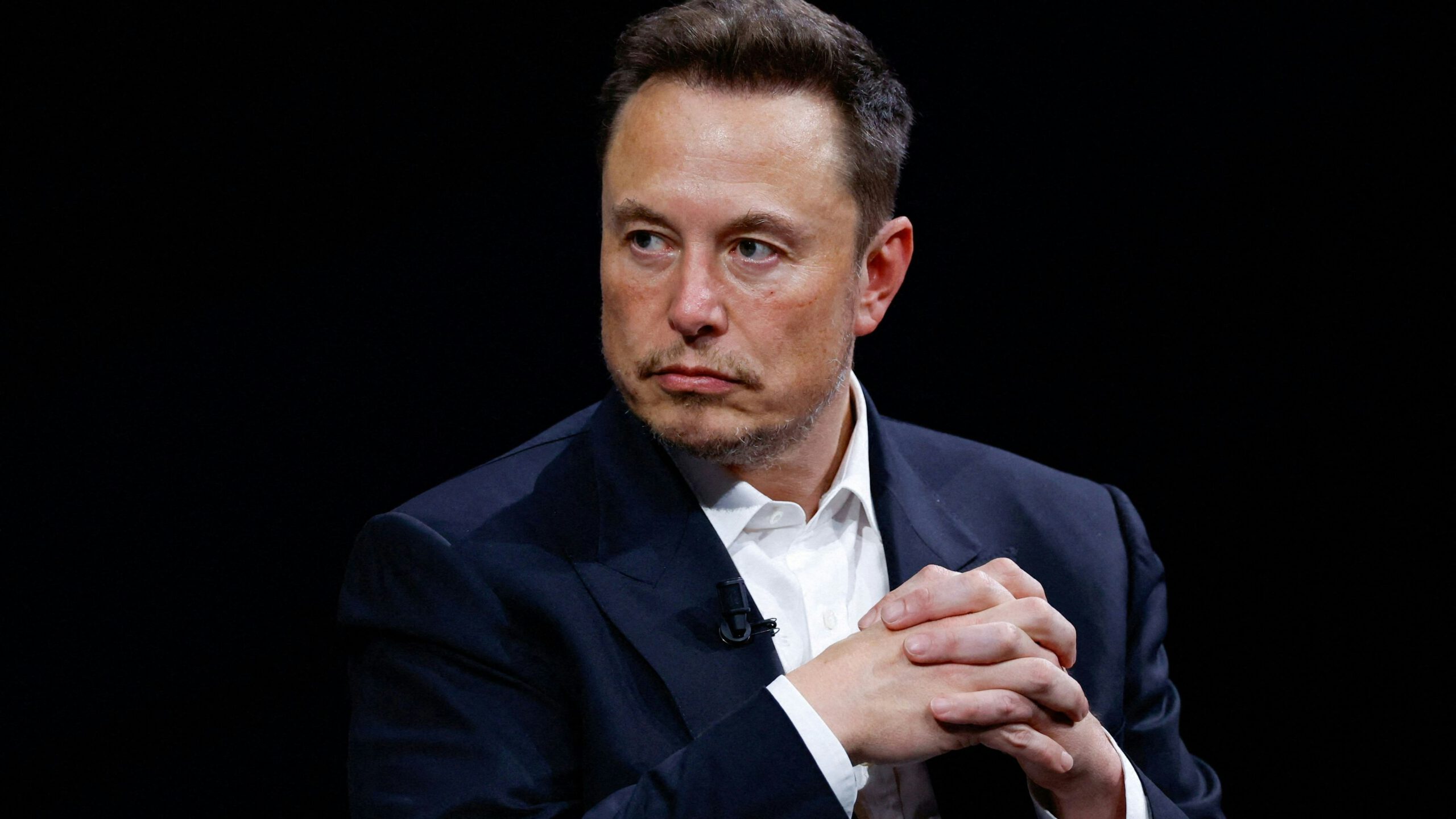
Billionaire feuds usually end in Twitter wars, but Elon Musk just escalated his OpenAI grudge match into federal court with a $134 billion damages claim that makes your average startup equity dispute look like spare change. A federal judge rejected OpenAI and Microsoft’s dismissal motions in January. Judge Yvonne Gonzalez Rogers signaled there’s “plenty of evidence” for a jury to consider Musk’s allegations that his former AI co-founders pulled a bait-and-switch scheme worthy of a Netflix true crime series.
The Math Behind the Madness
Expert witness calculations show how $38 million became a nine-figure legal claim.
Financial economist C. Paul Wazzan calculated that OpenAI earned between $65.5 billion and $109.4 billion in “wrongful gains” while Microsoft pocketed $13.3 billion to $25.1 billion from their partnership. Musk’s legal team argues his original $38 million investment—plus recruiting talent, lending credibility, and startup mentorship—entitles him to a slice of OpenAI’s current $500 billion valuation.
That’s roughly a 3,500-fold return on investment, which sounds absurd until you remember similar multiples happen in Silicon Valley when companies like Instagram sell for $1 billion after 13 employees and two years.
The Corporate Structure Switcheroo
Musk alleges OpenAI founders promised nonprofit status then pursued Microsoft billions.
The lawsuit centers on OpenAI’s 2019 transition from nonprofit to “capped profit” structure, followed by Microsoft’s $13+ billion investment and 27% stake acquisition. Musk claims co-founders Sam Altman and Greg Brockman fraudulently induced him to help establish OpenAI in 2015 under explicit nonprofit commitments. He alleges they pursued for-profit restructuring once his credibility and capital launched the organization.
OpenAI counters that all parties agreed by 2017 that for-profit status was inevitable, and negotiations collapsed when Musk demanded majority control.
Enterprise Customers Caught in Crossfire
Governance uncertainty threatens business partnerships built on OpenAI technology.
Your enterprise AI strategy might depend on a company facing existential legal challenges. Organizations that integrated ChatGPT through Microsoft’s Azure platform now confront vendor stability questions as the April 2026 Oakland trial approaches. OpenAI warned investors about Musk’s “deliberately outlandish” claims, suggesting significant concern about reputational damage affecting the global enterprise technology market.
This case will likely establish precedent for nonprofit-to-for-profit transitions in AI companies, potentially reshaping how future AI startups balance humanitarian missions with venture capital demands.