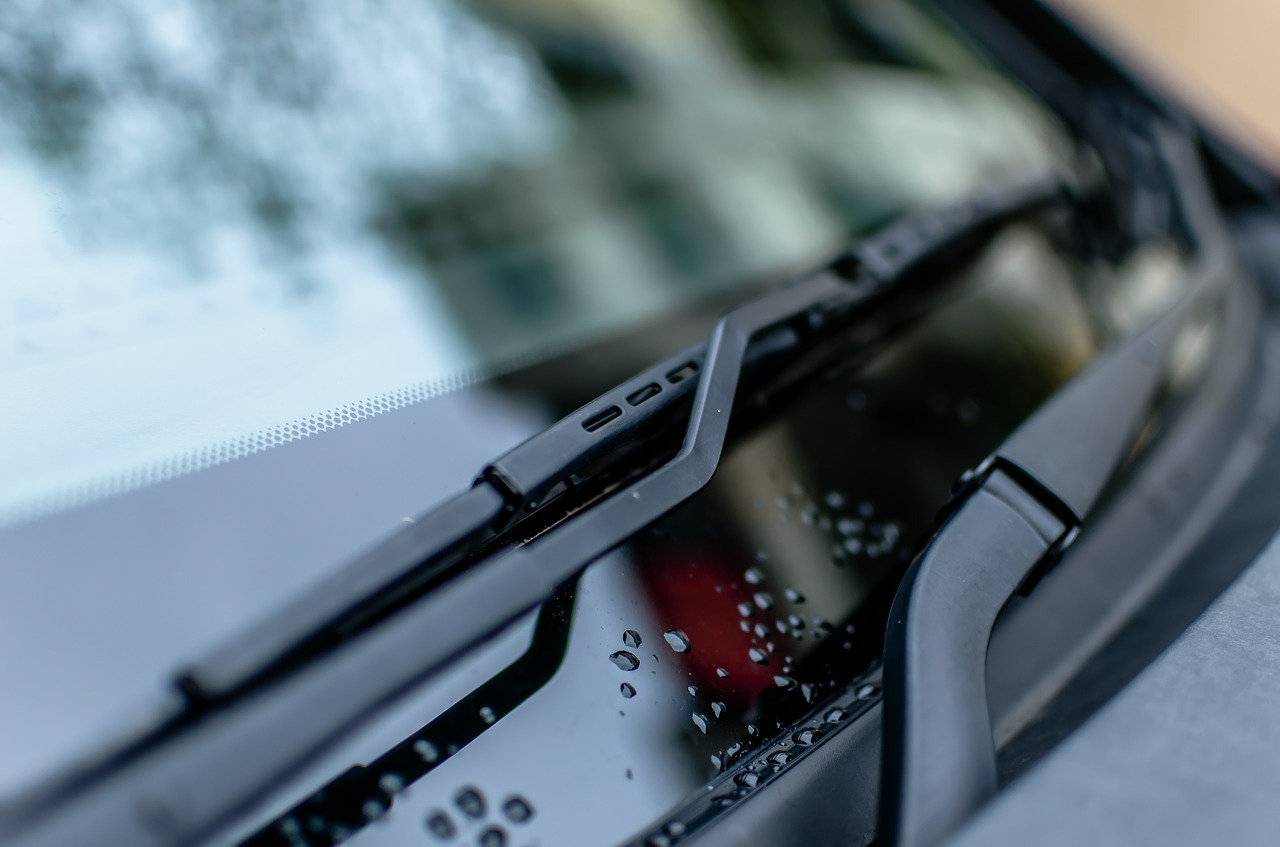
Your car’s rain-sensing wipers seem brilliant until you’re squinting through a downpour on I-95. That intermittent pulse feels efficient—why waste blade life on constant wiping? Yet this logic creates a deadly film between wipes that turns your windshield into a funhouse mirror. Simple DIY car fixes can help maintain visibility systems, but proper wiper technique remains critical.
When rain first hits asphalt, it mixes with oil residue and road grime, according to safety experts. This cocktail doesn’t just make roads slippery—it coats your glass with a visibility-destroying layer that intermittent wipers can’t clear fast enough during heavy rainfall.
Insurance company Amica puts it bluntly: “When it’s pouring, turn the wipers to a higher setting. This will help remove water droplets on the windshield so you can see what’s ahead.”
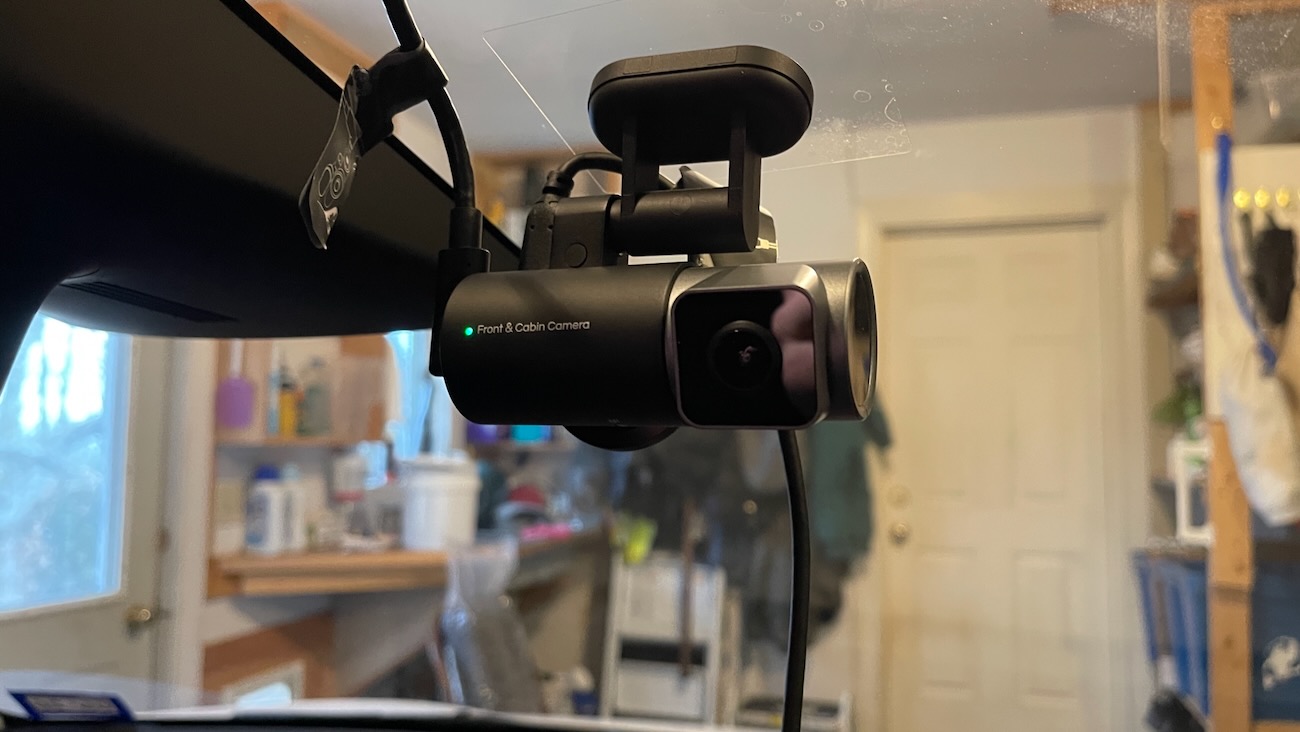
Your car’s lane-keeping assist and collision avoidance systems depend on cameras positioned behind that same windshield. Independent tests show these safety systems failing to detect stopped vehicles consistently when water film obscures their view. Suddenly, your safety net becomes as useless as a TikTok life hack.
When Smart Cars Get Stupid
Rain-sensing technology prioritizes comfort over survival when storms turn serious.
Modern vehicles use optical sensors near your rearview mirror to detect moisture and automatically adjust wiper speed. Sounds foolproof, like Netflix knowing exactly what you want to watch. But these systems optimize for driver convenience, not maximum visibility in life-threatening conditions.
Traffic safety experts define “overdriving your windshield wipers“ as rainfall intensity exceeding your wipers’ ability to clear the glass—even at maximum speed. Signs include:
- Persistent blurring
- Delayed obstacle recognition
- Increased glare from headlights
When you’re overdriving your wipers, safety guidance is clear: slow down, increase following distance, and if visibility becomes severely compromised, pull over.
The solution isn’t buying better wipers or fancier rain-sensing algorithms. It’s recognizing that in genuine downpours, you need to manually override automation and run continuous, low-speed wiping instead of trusting intermittent patterns.
Your rain-sensing system is designed for convenience during light drizzle. When the sky opens up like a broken fire hydrant, take control. Switch to continuous mode and keep that windshield clear—your life depends on seeing what’s ahead.