Racing to catch the last train home to your empty apartment? That moment when you wonder who would even notice if you didn’t make it is exactly why a brutally-named Chinese app just conquered global app stores.
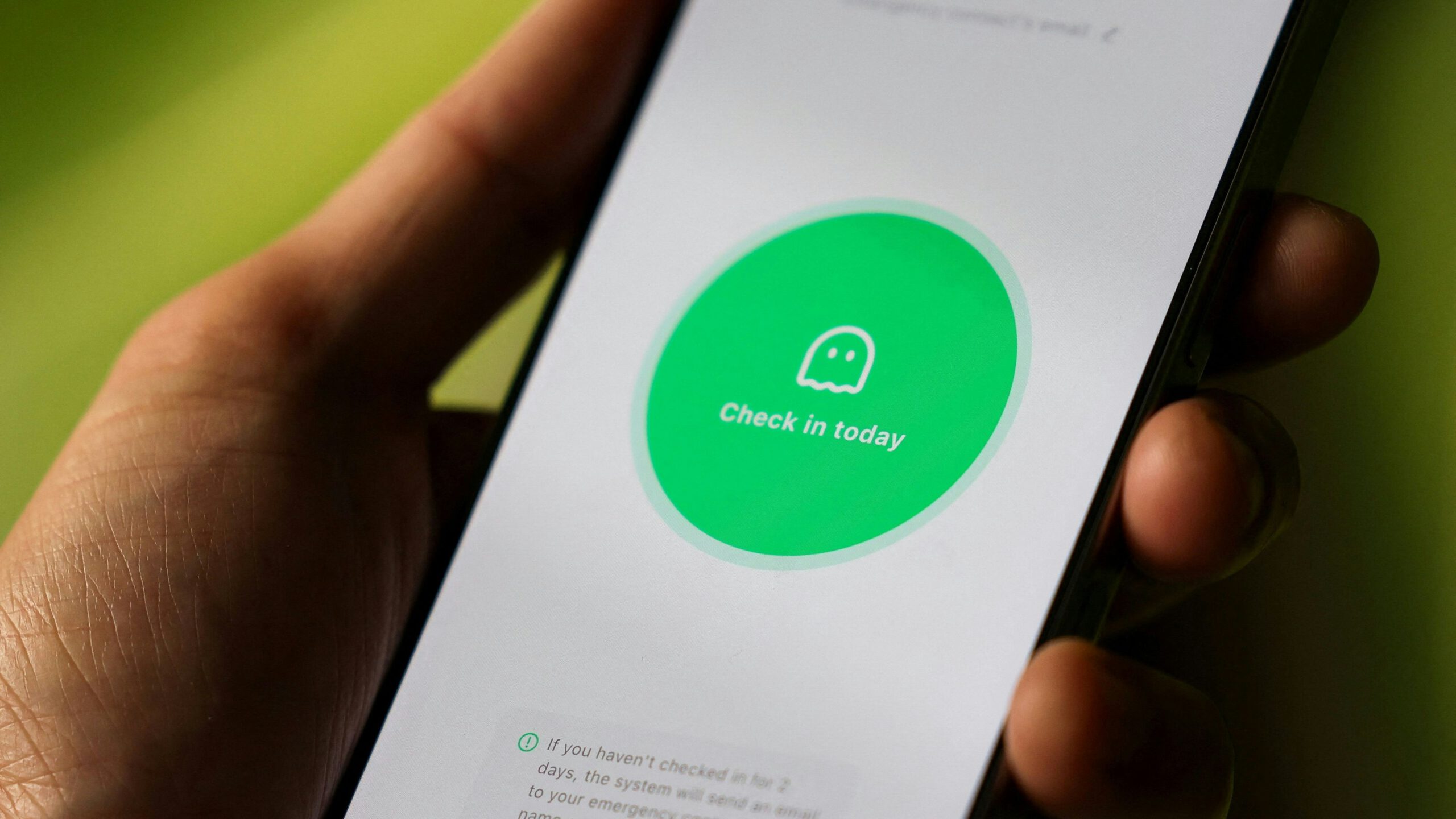
The app is called “Are You Dead?” (死了么 in Chinese), and despite sounding like dark humor from a particularly morbid friend, it’s become the #1 paid utility across multiple countries. In January 2026, this $1.15 safety net topped charts from Singapore to Spain, revealing our collective anxiety about solo living in ways that gentle wellness apps never could.
When Blunt Honesty Beats Gentle Marketing
Sometimes the most uncomfortable truths make the most compelling products.
The mechanics couldn’t be simpler: tap a green button daily to confirm you’re alive, skip two days, and your emergency contact gets an automatic email alert. No login required. No social features. No gamification streaks to maintain your “staying alive” score.
Developed by three post-1995 founders as a spare-time project, the app launched quietly in June 2025. Then Weibo users discovered it in January 2026, and the viral explosion was immediate. While other safety apps buried their purpose behind euphemisms like “wellness check-ins” or “daily affirmations,” Are You Dead? cut through the noise with uncomfortable honesty.
The name controversy actually fueled downloads—netizens are already resisting the planned rebrand to the gentler “Demumu.”
The Loneliness Economy Goes Global
Solo living anxiety has become a worldwide demographic reality worth billions.
China projects over 200 million single-person households by 2030, while Europe already counts 75 million single-adult homes. The WHO links isolation to serious health risks, and suddenly that daily button tap feels less paranoid, more practical.
The app’s user base spans post-1990s office workers, international students, and overseas Chinese communities—demographics that chose independence but inherited isolation. This isn’t about elderly monitoring systems or medical alerts. It’s about twenty-somethings who moved to new cities for opportunities and realized that Netflix and takeout delivery don’t constitute a social safety net.
Solo living evolved from stigmatized failure to Instagram-worthy lifestyle choice, but the app’s viral success suggests we’re still grappling with independence’s darker implications.
Perfect Imperfections
The app’s limitations might actually be features for anxious solo dwellers.
Critics point out obvious flaws: email alerts feel antiquated compared to instant SMS, false alarms seem inevitable, and the interface lacks basic streak tracking. Some dismiss it as a “death notifier” rather than safety tool.
But these “limitations” might explain its appeal. The 48-hour window prevents helicopter-friend syndrome, while email alerts feel less intrusive than emergency texts. The developers are planning elderly-focused versions and smart bracelet integration, but the core insight remains: sometimes the most effective solutions are the most uncomfortable to acknowledge.
For a generation raised on digital connection, Are You Dead? offers something surprisingly radical—a safety net that doesn’t pretend loneliness isn’t real.