Motorcycle design is a graveyard of good intentions. Any gearhead can tell you that innovation doesn’t always equal success—sometimes it paves the road to spectacularly weird results. The bikes on this list pushed boundaries, challenged norms, and occasionally face-planted harder than a newbie on a 1200cc sportbike. From rotary engines that guzzled gas like a frat boy at Spring Break to turbochargers that turned bikes into bucking broncos, these are the most audacious engineering misfires that promised to redefine the open road but instead became historical punchlines.
13. Suzuki RE5
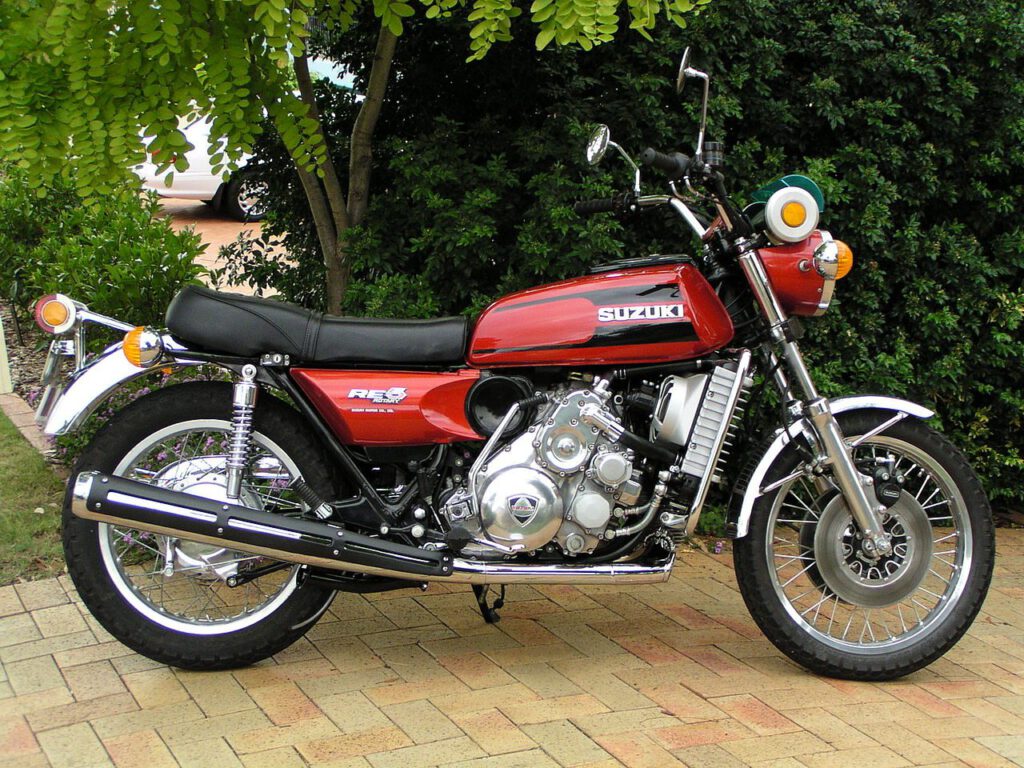
The rotary engine that spun its way to failure.
Suzuki’s RE5 featured a 497cc Wankel rotary engine promising smooth power with fewer moving parts. Instead, it delivered a masterclass in how not to launch a motorcycle. High emissions and fuel inefficiency weren’t exactly selling points during the ’70s energy crisis, and reliability issues nearly harmed Suzuki’s reputation.
Rolling up to a bike night thinking your rotary engine will be the envy of all, only to have your RE5 sputter and die, leaving you stranded and smelling like unburnt fuel. The engineering concept was sound, but execution? About as smooth as gravel mixed with broken glass.
12. 1980s Japanese Turbo Motorcycles
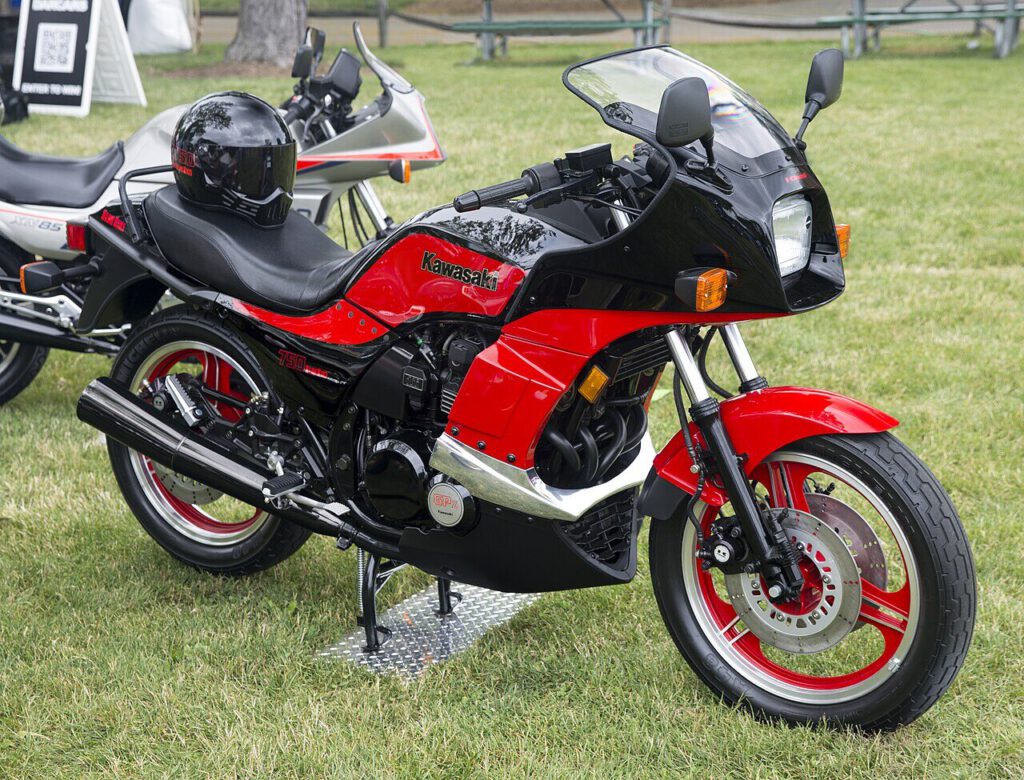
When manufacturers asked “How much power is too much?” and got a violent answer.
Motorcycle turbocharging in the 1980s delivered massive power through bikes like the Kawasaki GPZ750 Turbo and Yamaha XJ650T. But it came with turbo lag that could leave you waiting like dial-up internet, followed by violent power surges that turned peaceful rides into rodeos. Poor ventilation led to heat management issues and, occasionally, fires.
These machines were more complex than a politician’s tax return, and about as reliable. Manufacturers eventually ditched turbos for bigger, naturally aspirated engines. Because sometimes, brute force is better than finesse—especially when you don’t want your crotch barbecued.
11. Honda’s Anti-Dive Suspension
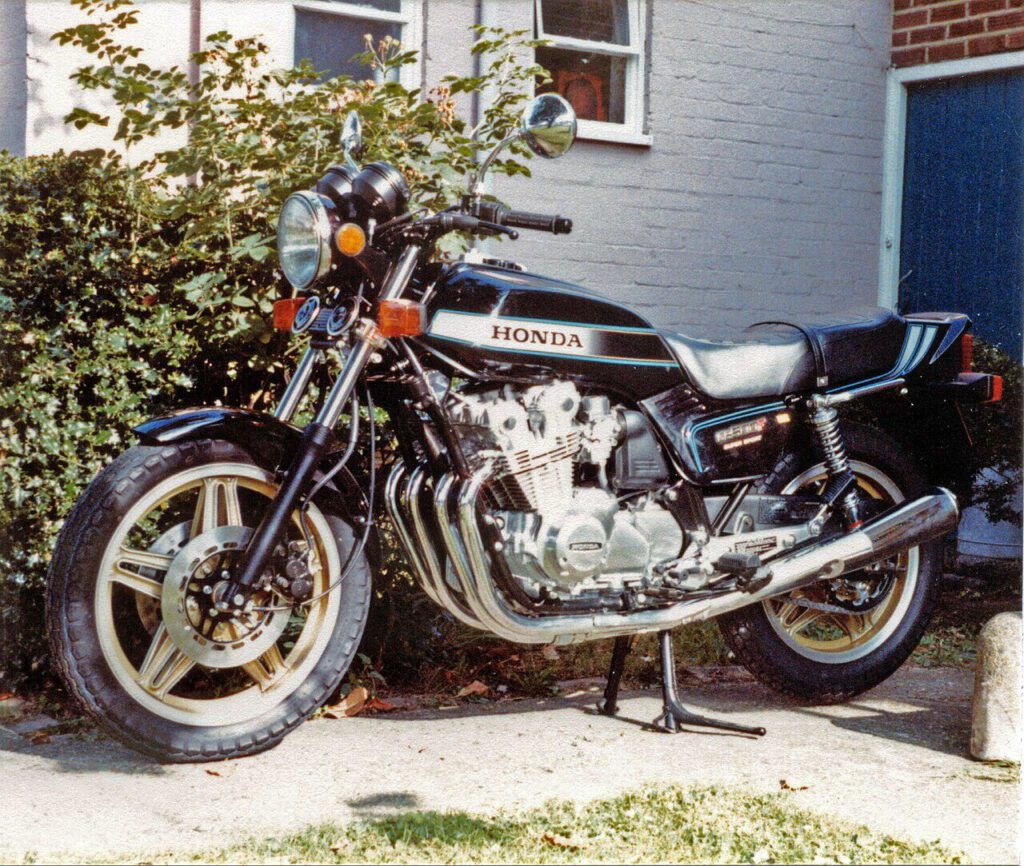
A solution hunting for a problem that didn’t exist.
Honda’s anti-dive suspension used hydraulic lines from the calipers to the forks, aiming to reduce brake dive. The system created a harsh ride, transmitting every pebble and crack straight to your spine like riding a jackhammer. While your front end might have stayed flatter, your kidneys definitely took a beating.
Anyone who’s experienced this system knows the feeling: trying to enjoy a Sunday cruise while every road imperfection reminds you that some innovations are better left uninvented. The feedback was about as subtle as a foghorn.
10. Honda Matic Series
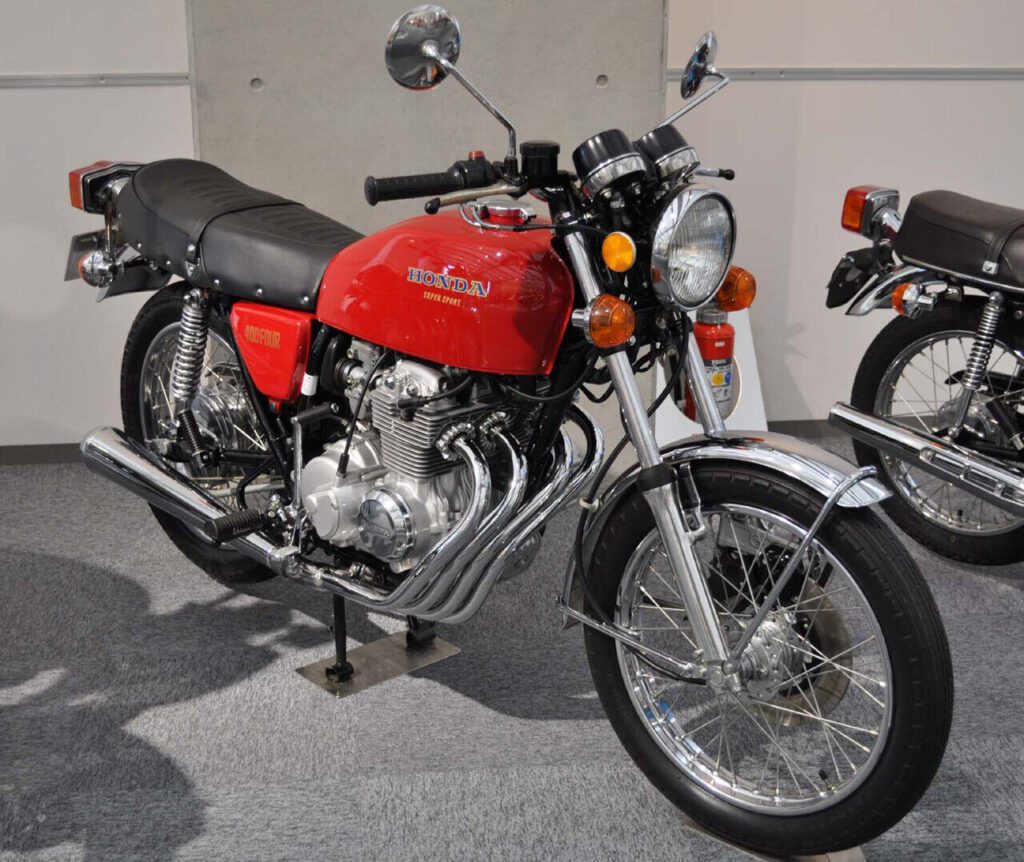
Automatic transmissions that made motorcycles feel like golf carts.
Honda’s Matic series (CB750A, CB400A) featured automatic two-speed transmissions, aiming to lure new riders intimidated by clutches and shifting. Instead of delivering promised ease, these models became engineering punchlines that failed to deliver expected performance or simplicity.
Picture trying to impress someone on a bike that shifts like a golf cart—smooth, but not exactly exhilarating. Honda’s noble intention to simplify riding ended up turning off both newbies and seasoned bikers, proving that sometimes, less isn’t more.
9. Honda NR750
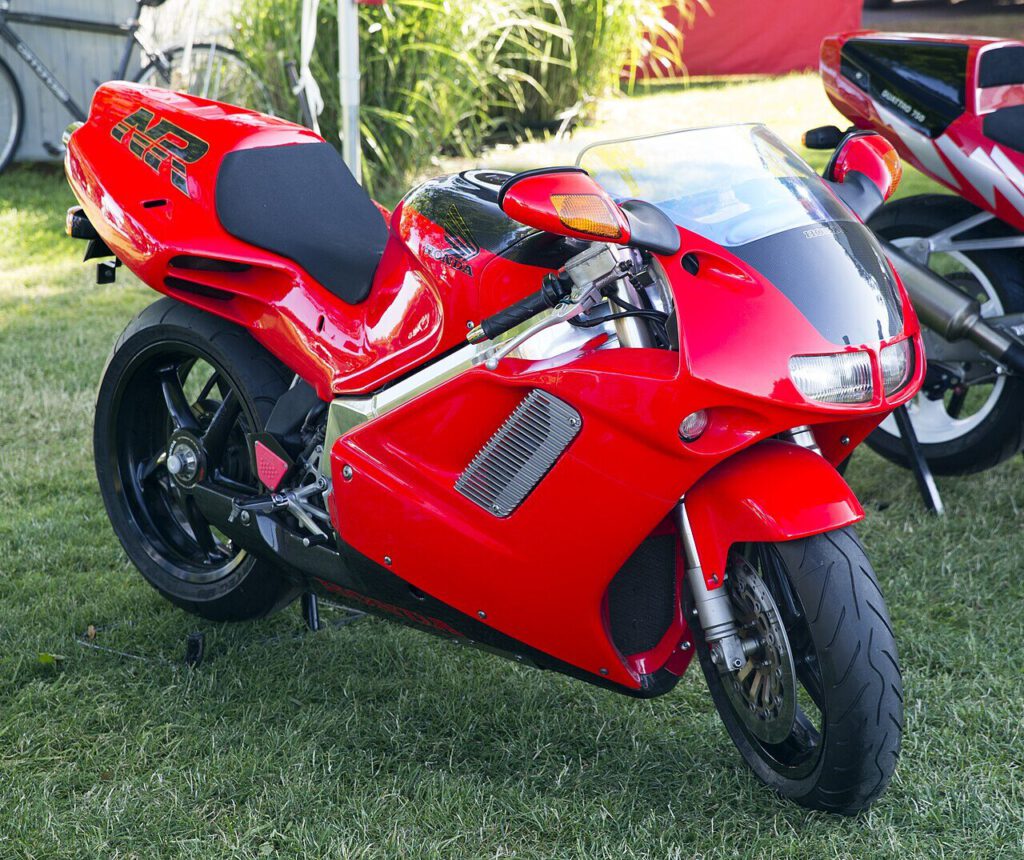
Oval pistons that proved round ones worked just fine.
Honda’s 1992 NR750 used oval pistons with dual connecting rods, hoping to double valve area and achieve two-stroke-like revs in a four-stroke engine. The complexity and cost yielded no major performance gains over conventional round-piston rivals, making this expensive experiment feel like reinventing the wheel just to discover the original already worked.
Anyone who witnessed this engineering marvel knows it was like trying to fit a square peg into a round hole, then multiplying that challenge by eight. The result? Two-stroke-like revs that made neighbors call the cops, but performance that didn’t justify the astronomical price tag.
8. Shaft Drives on Sport Bikes
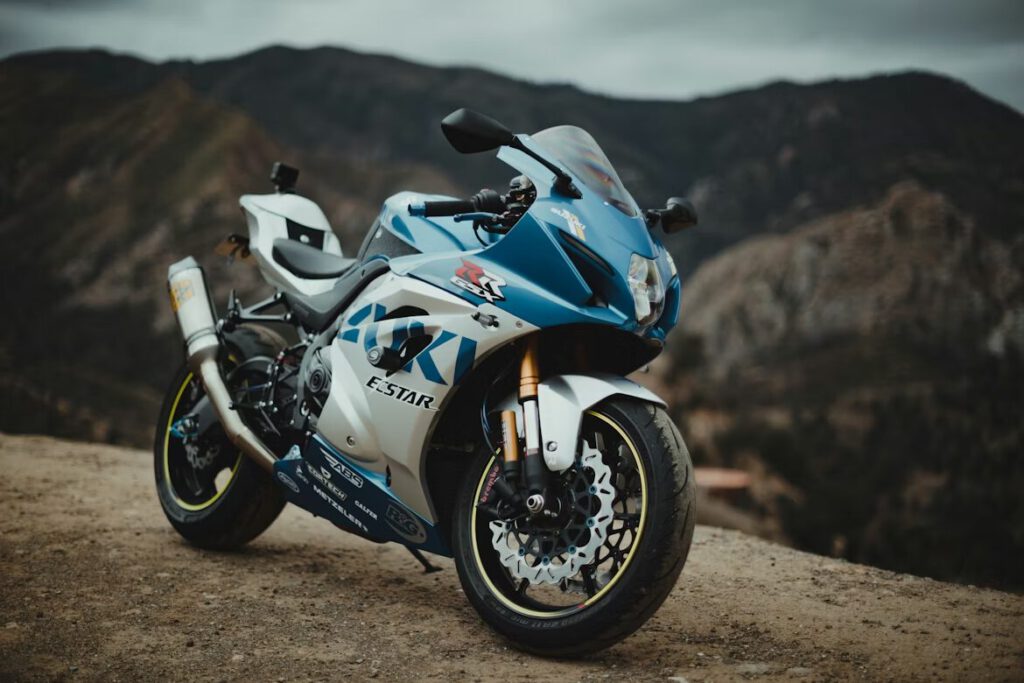
Low-maintenance dreams that turned into handling nightmares.
Shaft drives promised maintenance-free riding compared to chains, but added weight, power loss, and torque reactions that caused the rear to squat under acceleration or rise under braking. These systems messed with handling like your uncle messes with the aux cord.
Picture railing a corner when your rear end suddenly squats like it’s hitting the dance floor. That torque reaction turns every apex into a guessing game, making sprint-like performance feel more like running in cement shoes.
7. Yamaha RD400 Daytona Special’s Flexible Frame
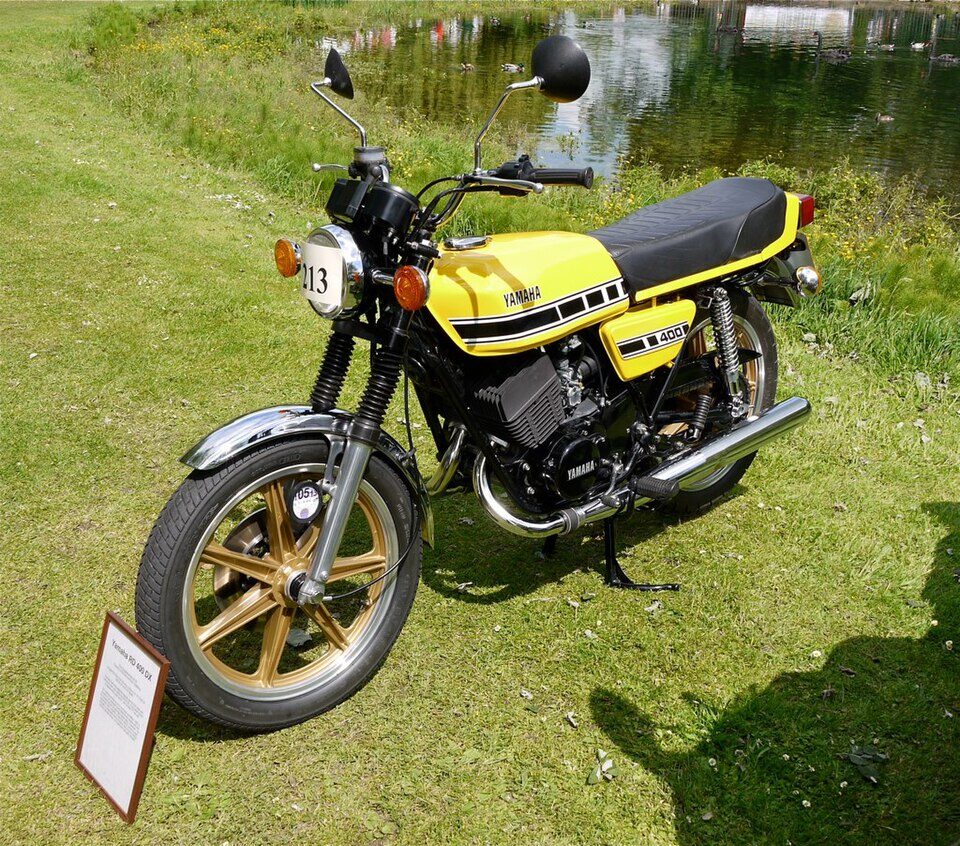
Flexibility that nobody requested.
Yamaha’s RD400 Daytona Special featured a flexible frame designed to improve rough-road handling, but it felt vague and unstable at speed due to twisting under load. Every turn became a surprise party where precision went out the window.
Leaning into curves hoping for control, you’d get sensations like trying to send a serious text using only emojis. The frame’s flexibility made navigation feel like consulting a Magic 8-Ball for direction—at least that admits it’s making things up.
6. Early Catalytic Converters on Bikes
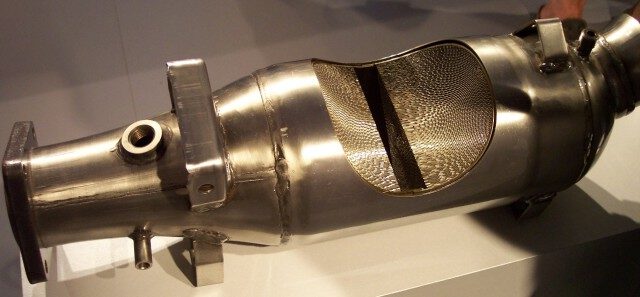
Emission control that made everything worse.
Early catalytic converters were fragile, restrictive, and prone to breakdown, worsening performance until refined versions emerged. These first-generation converters choked performance like wearing a three-sizes-too-small wetsuit during a triathlon, while delivering that distinctive rotten egg smell that screamed “malfunction.”
Instead of cleaning emissions, they often made things worse through frequent breakdowns and restrictions that killed power delivery. Sometimes progress requires a few steps backward before moving forward.
5. Automatic Chokes
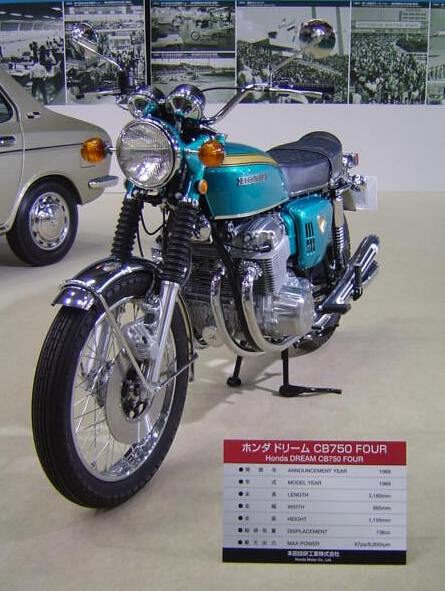
Complex systems that delivered inconsistent headaches.
Automatic chokes on bikes like the Honda CB750 used complex thermostats and vacuum systems prone to rich and lean mixture issues that varied by temperature and altitude. These systems were nearly impossible to adjust properly, running richer than Elon one day and leaner than a celebrity diet the next.
Anyone who’s been stranded roadside, fumbling with an automatic choke that decided to run lean, knows that progress isn’t always progress. Sometimes the simplest solutions work best.
4. Linked/Integrated Braking
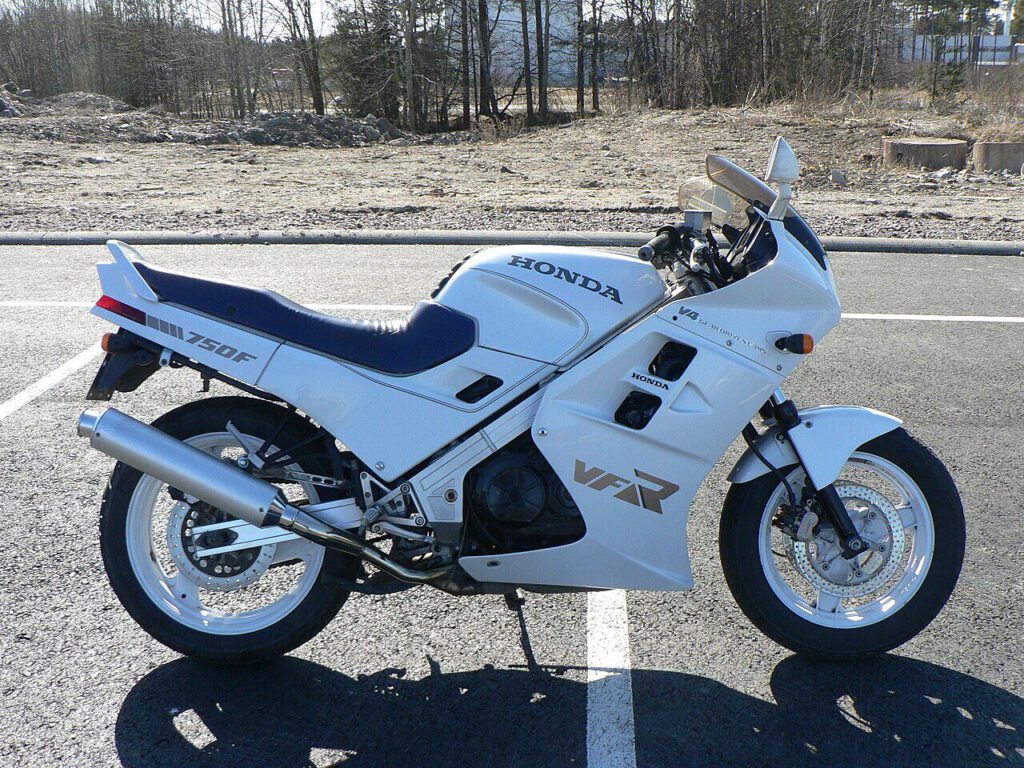
Automated stopping that cost more than it helped.
Honda’s linked braking system on models like the VFR750 automatically applied front and rear brakes through valve networks, promising balanced stops even if you grabbed the lever like a panicking newbie. These systems were complex, expensive to maintain, and prone to proportioning failures.
When that three-way valve decides to quit, you’ll understand why these systems faded out. They were like DJs mixing tracks that just don’t sync—technically impressive but practically frustrating.
3. Early Electronic Ignitions and Digital Dashes
Computer technology that couldn’t handle motorcycle reality.
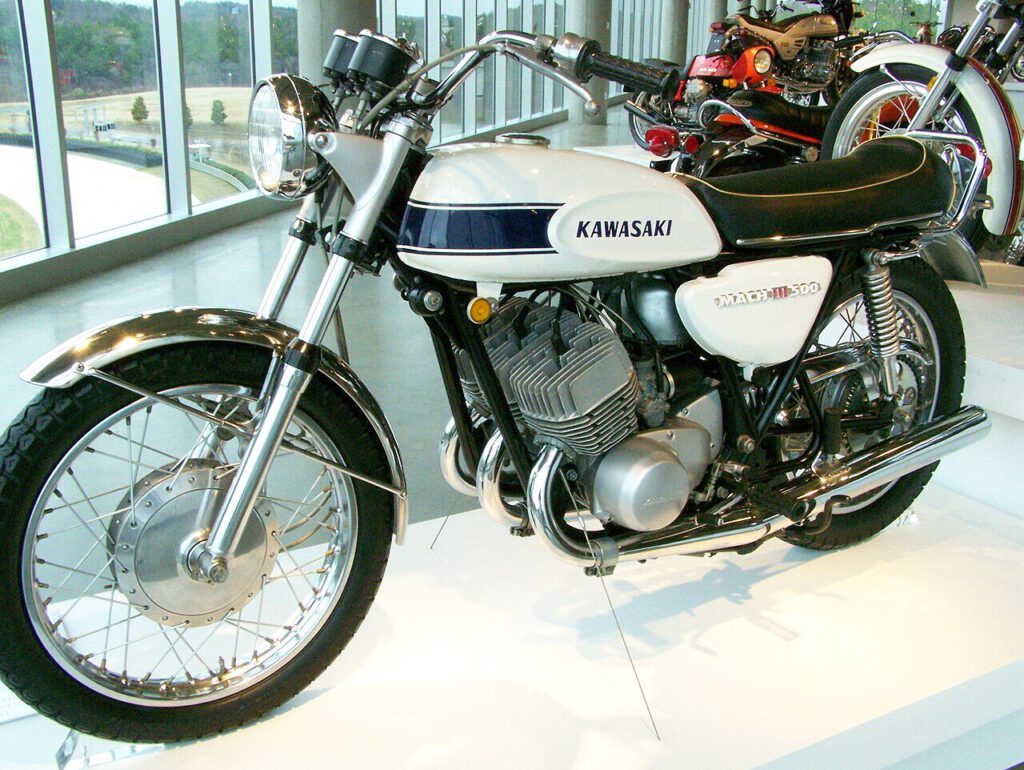
Early electronic ignitions and digital dashes promised high-tech advancement but failed when exposed to moisture and vibration. Riders found themselves stranded, watching clear speedometers turn into abstract art while electronic ignitions became as reliable as politicians’ promises.
Picture bombing down a back road only to have your digital display start speaking in hieroglyphics. It was like trading a trusty typewriter for temperamental AI that only communicates through error messages.
2. Bimota V-Due’s Two-Stroke Direct Fuel Injection
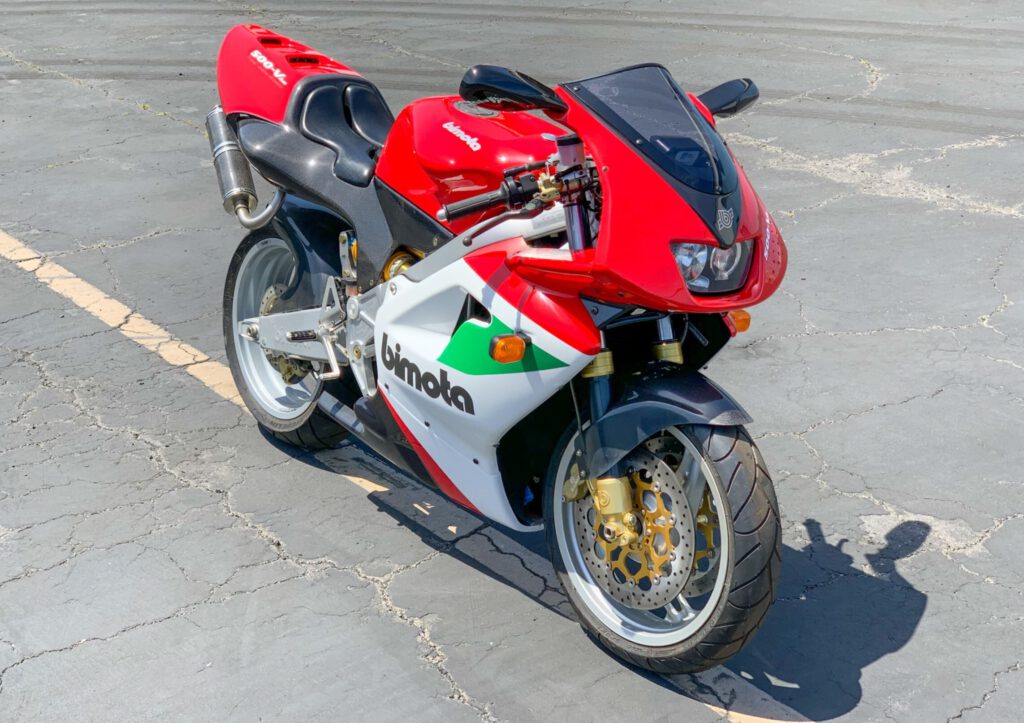
Image: Iconicmotorbikeauctions
Premium pricing for reliability that ran on spite.
Bimota’s V-Due featured two-stroke Direct Fuel Injection for emissions compliance, but suffered erratic fuel delivery, sensor issues, and oil system failures that led to carburetor reversion and brand damage. Even seasoned mechanics couldn’t diagnose problems without resorting to interpretive dance.
This expensive engineering marvel became a cautionary tale that even Evel Knievel would find excessive. Sometimes the best innovations are simply the ones that work consistently.
1. Hub-Center Steering
Revolutionary concepts that felt like wrestling greased pigs.
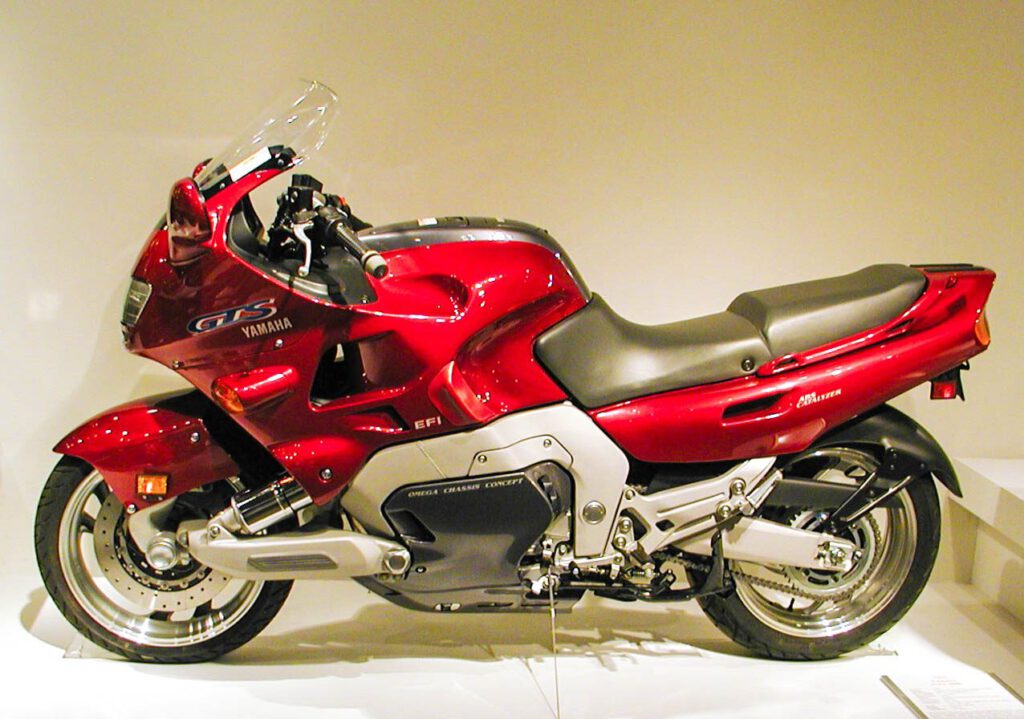
Hub-center steering and other experimental systems like rim brakes and rear-hub suspension lacked practicality and balance. Instead of predictable lean dynamics, riders battled vague disconnection from the front wheel, like steering boats with joysticks through crowded parking lots.
The result felt more like wrestling a greased pig than riding a precision machine. These systems proved that not all innovation translates to real-world improvement—sometimes conventional solutions exist because they work.