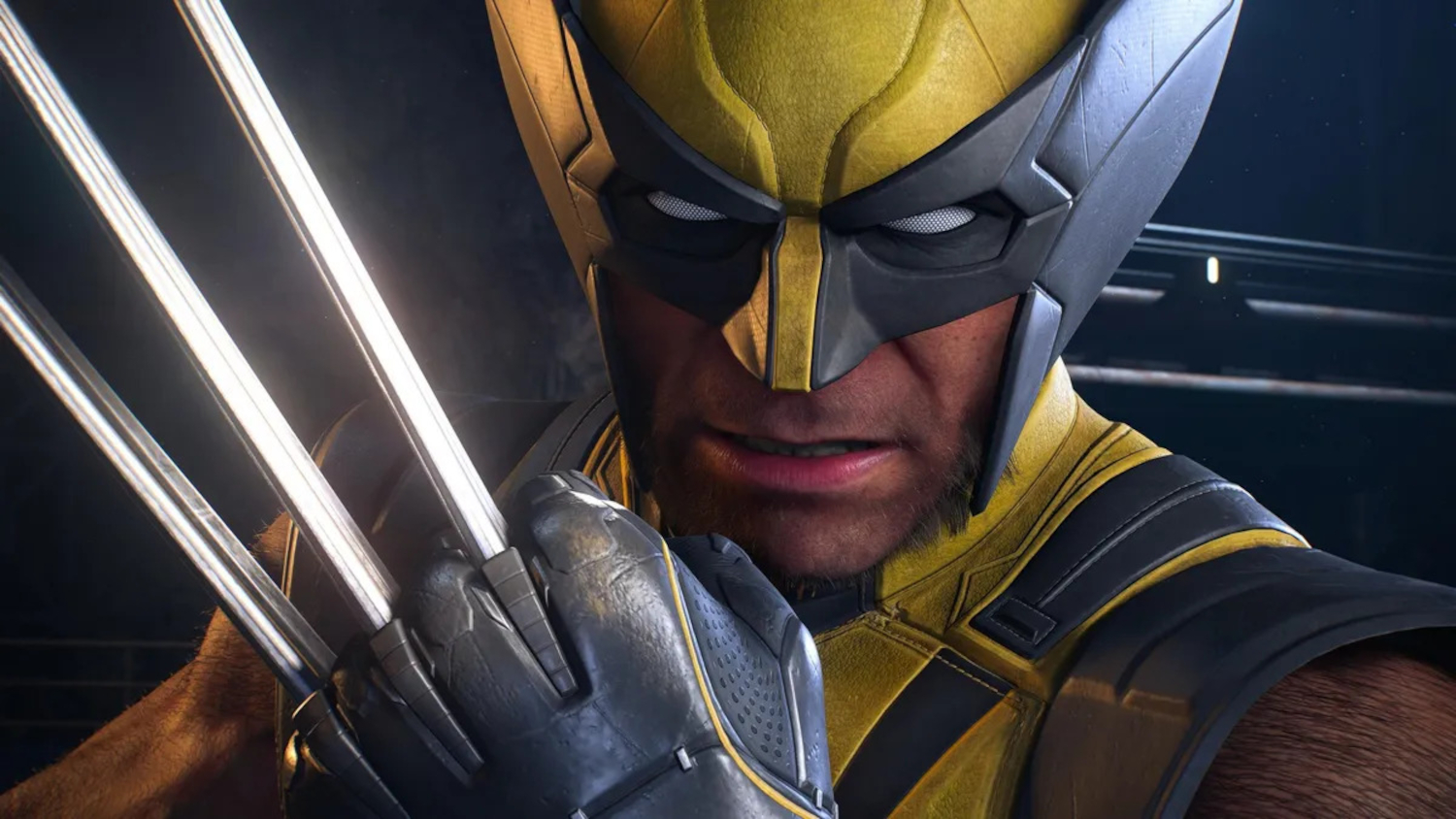
Streamer Michael Does Life set his controller on the couch mid-mission and watched Logan finish a motorcycle chase without him. The bike bounced off guardrails, shrugged off glancing hits thanks to Wolverine’s healing factor, and rolled across the finish line like it had somewhere to be. His caption said it plainly: “Wolverine has ANOTHER motorcycle section and you don’t have to press ANYTHING. The game plays itself! YIKES!”
That clip is funny. What it points to is not.
When Accessibility Becomes Invisibility
The motorcycle controversy is real, but the QTE problem underneath it cuts deeper.
The motorcycle sequence is designed with bumpers and guardrails that keep Logan on course regardless of steering input, according to reporting by Kotaku and GamingBible. Head-on collisions with oncoming traffic can still kill him, but provoking one requires deliberate effort. Glancing hits barely register, and in practice you can ride from start to finish without touching the analog stick.
Marvel’s Wolverine includes a QTE autocomplete option in its accessibility menu, which is a legitimate tool: players with motor disabilities or reflex limitations should not be locked out of story beats. Twisted Voxel documented, and games commentator Destin Legarie confirmed after testing a patched build, that QTEs auto-complete within a four-to-six-second window even when that setting is turned off. No button press required. No fail state triggered.
GamesRadar deputy entertainment editor Fay Watson put it plainly in her review: “It doesn’t matter if you match the on-screen prompt; worse still, it will automatically pass the QTE for you if you press nothing. Which begs the question: what is the point of those QTE’s?”
That question deserves a real answer from Insomniac, not a patch note.
The Problem Is the Wiring, Not the Feature
The accessibility option itself is defensible; what is not defensible is letting it govern players who never asked for it.
QTE autocomplete belongs in video games, and commentators like Moriarty (MRIXRT on X) are right to flag it as a positive accessibility tool. The criticism lands squarely on implementation. An assist that bleeds into default behavior without the player opting in is not an assist anymore; it is the game making decisions on your behalf.
The “plays itself” framing does overstate the case, and the evidence supports that nuance. Kotaku notes that other bike segments allow Wolverine to die, and some QTE sequences carry persistent damage or negative consequences when prompts are ignored. The problem is not a universal auto-win rule; it is inconsistency. Some sequences demand your attention and punish you for drifting, while others treat your input like a polite suggestion, which is exactly what makes the hands-free clips land so hard.
It is a bit like a Disney ride where the cart does the work regardless of how hard you grip the wheel: technically fine, completely safe, and slightly defeating the point.
What Insomniac Owes Its Players
A studio that built its reputation on cinematic action requiring real input has the design vocabulary to fix this.
Autocomplete assists need clean toggle logic with transparent consequences, and fail states need to engage the moment a player disables them. Right now, Marvel’s Wolverine is Insomniac’s worst-reviewed title in years on Metacritic, and the “plays itself” controversy represents a specific, correctable failure: not of ambition, and not of accessibility philosophy, but of execution. What you do with the controller should always matter.