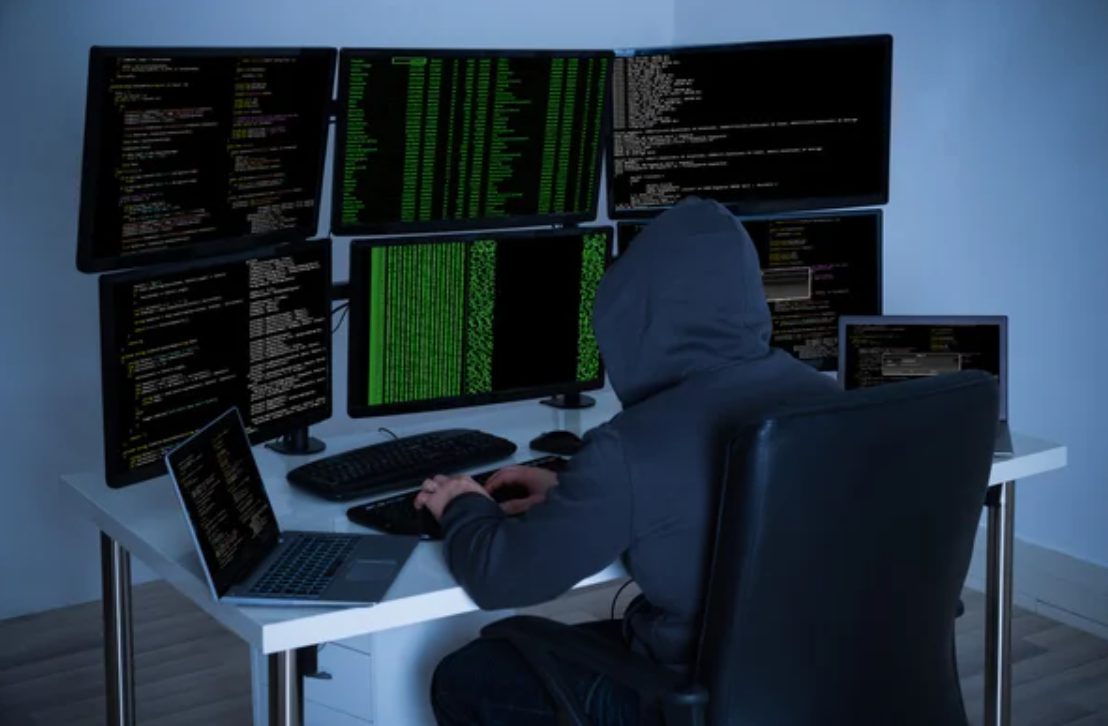
Panic spreads across university IT departments this week after hackers stole personal information from 275 million Canvas users—including students’ names, emails, student IDs, and private messages with professors. The ShinyHunters ransomware group didn’t just breach Instructure’s learning management system; they defaced login pages at major universities with ransom demands, turning familiar portals into digital billboards for extortion.
Students’ Canvas accounts contain more sensitive data than most families realize.
Your student’s Canvas account likely contains more sensitive data than you realize. While ShinyHunters didn’t access passwords or financial information, they harvested:
- Names
- Email addresses
- Student ID numbers
- Messages between users across 8,800 schools and universities
Think of it as someone rifling through your digital backpack—not your wallet, but everything else inside.
Major universities experienced widespread service disruptions and data exposure.
The breach hit heavy hitters hard. University of Pennsylvania saw 306,000 affiliates affected before Canvas went dark on May 7. Harvard posted maintenance messages while Utah enhanced monitoring protocols. Virginia, Rutgers, and UT Austin all reported impacts, though most kept Canvas running with heightened security.
Instructure’s response efforts may prove inadequate against persistent threat actors.
According to Instructure CISO Steve Proud, “Staff are working to determine full scope and minimize impact,” but ShinyHunters claimed the patches weren’t enough, threatening to leak everything by May 12. Instructure revoked privileged credentials, deployed security patches, and engaged forensic experts—standard breach protocol that feels inadequate against a group this brazen. Law firms like Stueve Siegel Hanson are already investigating class-action claims, sensing blood in the digital water.
This breach exposes a brutal truth about edtech dependency. Canvas handles coursework for over 30 million users because schools moved fast and broke things during COVID’s digital scramble. Now families pay the privacy price for convenience, watching personal academic data become ransomware currency. Monitor students’ accounts for suspicious activity, but don’t expect this to be the last wake-up call. Digital learning platforms store intimate details about young lives—and hackers know it.