All of your Google location data, search history, and communications just became fair game for government surveillance—all because of a social media post criticizing immigration policy. A Canadian citizen who hasn’t entered the U.S. since 2015 is fighting back after the Department of Homeland Security used a 1930s customs law to demand his entire digital footprint from Google.
The Digital Dragnet Expands
Federal agencies are casting wide nets to identify social media critics across multiple platforms.
The case centers on “John Doe,” whose crime was posting criticism of Trump administration immigration policies on X after federal agents fatally shot protesters in Minnesota. His posts about ICE garnered nearly 96,000 views—apparently enough to trigger a comprehensive data sweep.
DHS issued an administrative summons to Google on February 14, 2026, demanding:
- John’s full name
- Physical location data
- Movement patterns
- Website visits
- All communications from September 2025 through February 2026
The summons followed his posts criticizing the fatal shootings of Renee Good by ICE on January 7 and Alex Pretti by CBP officers later that month during Minnesota deportation protests.
This isn’t isolated targeting. The New York Times reported in February that Google, Reddit, Discord, and Meta received hundreds of similar DHS subpoenas over six months—all aimed at identifying critics of government policy.
When Customs Law Becomes Surveillance Tool
A 1930s trade enforcement statute has become the government’s preferred method for digital surveillance.
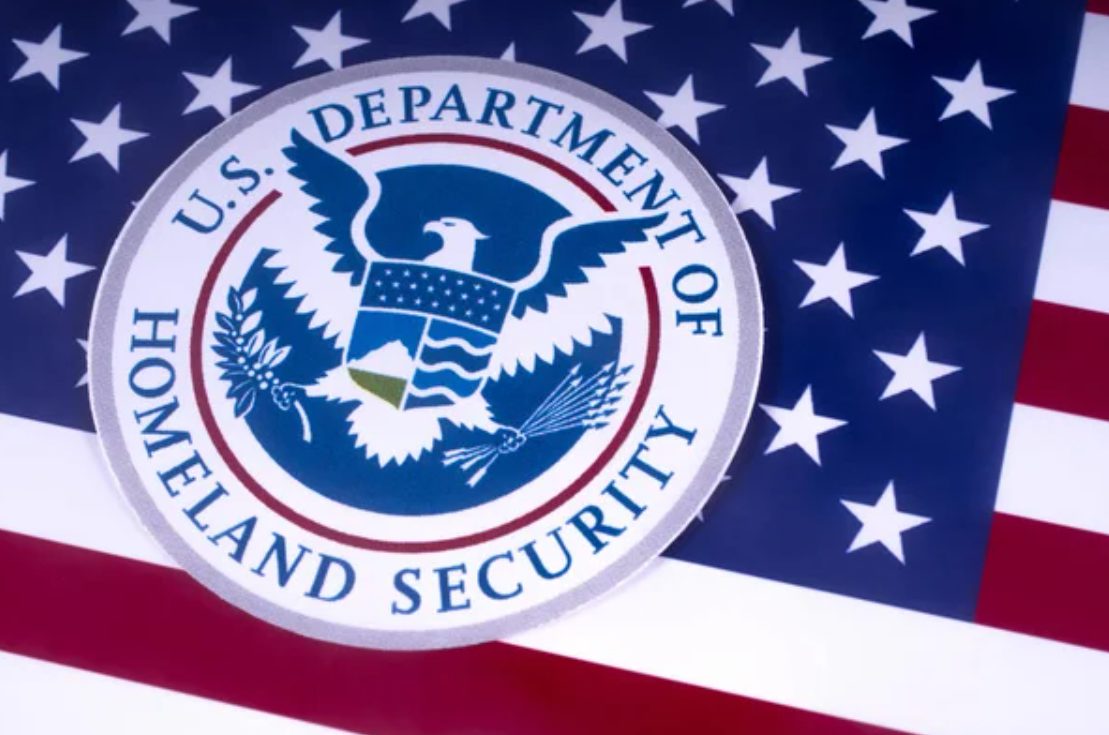
DHS is using Section 1509 of the Tariff Act of 1930—designed for customs enforcement—to justify digital surveillance of social media critics. It’s like using parking meter laws to wiretap phones: technically possible, legally questionable, constitutionally problematic.
The ACLU, representing John Doe in a lawsuit against DHS Secretary Markwayne Mullin, calls it “a transparent gambit to chill speech the government doesn’t like.” Google notified John on February 9 of the demand despite DHS requesting a non-disclosure order, suggesting even tech giants recognize the overreach.
Similar cases have folded under pressure. DHS withdrew a 2017 Twitter summons after objections, and three other ACLU cases involving Instagram and Google demands were also dropped. The pattern suggests these fishing expeditions work best in darkness.
Your Posts, Their Database
Tech companies are caught between user privacy and government data demands with minimal oversight.
Google states it reviews demands and objects to overbroad ones, but your digital exhaust remains vulnerable to administrative summonses that bypass traditional warrant requirements. Your search history, location pings, and Gmail contents sit one government demand away from becoming surveillance fodder.
“You don’t have to be from America to know that this is un-American,” John Doe said. His lawsuit seeks to invalidate the summons and prevent similar misuse of customs authority. The outcome will determine whether criticizing government policy online remains protected speech—or probable cause for digital surveillance.