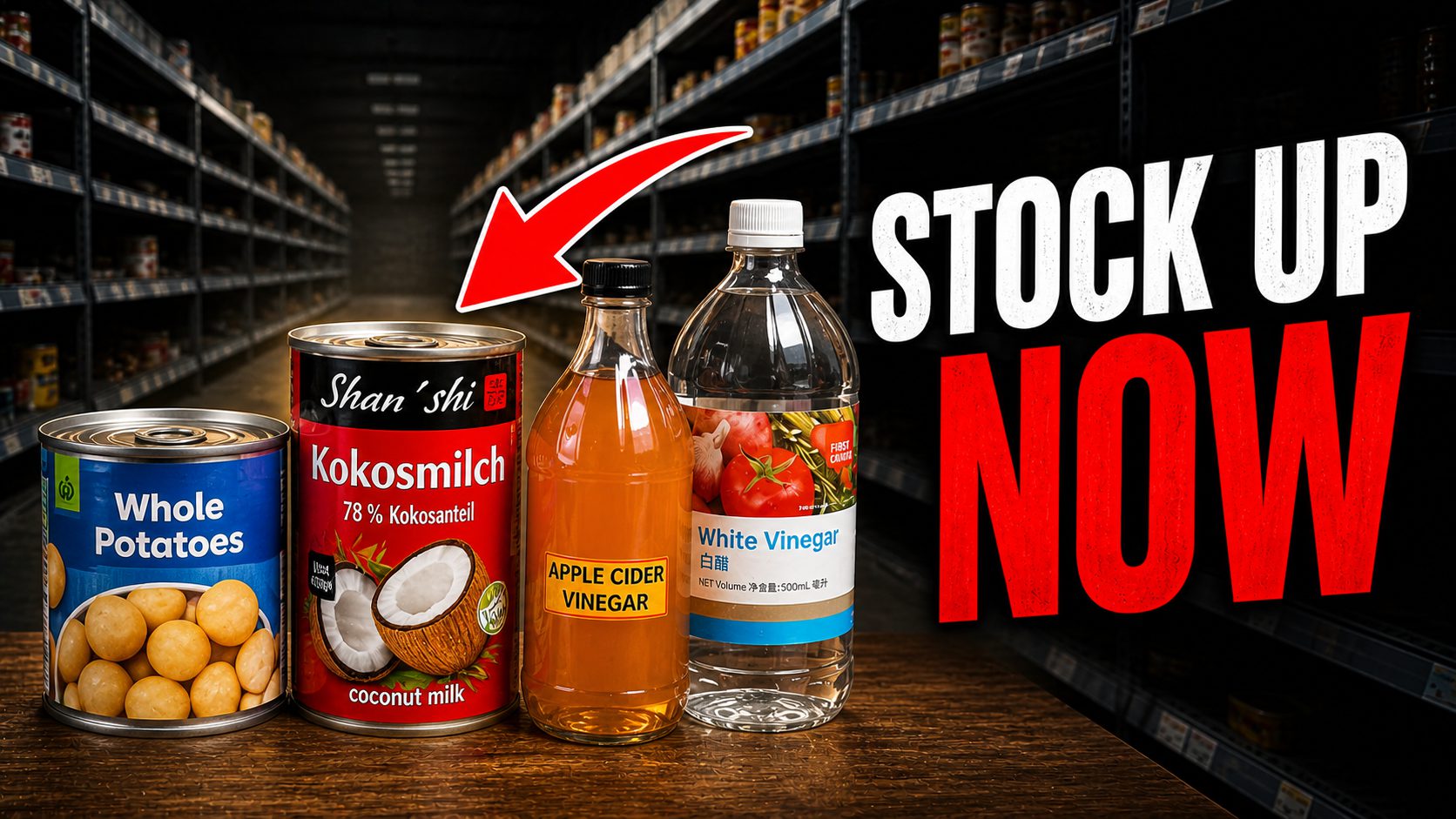
Recent supply chain disruptions have shown how quickly grocery shelves can empty, leaving families scrambling for essentials. Smart households are quietly building resilience with affordable, long-lasting foods that require no refrigeration. These 15 survival staples each cost under $10, store for years, and provide essential nutrition when fresh options vanish. From ancient grains that outlast decades to NASA-developed proteins, discover how strategic stockpiling can keep your family fed through any crisis.
15. Canned Whole Potatoes
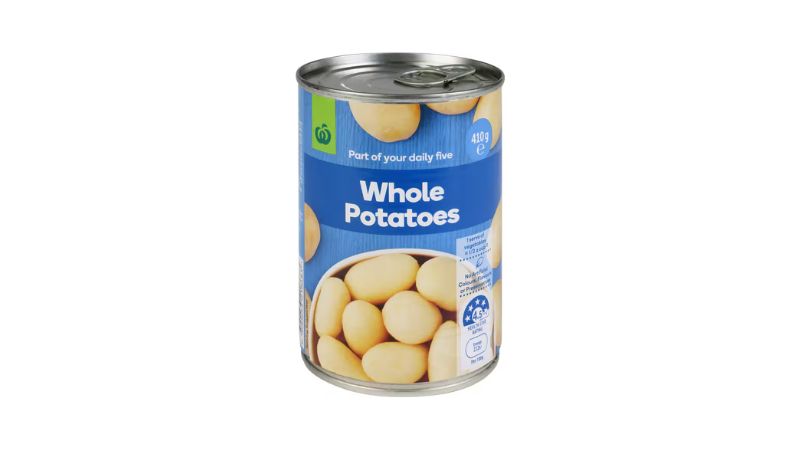
These humble tubers pack essential vitamins and carbs while laughing at power outages.
Canned whole potatoes are the unsung heroes hiding in plain sight on grocery store shelves. Packed with vitamin C, B6, and potassium, they deliver complex carbohydrates when fresh produce becomes scarce. Unlike their easily bruised fresh counterparts, canned potatoes boast an impressive 3-5 year shelf life without needing refrigeration.
A single 15 oz can typically costs about $1.29, providing cost-effective sustenance for your family. Store them cool and dark, ideally below 70°F, rotating stock for optimal freshness. These reliable spuds prove that sometimes the most dependable solutions are also the simplest.
14. Ghee

This golden clarified butter outlasts regular dairy by years while delivering concentrated nutrition.
Ancient Ayurvedic texts lauded ghee for over 3,000 years as both culinary ingredient and medicine. Modern science confirms its remarkable stability: ghee resists oxidation, allowing it to retain quality for up to 2 years at room temperature when sealed. This far surpasses regular butter’s vulnerability to power outages.
A 7-12 oz jar costs around $7-9, offering about 15 servings of calorie-dense cooking fat packed with fat-soluble vitamins A, D, E, and K. Store in sealed glass containers away from sunlight for maximum shelf life.
13. Dried Lentils
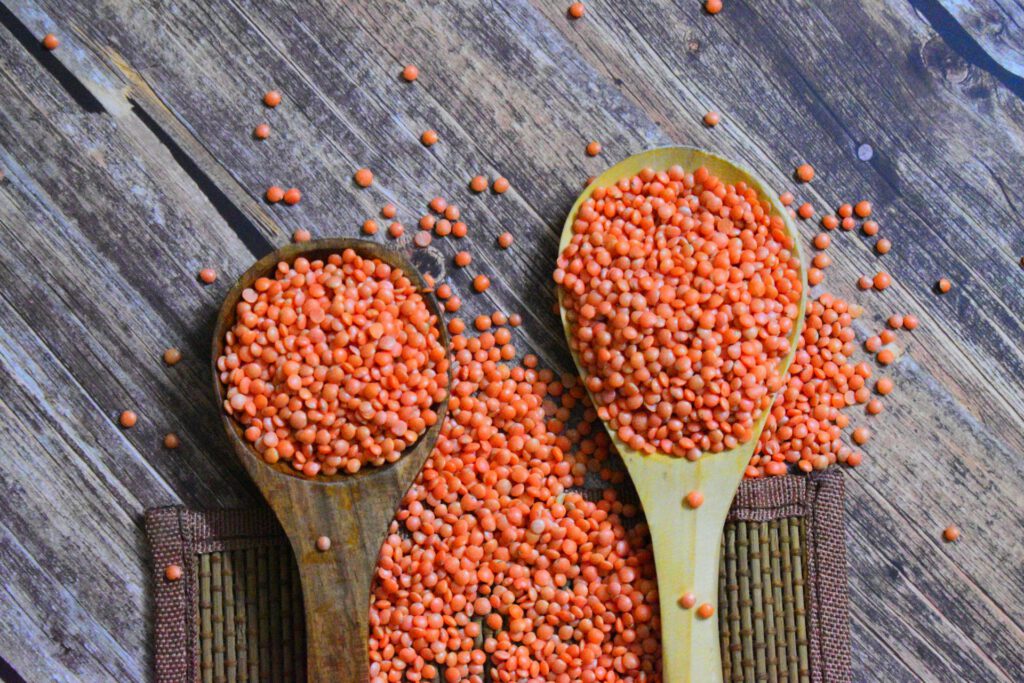
Roman soldiers knew these protein powerhouses would fuel long marches and uncertain times.
A single cup of cooked lentils delivers 18g of protein and 16g of fiber, plus essential iron and folate. While meat prices fluctuate wildly, a $1.50 bag of dried lentils provides 6 hearty servings at just 25 cents per meal. They’re the ultimate budget protein that laughs at market volatility.
Stored properly in airtight containers with oxygen absorbers, dried lentils remain edible for up to 25 years. That’s longer than most streaming subscriptions and significantly more nutritious than your binge-watching habits.
12. Canned Coconut Milk
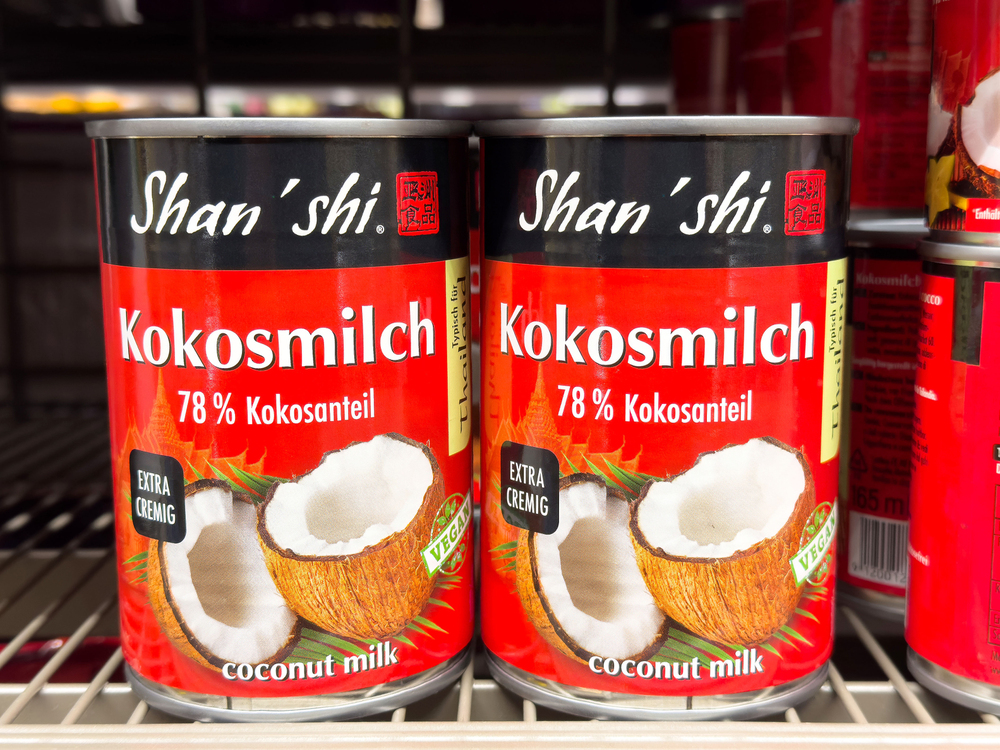
Pacific islanders thrived on this calorie-dense milk that needs zero refrigeration.
A 13.5 oz can delivers over 400 calories, primarily from medium-chain triglycerides that your body rapidly converts to energy. With supply chain disruptions affecting Southeast Asian producers, securing this shelf-stable fat source is prudent thinking.
Coconut milk acts as vital fat insurance when other sources spoil or become unavailable. Unopened cans last 2-5 years stored cool and dark, costing around $1.50-$2.50 each. Once opened, refrigerate in glass containers for 4-5 days.
11. White Vinegar
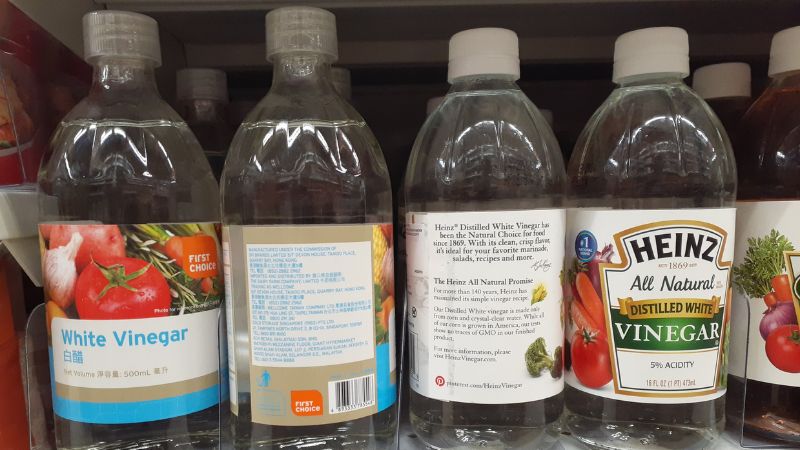
Archaeologists found 2,000-year-old vinegar that was still perfectly functional.
Distilled white vinegar’s acetic acid acts like a microscopic bouncer, kicking out bacteria and mold indefinitely. A gallon costs around $3 and can preserve your entire stockpile by pickling vegetables for months. Mixed with baking soda, it becomes a disinfectant that eliminates surface bacteria.
This immortal preservative requires no special storage beyond keeping it away from sunlight at room temperature. Think of it as the ultimate zero-waste cleaning agent and food preserver rolled into one affordable package.
10. Bouillon Cubes
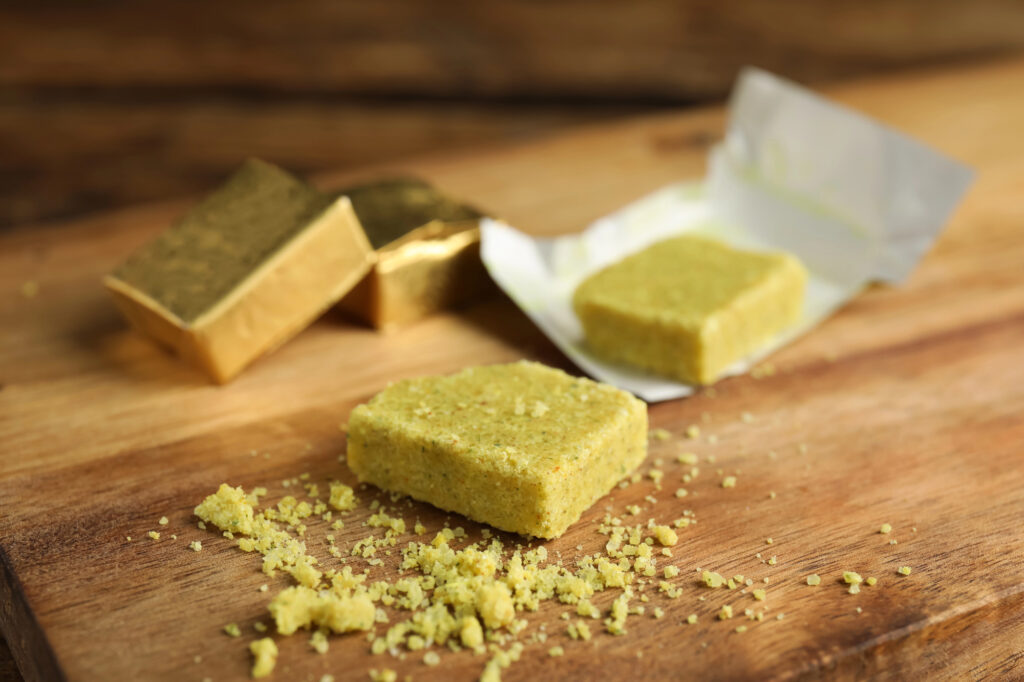
World War I soldiers transformed bland rations into morale-boosting meals with these flavor bombs.
A single cube elevates plain rice or water into satisfying dishes, addressing the psychological need for palatable food during emergencies. Compared to fresh broth cartons costing $3-4 with 10-day refrigerated lifespans, a 25-cube box priced around $2.47 offers equivalent nutrition with a 2-year shelf life.
At just 10 cents per serving, bouillon cubes provide the most cost-effective way to improve emergency meal palatability and maintain appetite when stress levels run high.
9. Powdered Eggs
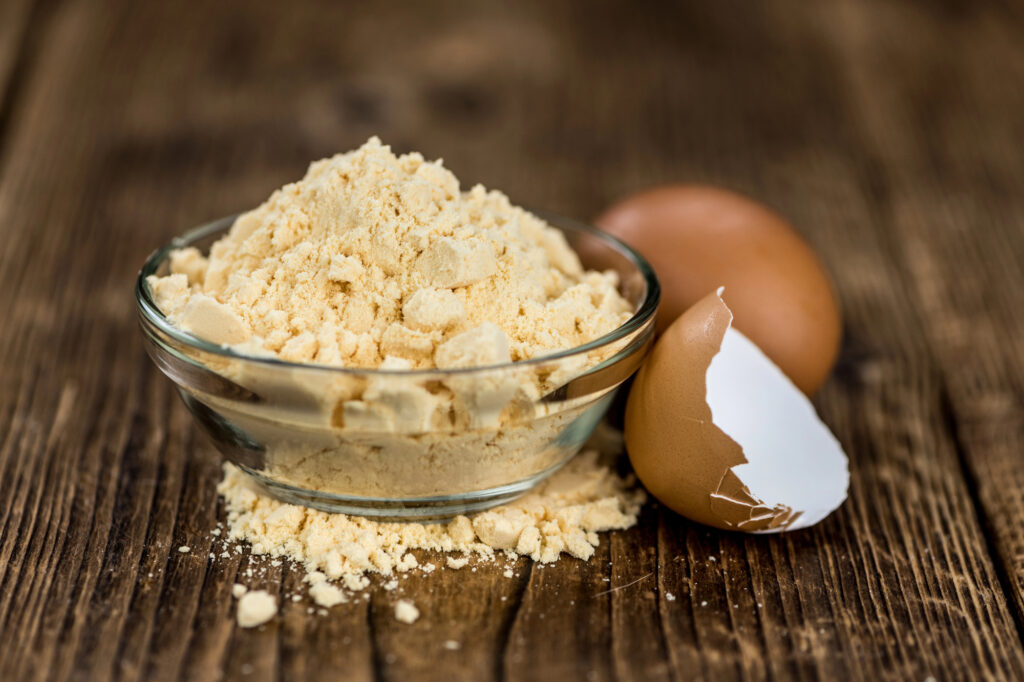
NASA developed this space-worthy protein that outlasts fresh eggs by decades.
A pound of powdered eggs equals about 60 fresh eggs and costs under $10. With avian flu driving fresh egg prices up, this complete protein packed with vitamins A, B12, D, E, and choline becomes increasingly valuable.
Properly stored below 70°F with oxygen absorbers, powdered eggs remain viable for 5-10 years unopened, or 1-2 years once opened. No refrigeration needed, just ready-to-use protein whenever you need it.
8. Canned Sardines
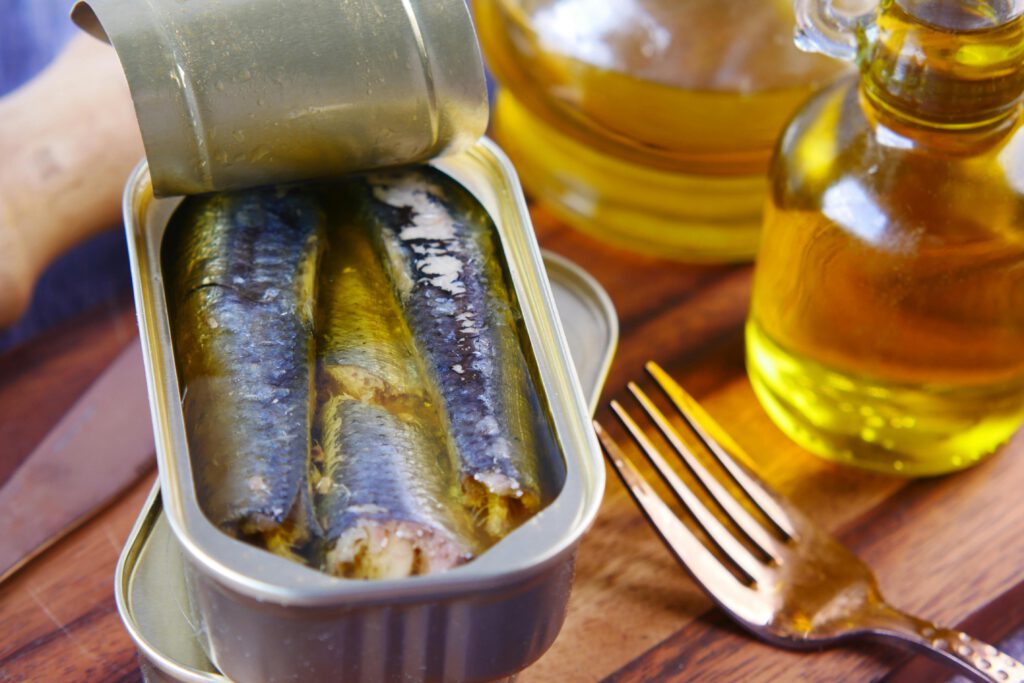
Portuguese fishermen survived harsh Atlantic voyages on these nutrient-dense powerhouses.
A 3.75 oz can delivers 23g protein—more per ounce than chicken breast—plus 1,000mg omega-3s, calcium, and essential vitamins D and B12. At $1.79 per can, sardines offer complete nutrition that remains stable for 3-5 years at room temperature.
While fresh fish faces supply chain challenges and price volatility, sardines from Portugal, Morocco, and Spain provide consistent availability and exceptional nutrition density for emergency preparedness.
7. Rolled Oats
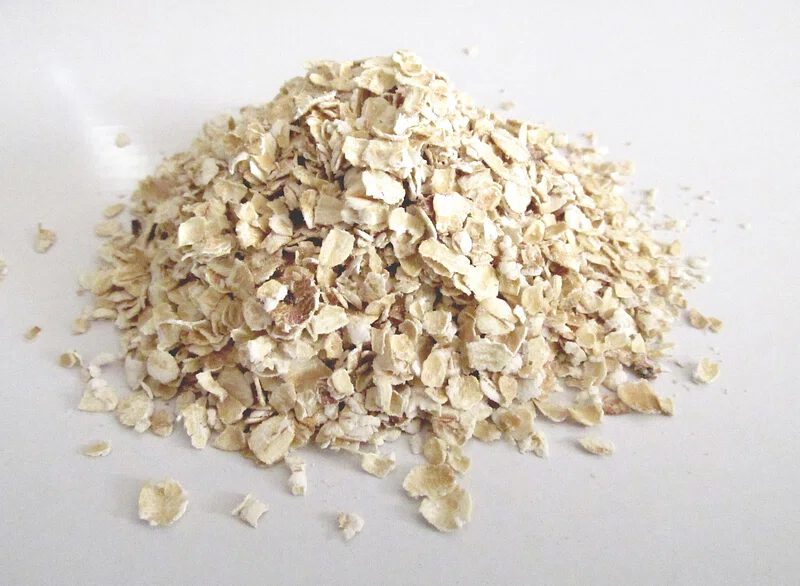
The Mormon church confirmed 30-year-old oat reserves retained near-perfect nutrition.
A 10 lb bag costs about $12, providing roughly 100 servings at 12 cents each. Oats deliver protein, fiber, iron, magnesium, zinc, and anti-inflammatory avenanthramides that support long-term health.
Store in food-grade buckets with oxygen absorbers in cool, dark locations for 20-30 years of shelf life. While cereal prices climb through shrinkflation, oats remain one of the last true bulk food bargains.
6. Raw Honey
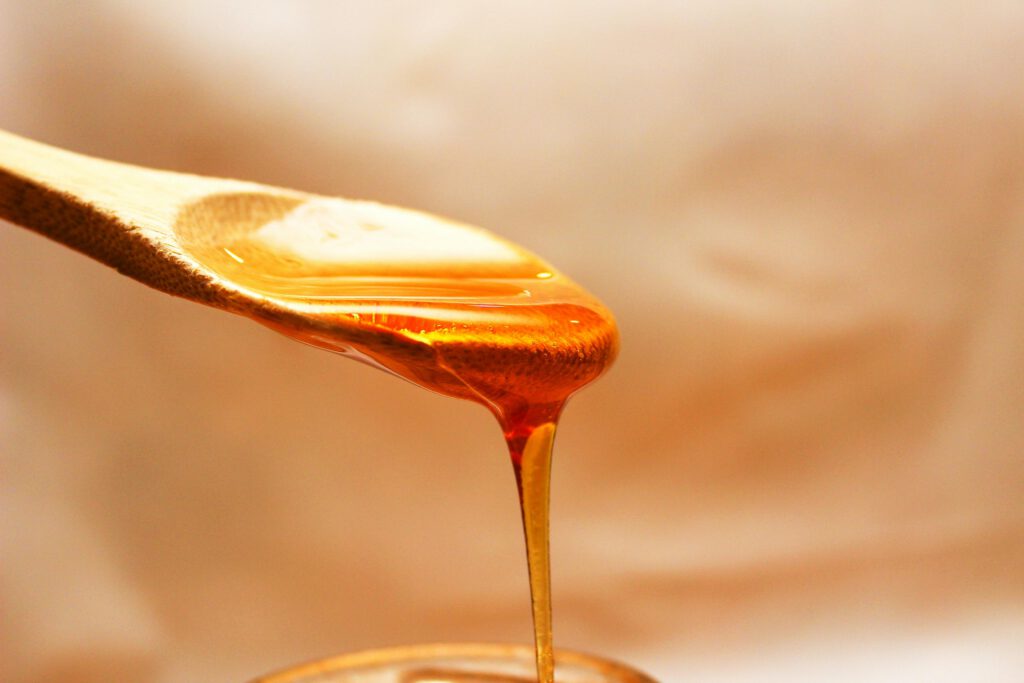
Tutankhamun’s 3,000-year-old honey jars were still edible when archaeologists found them.
Honey’s low moisture, high acidity, and natural hydrogen peroxide production create an environment where bacteria cannot survive. Raw unprocessed honey contains over 180 antimicrobial compounds, making it both sweetener and natural medicine.
A 32-ounce jar costs $10-14 and stores indefinitely in sealed glass containers at room temperature. If it crystallizes, gentle warming in water restores its liquid state without compromising quality.
5. Canned Tomato Paste
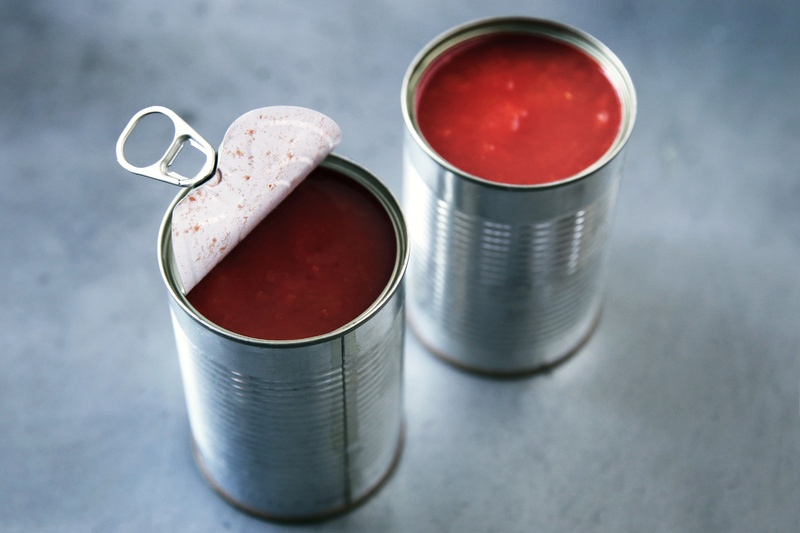
Italian peasants transformed survival rations into actual meals with concentrated tomato goodness.
A 6 oz can contains nutritional equivalent of 10 fresh tomatoes, with highly bioavailable lycopene antioxidants. At $0.88 per can, tomato paste turns bland staples like rice, pasta, and lentils into genuinely enjoyable meals.
Store unopened cans cool and dark for 2-5 years. Once opened, cover with oil and refrigerate for up to 45 days. This flavor foundation elevates your entire emergency food supply.
4. Dried Pasta
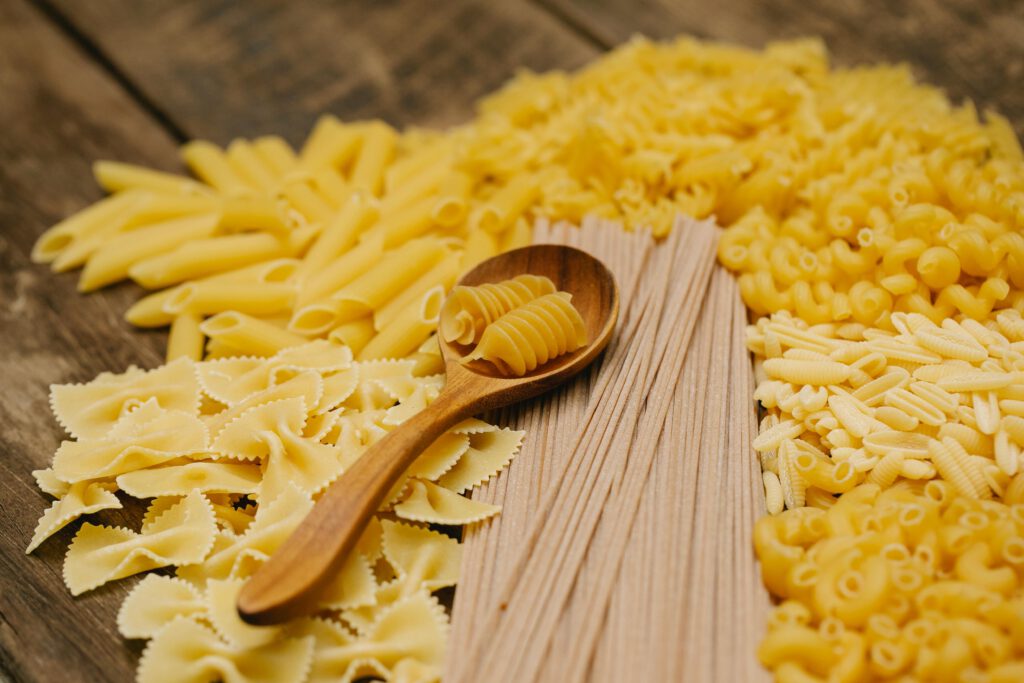
Researchers confirmed 79-year-old spaghetti maintained perfect texture and nutrition when properly stored.
A 1-lb box delivers 1,600 calories for roughly $1.24, making it less than a cent per calorie. With wheat prices climbing, pasta remains one of the cheapest energy sources available.
Store in Mylar bags with oxygen absorbers for 25-30 years shelf life. 20 boxes provide 32,000 calories for about $25, creating a solid carbohydrate foundation for long-term food security.
3. Iodized Salt
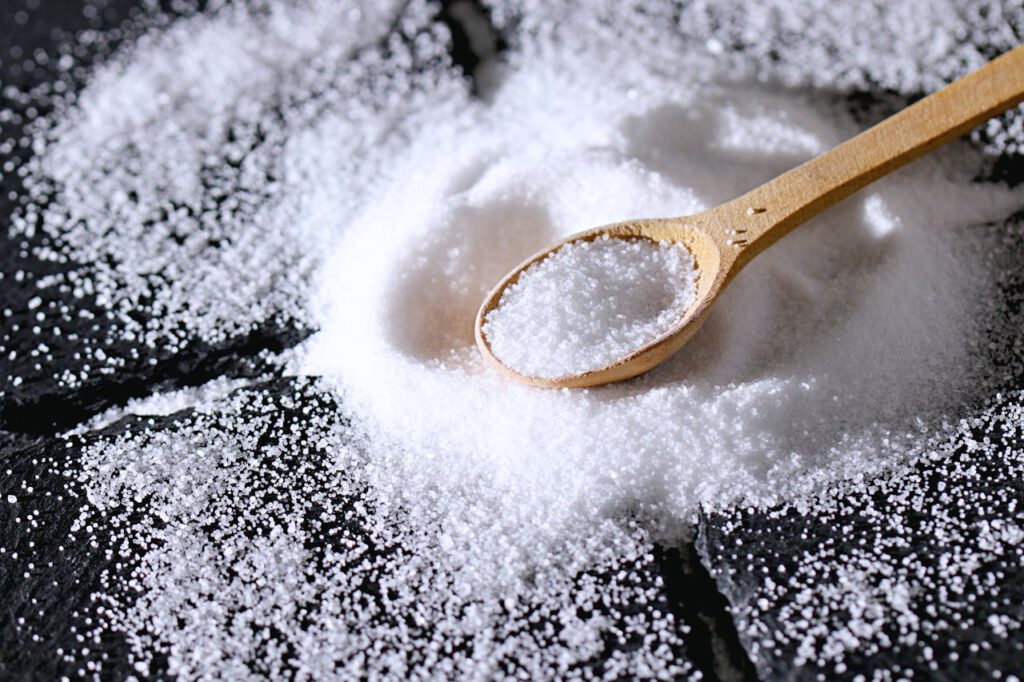
4,000-year-old salt samples remain chemically perfect and usable.
While salt lasts indefinitely, iodized varieties provide essential thyroid support that prevents goiter and maintains metabolism, immunity, and cognitive function. A 4 lb Morton carton costs just $2.28, representing the most affordable health insurance available.
Store in airtight containers away from moisture. Your thyroid requires consistent iodine intake, making this the cheapest way to safeguard essential bodily functions for years.
2. Instant Powdered Milk
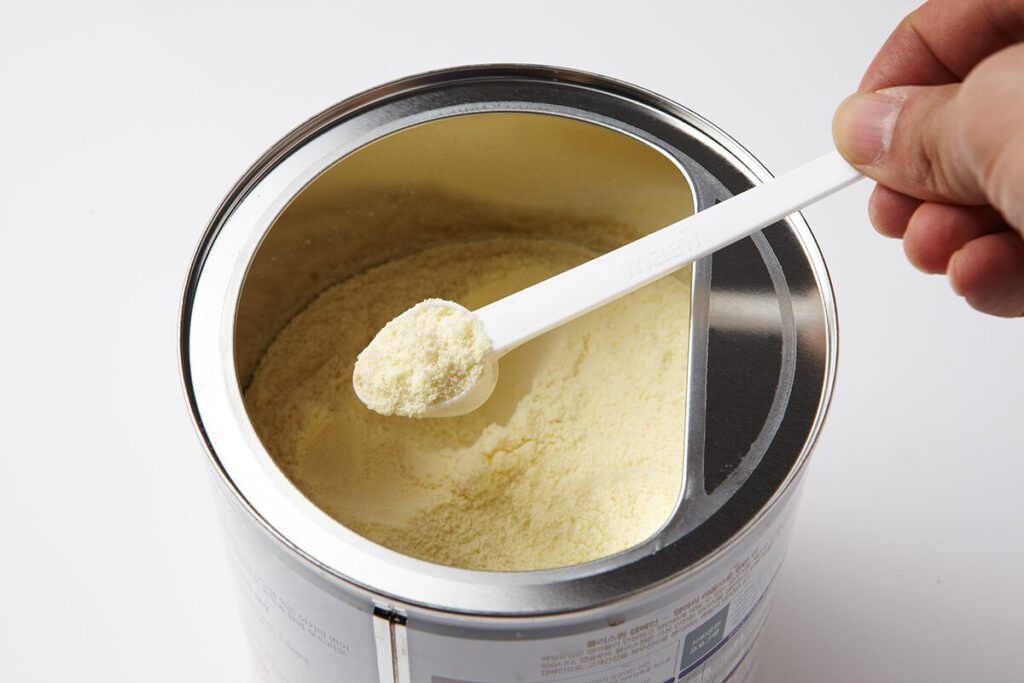
Modern freeze-drying retains 97% of nutritional value after 25 years in storage.
A 1-lb pouch costs $8-10 and makes about a gallon of milk equivalent. This technology preserves calcium, protein, and vitamins A and D essential for bone development, especially critical for children during extended emergencies.
Store with oxygen absorbers below 70°F for a 20-25 year unopened shelf life. When fresh dairy becomes unavailable or prohibitively expensive, powdered milk provides reliable nutritional insurance.
1. Apple Cider Vinegar
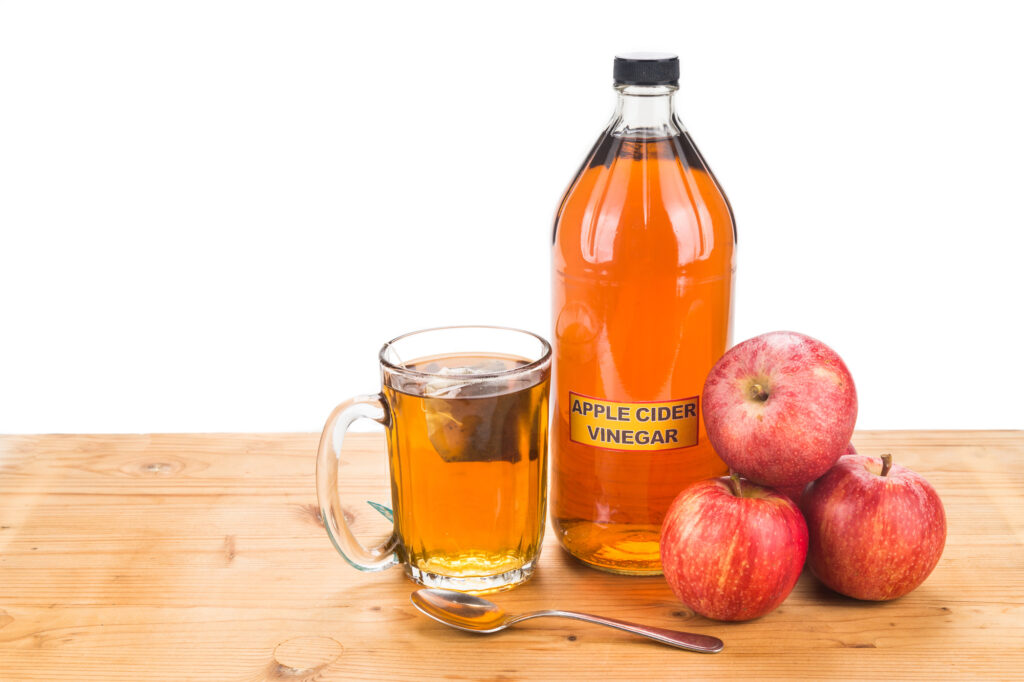
Hippocrates prescribed this probiotic powerhouse around 400 BC for infections and digestive issues.
Apple cider vinegar with “the mother” contains over 50 beneficial probiotic strains and antimicrobial acetic acid that fights bacteria like E. coli and Salmonella while supporting blood sugar regulation.
A 32-ounce bottle costs around $4.97 and stores indefinitely at room temperature. The mother probiotics actually strengthen over time, making this an increasingly valuable health asset that replaces expensive supplements and harsh cleaning agents.