American automotive history is littered with brilliant engineers who apparently never heard the phrase “keep it simple.” Take the 1957-1958 Cadillac Eldorado Brougham: a hand-built marvel that cost the equivalent of $140,000 today and packed over 40 electric motors to control everything from seats to doors. It featured an air suspension system that was about as reliable as a weather app during a tornado, randomly making cars lurch or sink like mechanical mood swings.
This was engineering for the sake of engineering, where opening a glovebox required navigating a labyrinth of electronics. With only 704 units produced, its complexity was perhaps part of its exclusivity, but it’s a machine that makes modern infotainment systems look refreshingly straightforward by comparison.
19. Tesla Model S (Early Years) (Exterior)
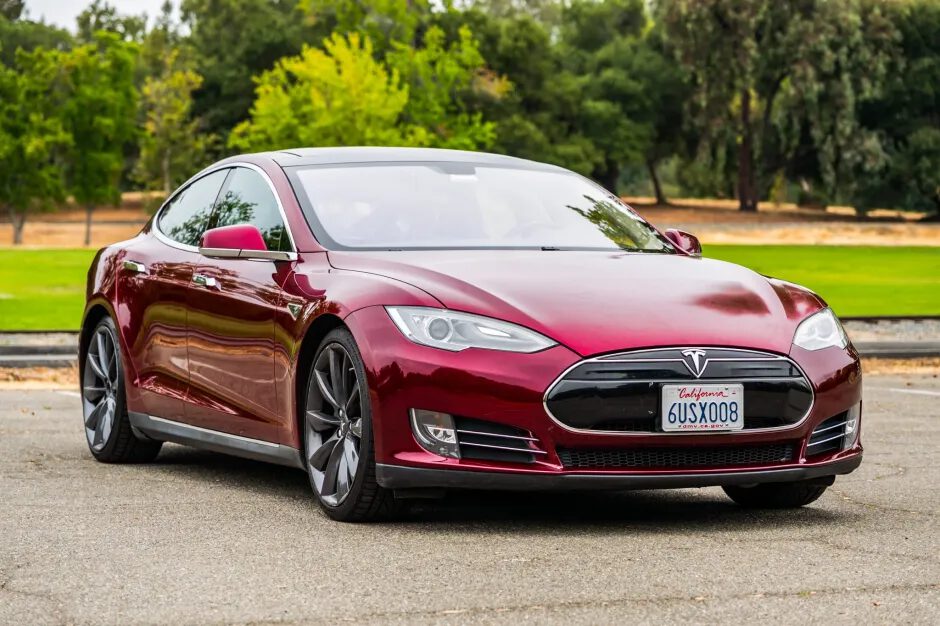
When Silicon Valley decided buttons were so last century.
When Tesla dropped the Model S in 2012, it wasn’t just a car; it was a rolling computer that happened to have wheels. Everything from door handles to the parking brake required deep dives into a massive 17-inch touchscreen. Early adopters discovered that a glitchy door handle sensor could mean a full system reboot, which sounds less like driving and more like wrangling a temperamental laptop.
Tesla Model S (Early Years) (Interior)

The obsession with software control meant even a dead 12V battery could effectively immobilize the car. Accessing the frunk where the battery hid required power—creating a catch-22 worthy of a sitcom plot. Add frequent drive unit failures and those ever-evolving over-the-air updates that could rewrite performance overnight, and you had peak Silicon Valley ambition colliding with automotive reality.
18. Ford Edsel (Exterior)
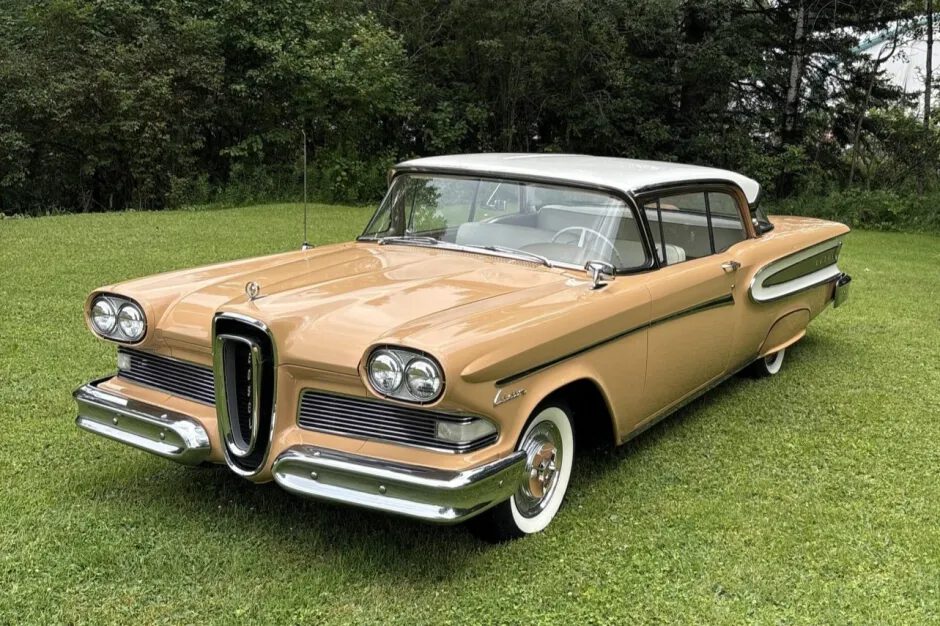
The car that turned simple driving into advanced calculus.
Ford’s Edsel practically demanded an engineering degree just to operate. Its centerpiece was the “Teletouch” transmission selector, a push-button system embedded in the steering wheel hub that rotated with every turn. Navigating those buttons while actually driving felt like playing automotive Simon Says gone horribly wrong.
Ford Edsel (Interior)
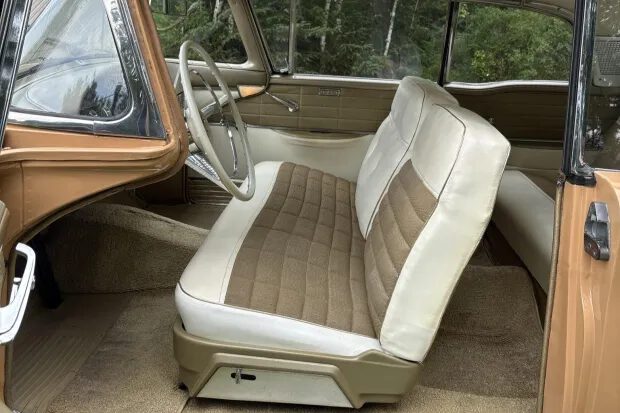
The “Dial-o-matic” heating system was a labyrinth of dials that confused even seasoned mechanics. The vacuum-operated parking brake had a mind of its own, engaging based on atmospheric pressure rather than driver input. Electrical gremlins caused spontaneous horn honks when signaling turns. With massive losses and a two-year lifespan, the Edsel became a monument to unnecessary complexity.
17. Cadillac Eldorado Brougham (Exterior)
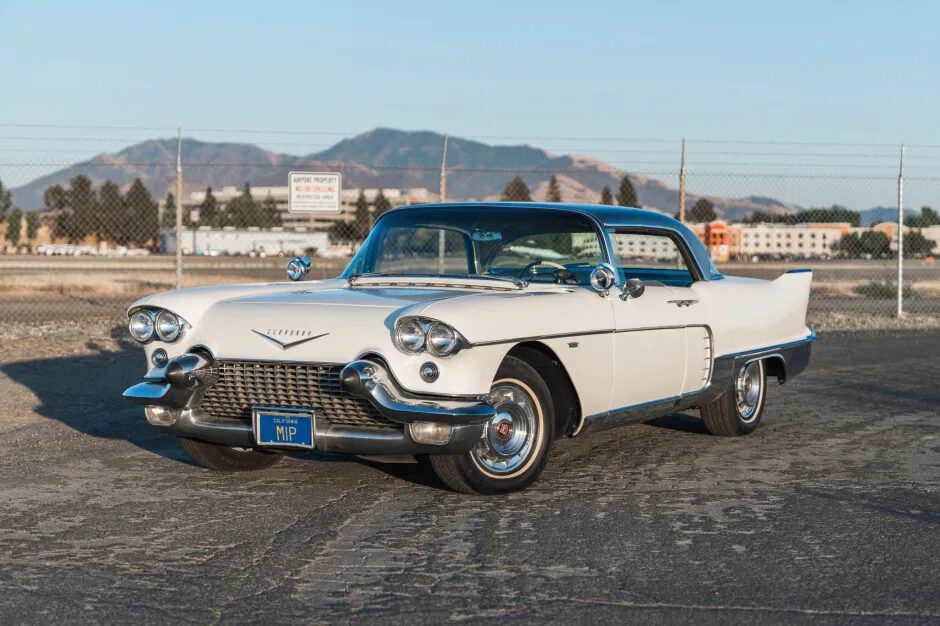
A rolling experiment in automotive excess that dared you to touch it.
Priced at $13,407—over $130,000 today—this behemoth featured an air suspension system with a central compressor that was notoriously prone to tantrums. Over 40 electric motors operated everything from seats to the antenna, each wired into a complex electrical maze that would make NASA jealous.
Cadillac Eldorado Brougham (Interior)
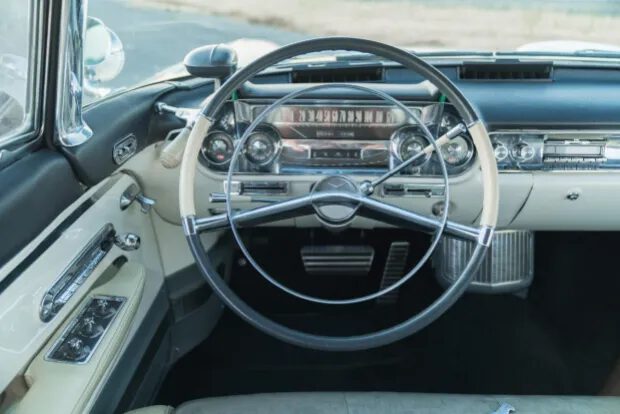
The hand-built interior with stainless steel trim required specialized tools just to service. Dealers often unplugged failed systems rather than repair them, leaving owners with glorified science projects. Many of the 704 units produced ended up with standard springs because the original setup was simply too ambitious for reality.
16. Chevrolet Vega (Exterior)
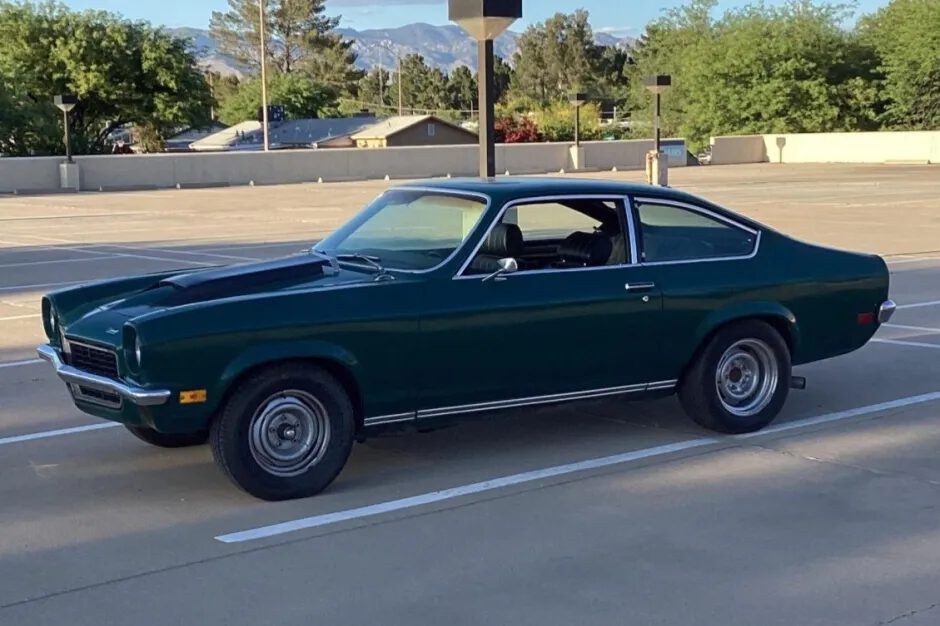
The subcompact that proved innovation isn’t always improvement.
The Chevrolet Vega’s aluminum-block engine demanded impossibly tight tolerances and was notoriously sensitive to overheating. Wrong coolant or oil viscosity could trigger catastrophic failure that couldn’t be fixed with a simple rebuild. The experimental rustproofing ironically accelerated corrosion, causing body panels to detach prematurely.
Chevrolet Vega (Interior)
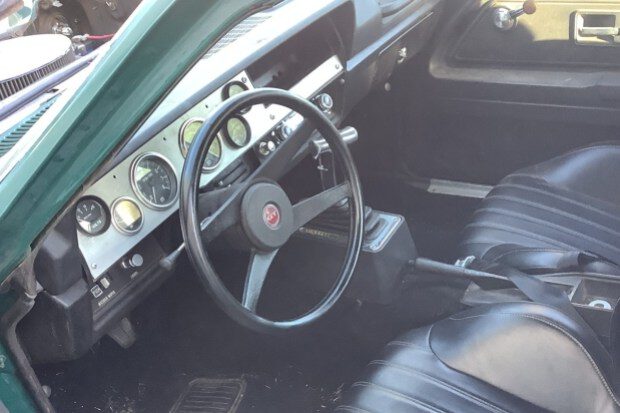
With approximately 2.8 million units produced, the Vega’s sensitive engine demanded precise maintenance. Unlike conventional engines, the aluminum bores couldn’t be re-bored, often requiring complete engine replacement. It became a symbol of engineering missteps that seemed designed to require constant, costly attention.
15. AMC Pacer (Exterior)
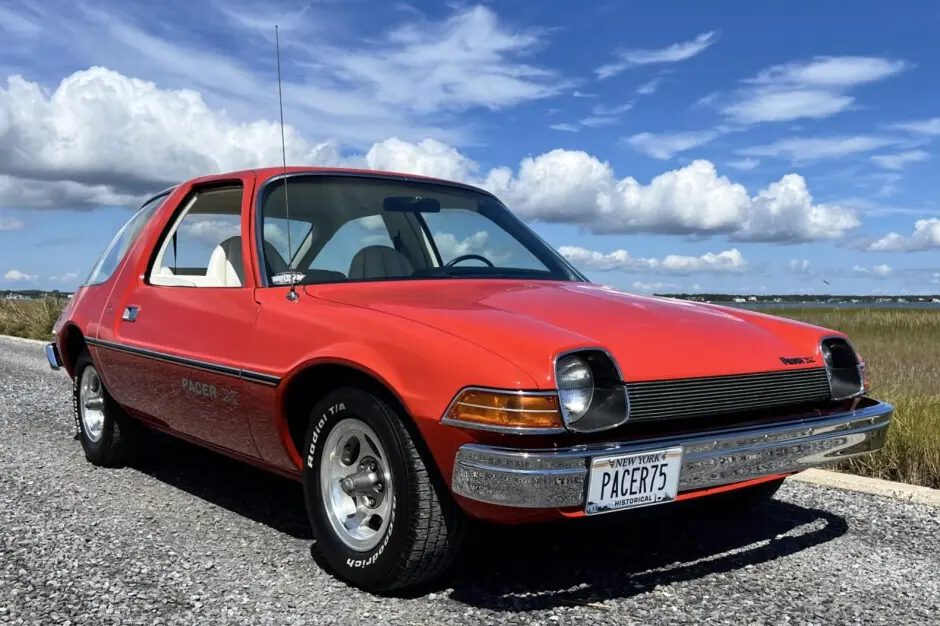
The wide-body wonder that confused physics and mechanics alike.
Weighing nearly 3,000 lbs despite its compact length, the Pacer was 77 inches wide with a passenger door 4 inches longer than the driver’s side. With 37% glass surface area, its ventilation system was notoriously over-engineered to prevent the cabin from becoming a greenhouse.
AMC Pacer (Interior)
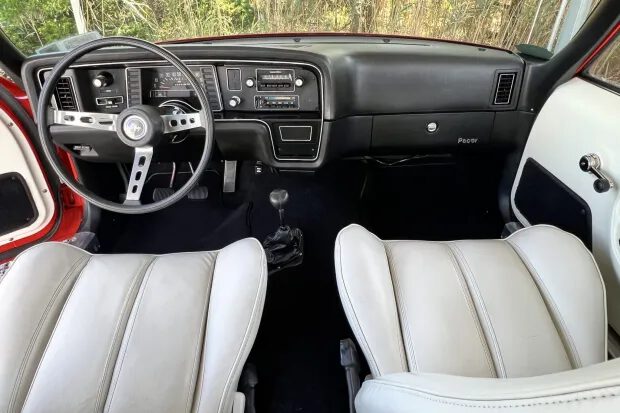
Rack-and-pinion steering, uncommon for U.S. cars then, combined with misunderstood suspension geometry, led to unpredictable handling. The engine bay was choked with emissions plumbing that made routine maintenance feel like performing surgery in a phone booth.
14. Packard Twelve (Exterior)
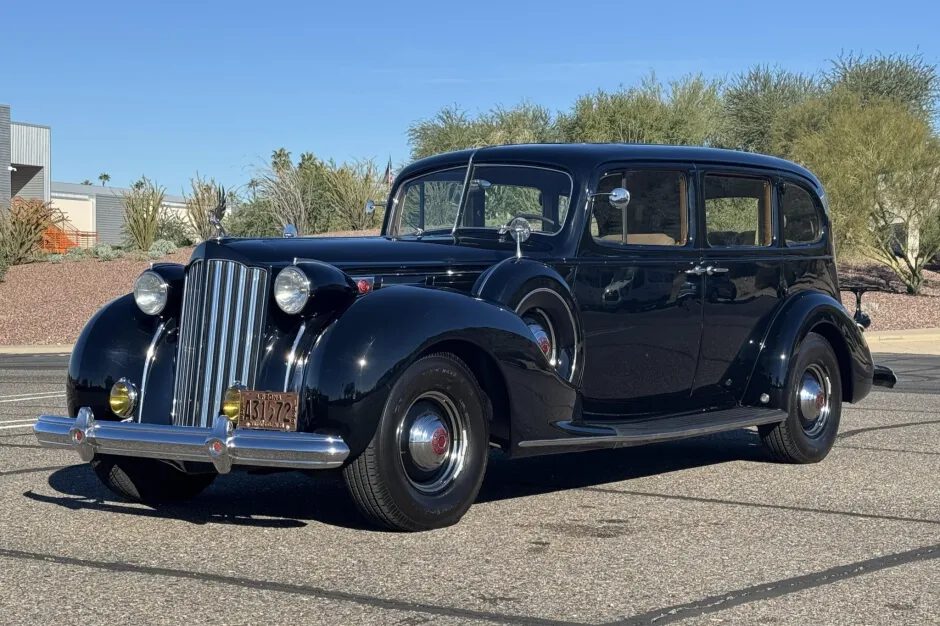
A mechanical symphony that required a full-time conductor.
Built during the Great Depression, this 7.3L V12 featured dual ignition systems, two carburetors, and 24 spark plugs. The dashboard let you adjust suspension, steering, and ignition timing on the fly—like trying to tune a radio while adjusting shock absorbers mid-highway.
Packard Twelve (Interior)
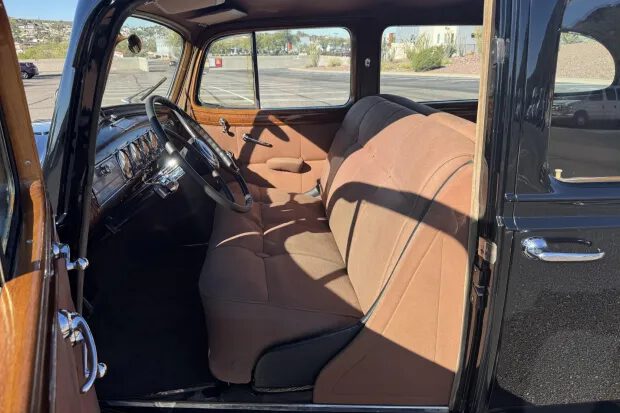
Keeping this magnificent machine running meant oil changes every 1,000 miles and constant attention to dozens of grease points. It was less a car, more a highly demanding mechanical companion that cost as much as a house.
13. Dodge Viper (Original V10) (Exterior)
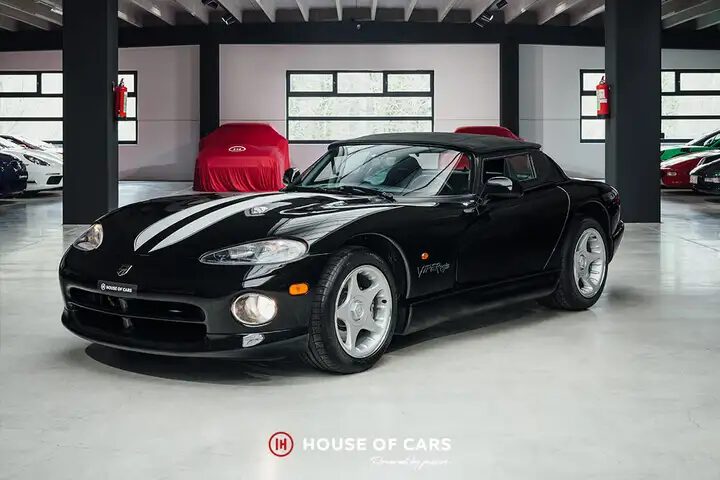
A hand-assembled beast that demanded respect and synthetic oil.
The 1992 Viper’s 8.0L all-aluminum V10 featured 10 individual throttle bodies that required specialized tools to keep in sync. The engine demanded 12 quarts of specific synthetic oil, and first gear lacked synchros, meaning you had to rev-match like a seasoned pro to avoid grinding gears.
Dodge Viper (Original V10) (Interior)
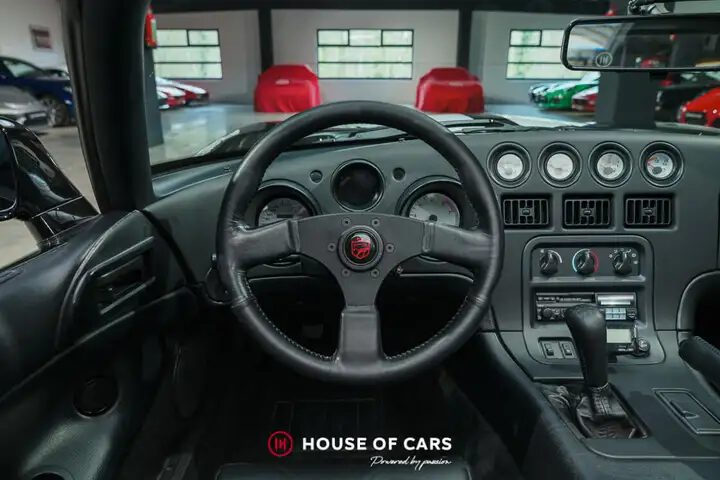
This hand-assembled powerhouse was notoriously finicky about cooling and required track-day upgrades for serious performance driving. It was engineering brilliance wrapped in a package that demanded constant attention and deep pockets.
12. Ford Model T (with Planetary Transmission) (Exterior)
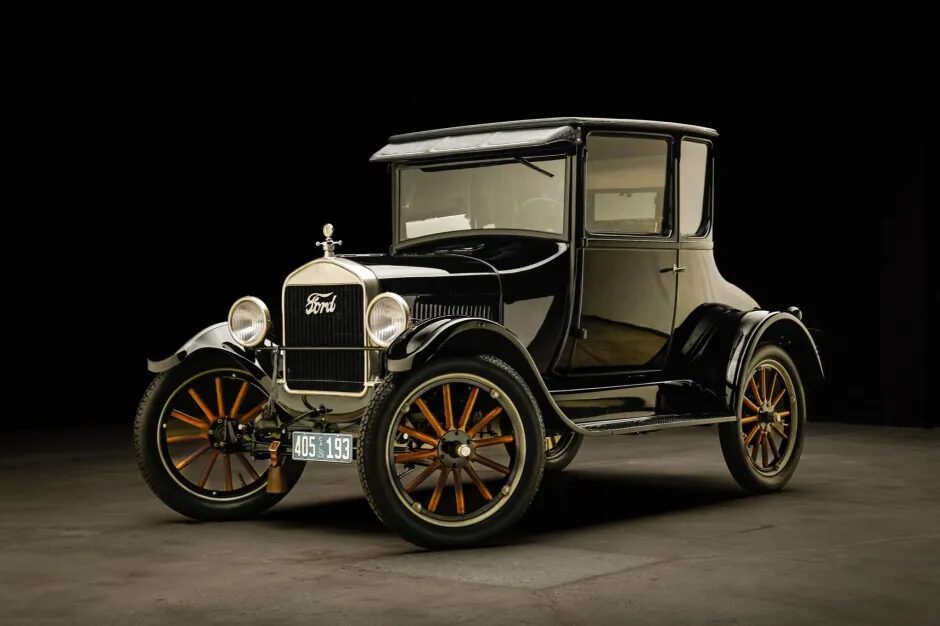
The car that inadvertently created driving schools.
The Model T’s transmission was a cryptic puzzle involving three floor pedals and a hand lever. The left pedal controlled low and high gears, middle engaged reverse, and right was the brake. This whole setup involved bands that constantly needed adjustment like a finicky turntable.
Ford Model T (with Planetary Transmission) (Interior)
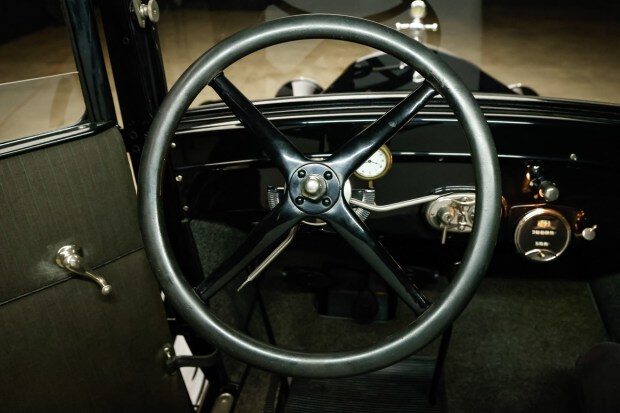
Ford’s own training sessions were required just to operate it, spawning a generation of driving schools. With 15 million units produced, the Model T proved that sometimes the simplest-looking machines hide the most intricate guts.
11. Cadillac XLR (Exterior)
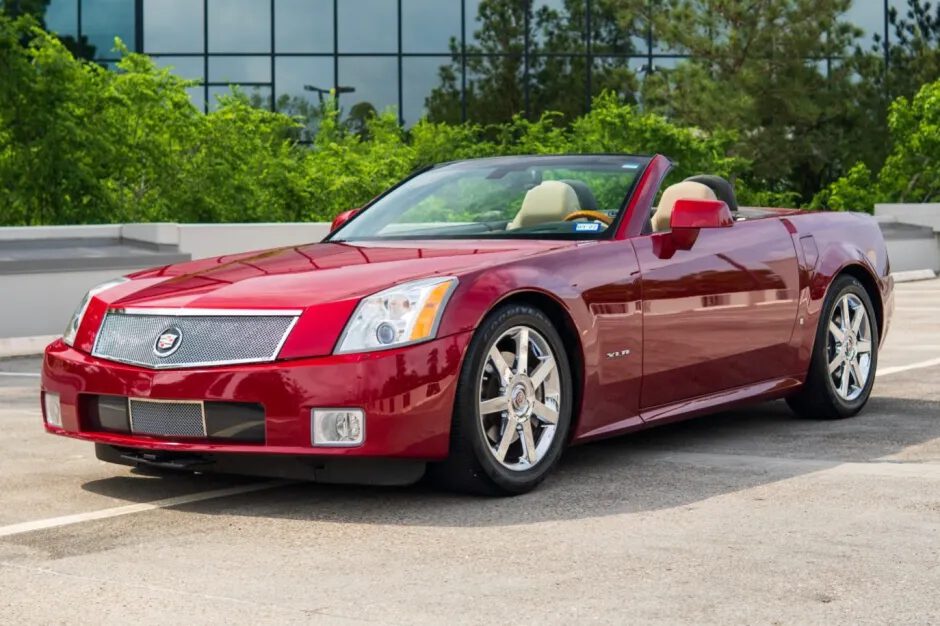
A retractable hardtop ballet with 47 ways to fail.
The XLR’s convertible roof mechanism packed 11 motors, hydraulics, and 47 sensors to manage the transformation. Beyond the roof, the Northstar V8’s integration with elaborate electronics caused constant stability control errors.
Cadillac XLR (Interior)
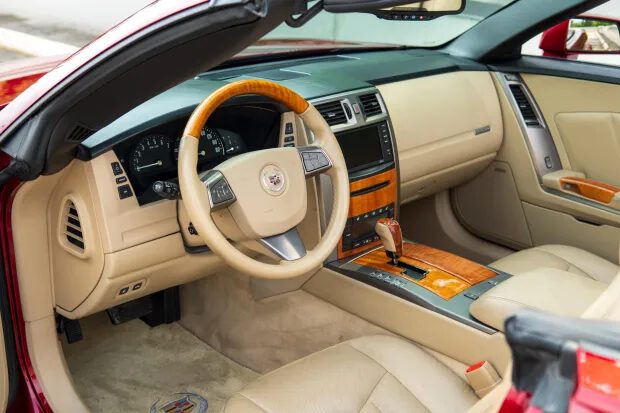
Recalibrating adaptive cruise control after minor fender benders cost thousands, and hand-built construction meant inconsistent panel gaps. Troubleshooting electrical issues felt like hunting ghosts in a house full of circuit boards.
10. Lincoln Continental Mark IIv (Exterior)
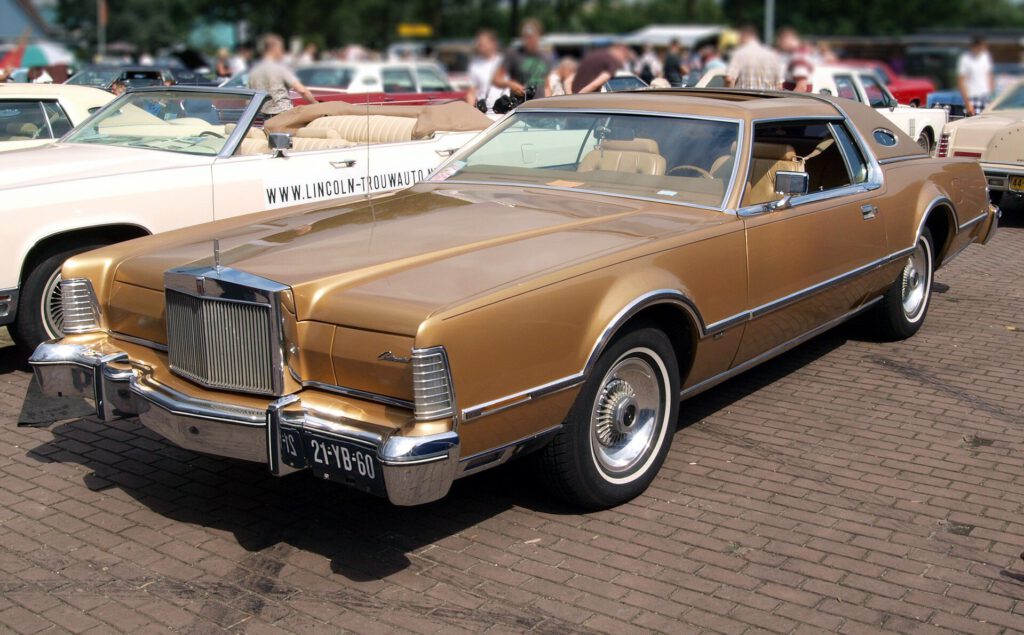
Hand-built luxury that dealers feared to service.
Priced at $10,000 in 1956—about $110,000 today—each Mark II was handbuilt with lead-filled panels that made bodywork a nightmare. Its specially balanced 6.0L V8 was run-in for 3 hours before installation, requiring a 300-page electrical manual.
Lincoln Continental Mark IIv (Interior)
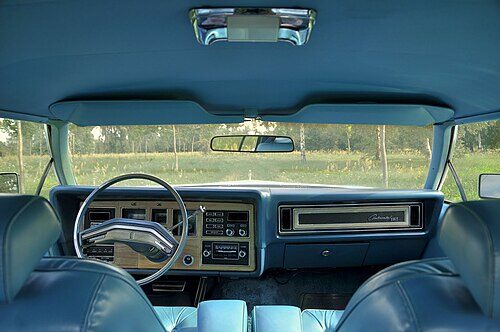
With only 3,000 units produced, most dealers refused service because parts were bespoke and repairs astronomical. Nothing was interchangeable, turning maintenance into an archaeological expedition.
9. Chevrolet Corvair (Turbo) (Exterior)
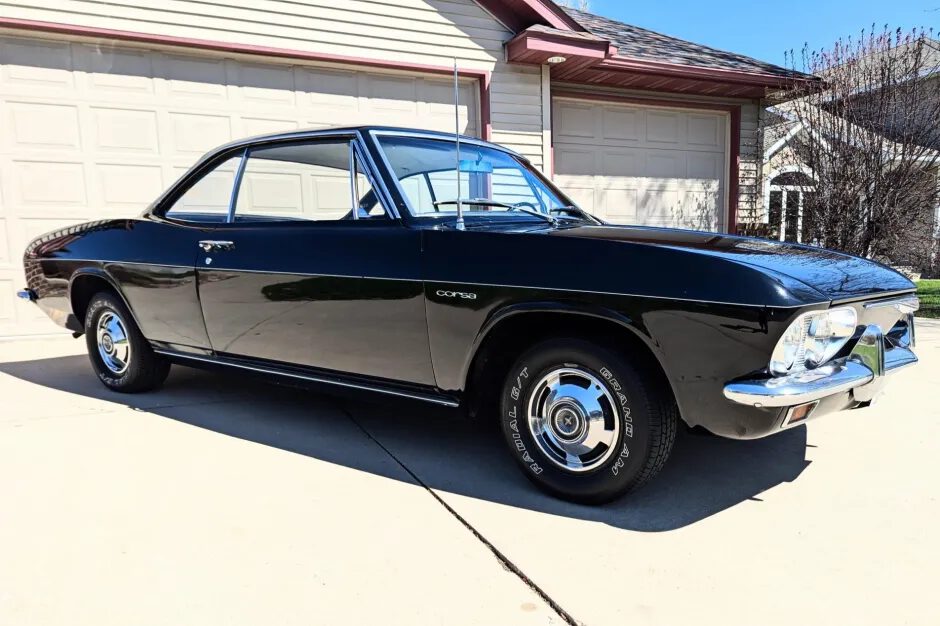
America’s first turbo experiment that doubled as a mechanical time bomb.
The turbocharged 2.4L flat-6 lacked a wastegate, making overboost a regular, engine-destroying event. Maintenance required oil changes every 2,000 miles and constant fiddling with complicated vacuum timing systems.
Chevrolet Corvair (Turbo) (Interior)
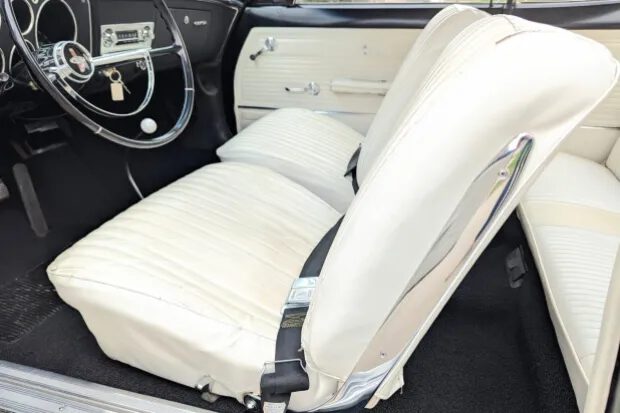
The air-cooled setup combined with turbo heat made overheating a constant threat. This performance variant was brilliant in theory but demanded more precision than the era could reliably deliver.
8. Ford GT90 (Exterior)
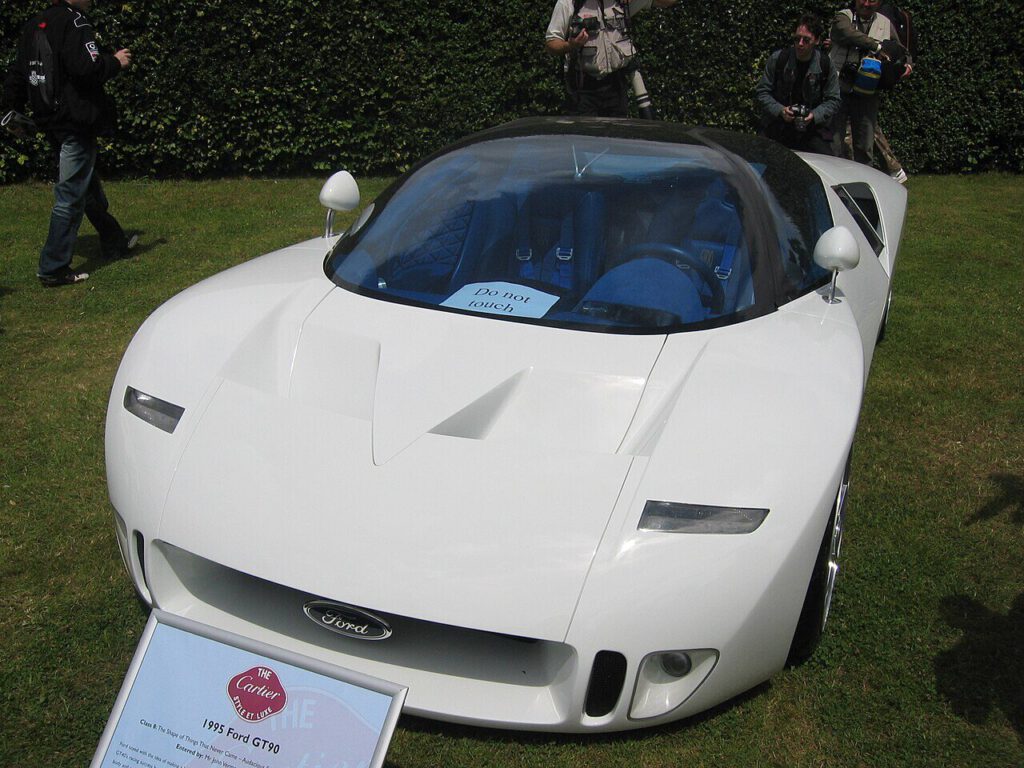
A 37-step startup procedure for a car that overheated while parked.
The 1995 GT90 concept boasted a 5.4L quad-turbo V12 allegedly producing 720 hp. Four turbochargers and an intake system so complex even engineers didn’t fully grasp it. Starting this prototype required a 37-step procedure.
Ford GT90 (Interior)
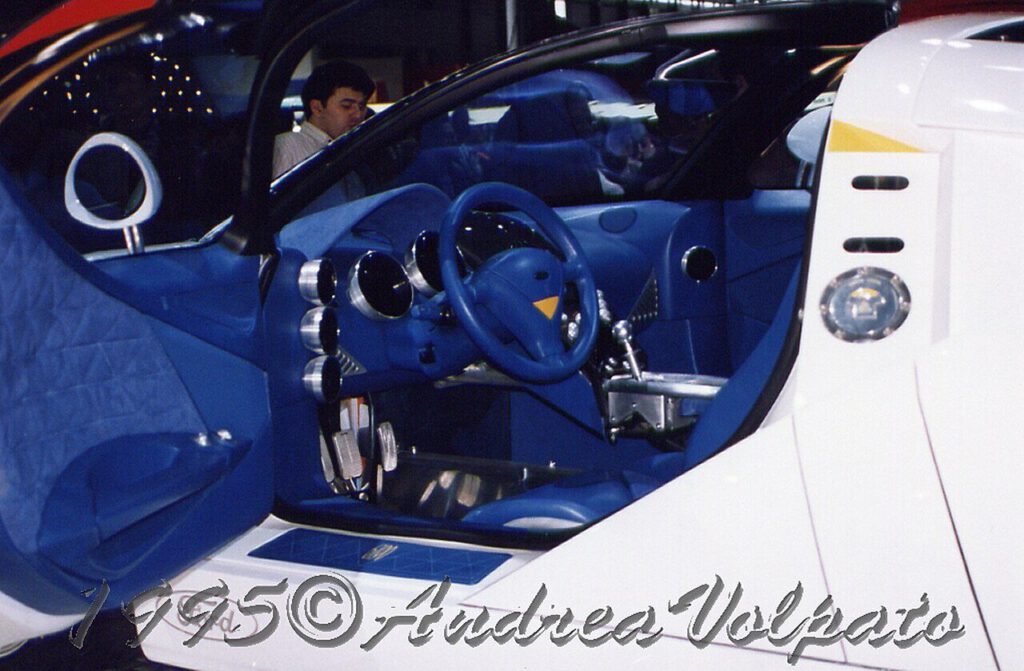
Prone to overheating even while idling, this carbon fiber marvel was more engineering fever dream than practical vehicle. Ford built one prototype that never saw production, proving ambitious doesn’t always mean achievable.
7. Cadillac Seville V8-6-4 (Exterior)
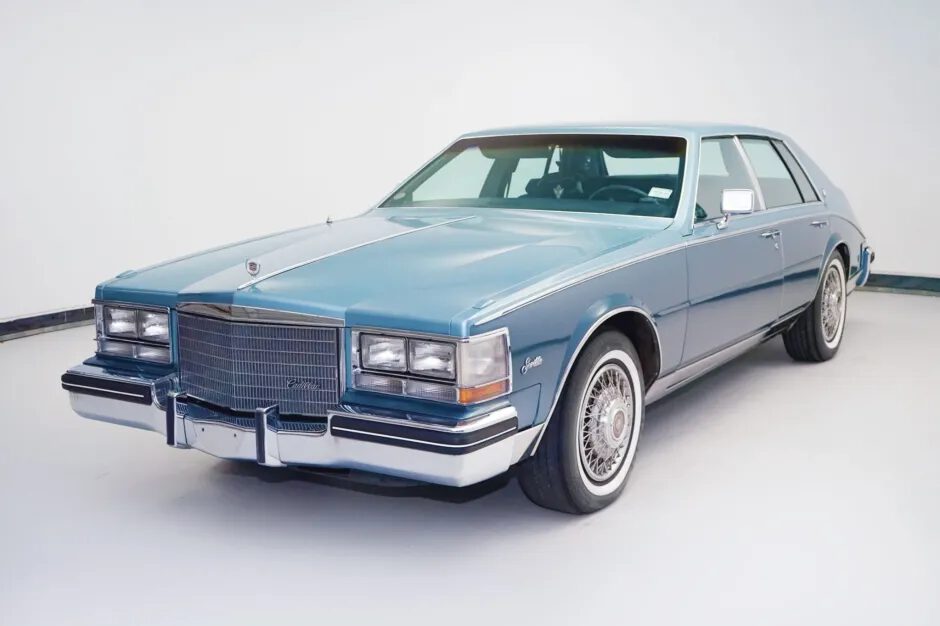
The luxury car with an identity crisis.
The 1981 Seville’s Variable Displacement Engine used primitive computers to switch between 8, 6, or 4 cylinders. The system caused constant surging and shaking as it “hunted” between modes, like a car that couldn’t make up its mind.
Cadillac Seville V8-6-4 (Interior)
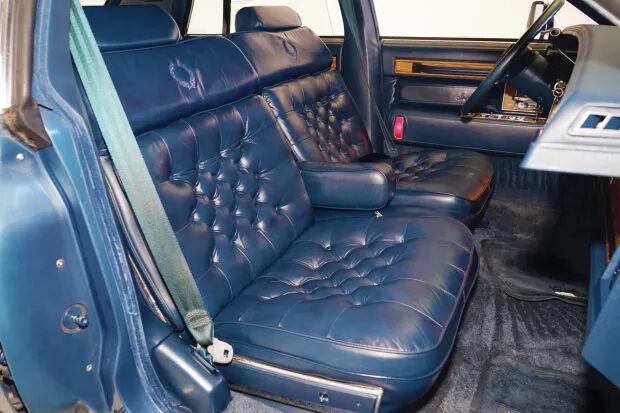
Solenoid and wiring failures were so frequent that dealers often disconnected the entire system. This one-year wonder proved that sometimes less complexity equals more reliability.
6. Oldsmobile Toronado (Exterior)
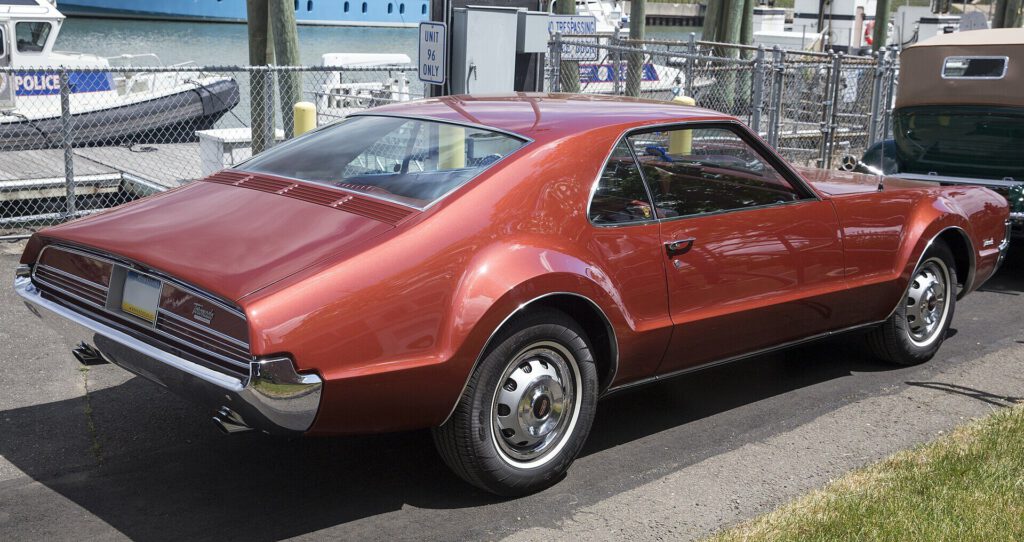
Cramming a massive V8 into front-wheel drive before anyone figured out why.
The 1966 Toronado packed a 7.0L V8 and TH400 transmission connected by a chain drive prone to stretching. Accessing spark plugs required removing wheels, and the 60/40 weight bias made handling dicey in bad weather.
Oldsmobile Toronado (Interior)
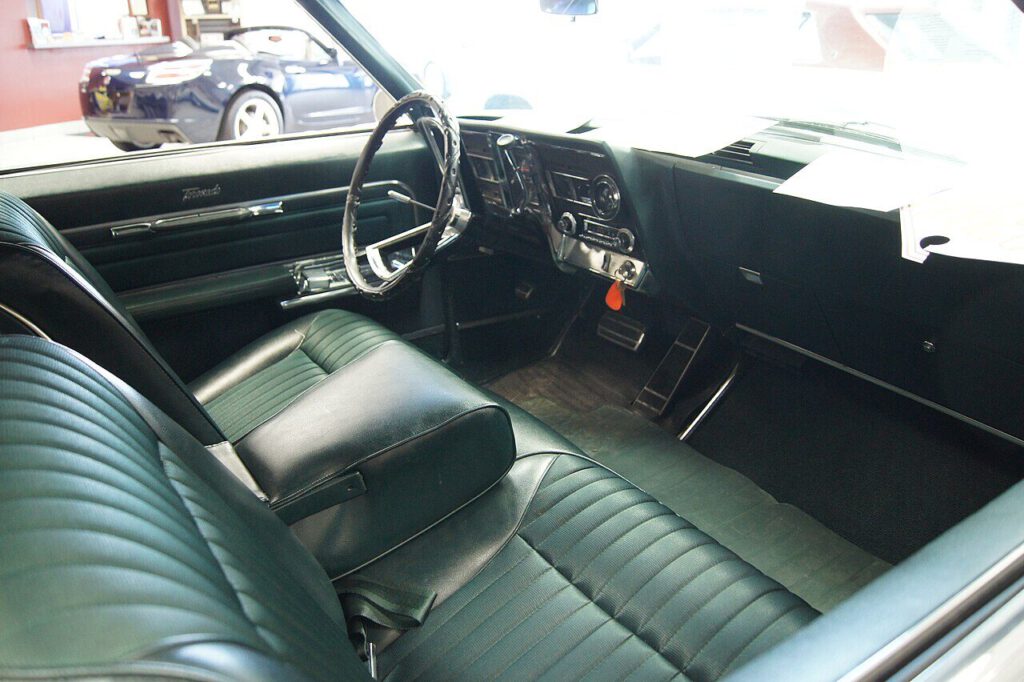
This pioneering front-wheel-drive layout was a technological statement that came with a side of constant headaches for owners and mechanics alike.
5. Cadillac Allante (Exterior)
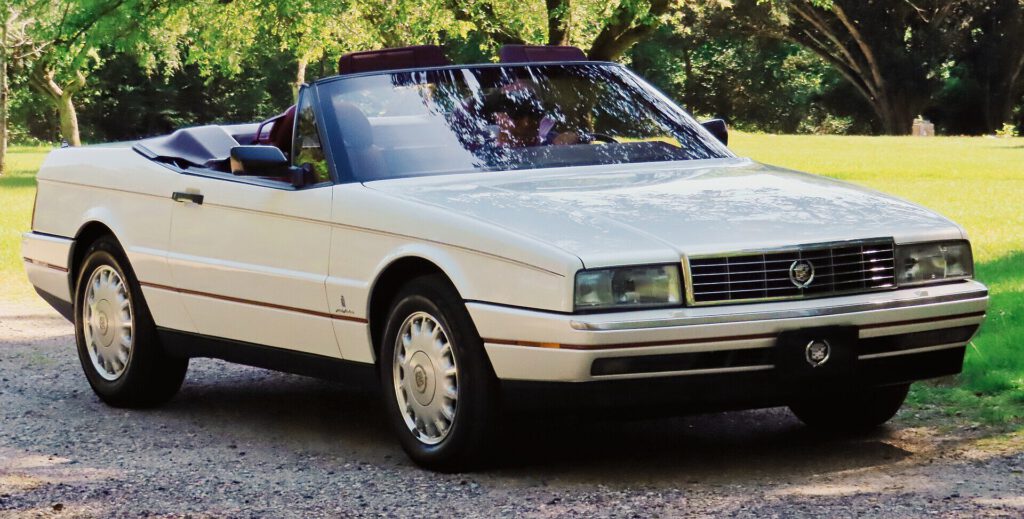
The international luxury car that required two toolkits.
Bodies built by Pininfarina in Italy were flown 4,600 miles to the U.S. via Boeing 747s. Italian metric fasteners mixed with American standard parts meant maintenance required two complete tool sets.
Cadillac Allante (Interior)
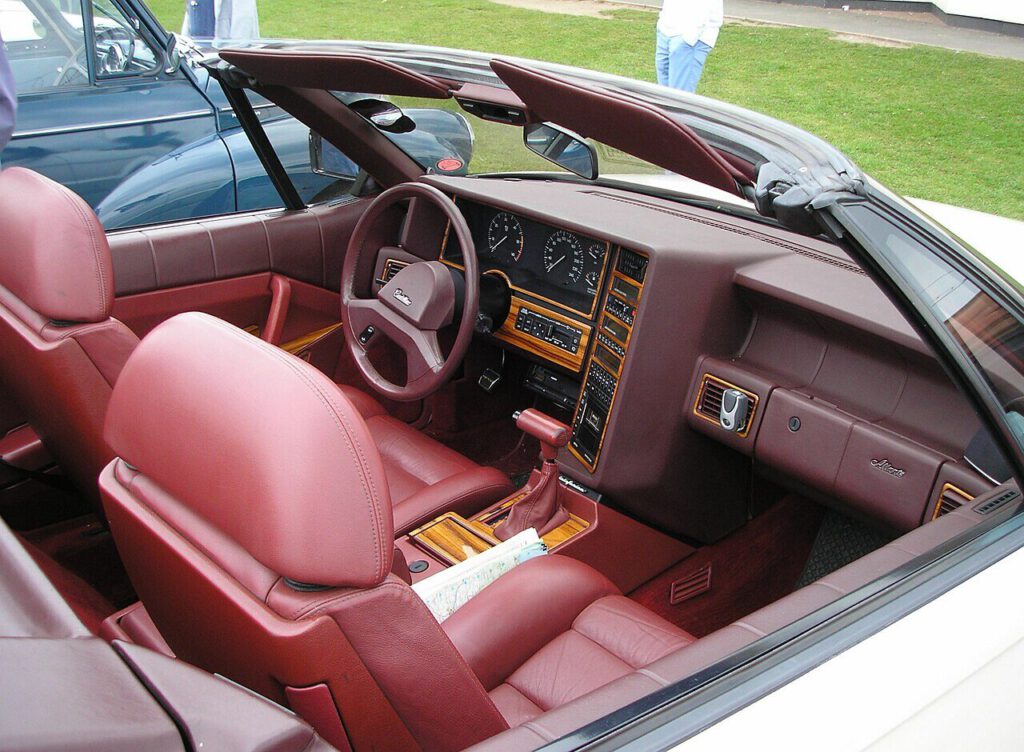
The Northstar V8 was prone to head bolt pull-out when overheated, and the German convertible top’s hydraulics were finicky. Managing this car felt like running a startup where every department used different operating systems.
4. Chrysler Turbine Car (Exterior)
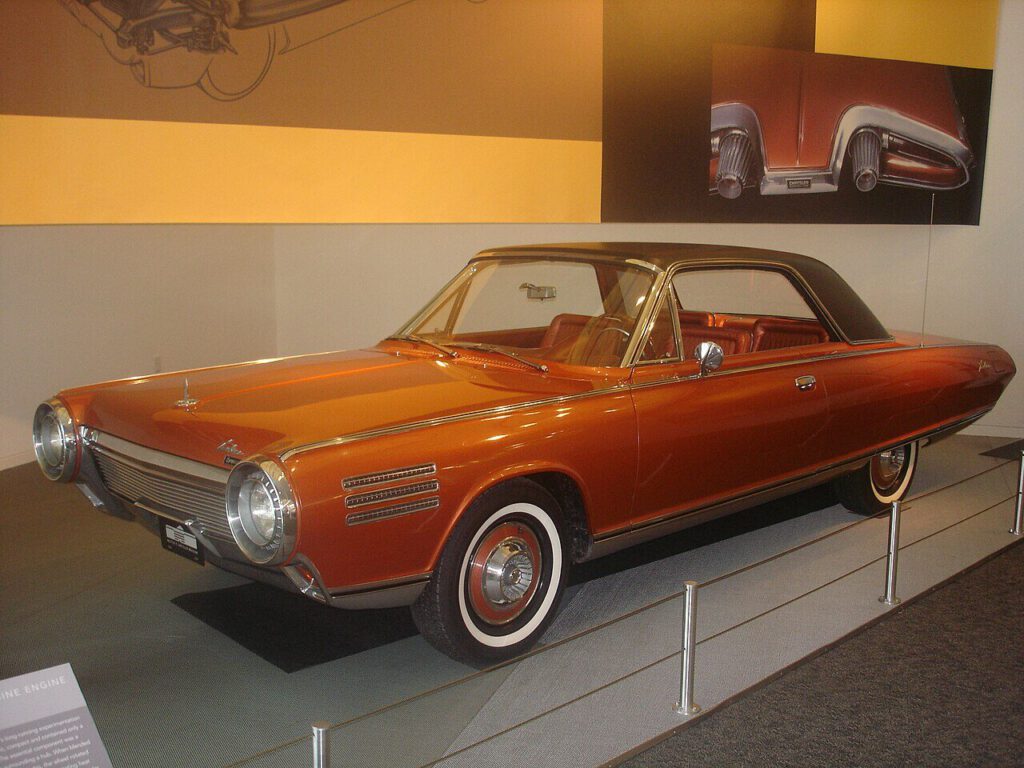
Jet engine technology that belonged in jets.
55 experimental cars featured 44,000 RPM gas turbines with exhaust hot enough to melt silverware. The complex heat exchanger and variable nozzle system required specialized mechanics, and acceleration lag felt longer than waiting for dial-up internet.
Chrysler Turbine Car (Interior)
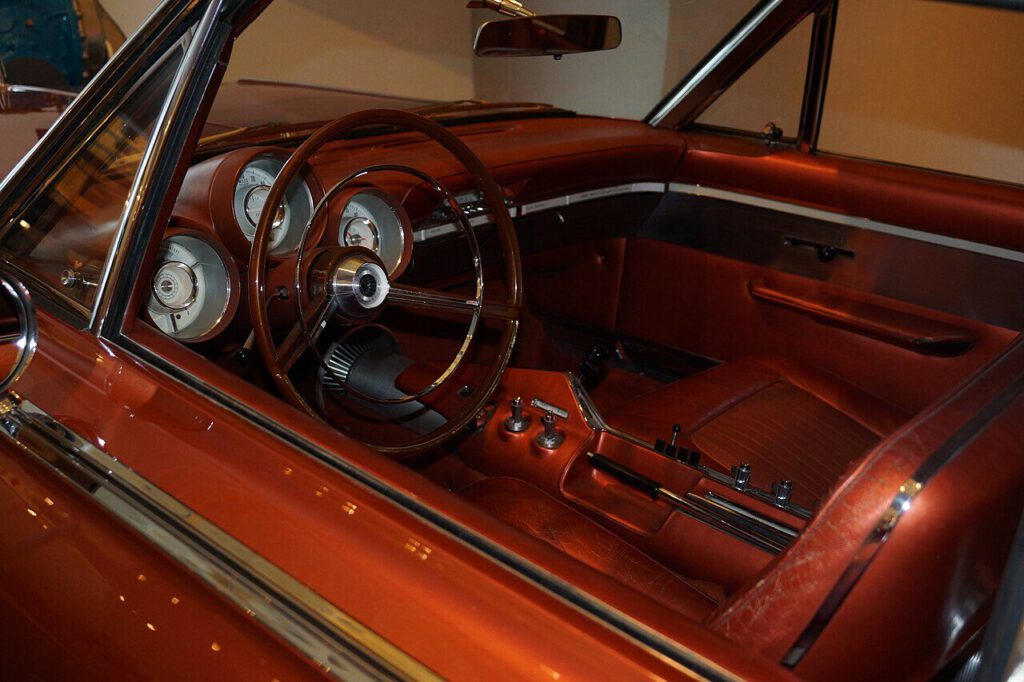
Most were scrapped after the loan program because they were simply too complex and costly to maintain as actual automobiles.
3. Ford Thunderbird Super Coupe (Exterior)
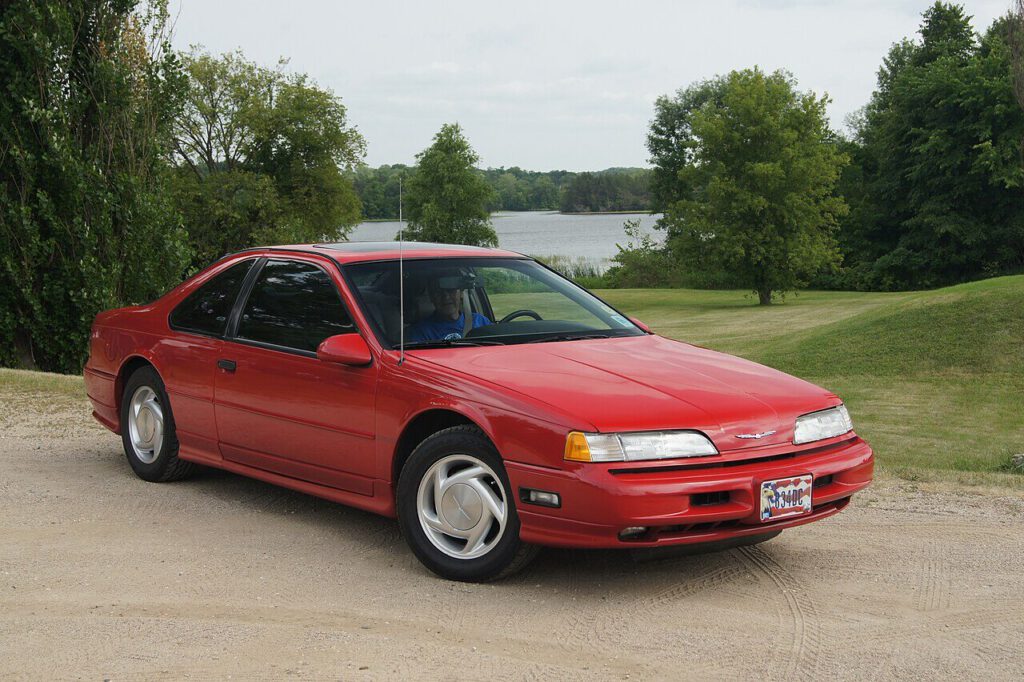
Supercharged complexity that confused even the dealers.
The supercharged 3.8L V6 featured intricate belt routing that dealers frequently botched during installation. Knock sensors constantly adjusted timing, making power delivery unpredictable.
Ford Thunderbird Super Coupe (Interior)
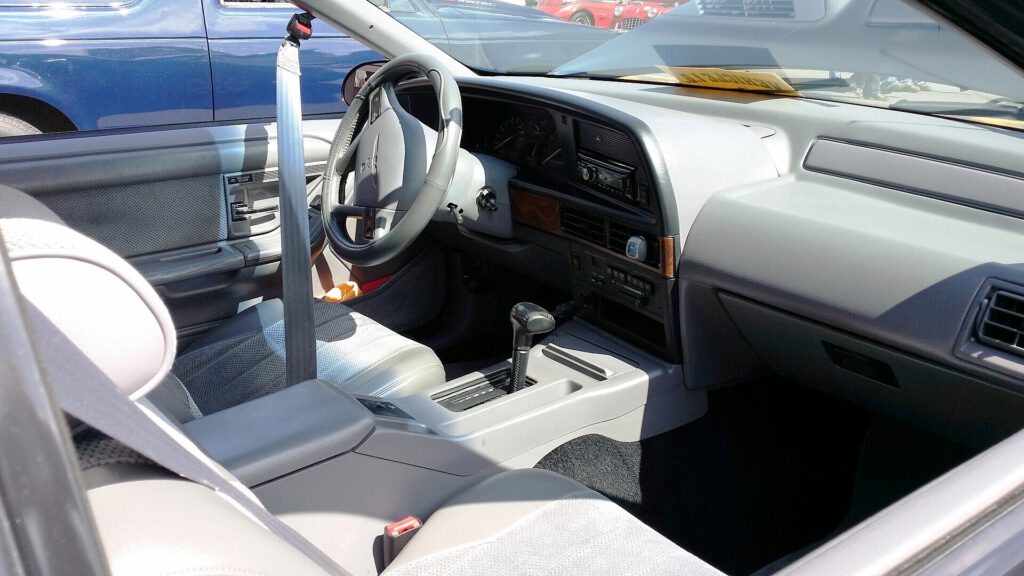
First-generation ABS systems were prone to failure, and automatic ride control had its own agenda. Digital gauges and climate control played random resets, turning the cabin into a technological disco.
2. Duesenberg Model J (Exterior)
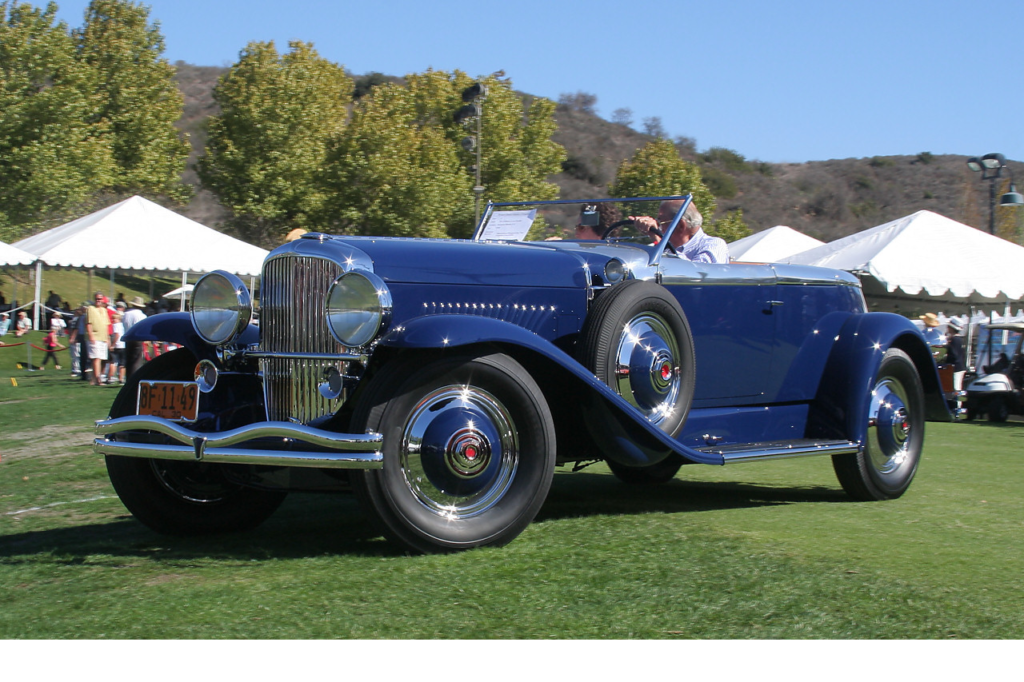
A rolling monument to pre-war automotive excess.
The straight-eight engine featured dual-overhead cams and 16 spark plugs on naturally aspirated models, 24 on supercharged versions. Supercharged SJ variants had blowers spinning at 25,000 RPM.
Owning one meant wrestling with adjustment points galore and dual-system hydraulic brakes requiring fifty-page manuals. It was less a car, more a full-time mechanical occupation.
1. Cadillac V16 (Exterior)
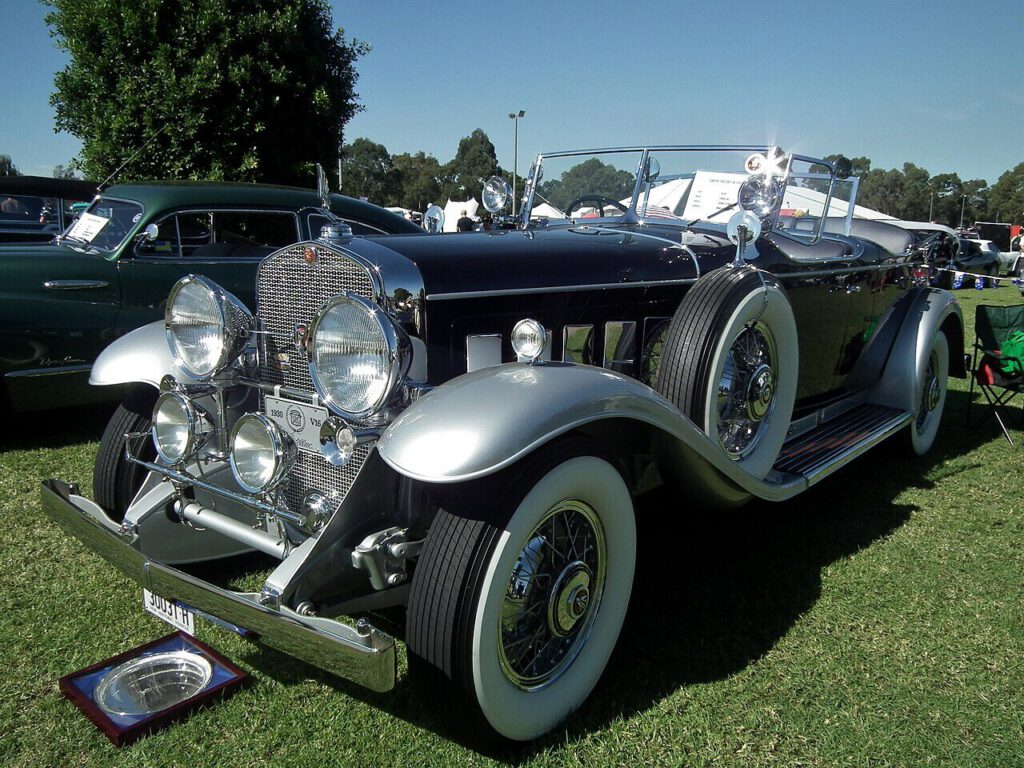
The Great Depression’s answer to mechanical overkill.
This 7.4L V16 featured dual everything: distributors, water pumps, carburetors, feeding 32 spark plugs and 32 valves. So smooth it needed an indicator light to prove it was running.
Maintenance meant oil changes every 500 miles, valve adjustments every 1,000 miles, and days spent synchronizing dual systems. With 4,000 built during economic collapse, it proved ambition laughs in the face of practicality.
The Ford Edsel remains the ultimate cautionary tale—a $400 million investment that proved innovation without intuition creates legends for all the wrong reasons. These mechanical marvels remind us that sometimes the most impressive engineering achievements are also the most impractical, turning simple transportation into complex adventures that few were brave enough to undertake.