Privacy concerns at theme parks just escalated, but Disney frames facial scanning as fraud prevention. The Happiest Place on Earth now scans faces at most entrance lanes—converting your face into numerical values that verify your ticket photo. If you’ve unlocked your phone with Face ID lately, the technology feels familiar. The cultural impact? That’s entirely different.
How Disney’s Face-Reading System Actually Works
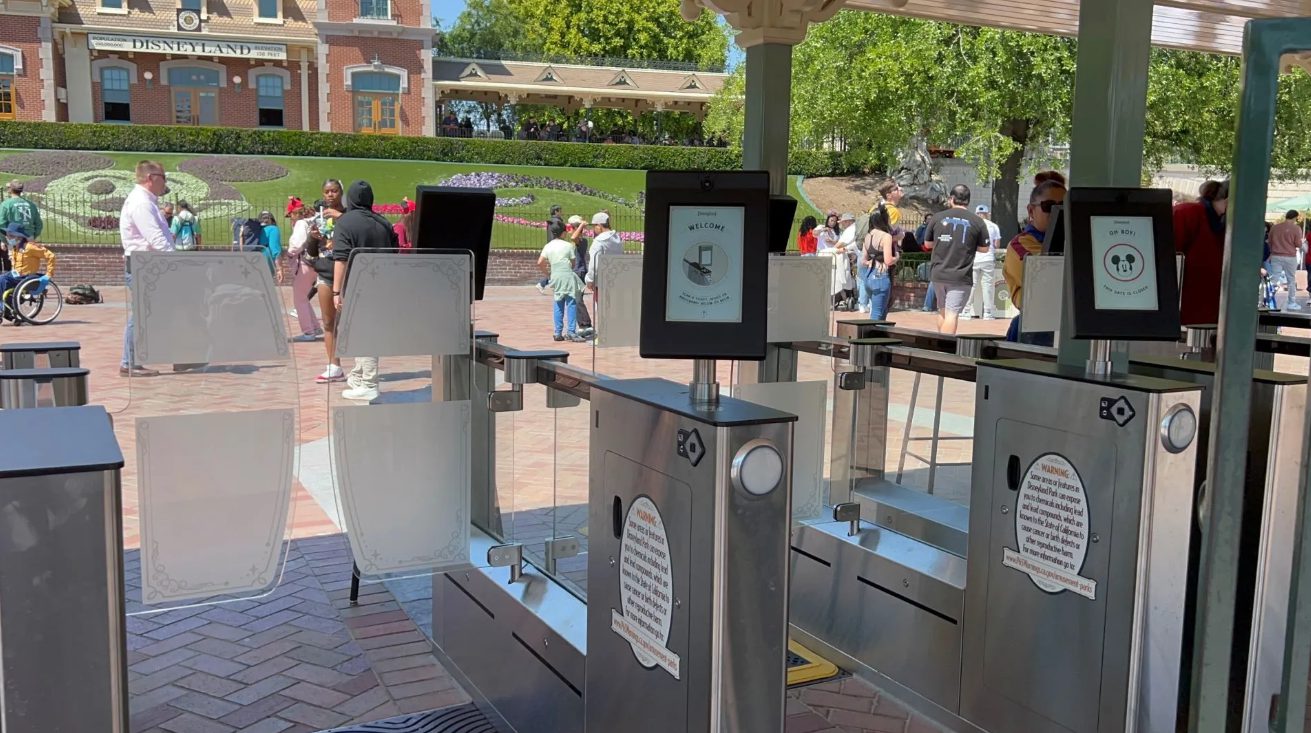
Cameras scan faces at most entrance lanes, converting images to unique numerical codes for ticket verification.
Your face gets photographed and converted into mathematical values that match against your initial ticket purchase photo. Disney promises these numerical fingerprints disappear within 30 days—unless fraud investigations require longer storage. The system aims to speed re-entry while preventing ticket sharing. Four lanes offer non-biometric alternatives marked with a slashed head silhouette, though most visitors unknowingly choose faster scanning lanes over manual verification.
Entertainment Venues Embrace Biometric Entry
Stadiums and arenas across America are normalizing facial recognition for security and convenience.
Disney joins venues like Intuit Dome’s “GameFaceID” and Dodger Stadium’s “Go Ahead Entry” in making biometric scans routine. Your concert or ballgame increasingly requires facial verification—a post-pandemic shift toward touchless entry that prioritizes efficiency over anonymity. The technology promises faster crowds and reduced fraud, but critics worry about surveillance becoming entertainment’s new normal.
Privacy Experts Sound Surveillance Alarms
Researchers warn that biometric normalization erodes public anonymity in recreational spaces.
“The normalization of facial surveillance is really problematic,” warns UC Irvine law professor Ari Waldman. “In a world of facial recognition, when people leave their house, it automatically means they’re identified.” Yet visitor John LeSchofs accepts the inevitable: “Pretty much every other place is doing the same thing.” This split reveals America’s conflicted relationship with convenience versus privacy.
What This Means for Your Disney Experience
Theme park visits now involve biometric choices that affect both convenience and personal privacy.
Each Disney trip becomes a privacy decision point. Choose the slower manual lanes to avoid facial scanning, or accept biometric convenience for faster entry. Either way, the Magic Kingdom’s embrace of surveillance technology signals broader changes in how entertainment venues balance security, efficiency, and guest privacy—making your face another piece of the admission puzzle.