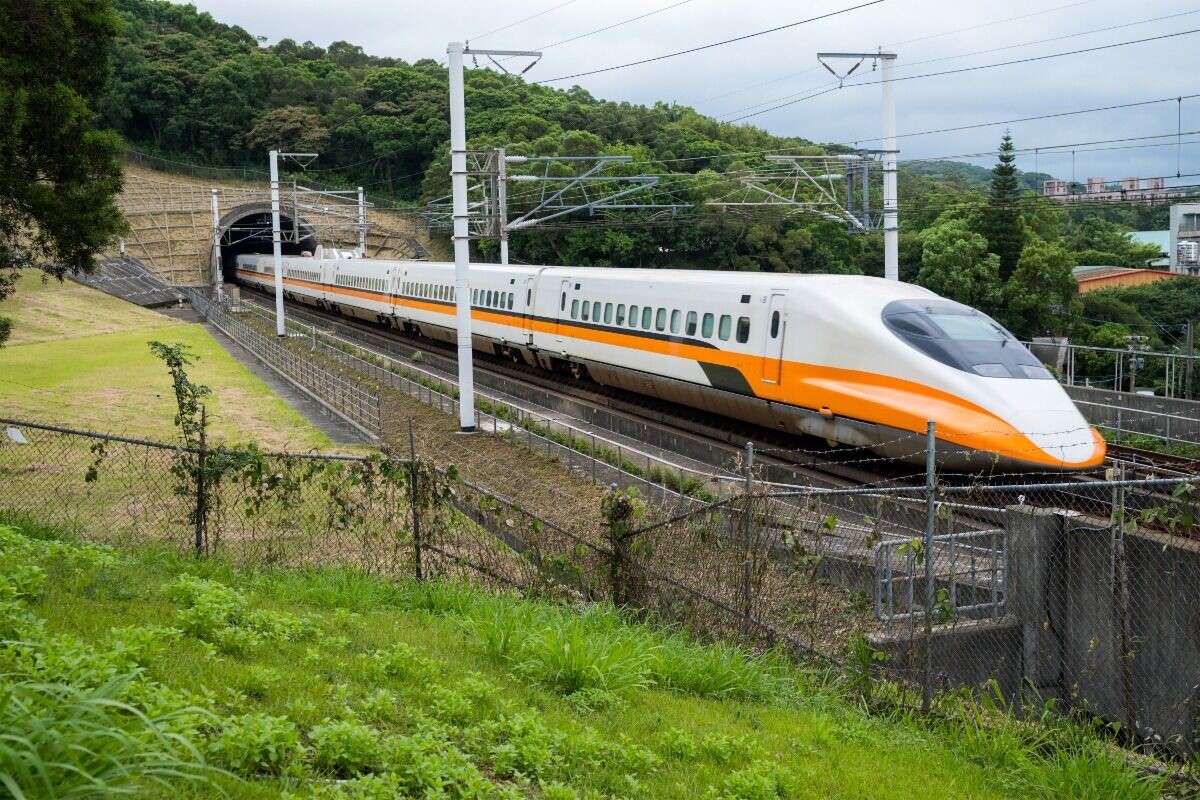
A $30 radio gadget just brought Taiwan’s bullet trains to a screaming halt. While you were probably streaming Netflix on your phone, a 23-year-old university student named Lin was proving that consumer electronics can outgun billion-dollar infrastructure security.
The Exploit That Security Experts Feared
Cheap software-defined radio equipment cracked 19 years of rail encryption in an afternoon.
Lin didn’t need government resources or state-sponsored malware. He used off-the-shelf SDR equipment—the same gear ham radio enthusiasts buy online—to intercept and decode Taiwan High Speed Rail’s TETRA communication protocol. Those radio parameters hadn’t changed since 2007, making them easier to crack than your neighbor’s WiFi password.
The Providence University student programmed 11 handheld radios to impersonate legitimate station beacons, then transmitted a “General Alarm” signal from his Taichung residence. Four bullet trains grinding to emergency stops. Hundreds of holiday travelers stranded for 48 minutes during Taiwan’s Qingming Festival. All because static encryption keys sat unchanged for nearly two decades.
When Hobby Gear Beats Corporate Security
The same technology powering your car’s keyless entry just disrupted national transportation.
This isn’t some Hollywood fantasy where hackers need server farms and Matrix-style interfaces. Lin’s setup resembled a typical maker’s workbench: SDR dongles, consumer radios, and a laptop running freely available software. The kind of gear you’d find at any electronics meetup or university radio club.
DPP Legislator Ho Shin-chun’s assessment reveals the uncomfortable truth about Lin cracking “seven layers of verification”—those layers apparently relied on security through obscurity rather than actual cryptographic protection. Critical infrastructure built on assumptions that hobbyists wouldn’t figure out radio protocols.
The Price of Playing With Trains
Criminal charges and industry wake-up calls follow Taiwan’s rail disruption.
Lin faces up to 10 years under Taiwan’s Criminal Law Article 184 for transportation interference. Released on NT$100,000 bail after his April 28 arrest, he’s discovered that security research defenses don’t hold up when your testing ground is active passenger service during a national holiday.
Taiwan High Speed Rail Corporation filed suit on April 24, while the Ministry of Transportation pledged a mandatory one-month security review across Taiwan’s entire rail network, including high-speed rail, conventional railways, and metro systems. When consumer electronics can halt transportation infrastructure, every TETRA-dependent system worldwide should be questioning their static encryption keys.
This exposure arrives at the worst possible time for legacy rail communication systems. With 5G and modern encryption standards readily available, Taiwan’s reliance on decades-old static keys looks less like prudent engineering and more like security theater that finally got called out by a determined college student with accessible radio equipment.